


Foreign currencies do not come off the "cliff"/ Exchange rate, November 18, 2024
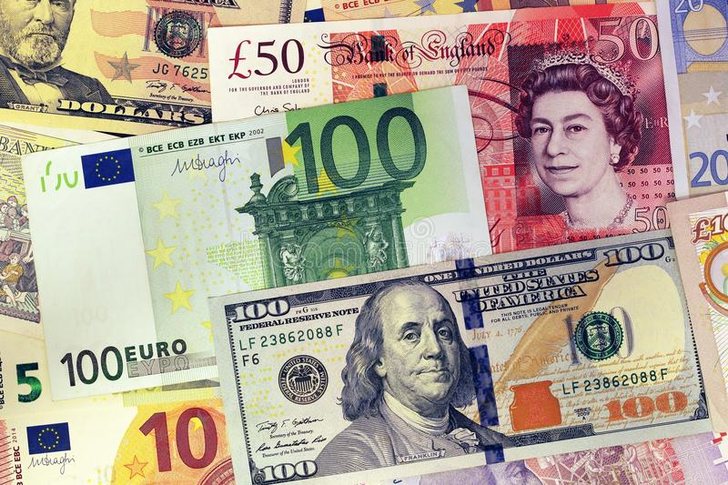
Today in the foreign exchange market, the US dollar is bou...


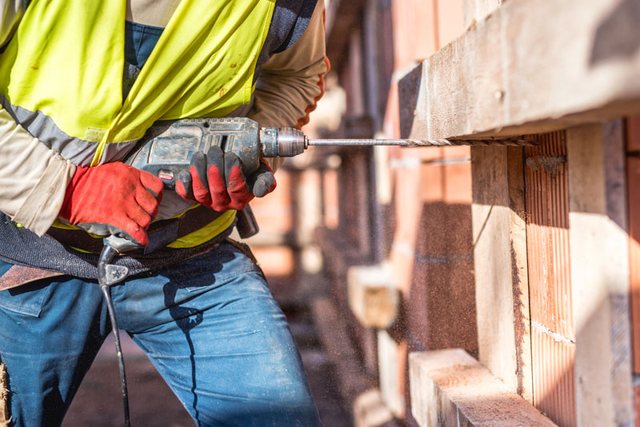
The growth of the unit labor cost indicator slowed again in the second quarter of the year.
According to the Bank of Albania, the unit labor cost indicator increased by 2.2%, from the 7.8% increase in the previous quarter.
Unit labor cost growth had the strongest growth in the second quarter of 2023, at approximately 15%. Since then, growth has been slowing.
In the analysis of the Bank of Albania, the slowdown in growth rates is related to the slower growth of the real wage, against the faster growth of labor productivity.
According to the Bank of Albania, the average salary in the private sector continued to grow in the second quarter, but at lower rates than before. Wage growth fell to 6.9%, from 12.7% a quarter ago. This slowdown reflects a strong statistical base effect from a year ago, when private sector wage growth was 15%. However, this effect came mainly from the increase in the minimum wage in the economy.
The impact of the increase in the minimum wage has faded in the second quarter of the current year. The slowdown in nominal wage growth rates has also been reflected in their real growth. Adjusted for the effect of inflation, average wage growth slowed to 4.8% in the second quarter of 2024, from 10% in the previous quarter.
The growth of other production costs also continued to slow down during the second quarter of the year. Producer price index (PPI) growth was 1.7% from 2.8% in the first quarter.
Downward pressures were mainly determined by the slowdown in production prices for the domestic market (2.3% from 3.5%), while production prices for export slowed moderately (0.2% from 0.5%).
Finally, the construction cost index (IKN) recorded an annual increase of 2.5% in the second quarter or 0.9 percentage points lower than in the previous quarter.
Slower growth in production costs, starting with labor costs, appears to be easing inflationary pressures in the economy.
In the last two months, inflation has remained at the level of 1.9%, the lowest in the last three years. However, internal inflation continues to have the overwhelming contribution to the general rate of inflation in Albania.
According to the Bank of Albania, of the 2% average inflation for the second quarter of this year, 1.7 percentage points (over 85% of total inflation) was the contribution of internal inflation.
Although the domestic economy remains the main driver of inflationary pressures in the economy, it seems that in the last quarters these pressures have somewhat slowed down.
The Bank of Albania decided this month to lower the base interest rate for the second time this year, bringing it to the level of 2.75%./ Monitor Magazine

Today in the foreign exchange market, the US dollar is bou...

The Deputy Minister of Economy, Culture and Innovation, Ol...
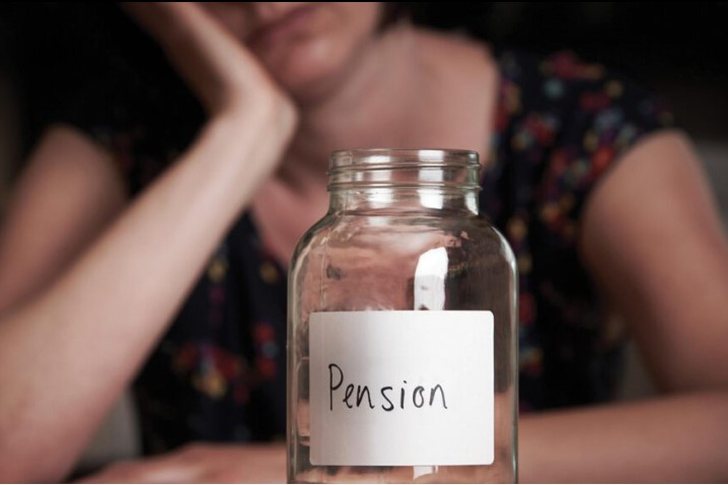
Albania has doubled its economy and budget revenues in the...
The domestic economy has recorded an increase in consumpti...
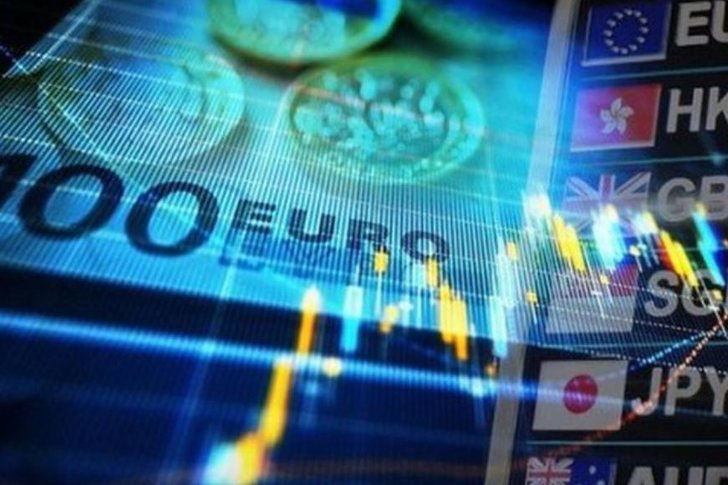
Today in the foreign exchange market, the US dollar is bou...
Debt (obligations) in the form of unpaid insurance of empl...
Today in the foreign exchange market, the US dollar is bou...
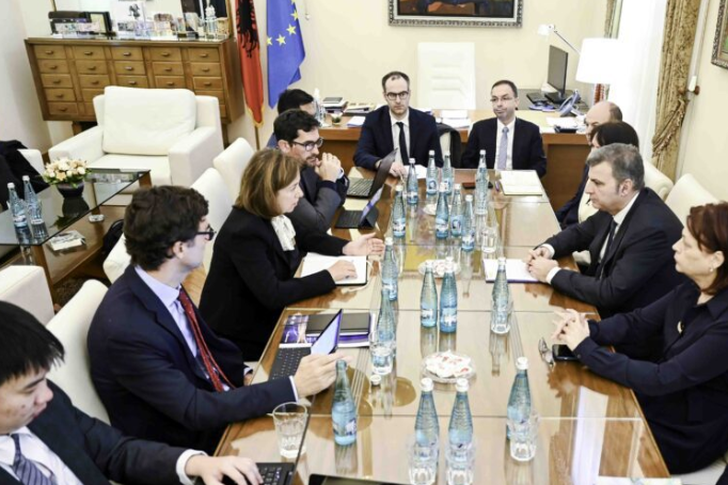
The Governor of the Bank of Albania, Gent Sejko, today hel...
Today in the foreign exchange market, the US dollar is bou...
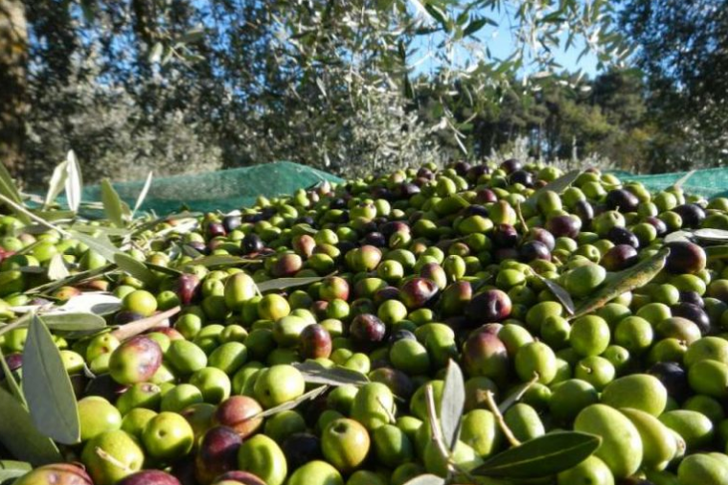
After the high growth of olive oil exports in 2023, their ...

Today in the foreign exchange market, the US dollar is bou...
In the Court of Administrative Appeals, a hearing is held ...
Today in the foreign exchange market, the US dollar is bou...
Today in the foreign exchange market, the US dollar is bou...
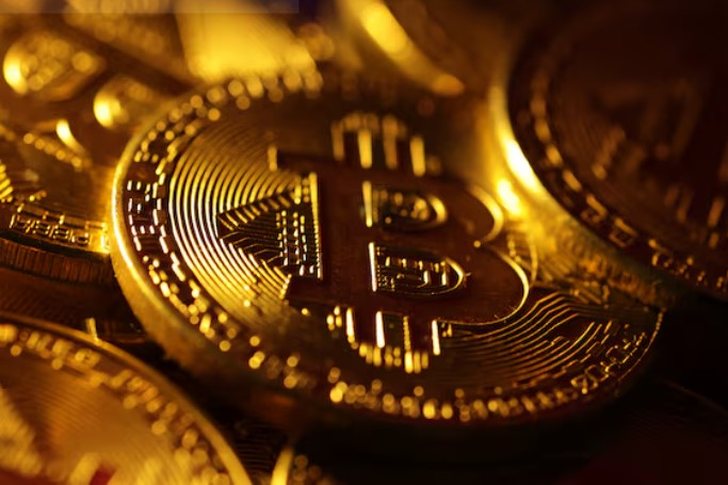
For the first time, Bitcoin traded above $80,000 over the ...
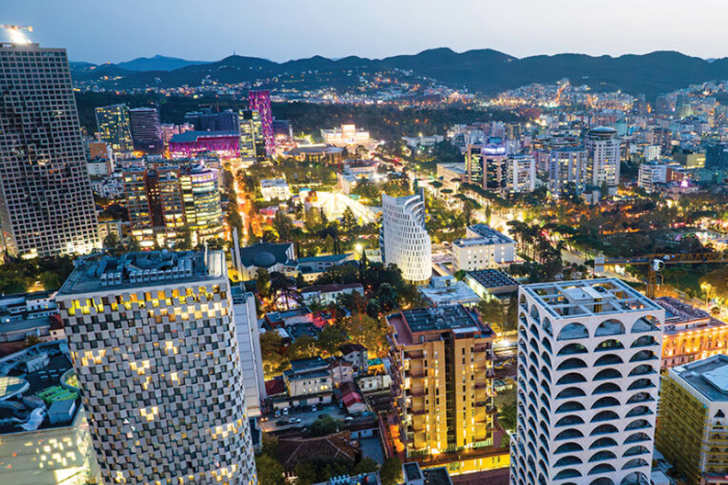
The high prices of apartments and the low income of Albani...
Today, on November 10, 2024, in the foreign exchange marke...

Today, November 9, 2024, in the foreign exchange market, t...

The Directorate of Taxes, in a letter sent to taxpayers in...
Today, November 8, 2024, in the foreign exchange market, t...

CNA has launched another investigation that could lead to ...

Irfan Hysenbelliu is a businessman that we call "Irfan the...

In March 2026, CNA launched another investigation centered...
The arrested mayor of Tirana, Erion Veliaj, with 13 charge...

The Special Board of Appeal (KPA) decided this Monday ...

The KPA vetting decided this Thursday to dismiss the p...

Suela Salavaçi, a prosecutor in the Prosecutor's Offic...

The Special Board of Appeal reinstated the prosecutor ...
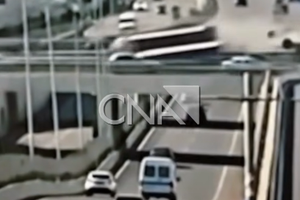
Footage emerges from the serious accident that occurred th...

A Shkodra traffic police officer was hit with hard objects...
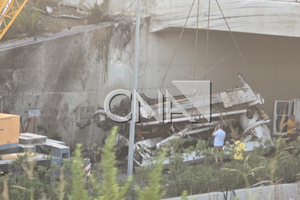
This Wednesday, around 4:00 PM, a serious accident occurre...

Tirana Police have shared details regarding the accident t...
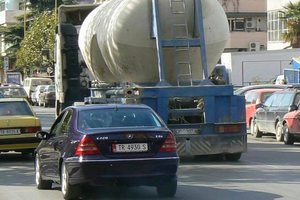
A serious accident that occurred this Wednesday with the c...

The Institute of Geosciences has shared a forecast for wea...
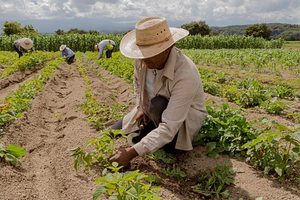
Rising energy and fertilizer prices are expected to contin...

Over 18,000 foreign citizens from 140 countries have appli...
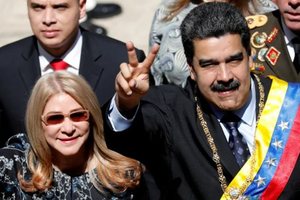
The trial of ousted Venezuelan President Nicolas Maduro on...
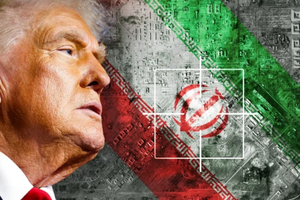
US President Donald Trump has issued another warning to Ir...

Prime Minister Andy Burnham has announced that most bus fa...

France's parliament has passed a law to ban social media f...

At a time when industrial products are increasingly taking...

Trust among people is not just a three-syllable word. It c...

Master of humor Todi Llupi has passed away at the age of 7...

The ninth edition of "MIK Festival" kicked off with one of...
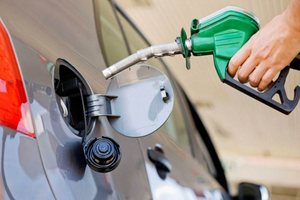
The price of diesel reached 206 lek per liter from 198 lek...

Businesses will no longer be required to simply register t...

Despite economic growth and income in recent years, Albani...

This Wednesday, one US dollar is bought for 81.4 lek and s...