

Life fatigue: A growing phenomenon in Western society
Molly was 88 years old and in relatively good health. She ...


United Nations Secretary-General Antonio Guterres received the Charles V European Award on Tuesday at the Juste Monastery in Caseres, Spain. After the award was presented by the King of Spain, Felipe VI, Guterres said that this country has "a special meaning" for him.
"When I won the elections for the first time in Portugal in 1995, I came with my wife to Juste, and it struck me that someone who had been emperor of the world spent the last years of his life, after he abdicated, in a monastery of simple, which is a lesson for many politicians today," said Guterres.
The head of the UN himself seems to want a retirement like that of the Holy Roman Emperor, Charles V, away from today's troubled world, where he has to deal with the war in Ukraine, global warming and the refugee crisis. He spoke about these problems in an interview for the newspaper.
You have received an award that recognizes the European spirit, at a time when the continent is once again experiencing a war on its territory. What can Europe and the UN do to end the war in Ukraine?
Unfortunately, I believe that peace negotiations are not possible at this time. Because both sides are convinced they can win. The Russian occupation is against international law, against the Charter of the United Nations. But I don't think that at the moment Moscow is ready to withdraw from the territories that it occupies, and I think that Ukraine hopes to liberate them.
What we are doing as much as we can is to dialogue with both parties to solve specific problems. The most important initiative has been the export of grain from Ukraine and food products and fertilizers from Russia through the Black Sea. This deal expires on May 18th. Do you have faith that it will be renewed?
The last thing I did last night and this morning was to contact my colleagues who are dealing with this issue. We are fully committed to trying to save this deal. Rebecca Grinspan, Secretary General of the United Nations Conference on Trade and Development was in Moscow a few days ago.
Meanwhile, Martin Griffiths, the Under-Secretary-General for Humanitarian Affairs is in Istanbul on Tuesday. We are preparing a meeting of 4 parties, Russia, Ukraine, the United Nations and Turkey in Istanbul, and we are doing everything possible to better respond to the problems that the Russians are facing. It is true that the export of food and fertilizers is not under sanctions, but some indirect obstacles remain, which we are trying to eliminate; in addition to resolving issues on inspections.
Will peace have to wait until both sides are convinced that neither side can
win?
At this moment I see no possibility of immediately reaching a cease-fire or starting
peace negotiations.
Meanwhile, there is a risk of the situation escalating. For example, the use of tactical atomic weapons by Russia or a nuclear accident in Zaporizhzhia...
Zaporizhzhia is a big concern for us. I hope there is enough caution on both sides to prevent a tragedy. On the other hand, I think that the possibility of a nuclear escalation is very small. The Chinese initiative was very important, as it openly stated that the nuclear escalation of the conflict is unacceptable.
Are mediation offers from China or Brazilian President Lula da Silva doomed to fail ?
I already stated that negotiations will not happen at this time. I hope they will be developed in the future. There was talk of a Russian offensive in the winter and a Ukrainian counteroffensive in the spring. It is clear that both sides are fully engaged in the war.
Does the sending of weapons from the West to Ukraine comply with the right of self-defense?
I have not and will never comment on the support that exists or does not exist. It is clear that both sides have tried to supply weapons from abroad, and that is what happens in wars. The objective is to achieve a just peace, in accordance with international law and the Charter of the United Nations. But we are still far from that.
You have warned that we could have a 2.8º Celsius rise in global temperatures by the end of the century. Does this mean abandoning the Paris Agreement - which pledged to keep this rise below 1.5ºC?
The latest report from the IPCC, the Intergovernmental Panel on Climate Change, the highest scientific authority on the matter, says it is possible that temperatures will not rise above 1.5ºC by the end of the century. But for that to happen, we need to dramatically change what we're doing, because emissions are continuing to rise.
I have proposed a solidarity pact between major developed and major developing economies, which account for 80 percent of emissions. My proposal is that the former achieve zero atmospheric carbon emissions near 2040 and the latter near 2050. But we are not currently moving in that direction. We have not yet found the political will from governments, and the contributions of the private sector are not enough to avoid a catastrophe with unpredictable consequences.
Do we still have time to prevent it?
I am very close to the moment of truth. If the necessary measures are not taken, the 1.5ºC target will be missed, and that would be terrible for humanity. Should the oil companies be held responsible?
Oil companies must be at the forefront of the decarbonisation process. Today we are witnessing something that is morally intolerable. We see that these companies are collecting windfall profits, which they are using to buy back their own shares instead of investing in green energy, which has forced us to ask states to impose windfall taxes.
Since you were the UN High Commissioner for Refugees between 2005-2015, the situation and the number of displaced persons has only worsened. At that time, international refugee law was respected practically everywhere in the world. Today we see that in the Southern Hemisphere there is a readiness to receive hundreds of thousands of refugees, as in Sudan, but in the developed world many doors have been closed. There is no policy to
ensure that immigration is regulated.
Therefore it is controlled by traffickers, committing terrible violations of human rights. I think Europe has a problem to solve: its demography is unstable and immigration is a component to guarantee its survival. But there is no European immigration policy. There are national policies - which are sometimes contradictory - and this means that Europe does not have a positive role in the global regulation of population movements. It's embarrassing./ Adapted from CNA.al

Molly was 88 years old and in relatively good health. She ...

Ever since Russia threatened to intervene in Ukraine, ...
Turqia do të shkojë këtë të diel drejt qendrave të vot...
Nuclear scientist Sigfried S. Hecker, 79, is one of th...
According to the Internet Watch foundation, since 2019 the...
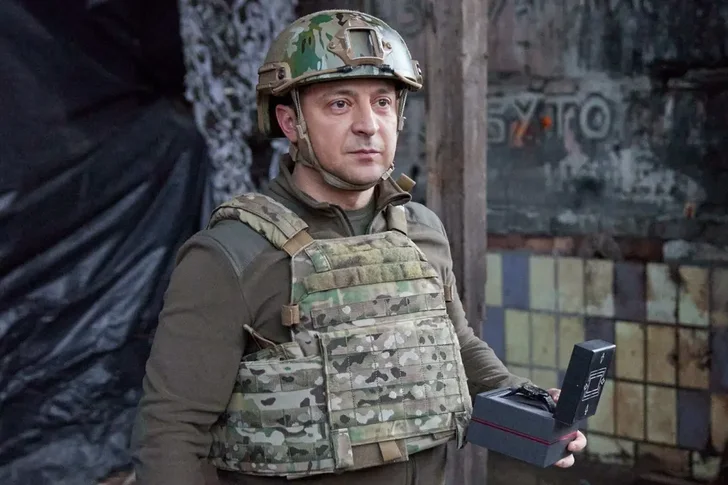
I visited Kiev last month to meet with Ukrainian President...
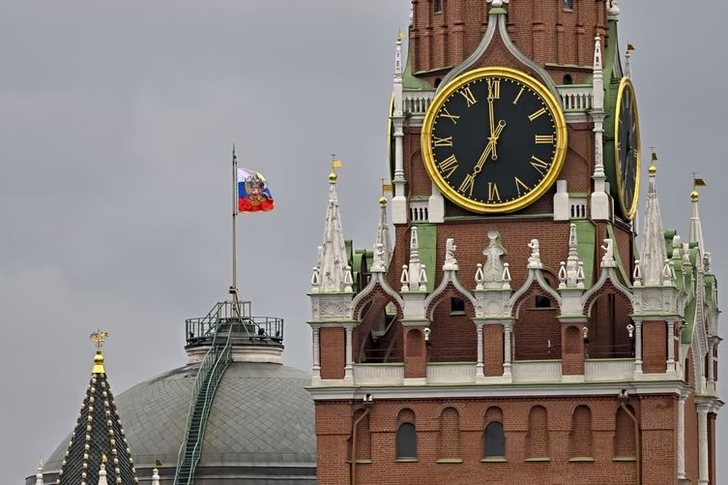
Two drones carried out an attack inside the Kremlin compou...
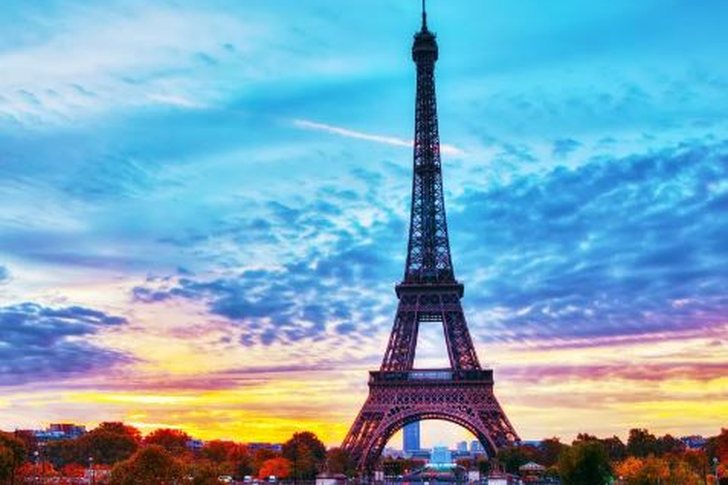
The Eiffel Tower was inaugurated in Paris on March 31, 188...
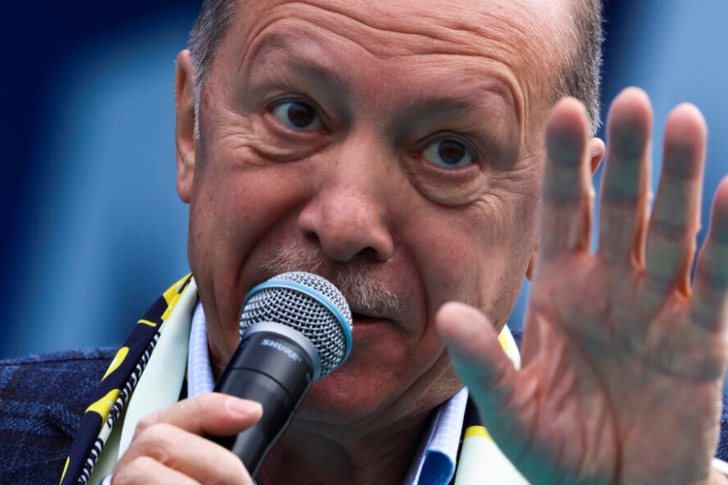
Is there a Western preference for the winner as Turkey...
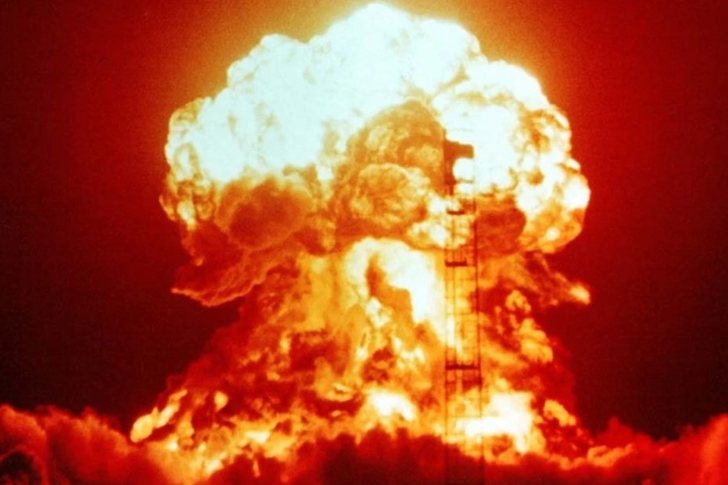
Njerëzimi ka 2 probleme kryesore, të cilat janë bërë m...
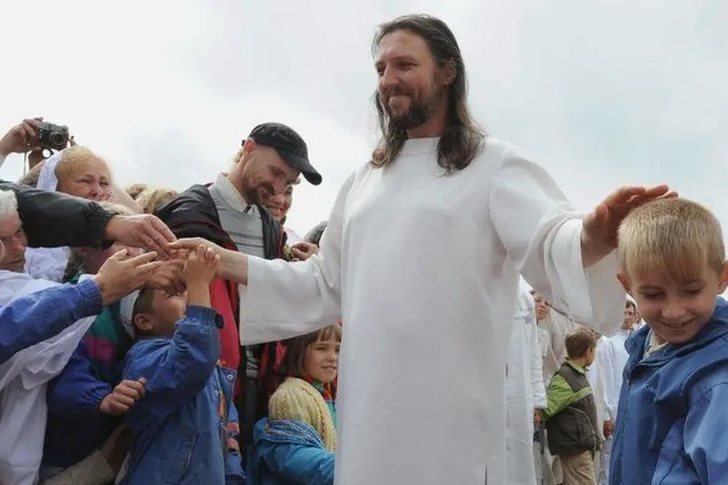
Have you ever heard of a man who claims to be the rein...
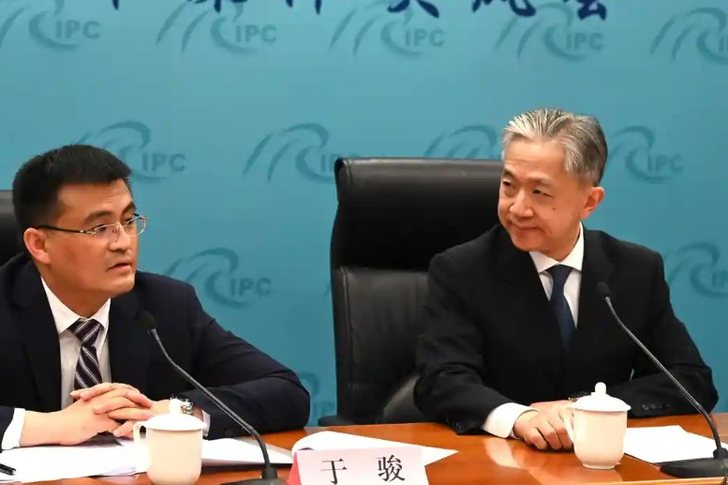
The telephone conversation between Xi Jinping and Volo...
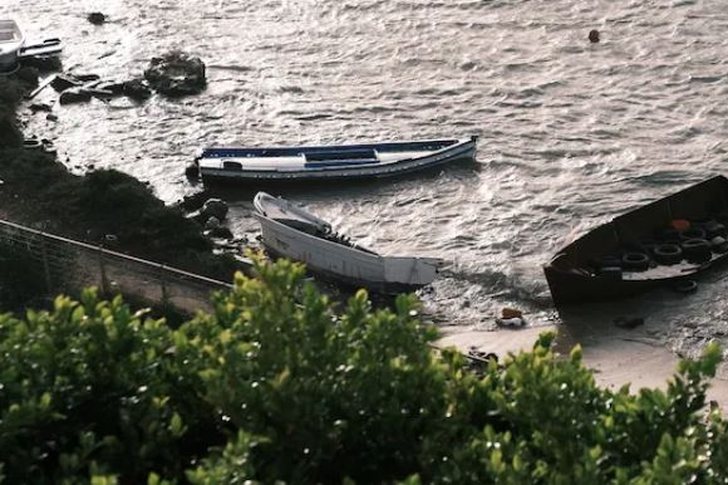
Që nga fillimi i këtij viti, më shumë se 600 emigrantë vlerë...
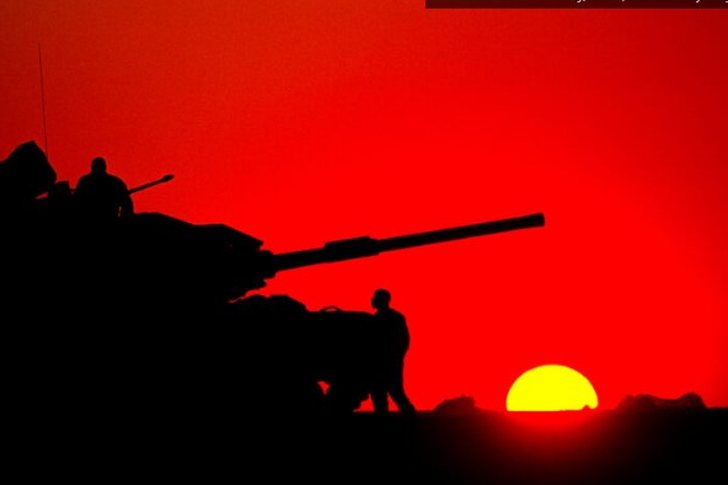
Imagine for a moment a typical British scenario. A pop...
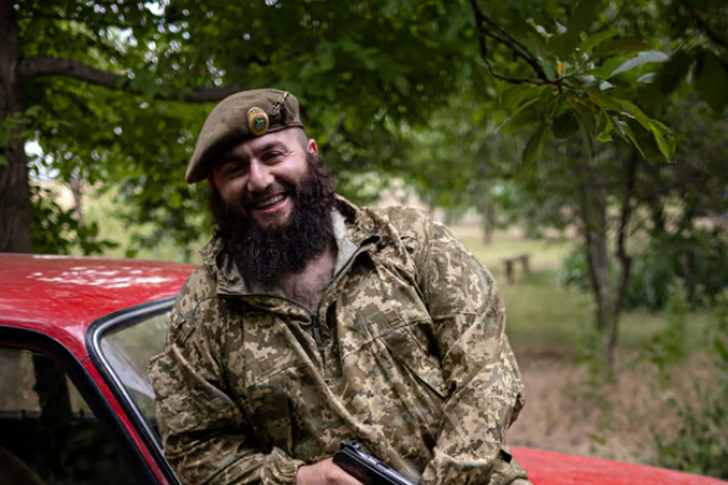
Kiev - "After Ukraine, it's Chechnya's turn" - says the Ch...
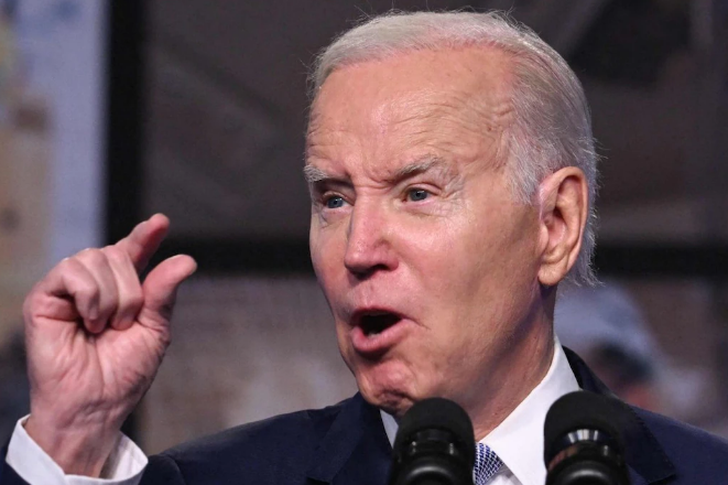
Can America survive a second Joe Biden presidency and pote...
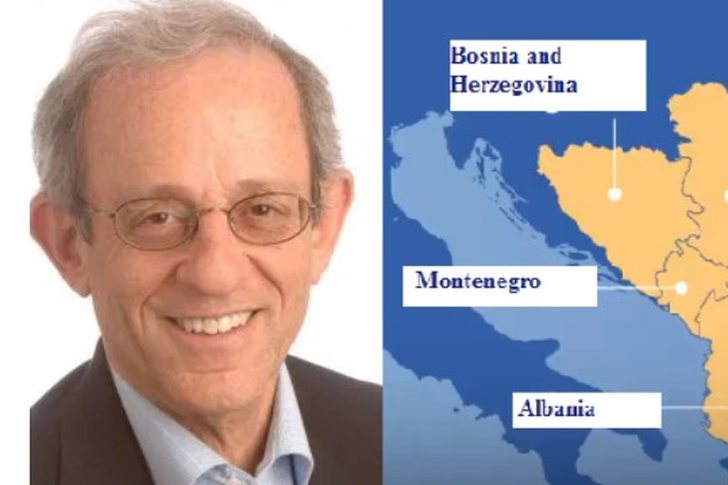
I've been very busy with writing books and I've been p...
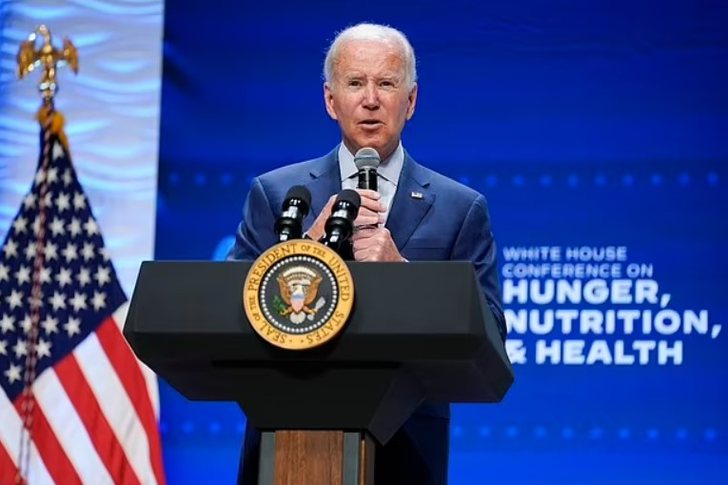
President Joe Biden's brand is popular at best. And at...
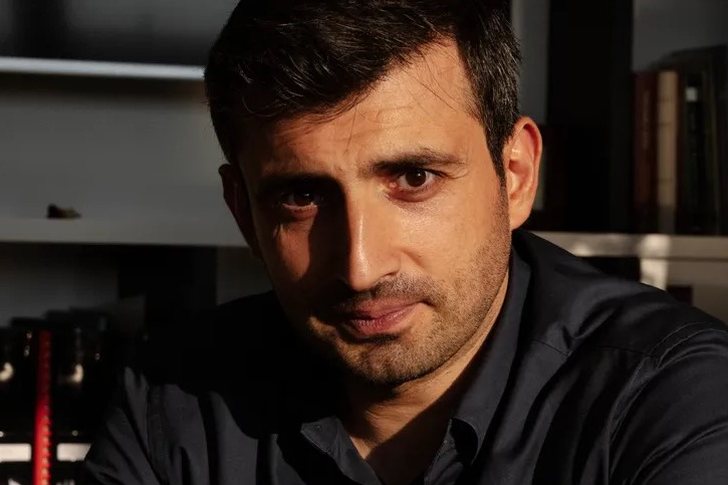
Kishin kaluar vetëm pak ditë nga tërmetet e 6 shkurtit...
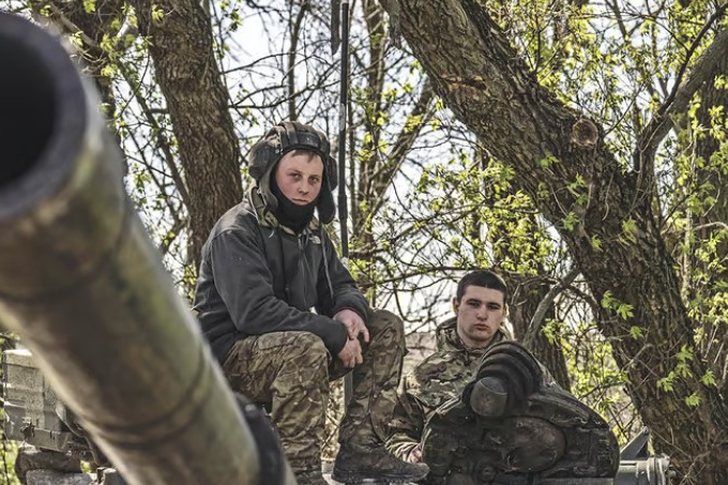
Thousands of Ukrainian soldiers are preparing to go in...

CNA has launched another investigation that could lead to ...

Irfan Hysenbelliu is a businessman that we call "Irfan the...

In March 2026, CNA launched another investigation centered...
The arrested mayor of Tirana, Erion Veliaj, with 13 charge...

The Special Board of Appeal (KPA) decided this Monday ...

The KPA vetting decided this Thursday to dismiss the p...

Suela Salavaçi, a prosecutor in the Prosecutor's Offic...

The Special Board of Appeal reinstated the prosecutor ...
Footage emerges from the serious accident that occurred th...

A Shkodra traffic police officer was hit with hard objects...
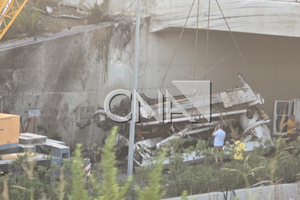
This Wednesday, around 4:00 PM, a serious accident occurre...
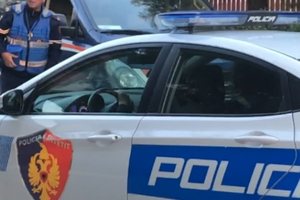
Tirana Police have shared details regarding the accident t...
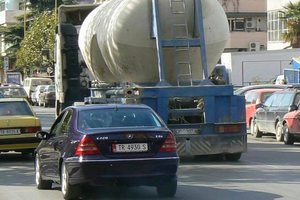
A serious accident that occurred this Wednesday with the c...

The Institute of Geosciences has shared a forecast for wea...
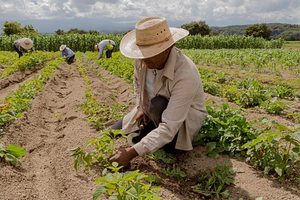
Rising energy and fertilizer prices are expected to contin...

Over 18,000 foreign citizens from 140 countries have appli...
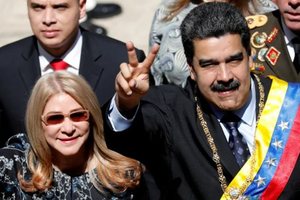
The trial of ousted Venezuelan President Nicolas Maduro on...
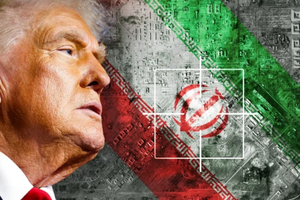
US President Donald Trump has issued another warning to Ir...
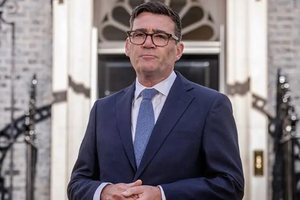
Prime Minister Andy Burnham has announced that most bus fa...

France's parliament has passed a law to ban social media f...

At a time when industrial products are increasingly taking...

Trust among people is not just a three-syllable word. It c...

Master of humor Todi Llupi has passed away at the age of 7...

The ninth edition of "MIK Festival" kicked off with one of...
The price of diesel reached 206 lek per liter from 198 lek...

Businesses will no longer be required to simply register t...

Despite economic growth and income in recent years, Albani...

This Wednesday, one US dollar is bought for 81.4 lek and s...