

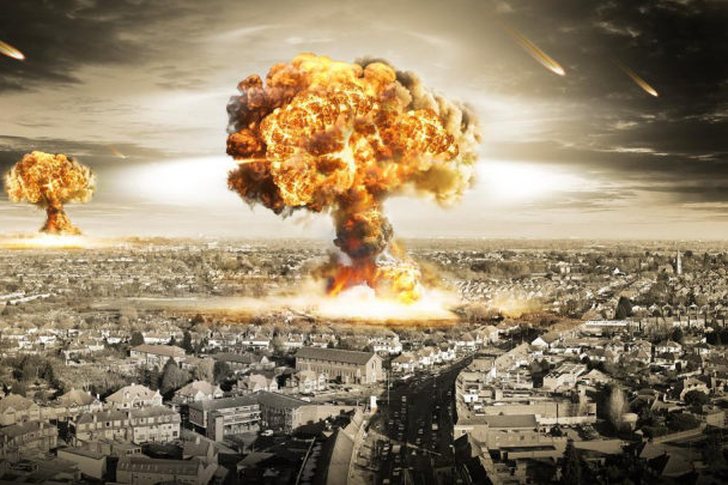
Prophecies about the third world war
First, we must know that the war itself is not desired...



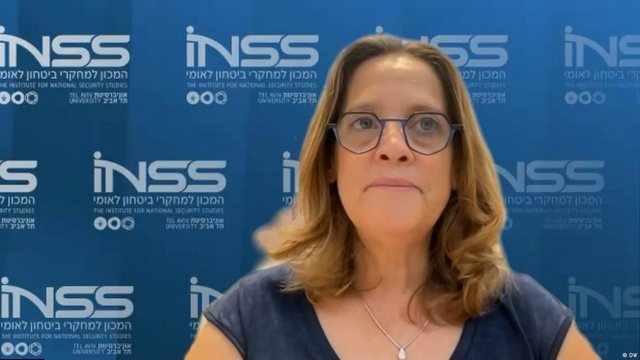
"This is the worst and most difficult conflict we have experienced since the Israeli state was founded in 1949," says Pnina Sharvit Baruch of the Institute for National Security Studies at Tel Aviv University. Tens of thousands of people have lost their lives in the conflict that has existed for more than 75 years between Israel and the Arabs. And this time, experts fear, a long and bloody war threatens.
Amjad Shihab, a Palestinian political scientist in East Jerusalem, says that there is a risk that this conflict will expand into a religious war that involves the entire region. On October 7, Hamas terrorists crossed the border into Israel and carried out several massacres, taking with them about 200 hostages. The assassinations were supported by Hamas rocket attacks. Israel has since retaliated with rocket attacks on Gaza and temporarily imposed a full blockade of the Gaza Strip.
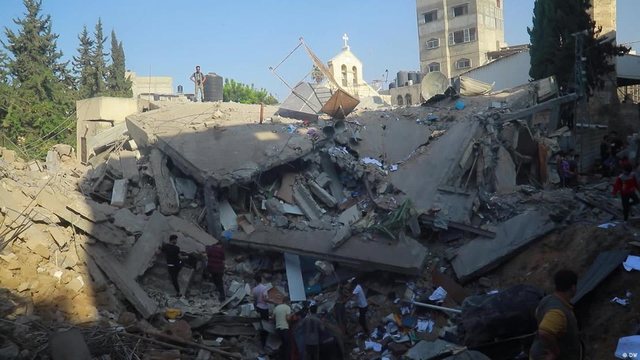
Israelis and Palestinians stake territorial claims to a swath of land stretching from the Mediterranean Sea to the Jordan. This land is half desert, with a length of 400 km and a width of 100 km. There are the holy places of Jews, Christians and Muslims. Since the establishment of the State of Israel in 1948, Israel and the Palestinians and neighboring Arab states have fought several wars. About 700,000 Palestinians left the country in 1948 alone or were expelled. In addition, by 1972, about 800,000 Jews fled Arab and North African countries after the Israeli-Arab war in 1948. To this day, parts of West Jordan are under Israeli occupation. Many Palestinians demand their own state, the return of refugees and the withdrawal from West Jordan and East Jerusalem of some of the 700,000 Israeli immigrants. "The occupation is the main problem," says political scientist Shihab. "The magic phrase for resolving the conflict would be - end the occupation."
For Israel, which is regularly exposed to Hamas attacks, recognition by other Arab countries and a guarantee of security are crucial. The magic sentence for Israel is different: only when terror ends, peace is possible. In both cases, the supporters of the hard line, who are not ready for concessions, have gained influence. The terrorist organization Hamas deprives Israel of its right to exist and prevents compromise. It controls the Gaza Strip since 2007.
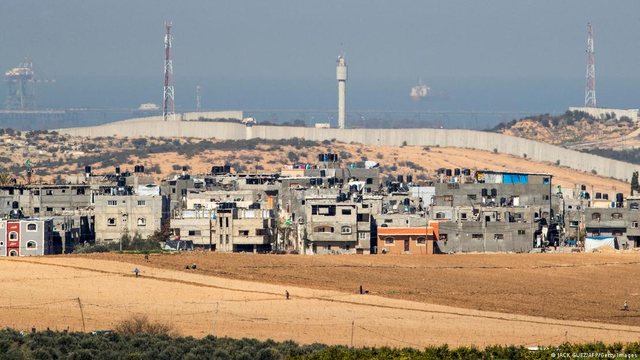
Experts warn of the expansion of the conflict throughout the region. But the opposite is also possible, says Margret Johannsen in a conversation with Deutsche Welle. The political scientist from Hamburg has long studied the conflict in the Middle East and still believes in a peaceful end. This despite so many dead due to Hamas terror and Israeli bombing in Gaza? "That's the terrible thing, that I can imagine that's going to be a wake-up call. And I hope it's heard."
According to Johannsen, a compromise is possible within three years. "The wounds must be healed. It can be hoped, that there are people who want to try for mediation. Without mediation it is impossible." Johannsen is of the opinion that China and African countries also have this responsibility.
For decades, the two-state solution was seen as the only way to end the conflict. As early as 1947 the United Nations proposed a partition plan for a Jewish state and an Arab state in Palestine. But the Arab states have rejected it.
With the Oslo Accords in 1993 it looked like a two-state solution was possible. The Israeli army withdrew from parts of West Jordan. A Palestinian Authority could administer a fifth of the territory, the Israelis kept control of the rest. But political provocations, assassinations, the construction of other entrenchments and especially the assassination of Prime Minister Rabin in 1995 destroyed the hope that a way could once be found for a two-state solution. Opponents of the agreement on both sides succeeded in blocking further agreements. "The two-state solution is still a good idea," says Israeli expert Mairav ??Zonzsein of the International Crisis Group. If it is viable it depends on the international community and both sides to invest capital, energy in its development. Today, many themselves no longer believe that this is possible."
According to a survey by the Pew Research Center, only every third Israeli considers a peaceful coexistence with an independent Palestinian state possible. 10 years ago, every second Israeli believed this. The survey was conducted in spring 2023. After the terror of Hama on October 7, 2023 this figure will have decreased even more. This is more or less the situation in Gaza and East Jerusalem, where the opinion institute, Gallup, conducted a survey before the terrorist attack by Hamas. There, only every fourth Palestinian believes in the two-state solution.
Political scientist Johanssen therefore speaks of a solution with the state. "Not now, right now the waves are too high. But going forward it would be something I would support." If Israelis and Palestinians live in one state, then it would not matter where the settlers would live, according to Johannsen.
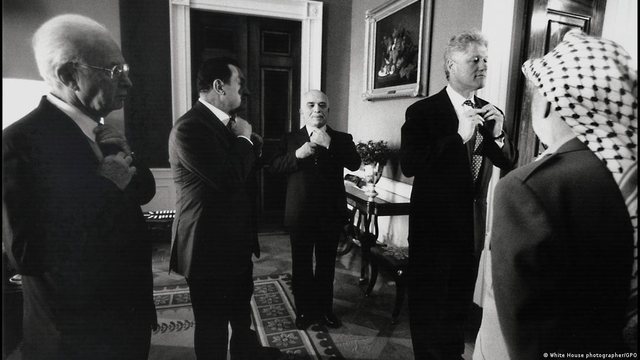
Three models for such a state are discussed so far: In addition to that of a unified state with a strong centrist government as in France, the federal model with a weak central government is also discussed. Such a state on the Belgian model, the Jewish and Palestinian regions would have expanded powers. In a confederation solution, it would connect territories with open borders, where the Israeli and Palestinian governments would be responsible for trade and external security.
But expert Pnina Sharvit Baruch sees this as impossible. "A unified territory with an equal number of Palestinians and Jews would be a recipe for civil war." Due to the "tremendous hostilities" between the two sides, Baruch believes this has been impossible since before the Hamas terrorist attack.
Nearly half of the residents in Israel, Gaza and Jerusalem and West Jordan are Arabs. Many Israelis fear that in a joint state with the Palestinians they would lose their identity as a Jewish state, even if the violence were to stop. For Israelis, identity as a Jewish state is of great importance, because post-Holocaust Israel emerged as a protective home for Jews throughout the world.
The conflict between Israelis and Palestinians has meanwhile become a synonym for an intractable problem. "So complicated it seems to many, it is actually very very simple", says despite this the expert Mairav ??Zonzsein. "We have two peoples, who must live in peace and security. And no kind of terror and no kind of military power have moved us forward. According to Zonzsein, peace is possible in the long term, only when both sides gain trust in each other. the other one. But for this the bleeding must stop first, which at the moment does not seem realistic./ DW

First, we must know that the war itself is not desired...
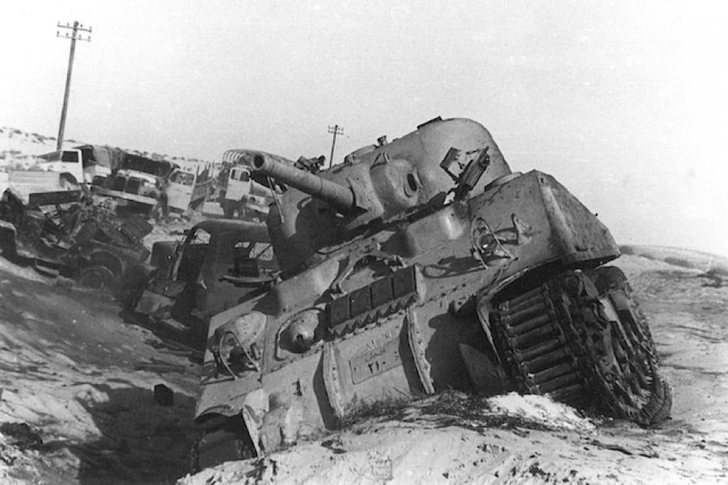
It is a misconception that the Cold War was a bloodless co...
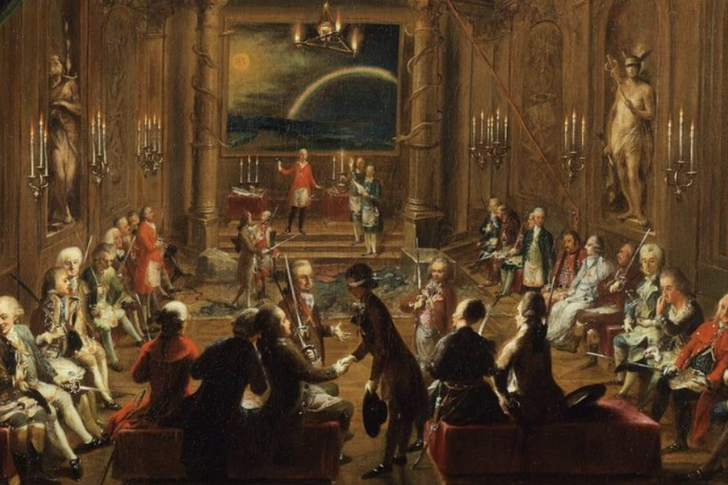
What do Rev. Jesse Jackson, George Washington, Wolfgang Am...
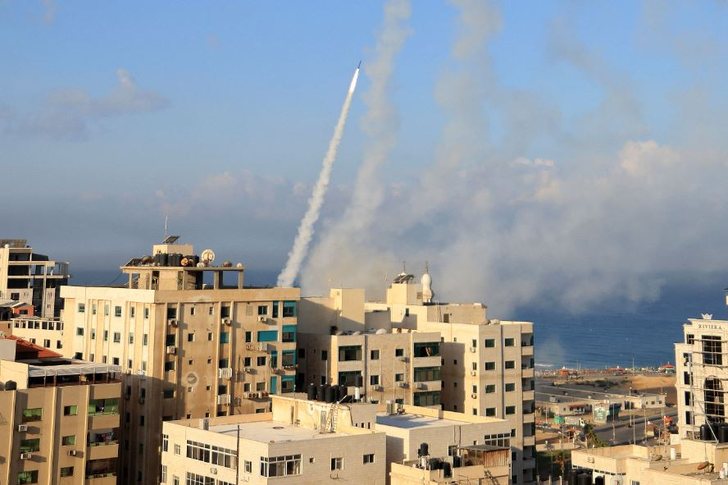
Konflikti Izrael-Palestinë po luftohet jo vetëm midis usht...
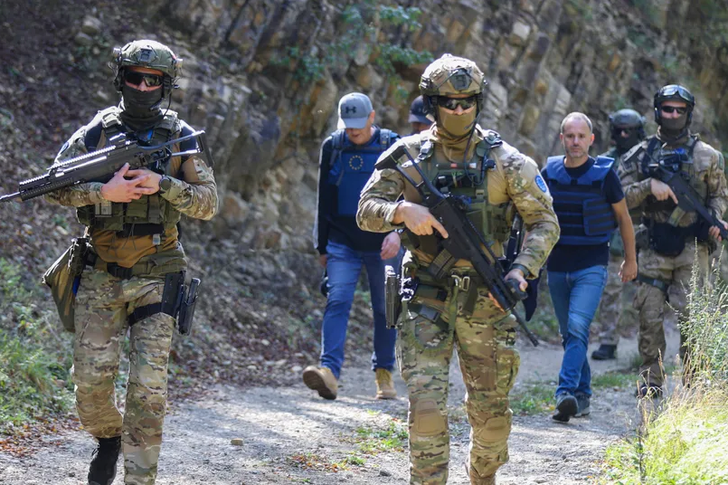
The autumn sun shines brightly on the forest path, along w...
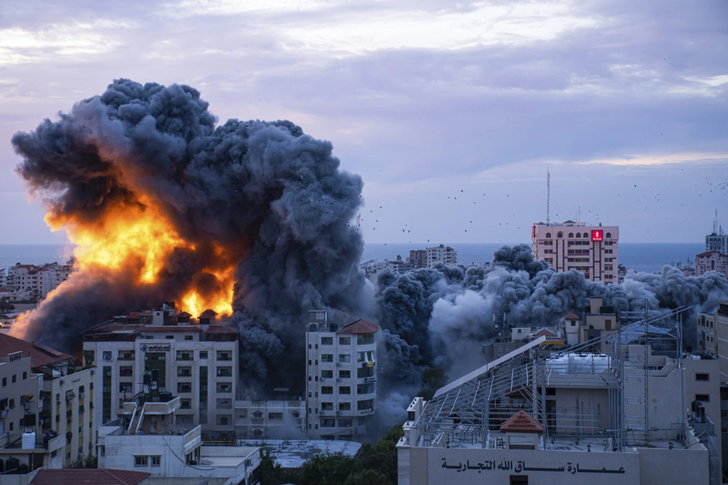
This week I had intended to write about the negotiations b...

From last-minute shopping at the supermarket, wrong or...

1967 - Bolivian forces execute renowned communist revoluti...
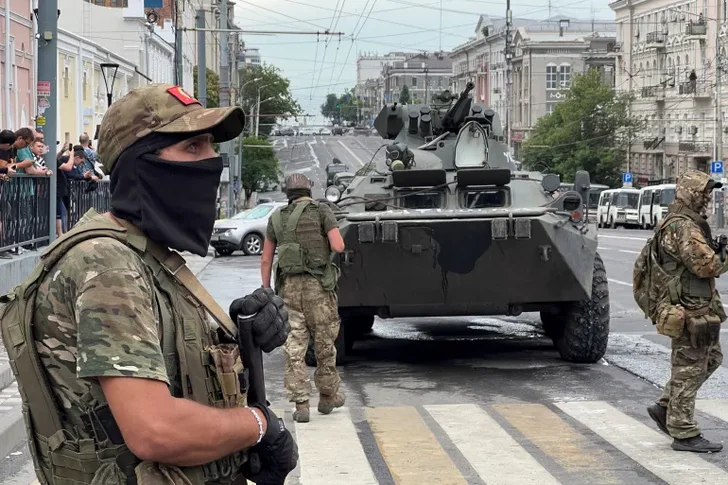
Whisper if you need to. Dare to think about it. In any cas...

Imagine if the US is no longer able, or simply unwilling, ...
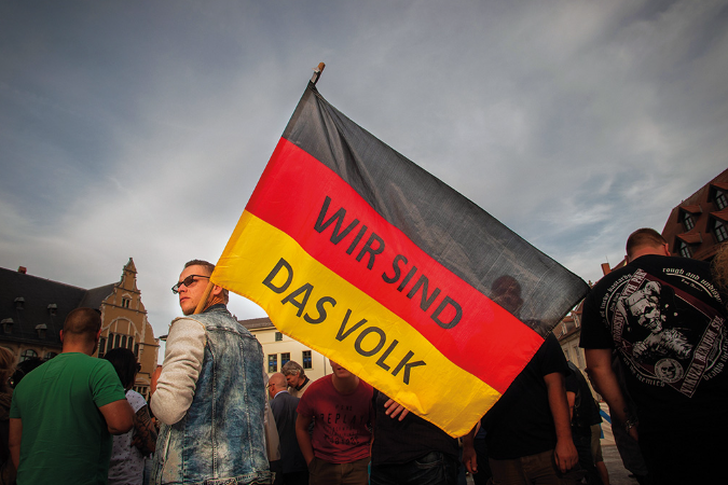
Since World War II, every 20 years or so Germany has b...
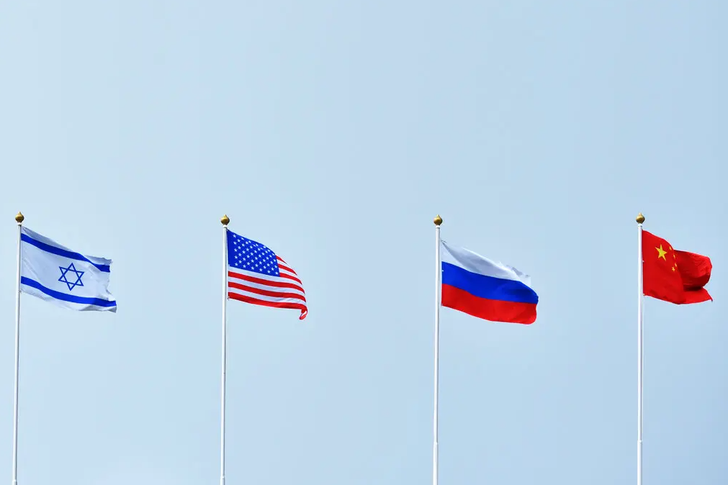
From the moment I learned that in 1947, Walter Lippman...

It is unclear why horns still remain a symbol of marit...
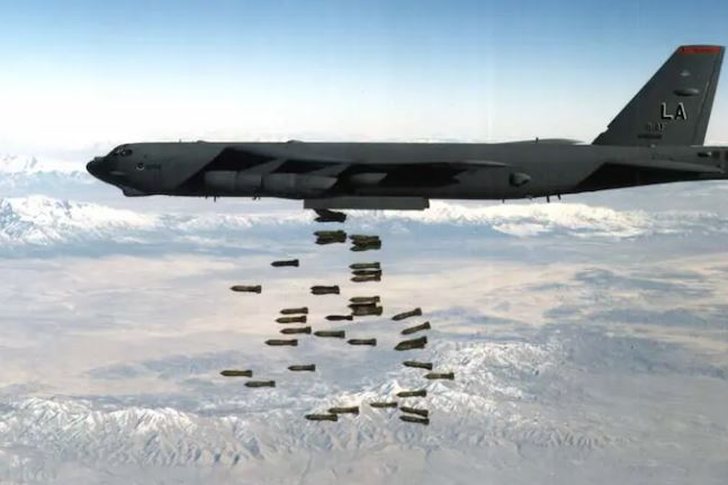
2001 - The United States launches the invasion of Afghanis...
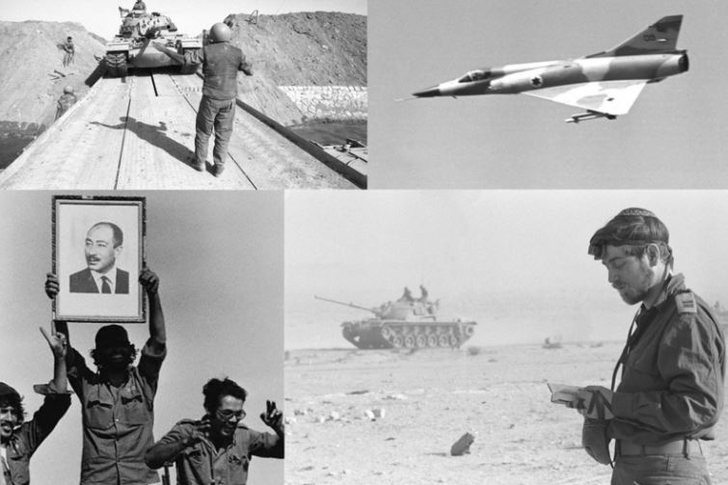
1973 - Lufta e Jom Kipur, çon në prag të konfliktit Sht...
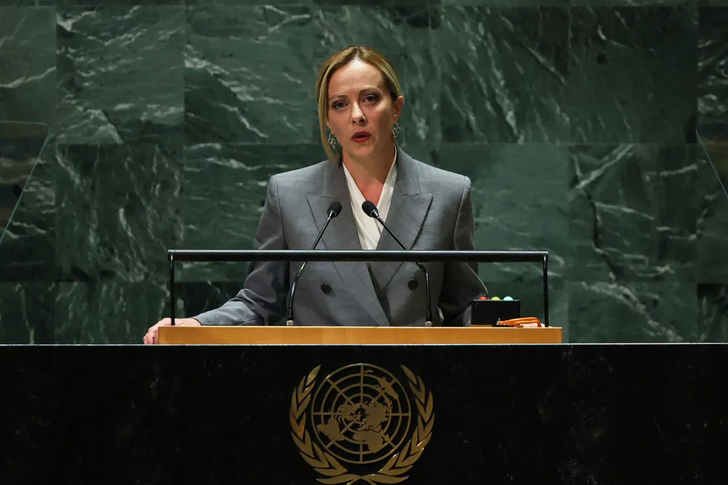
Is there really a plot to oust Giorgia Meloni as...

2011 - Vdes themeluesi i “Apple”, Stiv Xhobs Stiv Xhobs, ba...
Europeans scoffed when Donald Trump called them "evildoers...

The Kremlin is toasting and celebrating the victory in the...

Russia's invasion of Ukraine has caused a series of geopol...

CNA has launched another investigation that could lead to ...

Irfan Hysenbelliu is a businessman that we call "Irfan the...

In March 2026, CNA launched another investigation centered...
The arrested mayor of Tirana, Erion Veliaj, with 13 charge...

The Special Board of Appeal (KPA) decided this Monday ...

The KPA vetting decided this Thursday to dismiss the p...

Suela Salavaçi, a prosecutor in the Prosecutor's Offic...

The Special Board of Appeal reinstated the prosecutor ...

Citizen MH, 61, a fisherman, was found dead near the islan...

Another phase of the international operation, codenamed "T...

Police have arrested a 34-year-old woman at Rinas Airport ...

A serious accident has occurred on the Lezhë-Shëngjin axis...

Over 18,000 foreign citizens from 140 countries have appli...

This Wednesday, our country will be under the influence of...

All of Southern Europe will face changing weather conditio...

Albania was hit by temperatures significantly higher than ...

Prime Minister Andy Burnham has announced that most bus fa...

France's parliament has passed a law to ban social media f...

US Secretary of State Marco Rubio arrived in Manila on Jul...

In the space of a few days, Ukrainian President Volodymyr ...

At a time when industrial products are increasingly taking...

Trust among people is not just a three-syllable word. It c...

Master of humor Todi Llupi has passed away at the age of 7...

The ninth edition of "MIK Festival" kicked off with one of...

Businesses will no longer be required to simply register t...

Despite economic growth and income in recent years, Albani...

This Wednesday, one US dollar is bought for 81.4 lek and s...

Construction company licenses will have a validity period ...