

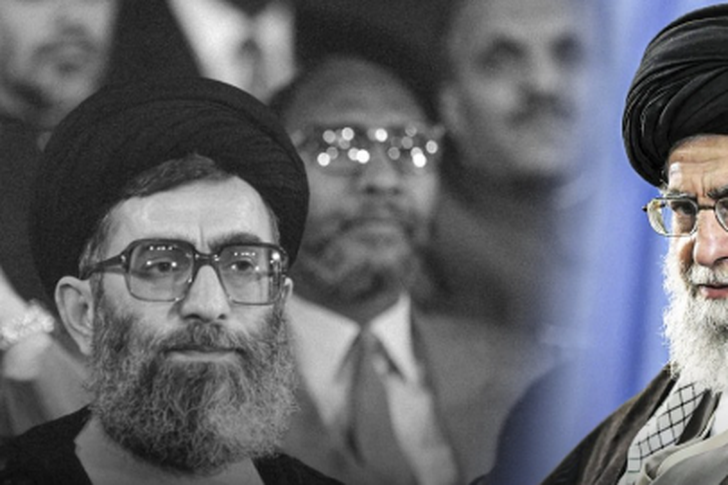
Sworn Enemy of the West/Who was Iran's Supreme Leader, Khamenei?
Ayatollah Ali Khamenei, Iran's Supreme Leader since 1989, ...


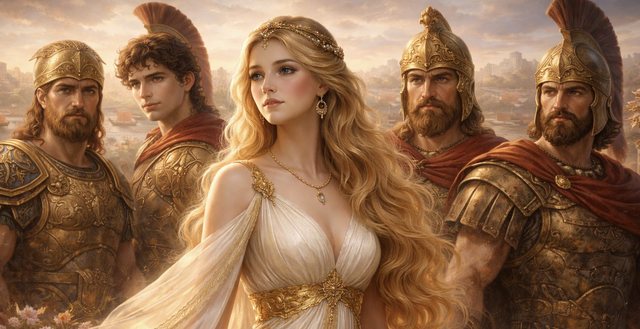
We all know the story. Helen of Troy, the face that launched a thousand ships. The most beautiful woman of the ancient world. The woman who was kidnapped. Or the woman who left willingly. Depending on which version you choose to believe.
In one story, the goddess Aphrodite promises Helen to Paris, the prince of Troy. There's just one small problem: she's married to Menelaus, the king of Sparta. Paris takes her away and... war breaks out. Ten years of blood, heroism, betrayal, burning cities.
In another version, less well-known but equally powerful, Helena is not a victim. She chooses herself. She falls in love and leaves with full will. A woman who abandons her marriage for a passion. But there is still a struggle...
Two versions. Two opposing moralities. But one conclusion: Helena is to blame.
If she is kidnapped, it is the cause of the war. If she chooses herself, it is the cause of the war. If she is a victim, it is the cause. If she is free, it is the cause.
It's a paradox that repeats itself with almost frightening precision: whatever she does, the narrative finds a way to turn her into the epicenter of disaster.
But let's stop for a moment and strip the myth from the poetry.
Helen of Troy and the war that mobilized kings
Was it really Helen who mobilized the kings of Greece? Was it she who raised the armies, who filled the ships with soldiers, who fed the wounded pride of men? Or did the war need a justification?
In the ancient world, a king's honor was a matter of power. Alliances between Greek kings were fragile and based on mutual oaths. When Helen married Menelaus, the other princes swore to protect her marriage. Not out of love, but out of political balance.
When she leaves, the romantic narrative is overshadowed by a colder reality: the men had a reason to fight. A perfect pretext to assert strength, to gain glory, to expand influence.
Helena became the story that made war visible and acceptable. Because it is easier to say “a beautiful woman started it all” than to admit that wars are born of ambition, ego, and the thirst for power. It is easier to personify a catastrophe in a face than to explain it in terms of structures, interests, and rivalries.
The myth is not just an old story. It is a model of thought. Helen becomes a symbol of temptation, of disorder, of the destruction that comes when the masculine order is shaken. She is a silent warning: a woman's choice can turn the world upside down.
But perhaps the truth is more naked. Wars do not start from love. They start from pride. They do not start from beauty, but they start from power.
Helen of Troy did not command an army
Helen may have been abducted. She may have been in love. She may have been simply a figure used by poets to make the story more dramatic. But one thing is clear: she did not command armies, she did not declare battles, she did not build the wooden horse.
Yet, for thousands of years, we continue to repeat the formula: "the Trojan War started because of Helen."
Maybe because it's a beautiful sentence. Or maybe because it makes us feel more comfortable. Because if Helena is to blame, then the men who burned the city are simply reacting. That's what myths do. /Bota.al

Ayatollah Ali Khamenei, Iran's Supreme Leader since 1989, ...

In recent months, social media has been awash with videos ...

What's it like to grow up as the children of dictators? Am...

Researchers have uncovered key insights about Saturn's mys...

The white streaks left by planes as they fly high in the s...

This February 24th marks the fourth anniversary of the Rus...

Estonia is building hundreds of bunkers along its eastern ...

The Chinese MSS, with 800,000 agents and global operations...

We live in a paradoxical age. Never before has humanity ha...

The psychology of the human mind tells us that there is a ...
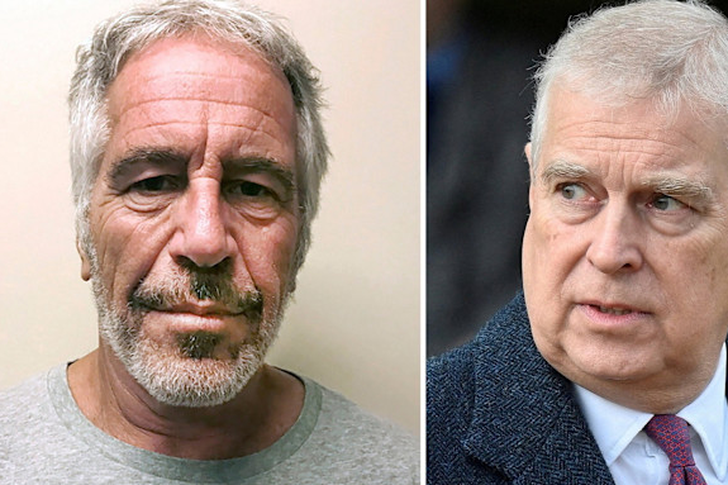
Prince Andrew of the United Kingdom and Jeffrey Epstein me...

The unprecedented buildup of US forces in the Mediterranea...
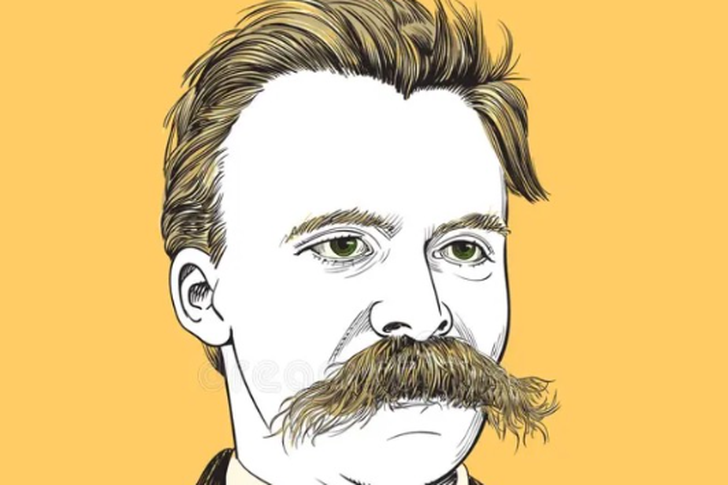
How did Friedrich Nietzsche analyze the origins of moralit...

Jeffrey Epstein's network included politicians, billionair...
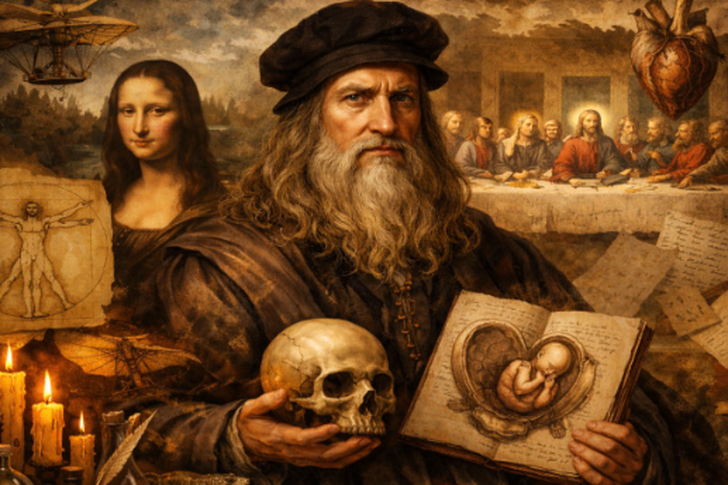
Leonardo da Vinci was not just a Renaissance genius. He wa...
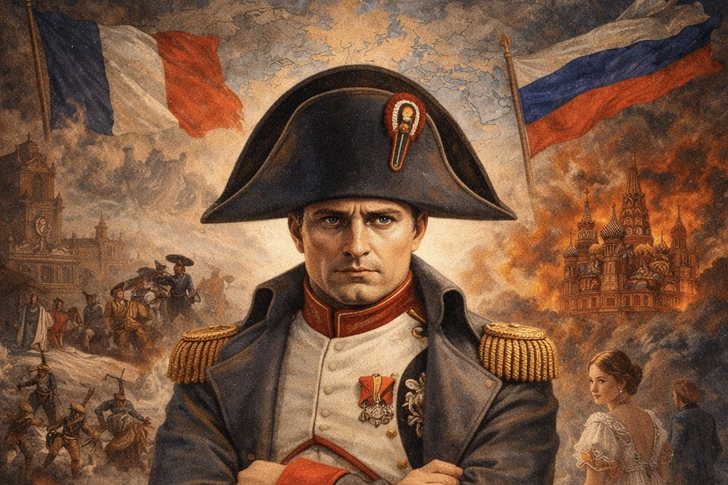
Few people in history have left such a profound mark as Na...
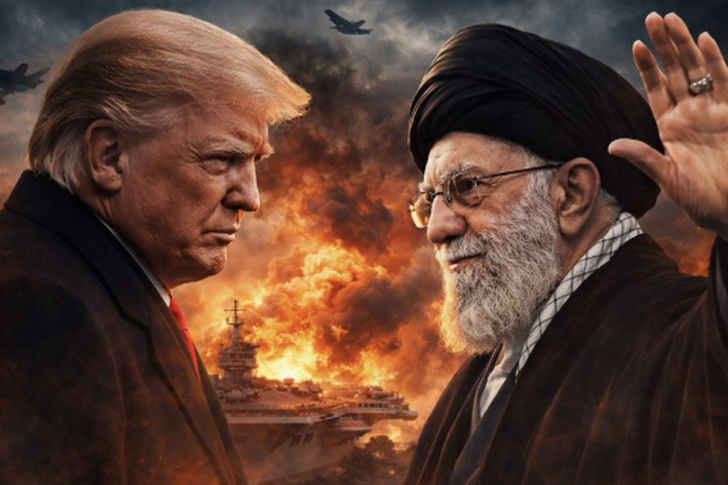
US attack on Iran? The situation seems to be moving toward...
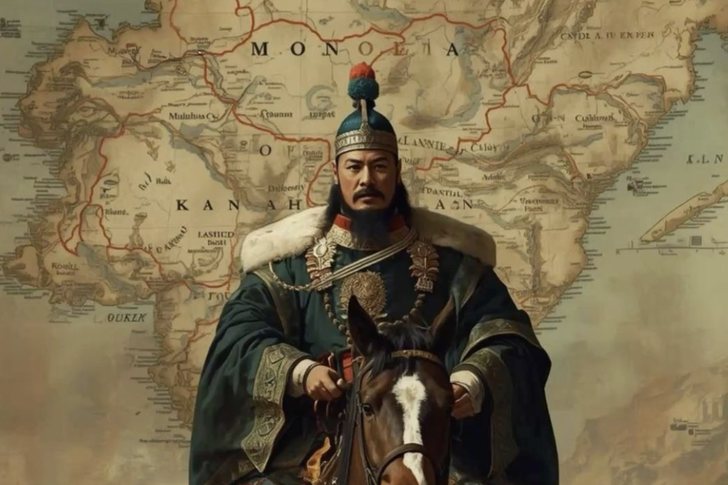
There are figures in human history who are not simply conf...

Many of us live our lives assuming that what we see is the...

Jonathan, a giant tortoise from the Seychelles, is conside...

A complaint to CNA also led to the publication of several ...

A mountain of documents for a flagrant case, in the na...

The Democratic Party has denounced a tender held by the Hi...

Since the summer of 2020, the Mayor of Tirana, Erion Velia...

The Special Board of Appeal (KPA) decided this Monday ...

The KPA vetting decided this Thursday to dismiss the p...

Suela Salavaçi, a prosecutor in the Prosecutor's Offic...

The Special Board of Appeal reinstated the prosecutor ...

It is reported that an accident occurred this evening in V...

A road accident occurred this afternoon in the former Këne...

A Border Police operation came to the aid of a citizen who...

It is reported that a person drowned this afternoon on the...

Turkish police said on Tuesday they had arrested more than...

Today, our country will be affected by relatively stable w...

Albania is facing significant challenges in human capital ...
On Monday, our country will be affected by relatively stab...
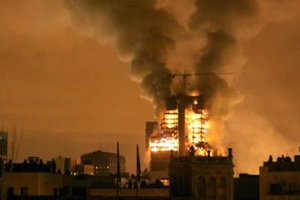
A fire has broken out in a business district in Madrid, ho...

Since the release of a memorandum of understanding last we...

US Secretary of State Marco Rubio assured today that Iran ...

US President Donald Trump will present the trophy to the w...

The promotion of the book by author Aleksandër Ikonomidhi ...

The Albanian Embassy in Switzerland has organized an eveni...

This Wednesday, the prominent actor of Albanian cinema, Gj...

Several archaeological excavations conducted during this s...

The labor market in Albania continues to be characterized ...

The two most frequently mentioned economic engines are con...

If you want to take the pulse of the economy, it's not eno...

One of the topics that has most shaken the economy is the ...