


Erion Veliaj's shadows in protest
Veliaj through Arta Dade rejects Edi Rama'...

Veliaj through Arta Dade rejects Edi Rama'...

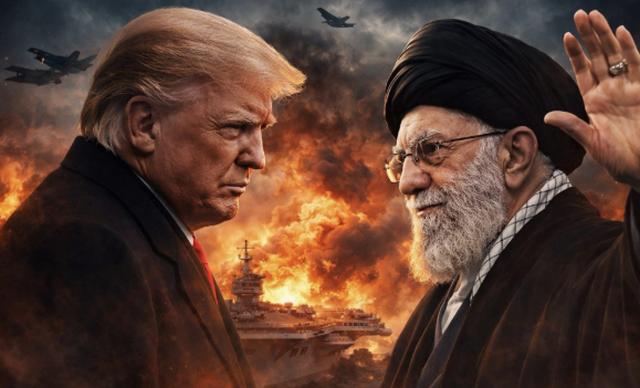
US attack on Iran? The situation seems to be moving towards a strike on Tehran. For weeks, Washington has significantly increased its military presence in the Middle East, appearing ready to amass more air power in the region than at any time since the invasion of Iraq in 2003.
The US's Arab allies in the Persian Gulf have reportedly warned of the unpredictable consequences of an attack, fearing a "boomerang effect" that would fall upon them.
So even if the military objectives are relatively predictable, the ultimate consequences are not. If negotiations fail and President Donald Trump decides to order an attack, these are the 7 most discussed scenarios.
1) US attacks Iran: few civilian casualties… and a transition to democracy
In this scenario, US air and naval forces conduct limited and precise strikes on key targets: Islamic Revolutionary Guard Corps (IRGC) bases, the Basij paramilitary unit, ballistic missile depots and launchers, as well as elements of the nuclear program.
The “ideal” outcome would be the overthrow of an already weakened regime and a slow transition to a functioning democracy, where Iran could rejoin the world. But this is a very optimistic scenario: Western interventions in Iraq and Libya did not produce smooth transitions. They toppled dictatorships, but also ushered in years of chaos, bloodshed, and institutional fragmentation.
2) The regime survives, but softens
This could be called the “Venezuelan model”: swift and forceful American action leaves the regime standing, but forces it to soften its policies.
In the case of Iran, this would mean that the Islamic Republic survives (which would not please many Iranians), but is forced to limit support for militias in the region, curb its nuclear and missile programs, and reduce its repression of protests.
Even this scenario is seen as less likely, because the Iranian leadership has remained unwavering for decades. Supreme Leader Ali Khamenei, now in his late teens, is often described as extremely resistant to compromise.
3) The regime collapses, but is replaced by military rule
Many analysts see this as one of the most likely scenarios. Although the regime is unpopular and has been weakened by waves of protests, there is an organized and entrenched “deep state” in Iran with a vested interest in preserving the status quo. The IRGC, for example, also has broad influence over the economy.
One reason the protests have not yet brought down the regime is the lack of large-scale defections from within the security apparatus, as well as the regime's willingness to use extreme force. In the chaos following an attack, it is possible that the country could end up under a strong military government, dominated by IRGC figures.
4) Iranian retaliation against US bases, Arab neighbors, and Israel
This scenario is considered very likely. Iran has warned that it will respond to any attack, and the leadership's rhetoric has been clear: "the finger is on the trigger."
Although Iran cannot rival the power of the US Navy and Air Force, it can strike with its arsenal of ballistic missiles and drones, many of which may be hidden in caves, underground or in mountainous areas.
There are US bases on the Arab side of the Gulf (e.g. in Bahrain and Qatar), but Iran could also target critical infrastructure in countries it considers allies, such as Jordan, or Israeli targets. The 2019 attack on Aramco facilities in Saudi Arabia (attributed to a group linked to Iran) showed how vulnerable the Gulf powers are as well.
5) Mining the Gulf and the threat to Hormuz
Another form of retaliation would be the placement of naval mines in the Persian Gulf, a known threat since the Iran-Iraq war (1980–1988), when shipping lanes were mined and extensive clean-up operations were required.
The Strait of Hormuz, between Iran and Oman, is a strategic “bottleneck.” A large portion of oil and liquefied natural gas (LNG) passes through it. Any disruption would hit global trade and push energy prices higher.
The paradox: the biggest loser would be Iran itself, because it too depends on oil exports for revenue, as do its main customers in Asia, especially China.
6) Iran sinks an American ship
A more frightening (though less likely) scenario is the sinking of a US ship, through what is called a “swarm attack”: many explosive drones and fast torpedo boats aiming to overcome the ship’s close defenses.
The IRGC's naval forces have long been trained for asymmetric warfare: not to defeat American technology in the classical way, but to find holes, create chaos, and produce symbolic strikes.
A sunk ship and the capture of survivors would be a major humiliation for the US and would prompt a very harsh response. History has tragic precedents: the USS Cole was attacked in Aden in 2000, while the USS Stark was hit in 1987 in the Persian Gulf.
7) Collapse of the regime and prolonged chaos
This is the “Syrian-Libyan” risk: the collapse of the regime without a clear successor plan. It could mean civil war, state fragmentation, and the eruption of ethnic tensions, as minorities (Kurdish, Baluchi, Azerbaijani, and others) seek to protect their communities in a power vacuum.
Many regional actors would like the end of the Islamic Republic, especially Israel, which sees Iran as an existential threat. But almost no one wants the Middle East's most populous country (about 93 million people) to descend into chaos, because that would lead to a domino-effect humanitarian and refugee crisis.
The greatest danger is that a war will begin without a "clear end": a campaign that begins with obvious objectives, but ends in a spiral of retaliation and escalation, with unpredictable consequences for the entire region, and for the world. / BBC – Bota.al

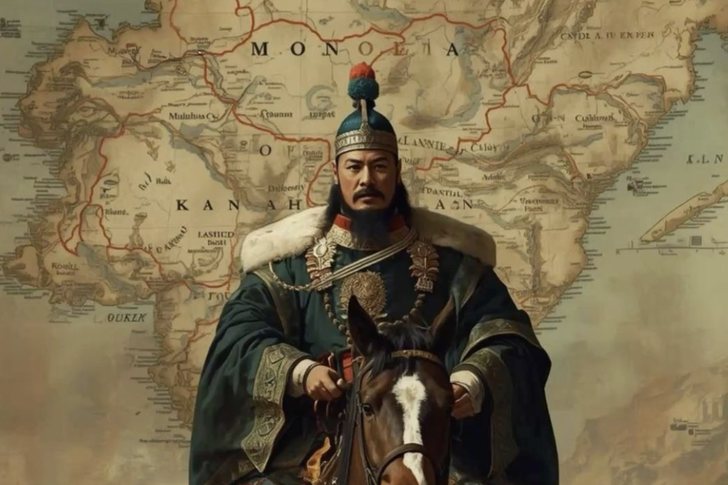
There are figures in human history who are not simply conf...

Many of us live our lives assuming that what we see is the...
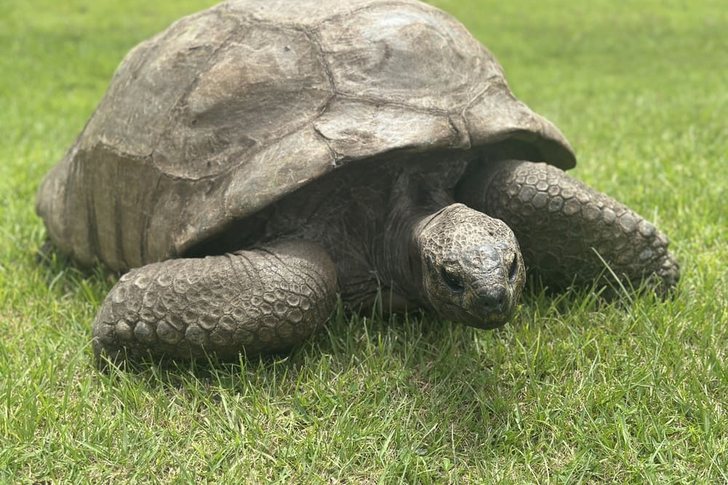
Jonathan, a giant tortoise from the Seychelles, is conside...
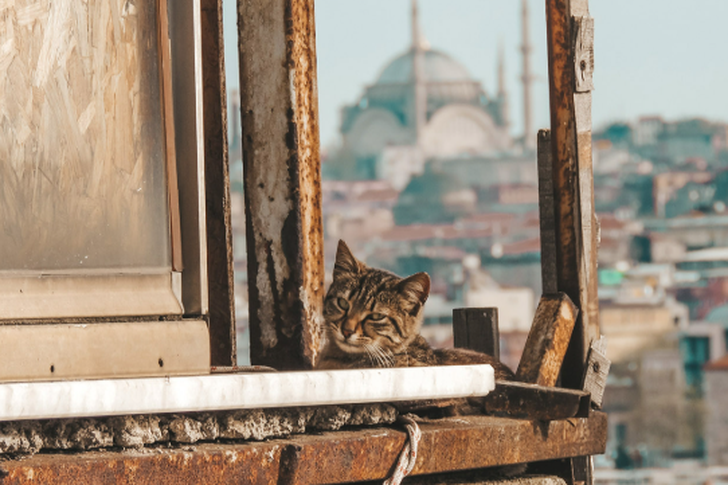
From Ottoman cat "keepers" to modern street watchmen, Ista...

"In the age of Artificial Intelligence, humanity is increa...
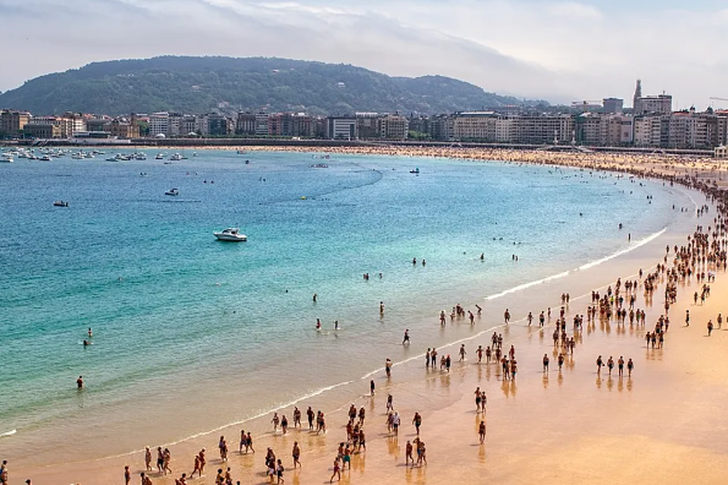
New beach rules in San Sebastian should come into effect b...

Tea originated in ancient China, with its earliest use as ...

Perfume is a powerful way to express personality, style, a...

Ginseng is a widely known medicinal plant that has been pa...
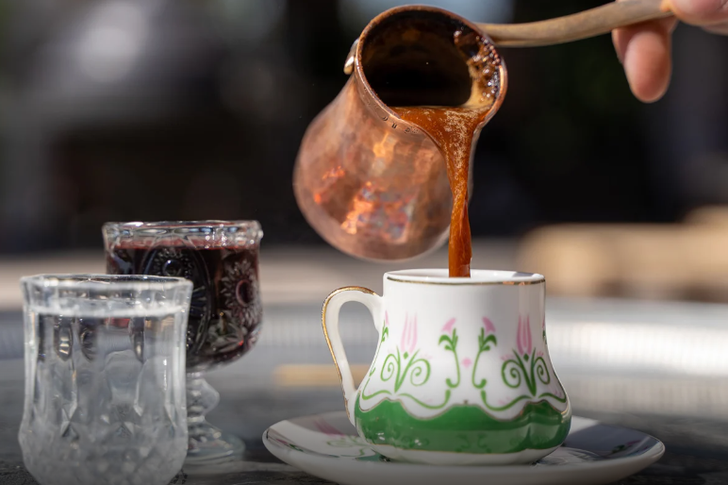
To call Turkish coffee "just a drink" certainly understate...
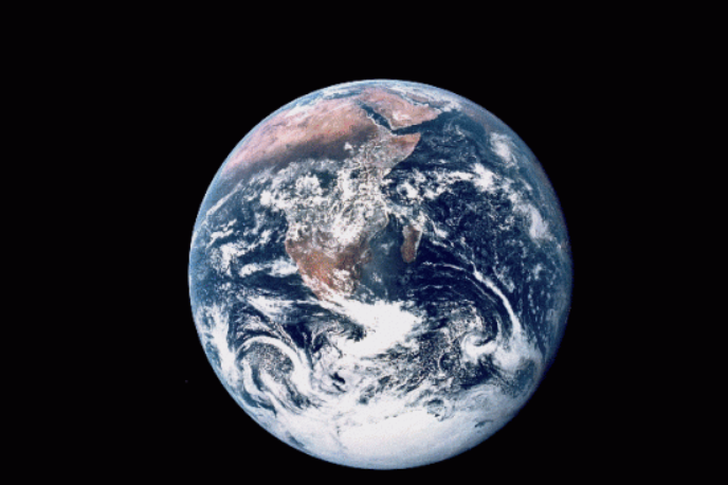
NASA has discovered that since 2020 there has been an asym...
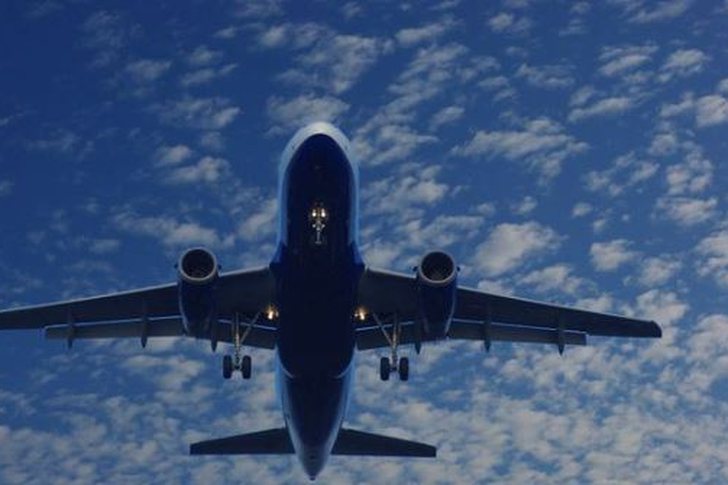
This year's season has been extremely challenging for ...
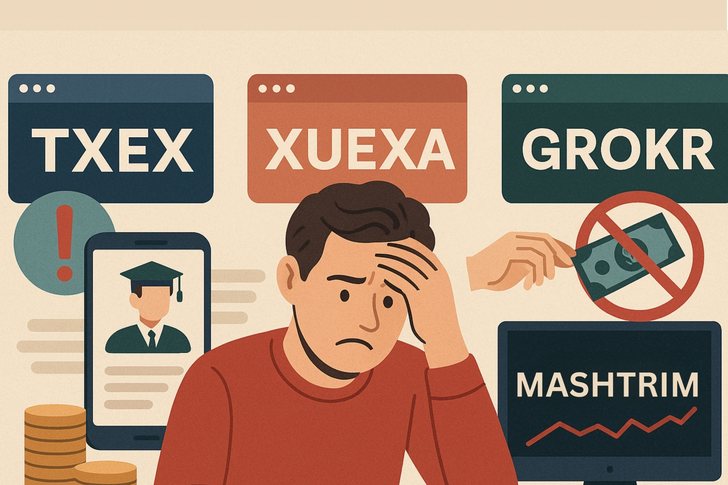
An ordinary morning. A message comes to your phone from an...
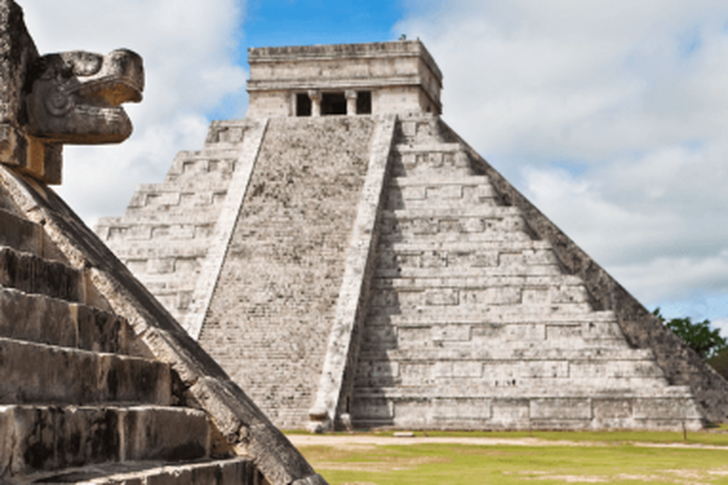
The disappearance of the Mayan civilization is a question ...
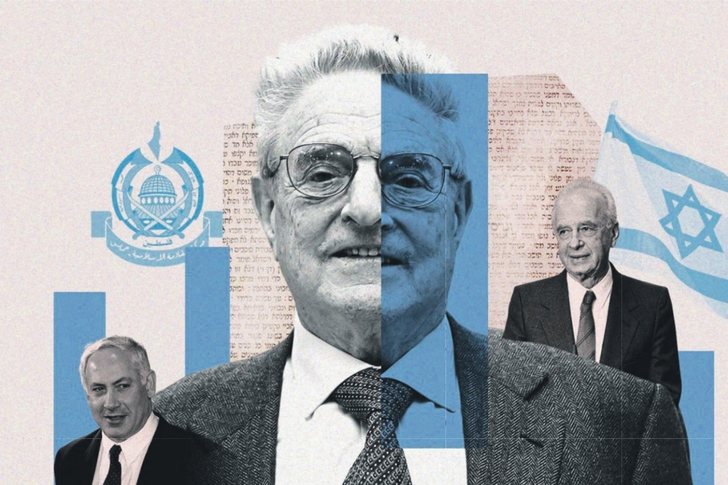
György Schwartz was born in Hungary in 1930 to an Ashkenaz...
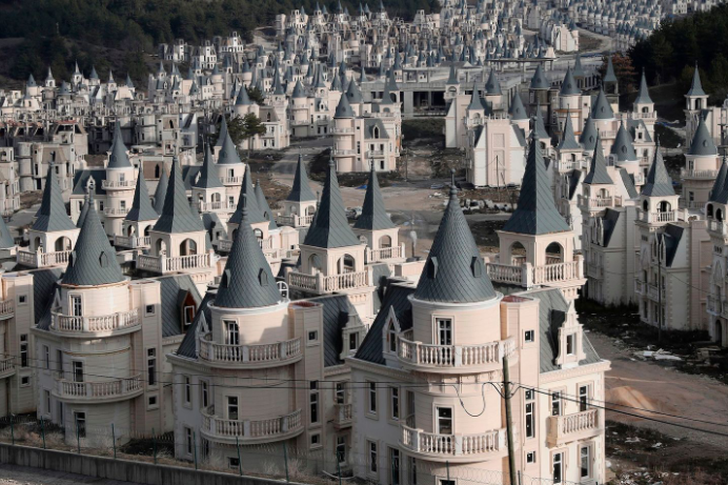
Burj Al Babas mund të jetë qyteti më i çuditshëm në botë. ...
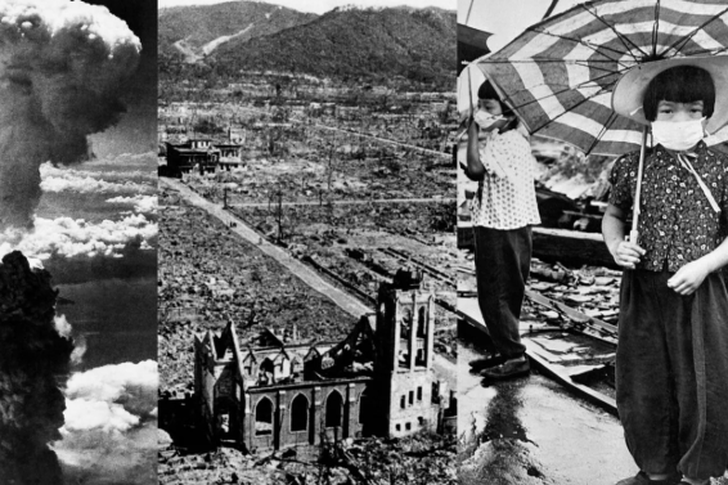
The first atomic bomb in Hiroshima Hiroshima after the dr...
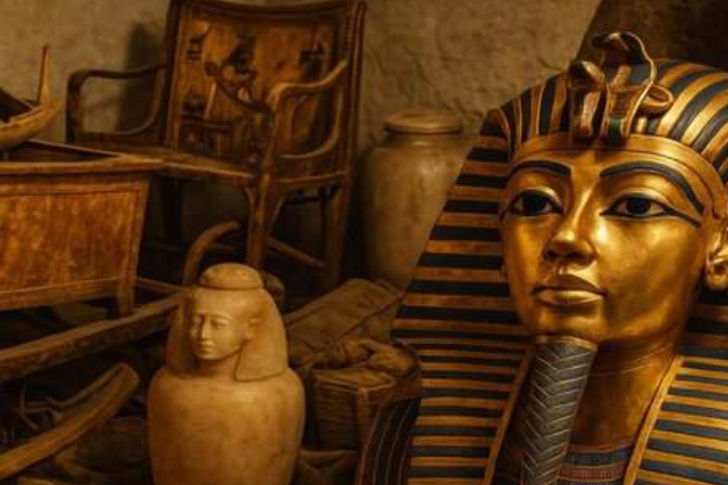
The discovery of King Tutankhamun's tomb in 1922 captivate...
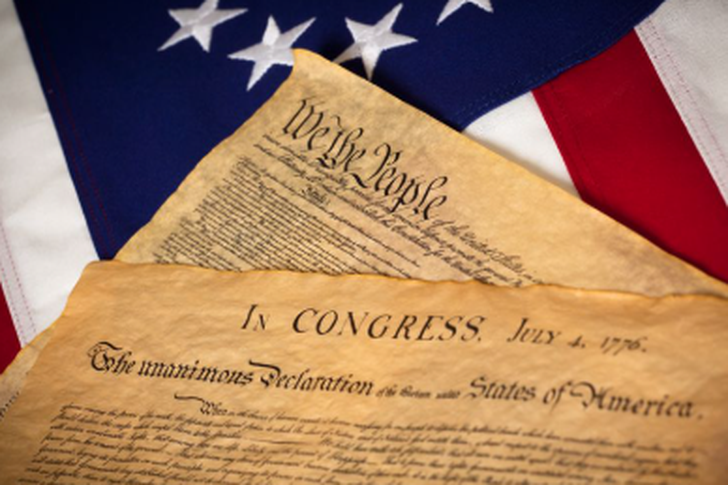
July 4th marks Independence Day in the United States of Am...
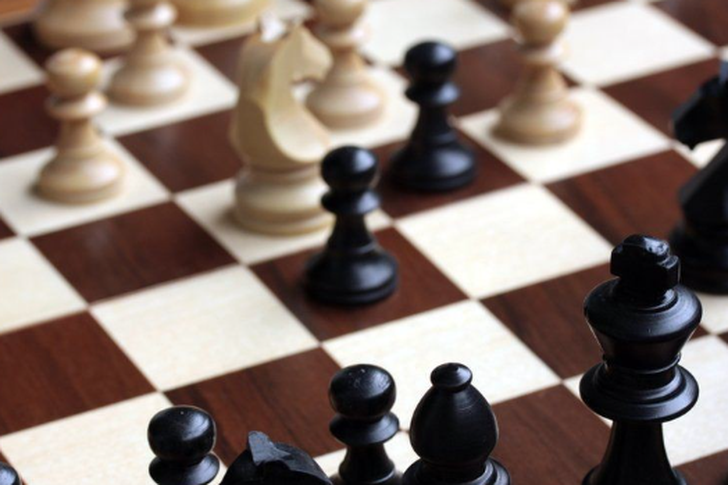
The history of chess can be traced back nearly 1,500 years...

There have been 12 days of protests in the capital, which ...
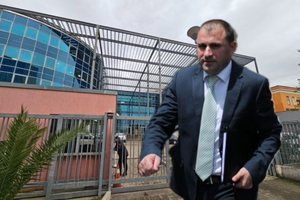
Dritan Prençi is the SPAK prosecutor who is sleeping on th...
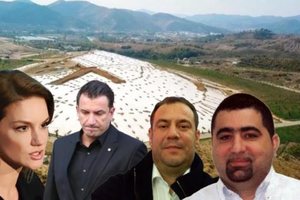
The in-depth investigations that SPAK conducted into Ajola...
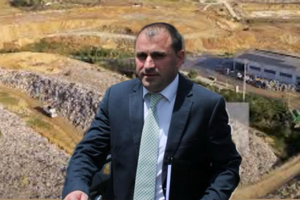
SPAK's standards, the way it investigates, how it secures ...

The Special Board of Appeal (KPA) decided this Monday ...

The KPA vetting decided this Thursday to dismiss the p...

Suela Salavaçi, a prosecutor in the Prosecutor's Offic...

The Special Board of Appeal reinstated the prosecutor ...

Policia e Vlorës ka finalizuar operacionin e koduar “Sigur...

New details have emerged regarding the serious accident th...

An Albanian businessman was arrested this afternoon in Gre...
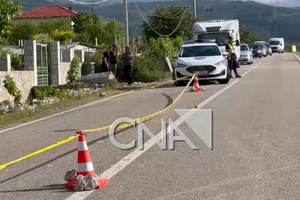
A serious accident has occurred on the Korça-Ersekë axis, ...

Today our country will be affected by stable weather condi...
A tragic accident occurred this Friday afternoon in Kameni...

Today our country will be affected by unstable weather con...

On Thursday, our country will be affected by relatively un...
Good news for those who fly: After years of negotiations, ...
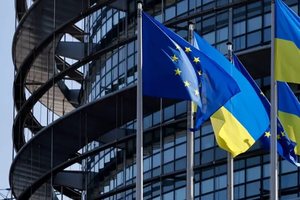
It took more than two years, but now the EU can begin acce...
US President Donald Trump announced that the US military h...
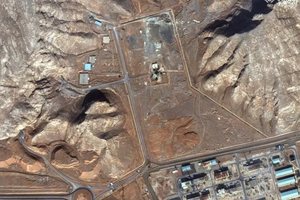
Iran has taken new measures to strengthen the protection o...
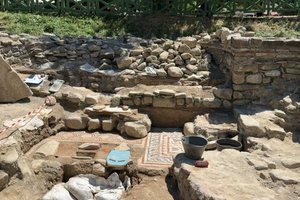
Several archaeological excavations conducted during this s...

At the Museum of Fine Arts in Chambéry, France, an exhibit...

Korça has transformed this weekend into the capital of cel...

Korça is ready to open the summer season with one of the c...

This Saturday, one US dollar is bought for 81.5 lek and so...
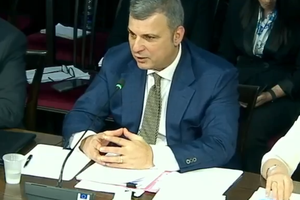
The Governor of the Bank of Albania, Gent Sejko, shared to...

Business lending has increased in the first half of this y...

The labor market has shown worrying trends in early 2026. ...