


Armë, kokainë dhe cannabis në zonat bregdetare/ Arrestohen dy persona
Policia e Vlorës ka finalizuar operacionin e koduar “Sigur...

Policia e Vlorës ka finalizuar operacionin e koduar “Sigur...


Many of us live our lives assuming that what we see is the only possible reality. But studies in psychology and neuroscience show that our perception is an interpretation of the brain, influenced by our culture, upbringing, experiences and beliefs. In fact, our brain uses only a small part of the information we receive from our senses and fills in the gaps with our expectations and assumptions.
This means that what we see is not always what happens, and one person's perception can be completely different from another's perception, even when both are in the same situation.
Perception: an interpretation, not an absolute reality
In psychology, perception is understood as a sensory and conscious experience that interprets and organizes the information we receive from the senses. It is not simply related to seeing, hearing, or touching, but to giving meaning to what we see or experience.
The filters that shape our perception include:
The culture we grew up in
Our values ??and beliefs
Previous experiences and life expectations
Family and social models.
In this way, we are not objective cameras that record reality; we are constant interpreters of it. Furthermore, according to various studies, our brain uses only a small percentage of the information coming from the senses, giving priority to what it thinks is important.
Magic and perceptual illusions: an example of the power of the brain
Magic tricks and perceptual illusions are great examples of how perception works. Magicians use our ability to direct attention to create illusions while the more important information is happening elsewhere.
We tend to automatically make cause-and-effect relationships: we assume that an action caused an event, even when it didn't. In everyday life, we do the same thing, drawing snap conclusions based on limited data:
"My mother doesn't hug me, so she doesn't love me."
“My partner didn’t kiss me today; he must be angry.”
These interpretations are often inaccurate because we forget other factors and the context of the situation. In reality, the cause of our distress is often our interpretation, not the event itself.
The predictive brain and perceptual simulation
The perceptual system functions predictively: the brain not only reacts to what happens, but also fills in the gaps and predicts reality according to its expectations.
In neuroanatomical terms, the connections that send information from the brain to the eye are more numerous than those that go from the retina to the brain. This shows the extraordinary power of our interpretive system: what we see is a mixture of what comes from the outside and what is expected from the inside.
Our experiences depend not only on external events, but on how we interpret them. Blind faith in our perception can create behavioral loops and block new opportunities, repeating the same results.
Positive reframing: changing the frame
In psychotherapy and positive psychology, positive reframing is a technique that helps people change their perspective on difficult situations. The goal is not to minimize the problem, but to open up the possibility of seeing new dimensions and resources that we might have overlooked.
For example: a chronic diagnosis may initially be seen as the end of everything. Through reframing, it can be seen as a challenge to manage the situation with new tools, focusing attention on resources, support, and strategies to maintain quality of life.
This approach, also developed by Martin Seligman and positive psychology, does not require naive optimism, but expands perception to include resources, strengths, and opportunities that we often forget.
Attentional flexibility and intentional perception
What we give importance to has a huge impact on our perception. If we are fixated on problems, failures, or negative news, our brain will only focus on those things, leaving anything positive or constructive in the background.
Mindfulness training is an intentional process: by observing kind gestures, smiles, nature, or acts of care in everyday life, we can form a more balanced and joyful perspective.
Two eyes to see the world
The contemplative tradition shows that we have two ways of seeing:
The outer eye – for sensory perception and reasoning, which captures colors, shapes, and movements.
Inner eye – for awareness, calmness, and perception of deeper meanings.
When these two eyes work together, perception becomes richer, more balanced, and helps with better relationships and clearer decision-making.
Daily practices to change perspective
We don't have to wait for a crisis to learn to see differently. Some small, everyday practices can help:
Distance yourself from problems to clarify emotions.
Listen to different perspectives, even when you don't share them.
Put yourself in the other person's shoes by imagining different mental roles.
Accept that you can't control everything and let go of perfectionism.
Distinguish objective facts from the stories you tell yourself, avoiding unnecessary dramatization.
Reality as a reflection of our filters
Learning to see the world differently is not just a psychological skill – it's a way to transform your life. Changing our perception, attention, and internal beliefs can change the way we experience events, even when external reality doesn't change.
As experts say: the life we ??experience reflects our internal filters, and by transforming them, we can create a richer, more flexible, and happier experience./ CNA


Jonathan, a giant tortoise from the Seychelles, is conside...

From Ottoman cat "keepers" to modern street watchmen, Ista...

"In the age of Artificial Intelligence, humanity is increa...

New beach rules in San Sebastian should come into effect b...

Tea originated in ancient China, with its earliest use as ...

Perfume is a powerful way to express personality, style, a...

Ginseng is a widely known medicinal plant that has been pa...

To call Turkish coffee "just a drink" certainly understate...

NASA has discovered that since 2020 there has been an asym...

This year's season has been extremely challenging for ...
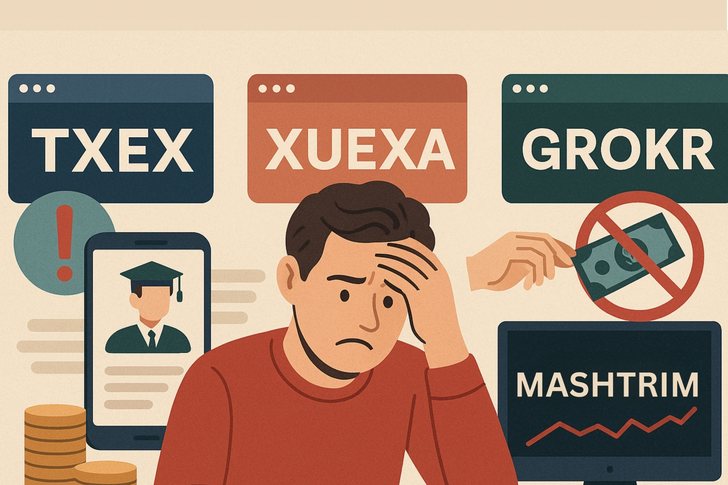
An ordinary morning. A message comes to your phone from an...

The disappearance of the Mayan civilization is a question ...
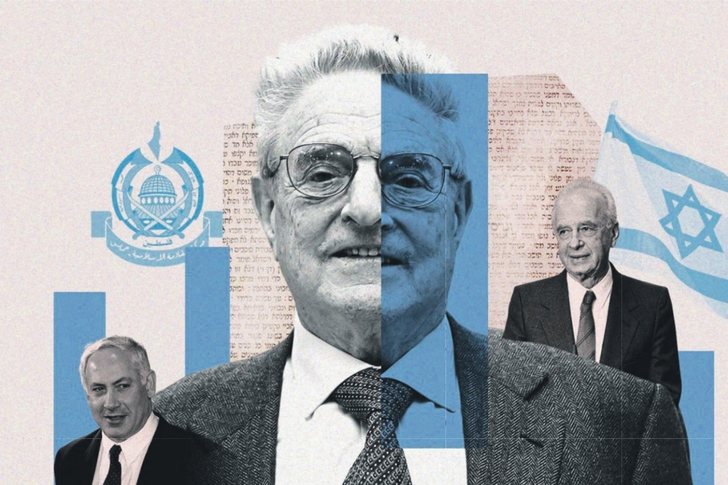
György Schwartz was born in Hungary in 1930 to an Ashkenaz...

Burj Al Babas mund të jetë qyteti më i çuditshëm në botë. ...
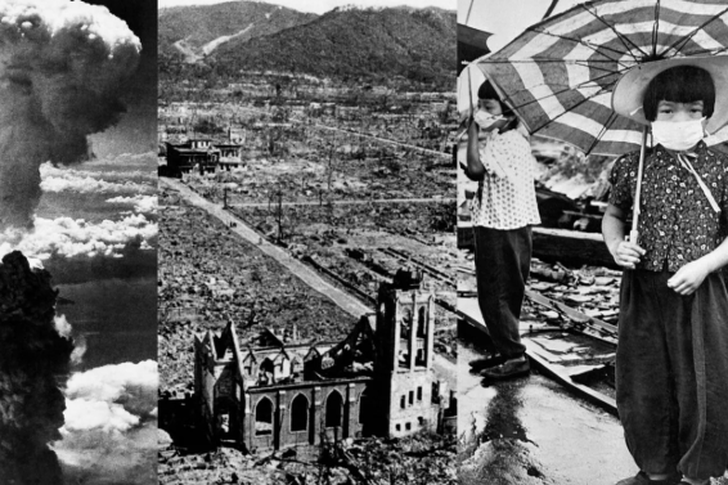
The first atomic bomb in Hiroshima Hiroshima after the dr...
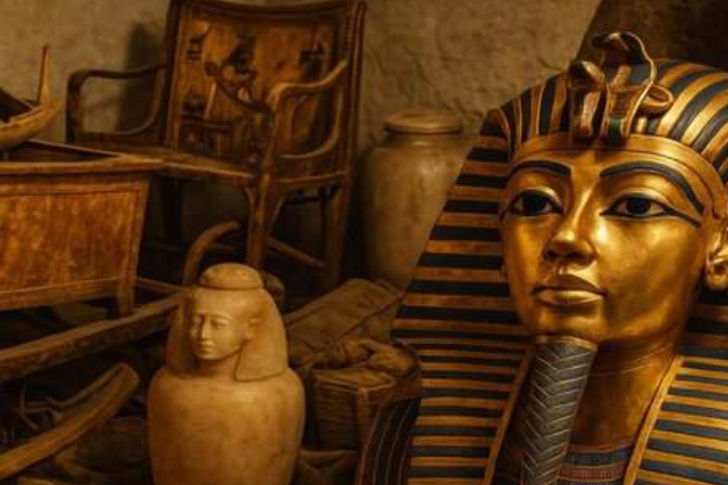
The discovery of King Tutankhamun's tomb in 1922 captivate...

July 4th marks Independence Day in the United States of Am...
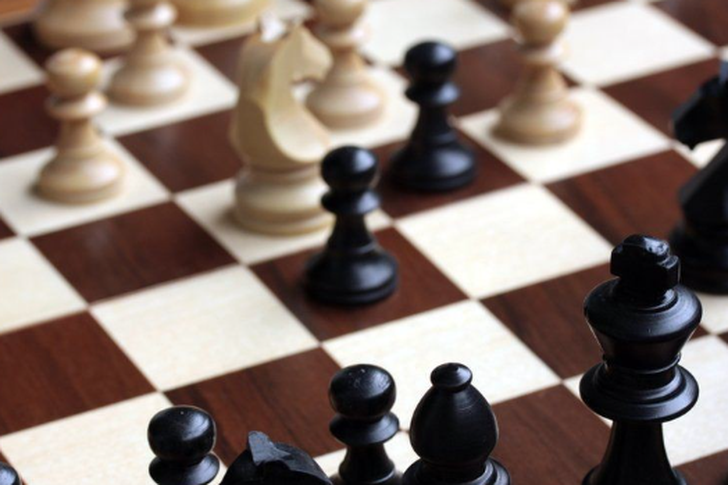
The history of chess can be traced back nearly 1,500 years...

Years of tensions between Israel and Iran have escalated i...

The Northrop B-2 Spirit, also known as the Stealth Bomber,...

There have been 12 days of protests in the capital, which ...
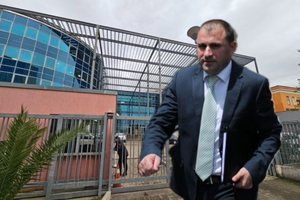
Dritan Prençi is the SPAK prosecutor who is sleeping on th...
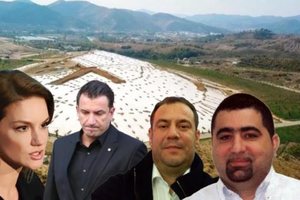
The in-depth investigations that SPAK conducted into Ajola...

SPAK's standards, the way it investigates, how it secures ...

The Special Board of Appeal (KPA) decided this Monday ...

The KPA vetting decided this Thursday to dismiss the p...

Suela Salavaçi, a prosecutor in the Prosecutor's Offic...

The Special Board of Appeal reinstated the prosecutor ...

Policia e Vlorës ka finalizuar operacionin e koduar “Sigur...

New details have emerged regarding the serious accident th...

An Albanian businessman was arrested this afternoon in Gre...

A serious accident has occurred on the Korça-Ersekë axis, ...

Today our country will be affected by stable weather condi...

A tragic accident occurred this Friday afternoon in Kameni...

Today our country will be affected by unstable weather con...

On Thursday, our country will be affected by relatively un...

Good news for those who fly: After years of negotiations, ...
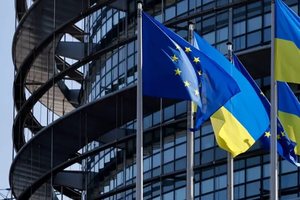
It took more than two years, but now the EU can begin acce...
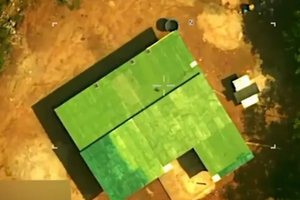
US President Donald Trump announced that the US military h...

Iran has taken new measures to strengthen the protection o...

Several archaeological excavations conducted during this s...
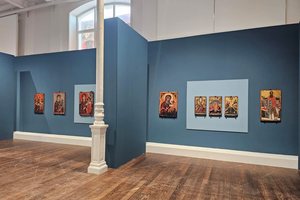
At the Museum of Fine Arts in Chambéry, France, an exhibit...

Korça has transformed this weekend into the capital of cel...
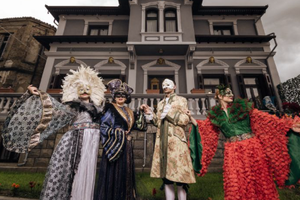
Korça is ready to open the summer season with one of the c...
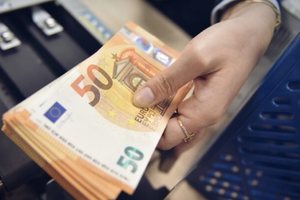
This Saturday, one US dollar is bought for 81.5 lek and so...
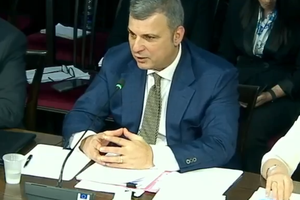
The Governor of the Bank of Albania, Gent Sejko, shared to...

Business lending has increased in the first half of this y...

The labor market has shown worrying trends in early 2026. ...