


When the promise of big profits turns into a nightmare: The TXEX, Xuexa and Grokr scams
An ordinary morning. A message comes to your phone from an...


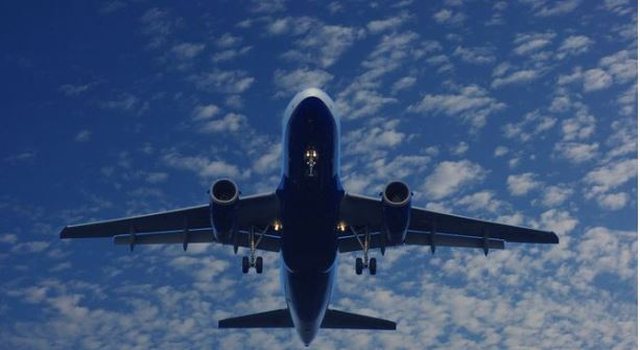
This year's season has been extremely challenging for travelers and airlines in Europe. Strikes by ground staff, pilots and air traffic controllers have caused numerous cancellations and delays, disrupting the vacation plans of thousands of passengers. But these are not the only challenges facing the airline industry.
According to Gediminas Ziemelis, founder and chairman of Avia Solutions Group, the problems are much deeper and related to global and technological developments.
Longer routes, fewer planes available
The closure of airspace over Ukraine and Israel has forced airlines to divert routes, increasing flight times and congesting airspace in other areas.
Another major challenge is technical problems with the latest generation of new engines, which have caused unexpected groundings in existing fleets. This has also affected the capacity of airlines to cope with record traffic.
Delayed aircraft production
The two giants of the industry, Boeing and Airbus, are still dealing with the consequences of the pandemic. According to data, about 3,400 narrow-body aircraft and 1,200 wide-body aircraft have not been produced as planned.
This has forced airlines to extend the life of existing fleets by 2–3 years longer than usual, while demand for air travel has increased significantly.
An industry under pressure
"We are facing record traffic, aircraft shortages, delivery delays and technical problems with new engines. These are the main challenges in aviation today," says Ziemelis.
As a result, in 2025 ticket prices are expected to rise and flights to take longer, as airlines try to balance high demand with lower capacity and more complicated routes.
Strikes, air traffic growth and billion-dollar investments – the aviation industry in focus
The past holiday season was marked by strikes in the aviation industry, with ground staff, pilots and air traffic controllers protesting in several European countries. These disruptions significantly affected air operations, causing delays, cancellations and dissatisfaction among passengers.
Gediminas Ziemelis, founder and chairman of Avia Solutions Group, sees the situation as a natural part of the sector:
"These problems happen every year, so the industry is used to dealing with them. Continuous improvements are being made to minimize the impact on passengers."
Despite such challenges, he emphasizes that the outlook for aviation is positive, as air traffic is growing significantly and the market is returning to pre-pandemic levels - even exceeding them.
Strong recovery after the pandemic
After the drastic decline in travel during the pandemic – with a 66% decrease in 2020 compared to 2019 – the industry is experiencing a powerful turnaround.
According to IATA, 5.2 billion passengers are expected to be registered worldwide in 2025 – an increase of 6.7% compared to 2024.
This strong recovery shows that aviation remains an essential component of the global economy and offers great potential for growth at all levels: travel, logistics and investment.
An industry that attracts billions
Due to high demand for travel and the need for a new fleet of aircraft, the industry is increasingly attractive to investors.
An example of this is the recent acquisition of the American company Air Lease Corporation by a consortium led by SMBC Aviation Capital, valued at $7.4 billion (€6.3 billion).
The future: positive, but challenging
As demand for flights continues to grow, the industry is facing challenges such as a lack of new aircraft, engine problems, and the closure of some airspace due to geopolitical crises.
However, according to experts, the outlook remains optimistic – with more travelers, more investment and a market that is steadily expanding.
Regulations, aircraft shortages and the role of flexible services – the challenges and future of aviation in Europe
The aviation industry is one of the most regulated sectors in the world, and that's no coincidence. Safety is paramount and every aspect of air operations follows strict standards.
But does this make operating in Europe any more difficult?
According to Gediminas Ziemelis, founder and chairman of Avia Solutions Group, not necessarily:
“The EU is not much different from other jurisdictions when it comes to regulations. Safety is always a priority. And in fact, some of the EU regulations, such as those on sustainable aviation fuel (SAF), are positive steps towards a cleaner and more sustainable industry.”
What happens to hand luggage?
One topic that has sparked discussion this year is the minimum size of hand luggage, which could be regulated at EU level.
"If that happens, it might make sense to invest in shares of suitcase manufacturers," Ziemelis says wryly, adding that such a move could directly affect ticket prices, as many low-cost airlines rely on additional fees for services like baggage to offer cheaper tickets.
Global challenge: lack of new aircraft
One of the biggest challenges currently facing the global aviation industry is the lack of new aircraft. Major manufacturers, Airbus and Boeing, have yet to normalize production capacity after the pandemic, while air traffic is growing rapidly.
Ziemelis is optimistic about solving this problem by the end of the decade, but emphasizes that in the short term, flexible services such as ACMI (Aircraft, Crew, Maintenance, Insurance) are becoming increasingly important.
“We offer aircraft at short notice for the peak season. This allows airlines to avoid buying or long-term leasing old aircraft. They take the capacity when they need it and return it when it is no longer needed – this is much more efficient for their finances.”
Conclusion
As aviation faces rapidly increasing demand, a shortage of new aircraft, and changing regulations, flexibility and the ability to adapt remain key to success. Despite the challenges, the industry is on a positive trajectory, with great potential for expansion and innovation in the years to come.
Flexible solutions and global expansion: How Avia Solutions Group is transforming the aviation market
The aviation industry is facing numerous challenges – from a shortage of new aircraft, to new regulations and high seasonality in travel demand. In this context, flexible operating models, such as aircraft management leasing (AML), are becoming increasingly important for airlines.
What does this mean for airlines?
Airlines can choose to own an aircraft, lease it long-term (typically for 5–7 years), or use ACMI services – which include the aircraft, crew, maintenance, and insurance – for shorter periods, often during the summer season.
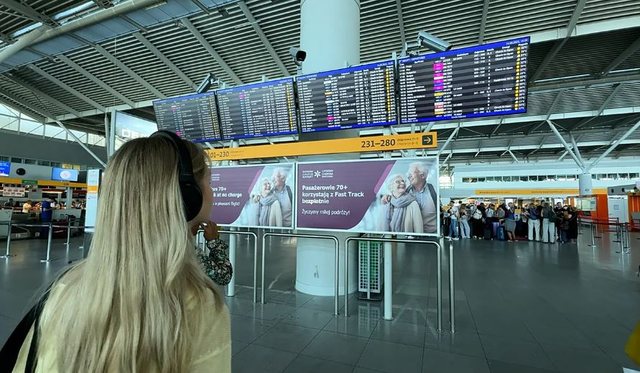
Gediminas Ziemelis says that most airlines generate the bulk of their revenue during the summer. This means that if they own their entire fleet year-round, they are incurring costs for assets that are not being used optimally. ACMI is the solution to this problem.
According to him, by using ACMI for about 10% of the fleet for a maximum period of 6 months, airlines can increase profitability by 2-3%.
Global Expansion: A Countercyclical Strategy
One of the key points of Avia Solutions Group's strategy is global expansion, which aims to cope with the seasonality of the aviation market.
“When the summer season ends in Europe, the peak season begins in the southern hemisphere. By expanding into countries like Indonesia, Thailand, Brazil and Mexico, we ensure a consistent presence throughout the year,” says Ziemelis.
Another element of the expansion is the new service center in the Philippines, which will provide support for global operations and help attract talent from the Asian market.
Focus on Central and Eastern Europe: Poland on the rise
Poland is becoming one of the most promising markets in the region. In 2024, passenger traffic is expected to reach 59.5 million, an increase of 15.6% compared to 2023 and 22% compared to 2019.
“We expect significant growth in demand for our services in Poland and throughout the Central and Eastern European region,” says Ziemelis.
Investing in the future: Sustainable fuel
One of the group's most ambitious projects is to open a plant for the production of SAF and ESAF (synthetic aviation fuel) in Latvia by 2030.
“This will be the largest plant of its kind in Northern Europe. Demand for SAF will increase significantly, especially due to EU regulations. Furthermore, domestic production of SAF is essential for Europe’s energy sovereignty.”
Conclusion: Flexibility, expansion and sustainability
In an industry where demand fluctuates significantly and pressure for financial efficiency is ever-present, flexible models like ACMI, global presence, and investments in sustainable fuel represent the path to a more sustainable and profitable future for aviation./ Adapted from CNA.

An ordinary morning. A message comes to your phone from an...

The disappearance of the Mayan civilization is a question ...

György Schwartz was born in Hungary in 1930 to an Ashkenaz...

Burj Al Babas mund të jetë qyteti më i çuditshëm në botë. ...
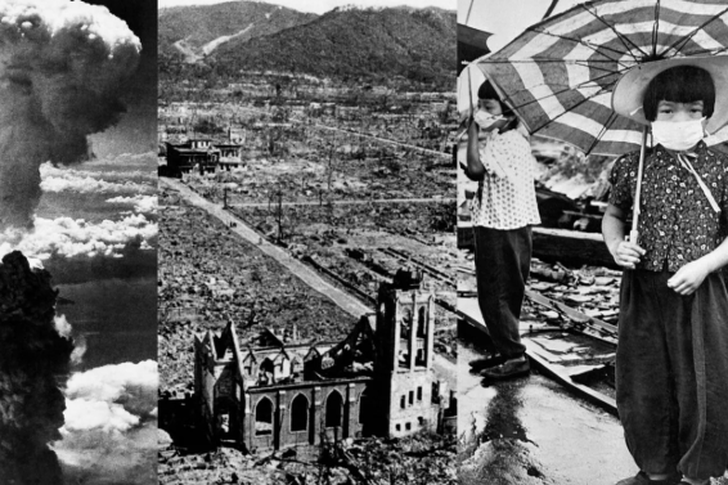
The first atomic bomb in Hiroshima Hiroshima after the dr...

The discovery of King Tutankhamun's tomb in 1922 captivate...

July 4th marks Independence Day in the United States of Am...

The history of chess can be traced back nearly 1,500 years...
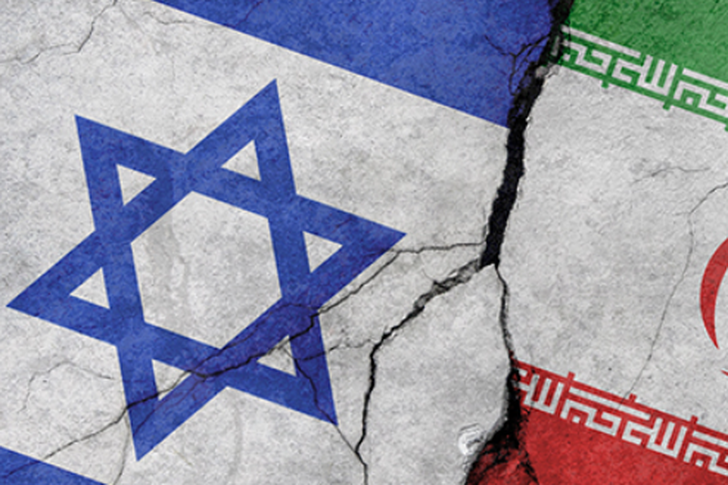
Years of tensions between Israel and Iran have escalated i...
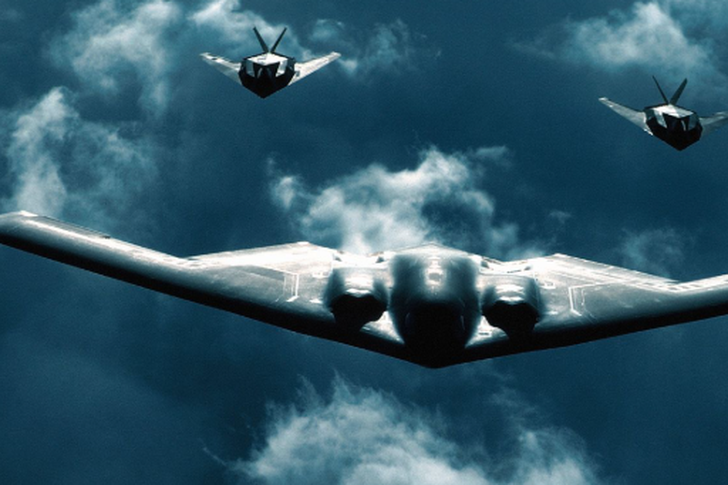
The Northrop B-2 Spirit, also known as the Stealth Bomber,...

May 28th for Korça is a historic date. In Kapshtica (borde...

Rome, the vibrant epic metropolis, the land of lost empire...

YouTube, which is celebrating its 20th anniversary, has beco...

When the car arrived at the border, it was not yet dawn ou...
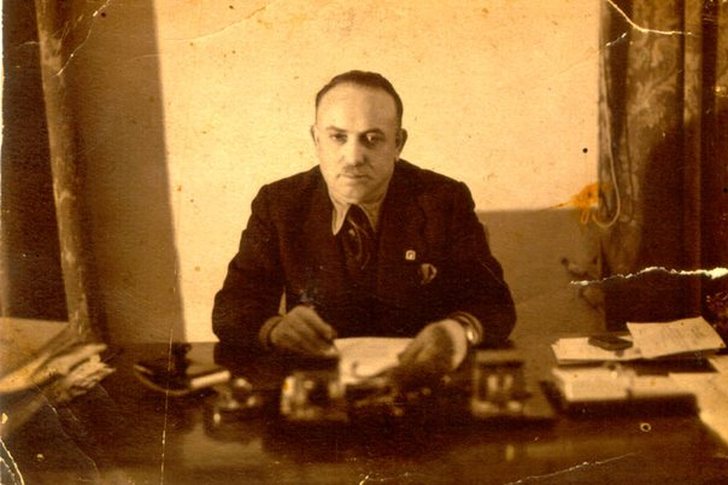
Tanush Mulleti, the nephew of Qazim Mulleti, has confessed...

I remember, my father was often called to school for my an...

One hundred years ago, with Benito Mussolini's historic sp...
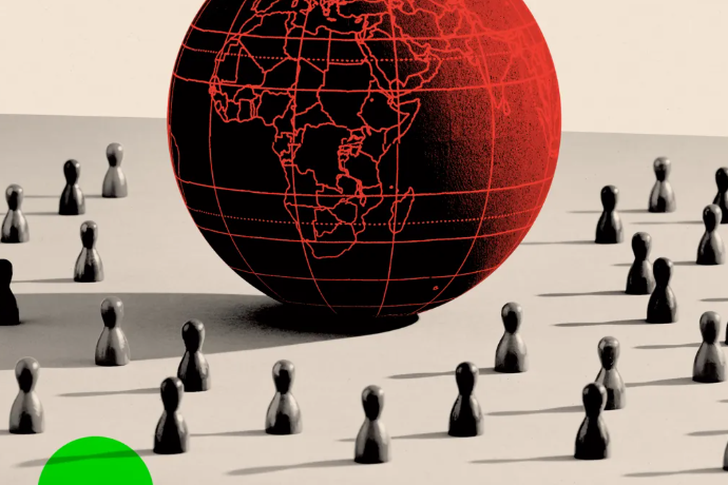
It's been one of the most eventful years since I start...

Since it was legalized in the UK, the number of medicinal ...

From Mata Hari to Gertrude Bell, from Marlene Dietrich...

A 39-year-old citizen has been arrested in Lezha, after se...

CNA has launched another investigation that could lead to ...

Irfan Hysenbelliu is a businessman that we call "Irfan the...

In March 2026, CNA launched another investigation centered...

The Special Board of Appeal (KPA) decided this Monday ...

The KPA vetting decided this Thursday to dismiss the p...

Suela Salavaçi, a prosecutor in the Prosecutor's Offic...

The Special Board of Appeal reinstated the prosecutor ...

A serious incident occurred in Lushnje, where citizen IY, ...

As a result of the investigative and procedural actions ca...

A conflict for weak motives was recorded today in the vill...

An accident involving three vehicles occurred a few minute...

Today, our country will be under the influence of stable a...

By noon, cloudiness is expected to prevail in almost all o...

Children without parental care, for whom alternative famil...
On Thursday, our country will be under the influence of st...

Marine Le Pen is entering the decisive phase of the presid...

Member states of the International Criminal Court voted to...

From the declining role of exports to new public investmen...

South Korea is becoming one of the most sought-after desti...
Two windows, a century of history and the metaphysics of p...

In my research at the Central State Archives, specifically...

At a time when industrial products are increasingly taking...

Trust among people is not just a three-syllable word. It c...

This Saturday, one US dollar is bought for 81.7 lek and so...
War, weather and supply disruptions could send gas prices ...
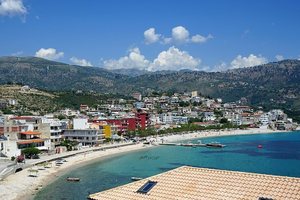
The number of active enterprises in Albania continued to g...
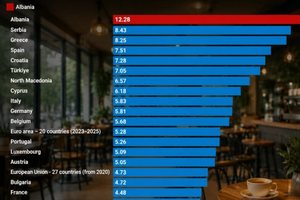
In Albania, the bar-cafe has long become an almost unique ...