

15 Strange Things Found in King Tut's Tomb That No One Is Talking About
The discovery of King Tutankhamun's tomb in 1922 captivate...


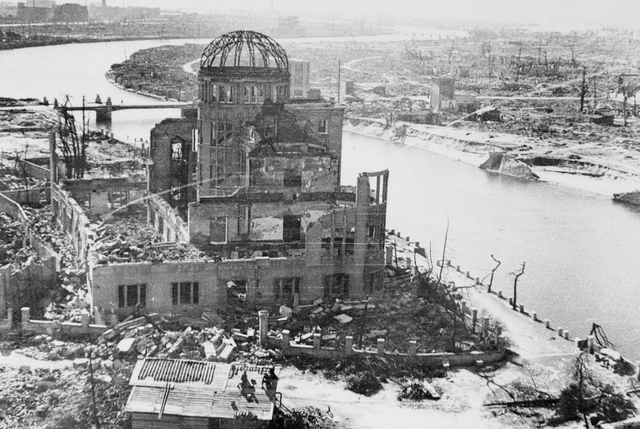
Hiroshima after the dropping of the atomic bomb on August 6, 1945. The prominent building in the foreground was the Industry Promotion Hall, preserved in its dilapidated state as a peace memorial.
At 8:15 a.m. on August 6, 1945, the Japanese city of Hiroshima was devastated by the first atomic bomb ever used as a weapon of war. The bomb, nicknamed "Little Boy", was dropped by the USAAF B29 bomber Enola Gay and exploded about 6,000 feet above the city. Releasing the equivalent of about 12.5 kilotons of TNT, the bomb destroyed 5 square miles of the city center and killed an estimated 120,000 people within the first four days after the explosion. Many were vaporized instantly by the blast, others died later from the effects of burns and radiation.
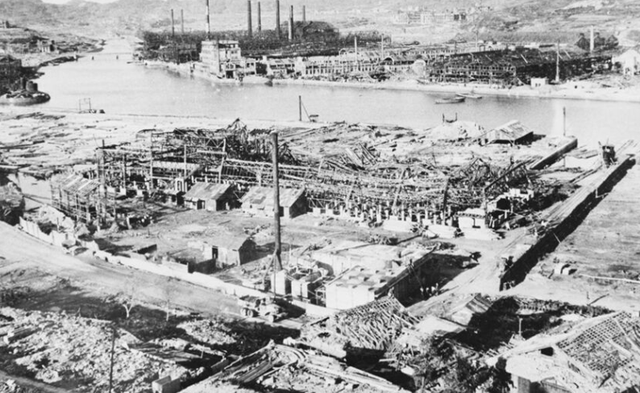
Three days later, shortly after 11 a.m. on August 9, a second atomic bomb, nicknamed "Fat Man," exploded over the city of Nagasaki. Although even more powerful than "Little Boy," the destruction caused by this bomb was less than that at Hiroshima due to the nature of the terrain (the original target had been the city of Kokura, but the B-29 carrying the bomb was diverted to Nagasaki due to thick clouds). However, over 2 square miles of the city were reduced to dust and an estimated 73,000 people were killed.
A general view of Nagasaki looking towards the hypocenter, one mile beyond the Mitsubishi Armament and Steel Works, seen across the Urakami River in the central background. In the foreground is the shell of the Mitsubishi Woodworking Plant, which was not damaged by the explosion but was completely consumed by fire.
A general view of Nagasaki looking towards the hypocenter, one mile past the Mitsubishi Armament and Steel Works, seen across the Urakami River in the central background.
A general view of Nagasaki looking towards the hypocenter, one mile beyond the Mitsubishi Armament and Steel Works, seen across the Urakami River in the central background. In the foreground is the shell of the Mitsubishi Woodworking Plant, which was not damaged by the explosion but was completely consumed by fire.
The two atomic explosions had the desired effects of the Allies. On August 10, the Japanese government indicated its willingness to accept defeat, subject to certain conditions. On August 14, it finally accepted the demand for unconditional surrender. The following day was declared "Victory over Japan" or V-J Day, although it was not until September 2 that the final Japanese surrender was signed, thus officially ending World War II.
Pse fuqitë aleate e konsideruan të nevojshme të shkaktonin një shkatërrim kaq të paparë civilëve japonezë për t'i dhënë fund luftës? Në Konferencën e Potsdamit (17 korrik - 2 gusht 1945) Aleatët formuluan kushtet e tyre për t'i dhënë fund luftës me Japoninë, të cilat përqendroheshin në pranimin e dorëzimit pa kushte nga ai vend, siç kishte ndodhur me Gjermaninë naziste në maj. Megjithatë, Aleatët ishin gjithashtu të vetëdijshëm se, ndërsa Perandori japonez Hirohito dëshironte t'i jepte fund armiqësive dhe ndoshta do ta pranonte kapitullimin pa kushte të kërkuar, "skifterët" e udhëheqjes ushtarake dhe civile japoneze ishin plotësisht kundër një kushti kaq poshtërues dhe ishin të gatshëm të luftonin deri në fund - sido që të dukej kjo.
Ishte kjo njohuri që informoi përmbajtjen e Deklaratës së Potsdamit, në veçanti deklaratën se mospranimi i dorëzimit pa kushte do të rezultonte në "shkatërrim të menjëhershëm dhe të plotë" për Japoninë. Nuk ishte rastësi që më 16 korrik, një ditë para hapjes së Konferencës së Potsdamit, bomba e parë bërthamore në botë u shpërtheu në shkretëtirën e Meksikës së Re. Ajo demonstroi një fuqi shkatërruese të paparë më parë në një pajisje të bërë nga njeriu. Në një sekondë të ndarë, fytyra e luftës ndryshoi plotësisht.
Deri në atë kohë, disfata e Japonisë ishte planifikuar dhe zbatuar me mjetet konvencionale të forcave tokësore, detare dhe ajrore. Debati kryesor në fillim të vitit 1945, veçanërisht brenda Shefave të Shtabit të Përbashkët të SHBA-së, ishte nëse kjo disfatë do të arrihej më mirë kryesisht me bllokadë detare dhe bombardim të infrastrukturës, apo me një pushtim të ishujve japonezë. Strategjia e fundit fitoi, si potencialisht më pak e kushtueshme për Aleatët në planin afatgjatë, dhe u bë "Operacioni Rënia". Ishte planifikuar të fillonte në nëntor 1945 dhe parashikohej të zgjaste deri në pranverën e vitit 1946. Megjithatë, ndërsa vlerësimet e inteligjencës për disponimet aktuale mbrojtëse të Japonisë filluan të grumbulloheshin, "Rënia" u vu nën presion në rritje. Vlerësimet për viktimat e mundshme të Aleatëve (dhe veçanërisht amerikanëve) u rritën, disa prej të cilave arritën në miliona, dhe planifikuesit filluan të kërkonin me dëshpërim alternativa. Bomba atomike që u testua në Alamogordo në korrik dukej se ofronte një mundësi shumë bindëse.
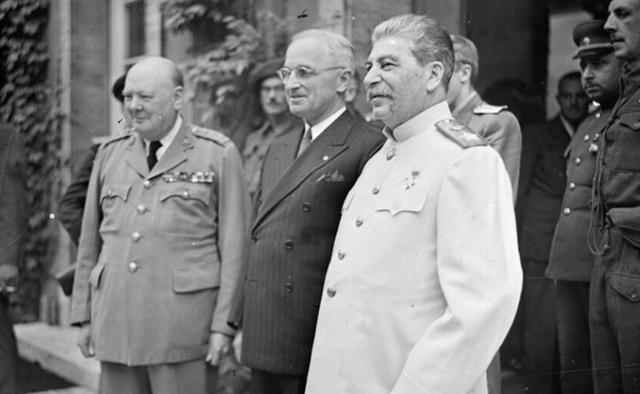
Kjo fotografi tregon kryeministrin britanik Winston Churchill, presidentin amerikan Harry Truman dhe udhëheqësin sovjetik Joseph Stalin në Konferencën e Potsdamit më 23 korrik 1945.
Winston Churchill, Presidenti Truman dhe Stalini u takuan në konferencën e Potsdamit në korrik 1945. Kushtet e tyre për t'i dhënë fund luftës me Japoninë vareshin nga pranimi i dorëzimit pa kushte nga kombi.
US President Truman and senior government officials had been aware since June 1945 that atomic weapons were likely to be available in the very near future. In light of Japan's seemingly uncompromising response to the Potsdam Declaration and the anticipated mounting cost of "the Fall", there was no hesitation in activating American plans for the use of "special bombs" in Japan. To key decision-makers at the time, dropping one or more atomic bombs on Japanese cities seemed the lesser of two evils. Even then, it took two demonstrations of the horrors of nuclear war to convince the hard-line Japanese that they must accept what had previously been unacceptable.
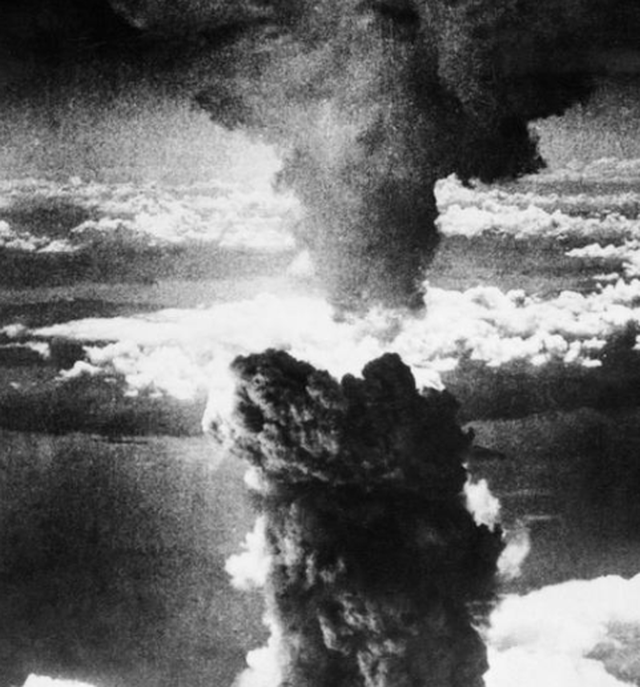
Looking back on these events some time later, General Leslie R Groves, former director of the 'Manhattan Project' which had developed the first atomic bomb, commented:
"The atomic bombings of Hiroshima and Nagasaki ended World War II. There is no doubt about that. While they brought death and destruction on a horrific scale, they averted even greater losses - American, British and Japanese."
It was a view that generated controversy then and since about whether or not the use of such weapons on largely undefended civilian targets was justified, at such a terrible cost. But the nuclear genie, once out of the bottle, could not be put back. The ever-present threat of a nuclear option in the superpower confrontations of the Cold War defined global politics after 1945. Hiroshima and Nagasaki raised the specter of Mutually Assured Destruction (MAD) that has haunted the world to this day. /CNA

The discovery of King Tutankhamun's tomb in 1922 captivate...
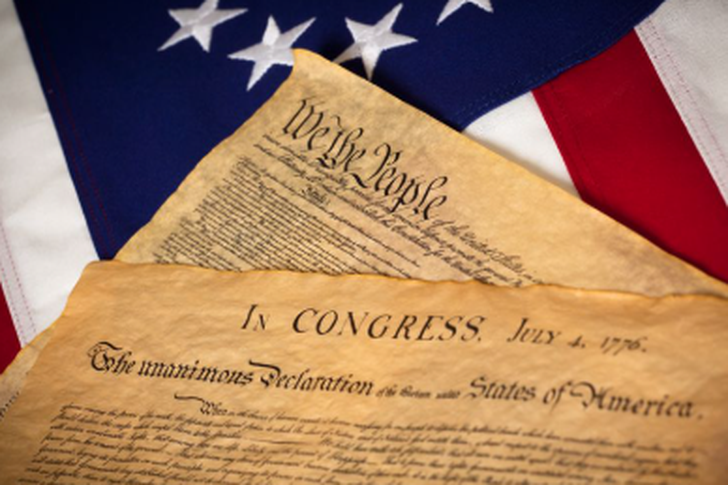
July 4th marks Independence Day in the United States of Am...
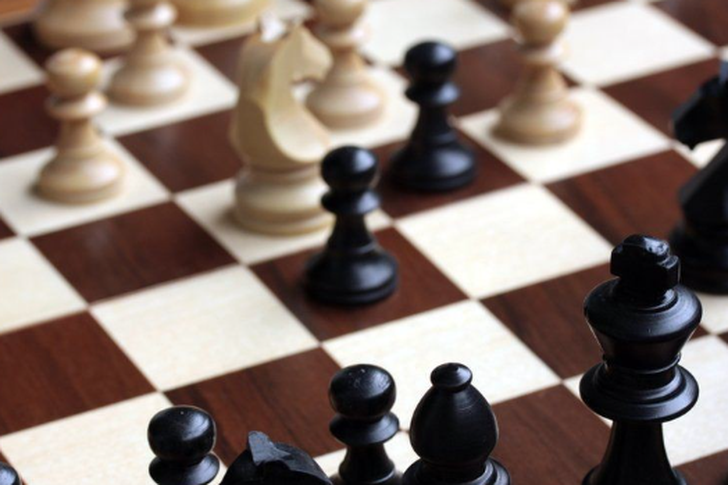
The history of chess can be traced back nearly 1,500 years...
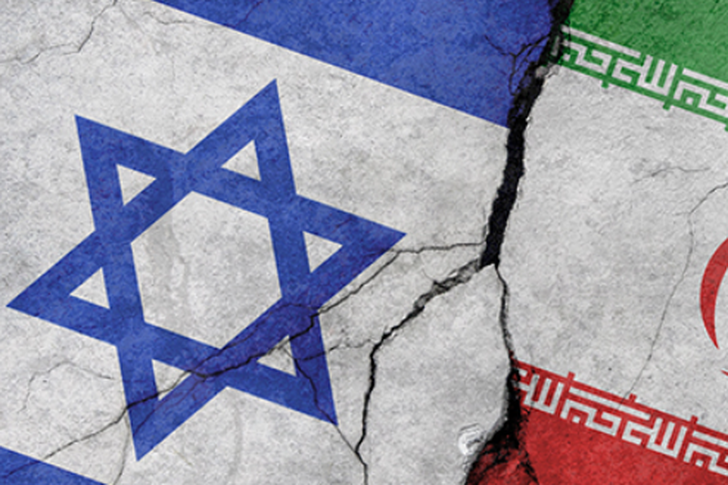
Years of tensions between Israel and Iran have escalated i...
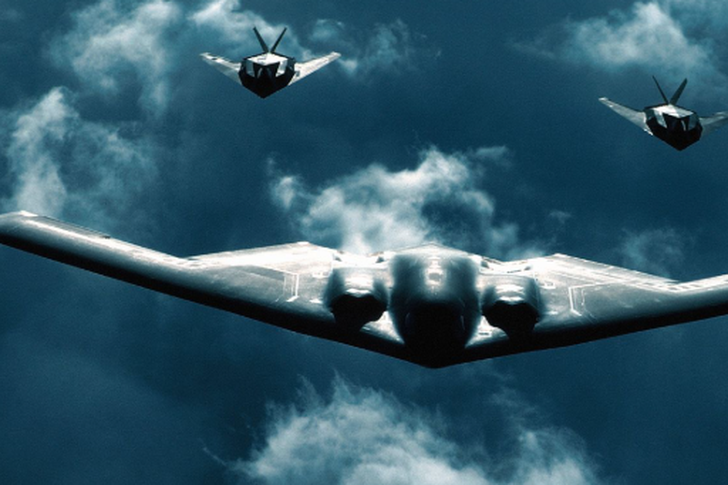
The Northrop B-2 Spirit, also known as the Stealth Bomber,...
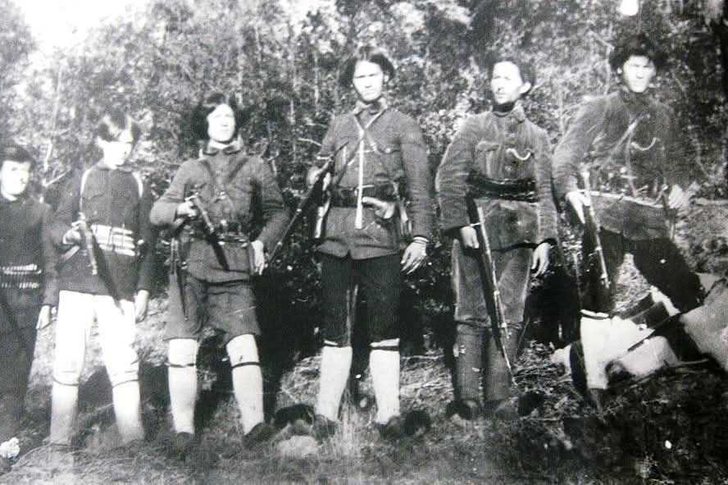
May 28th for Korça is a historic date. In Kapshtica (borde...
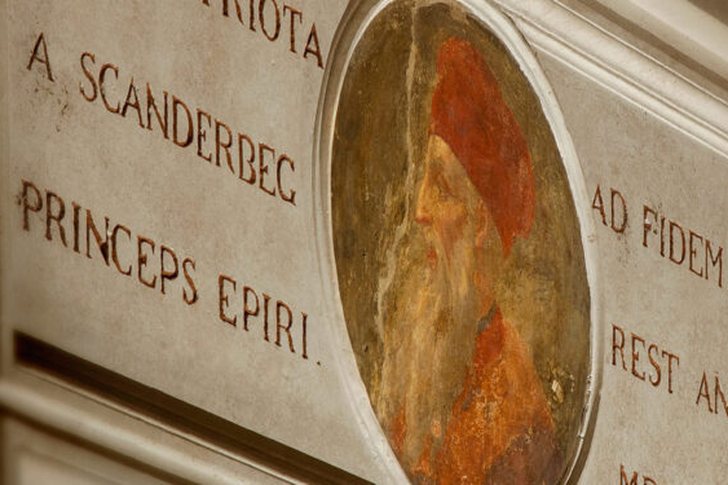
Rome, the vibrant epic metropolis, the land of lost empire...

YouTube, which is celebrating its 20th anniversary, has beco...
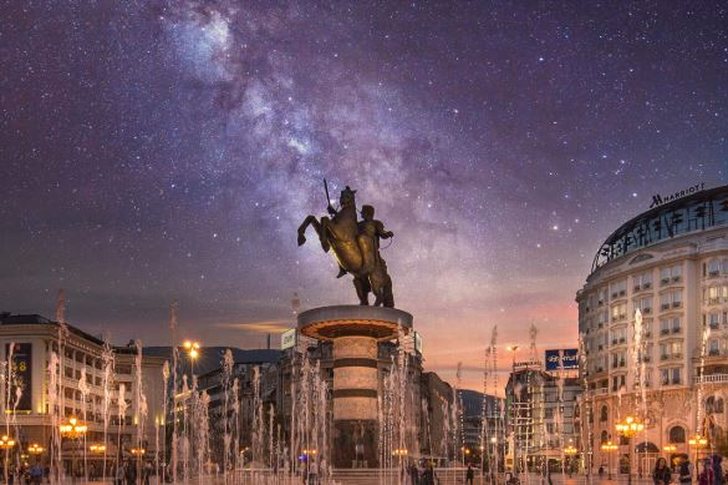
When the car arrived at the border, it was not yet dawn ou...
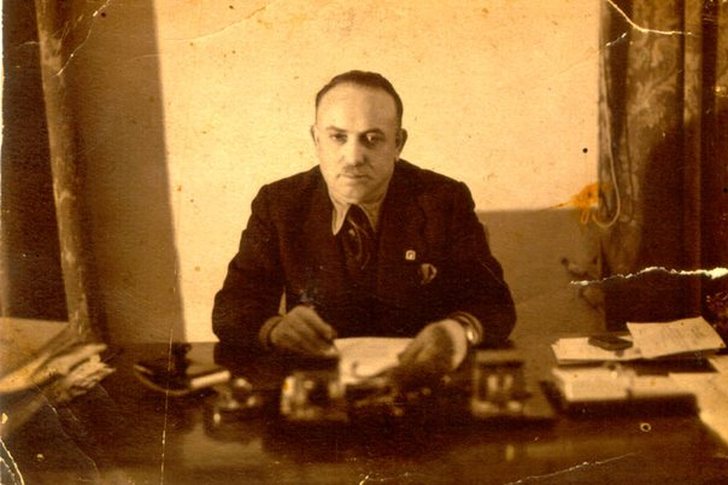
Tanush Mulleti, the nephew of Qazim Mulleti, has confessed...

I remember, my father was often called to school for my an...
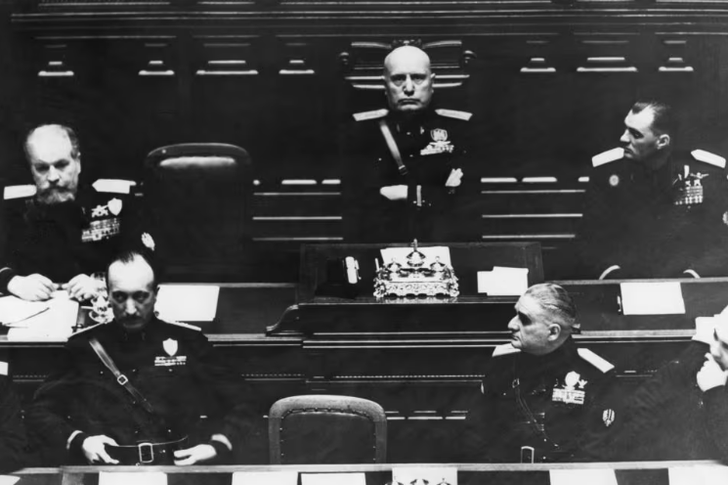
One hundred years ago, with Benito Mussolini's historic sp...

It's been one of the most eventful years since I start...

Since it was legalized in the UK, the number of medicinal ...

From Mata Hari to Gertrude Bell, from Marlene Dietrich...
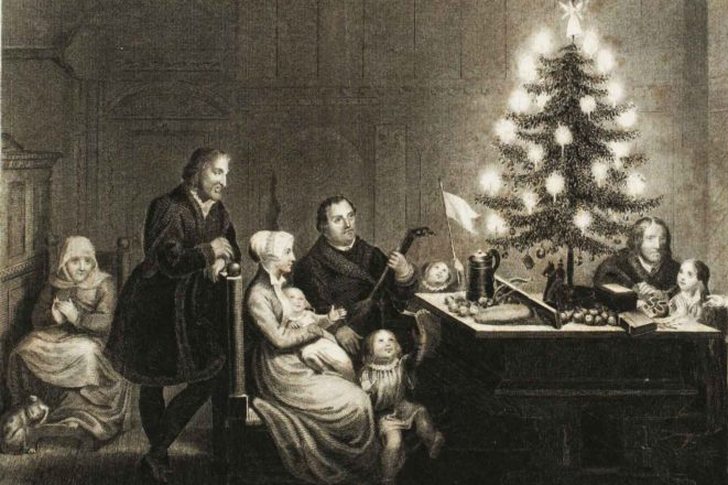
December is the month where we see the natural or artifici...

Sitting for long periods of time can be a risk for heart d...
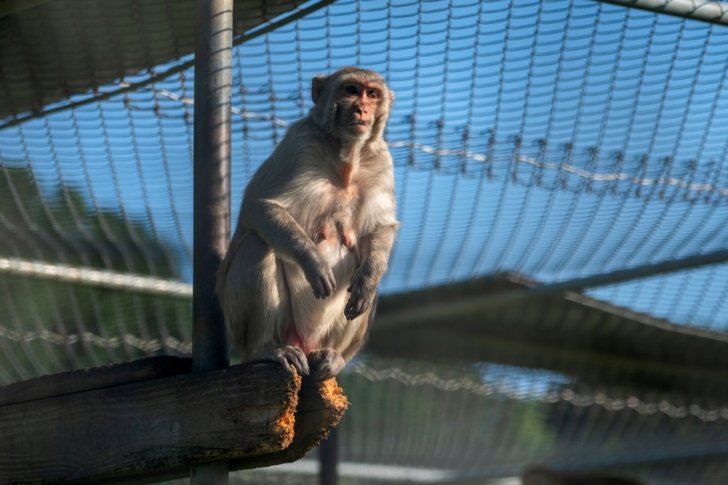
The 43 monkeys of the species known as the rhesus macaque,...
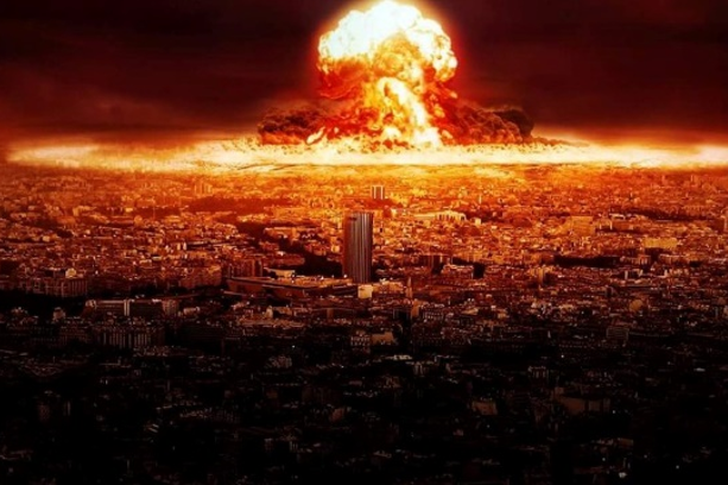
The world today, de facto, is in a third world war with th...
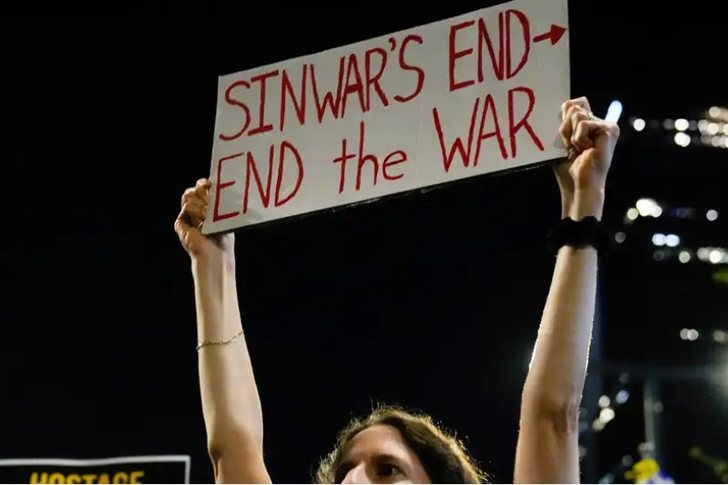
According to Israeli Prime Minister Benjamin Netanyahu...
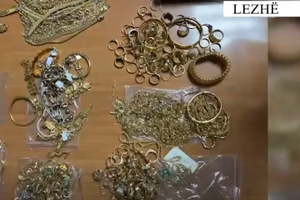
A 39-year-old citizen has been arrested in Lezha, after se...

CNA has launched another investigation that could lead to ...

Irfan Hysenbelliu is a businessman that we call "Irfan the...

In March 2026, CNA launched another investigation centered...

The Special Board of Appeal (KPA) decided this Monday ...

The KPA vetting decided this Thursday to dismiss the p...

Suela Salavaçi, a prosecutor in the Prosecutor's Offic...

The Special Board of Appeal reinstated the prosecutor ...

A serious incident occurred in Lushnje, where citizen IY, ...

As a result of the investigative and procedural actions ca...

A conflict for weak motives was recorded today in the vill...

An accident involving three vehicles occurred a few minute...

Today, our country will be under the influence of stable a...

By noon, cloudiness is expected to prevail in almost all o...

Children without parental care, for whom alternative famil...
On Thursday, our country will be under the influence of st...

Marine Le Pen is entering the decisive phase of the presid...

Member states of the International Criminal Court voted to...

From the declining role of exports to new public investmen...

South Korea is becoming one of the most sought-after desti...

Two windows, a century of history and the metaphysics of p...
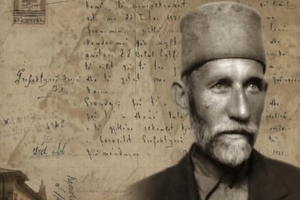
In my research at the Central State Archives, specifically...

At a time when industrial products are increasingly taking...

Trust among people is not just a three-syllable word. It c...

This Saturday, one US dollar is bought for 81.7 lek and so...

War, weather and supply disruptions could send gas prices ...
The number of active enterprises in Albania continued to g...

In Albania, the bar-cafe has long become an almost unique ...