


Territorial reform/ Berisha, calls on citizens to protest
DP leader Sali Berisha, in a conversation with citizens, s...

DP leader Sali Berisha, in a conversation with citizens, s...

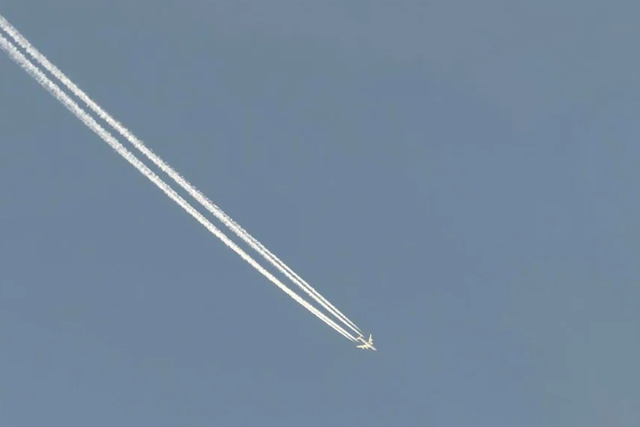
The white streaks left by planes as they fly high in the sky create a beautiful sight, but sometimes they can harm the planet.
These vapor clouds formed by aircraft engine exhaust are known as contrails or contrails and can contribute to global warming if they remain in the sky for a long time.
In the climate footprint of aviation, air footprints are the jet fuel that causes warming.
The International Civil Aviation Organization warned in a 2025 report that warming caused by air trails is expected to increase over time due to the projected increase in air traffic and the expected change in flight altitudes.
Trails of water are formed when hot water vapor, soot, and other particles released from aircraft exhaust gases mix with cold air at high altitudes. The water vapor condenses around the soot and freezes, creating ice crystals visible as linear clouds.
In regions oversaturated with ice, contrails can appear as thin cirrus clouds, persisting for hours. While they reflect some of the Sun's energy back into space, they also block and re-emit the Earth's radiation and heat, preventing it from escaping into space.
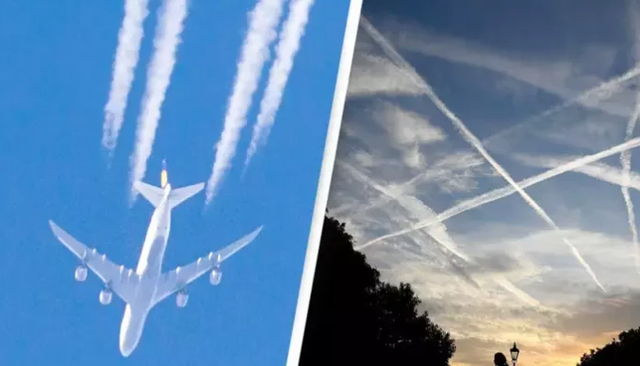
Air footprints could account for 30 to 65 percent of the warming caused by the aviation sector, depending on the metrics and time horizon used to calculate the impact, said Dr. Roger Teoh, an honorary fellow at Imperial College London whose research focuses on aviation's impact on climate change.
The effect of persistent traces is similar to an acute fever or infection. When they persist for hours or up to a day, the result is an intense and strong warming effect, until the man-made clouds dissipate.
When planet-warming carbon dioxide (CO2) is emitted from burning jet fuel, the greenhouse gas stays in the atmosphere for hundreds to thousands of years, Dr. Teoh said.
The warming effect of CO2 is gradual and steady, much like a chronic disease.
"If you were to compare the total warming caused by CO2 with the air footprint over 20 years, the effect of the air footprint could be twice that of CO2. But over a 100-year horizon, the impact of CO2 would be 1.5 times greater than that of the air footprint," said Dr. Teoh.
Not all smoke trails lead to warming. Continuous air trails are most often found in the colder regions at higher latitudes in Europe and North America, and are less common in subtropical regions.
"In Singapore and Malaysia, you don't see many air trails in the sky, compared to Europe, where you can see them almost every day," he added.
This does not mean that the issue should be neglected in this region. Globally, approximately one-fifth of all flights form persistent contrasting trails, and just 3 percent of these flights are responsible for 80 percent of the warming effect.
No continuous tracks form below 37,000 meters in the tropics, where the atmosphere is warmer. In Southeast Asia, 3.3 percent of the flight distance in 2019 left continuous contrasting tracks, Dr. Teoh said.
These contrails were most likely generated by flights that flew above 37,000 meters, where it is colder.
Such flights typically involve larger aircraft with two passenger aisles. Short-haul regional flights involving narrower aircraft typically fly at lower altitudes and are unlikely to produce such trails.
According to a mapping tool from the nonprofit Contrails.org, seen on January 24, a number of flights are forming heat trails in Southeast Asia. They include a flight from Melbourne to Singapore and another from Java to Bali in Indonesia.
Under the Aviation Meteorological Program, which was announced in December 2025, the Civil Aviation Authority of Singapore and the National Environment Agency will deepen scientific knowledge of contrail tracks in this region, where atmospheric conditions differ from those in Europe and North America.
"Currently, there is scant data and research on contrast trails in the Asia-Pacific region, compared to more studied regions such as North America, Europe and the North Atlantic," the two agencies told The Straits Times in a joint statement.
The agencies are engaging partners to design relevant projects related to contract footprints and hope that the program's work "will help inform future mitigation strategies and contribute to global policy development."
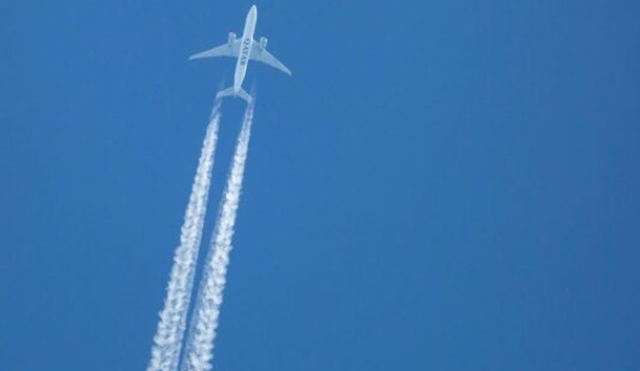
Currently, the most viable and scalable solution to reduce the impact of contrast trails is to redirect aircraft or adjust their altitude away from pockets of the atmosphere that produce contrast trails.
This requires the use of weather forecasts included in flight planning software. Flight controllers on the ground can then work with pilots to select routes and avoid areas in real time.
In 2024, after American Airlines rerouted 22 flights to avoid contrast trails, a first-of-its-kind study was published showing that those flights reduced the formation of contrast trails by 64 percent.
Dr. Teoh noted that there are some trade-offs with changing the route, such as burning additional fuel and potentially higher flight fees when flying over certain airspaces.
But by changing the direction of the planes, the heating caused by the contrails can be reduced by up to 50 percent, and the planes' fuel consumption typically increases by no more than 1 percent for a given flight, he added.
When ST asked Singapore Airlines if it had undertaken any projects to limit contrast trails, an airline spokesperson said the airline is unable to provide data on contrast trail generation or discuss specific initiatives at this time, and will share more when appropriate.
Switching to sustainable aviation fuel (SAF) – made from used cooking oil, animal fat and biofuel – is another solution to address the contamination trail because it releases fewer soot particles when burned. But SAF requires a longer timeline to scale up.
By 2030, the greener fuel is expected to contribute only 2 to 5 percent of jet fuel.
Dr. Teoh said: “The rerouting of flights can be done today. You don’t need any additional (large) infrastructure. Using SAF doesn’t need rerouting, but right now there’s not much supply.”/ CNA

This February 24th marks the fourth anniversary of the Rus...
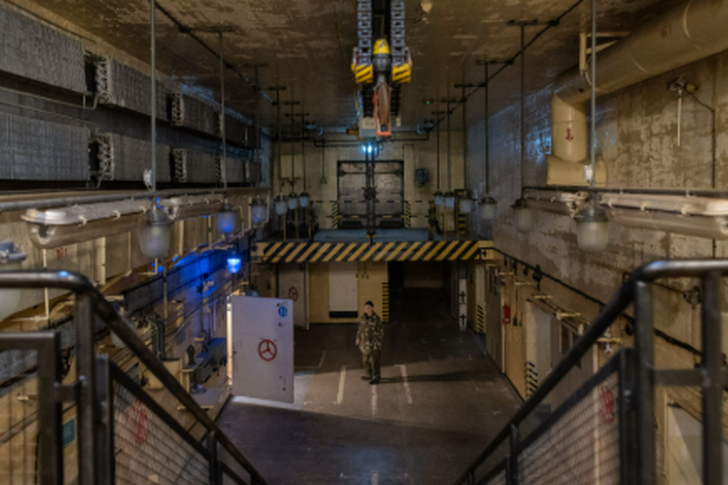
Estonia is building hundreds of bunkers along its eastern ...

The Chinese MSS, with 800,000 agents and global operations...

We live in a paradoxical age. Never before has humanity ha...

The psychology of the human mind tells us that there is a ...
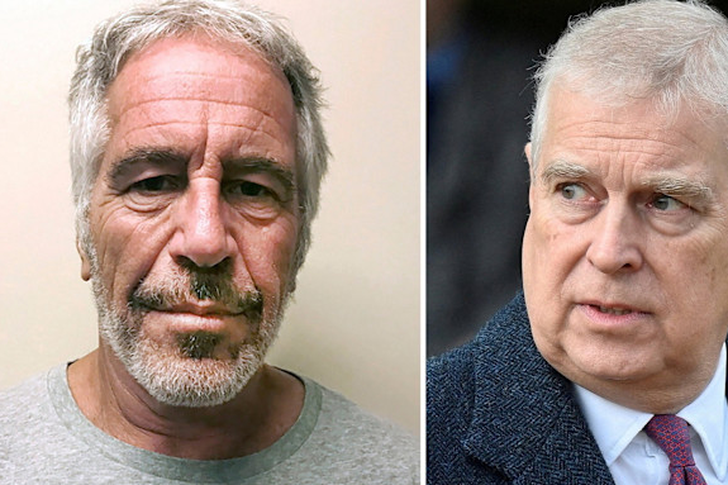
Prince Andrew of the United Kingdom and Jeffrey Epstein me...
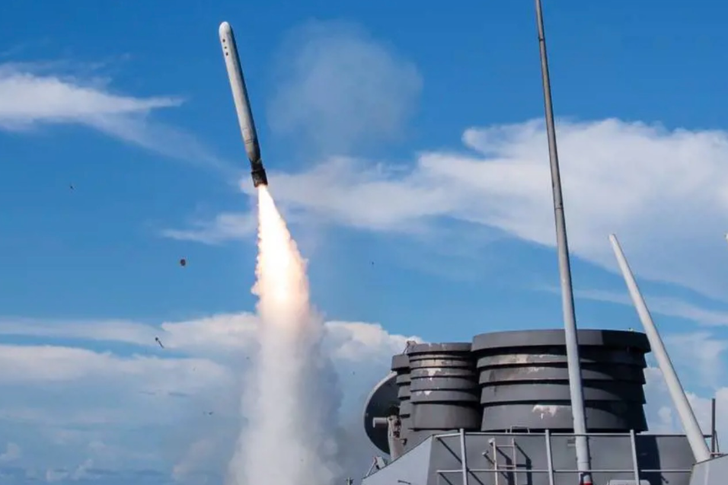
The unprecedented buildup of US forces in the Mediterranea...

How did Friedrich Nietzsche analyze the origins of moralit...

Jeffrey Epstein's network included politicians, billionair...

Leonardo da Vinci was not just a Renaissance genius. He wa...

Few people in history have left such a profound mark as Na...
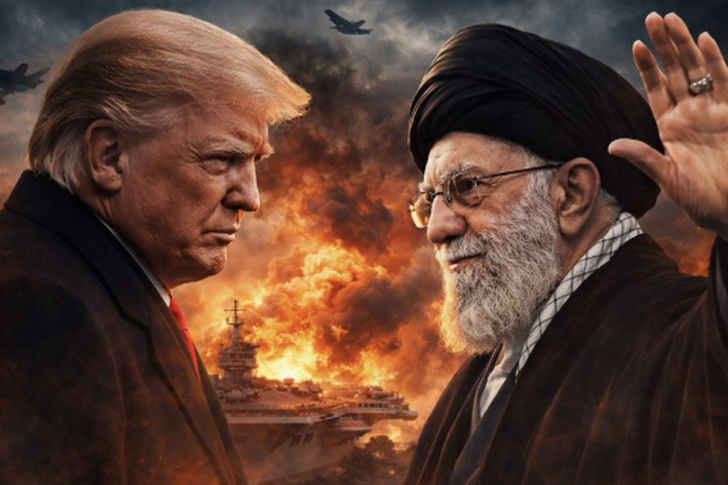
US attack on Iran? The situation seems to be moving toward...
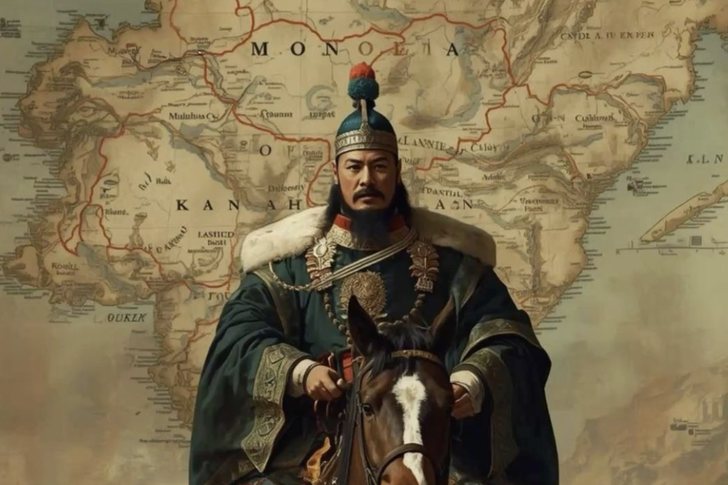
There are figures in human history who are not simply conf...

Many of us live our lives assuming that what we see is the...
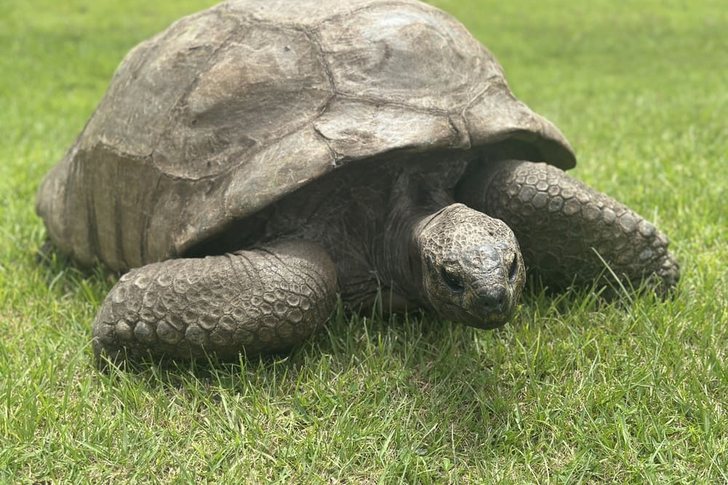
Jonathan, a giant tortoise from the Seychelles, is conside...
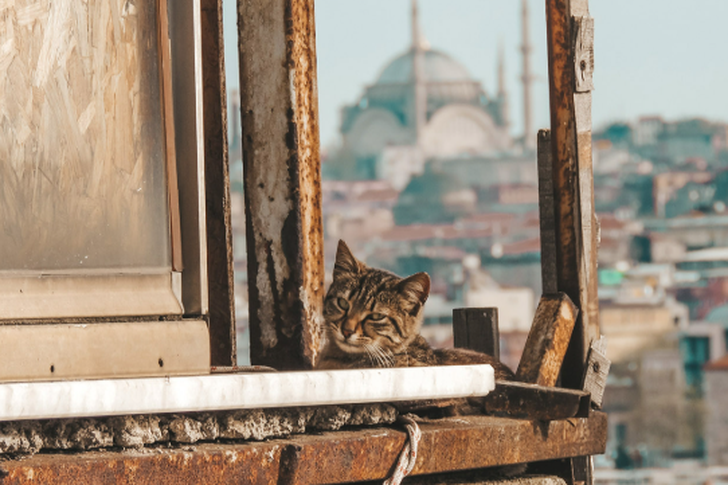
From Ottoman cat "keepers" to modern street watchmen, Ista...

"In the age of Artificial Intelligence, humanity is increa...
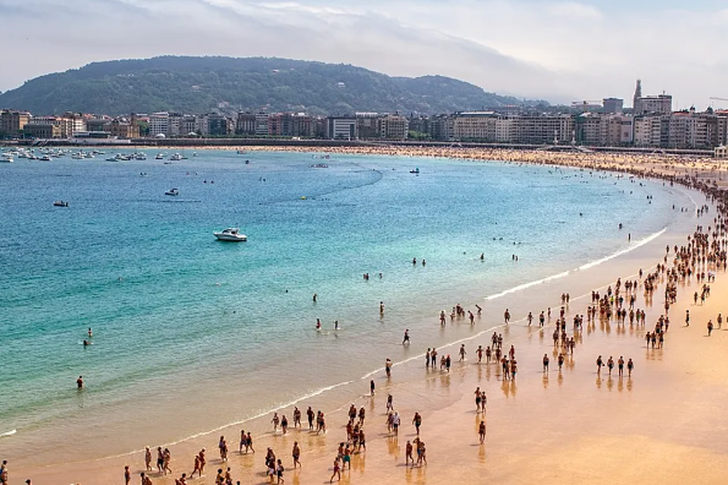
New beach rules in San Sebastian should come into effect b...

Tea originated in ancient China, with its earliest use as ...

Perfume is a powerful way to express personality, style, a...

A 39-year-old citizen has been arrested in Lezha, after se...

CNA has launched another investigation that could lead to ...

Irfan Hysenbelliu is a businessman that we call "Irfan the...

In March 2026, CNA launched another investigation centered...

The Special Board of Appeal (KPA) decided this Monday ...

The KPA vetting decided this Thursday to dismiss the p...

Suela Salavaçi, a prosecutor in the Prosecutor's Offic...

The Special Board of Appeal reinstated the prosecutor ...
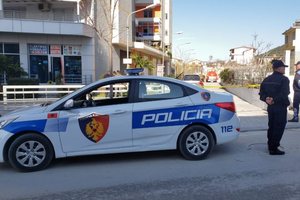
A serious incident occurred in Lushnje, where citizen IY, ...
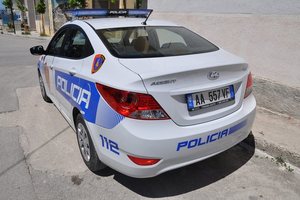
As a result of the investigative and procedural actions ca...
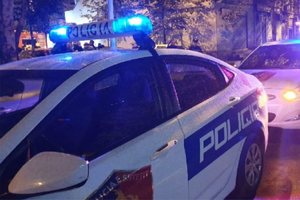
A conflict for weak motives was recorded today in the vill...

An accident involving three vehicles occurred a few minute...

Today, our country will be under the influence of stable a...

By noon, cloudiness is expected to prevail in almost all o...

Children without parental care, for whom alternative famil...
On Thursday, our country will be under the influence of st...

Marine Le Pen is entering the decisive phase of the presid...

Member states of the International Criminal Court voted to...

From the declining role of exports to new public investmen...

South Korea is becoming one of the most sought-after desti...
Two windows, a century of history and the metaphysics of p...

In my research at the Central State Archives, specifically...

At a time when industrial products are increasingly taking...

Trust among people is not just a three-syllable word. It c...

This Saturday, one US dollar is bought for 81.7 lek and so...
War, weather and supply disruptions could send gas prices ...
The number of active enterprises in Albania continued to g...
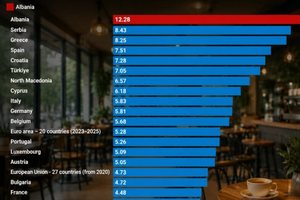
In Albania, the bar-cafe has long become an almost unique ...