

“Përbaltje masive dhe linçim”/ Arian Gladini “shuplakë” Top Channel dhe Fiks Fare
Kryetar i LRE-së, Arian Galdini, ka reaguar sërish në ...


In 2016, the government made fundamental changes to the organic budget law, known as the law "On the Management of the Budget System", through which a series of new structures and powers were established with the final goal of increasing the efficiency of the use of public funds, but in reality the treasury of the state has made billions of ALL payments based on invoices, where the works are not verified.
The clearest case is the payments to the incinerators of Tirana and Fier, for which fake work invoices were paid by the treasury of the Ministry of Finance, despite the fact that the legal framework does not allow such a maneuver.
Sources from the Ministry of Finance who have in-depth knowledge of how the treasury works explained that the payments for the unfinished works have come as a result of the dysfunction of other links of the administration that have the task of controlling the works in the field and mainly the supervisor.
The Finance expert explained that Article 54 of the Law "On Budgetary System Management" stipulates that "Before making payments, the treasury system checks:
a) the existence of commitment;
b) the basic documentation, which certifies the service performed;
c) the existence of sufficient funds to make the payment.
According to the Ministry of Finance Invoice Description: contains the purpose of the payment as well as references to the supporting documents accompanying the request for payment (eg supplier's invoice number, contract number, etc.).
The expert clarified that in the case of investments, invoices must be accompanied by the supervisor's confirmation of the work situation.
According to him, this link, which is paid with Albanian tax funds, is often completely corrupt. When an invoice for the planned investment arrives in the treasury and has the supervisor's signature, it is paid immediately. Field verification is the duty of the line ministry, the supervisor, and then it is the object of the control of the internal audit of the government and the HSC, the expert explained.
"I was a witness when a payment of millions of euros for a road axis was made by the treasury. But by chance I passed by the facility and saw that the work sign was not posted either. I returned alarmed to the Ministry and proposed to my superiors the establishment of a risk unit at the Treasury Directorate to verify whether the large investment payments were going to their destination, but this request was never taken into account".
The expert said that there are at least 8 laws and guidelines that guarantee the rigorous use of public funds, that is, they do not allow payments from the treasury without carrying out works, but in practice they are not implemented.
The state budget, in addition to the value of the investment, pays the supervisor of the works, a structure independent from the investor, precisely to guarantee that the contract with the state for the works is being implemented. Also, for every public investment there is an opposition structure that looks at the implementation of the project in terms of legal compliance, efficiency and harmony with the environment.
Meanwhile, there is the law on "Public Internal Financial Control", the Law on "Internal Auditing in the Public Sector", the law "on the control and discipline of construction works" and dozens of instructions that regulate financial management.
The case of the incinerators shows that the state budget has made at least 103 million euros in payments, mostly fake invoices. The expert explained that payments for fake invoices were made for other cases as well.
He said that the entire investigation about the incinerators has left untouched the way in which payments for phantom investments were made from the state budget at a time when a series of laws continue to be violated to this day./ Monitor

Kryetar i LRE-së, Arian Galdini, ka reaguar sërish në ...
The New York Times has dedicated an article to ex-FBI ...

The Minister of Education and Sports, Evis Kushi, has anno...

2 days separate us from the biggest summer festival in our...

The economy expert, Brisida Shehaj, has spoken about a doc...
While the protest is being held for the elected mayor ...
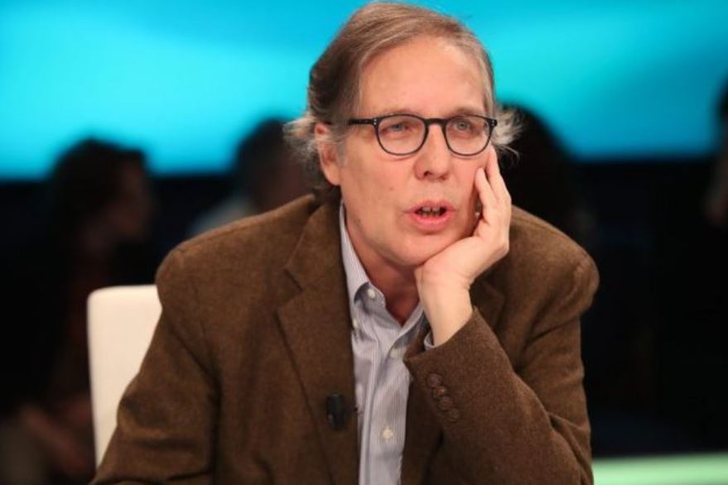
The candidate for the Municipality of Tirana, Belind Këlli...
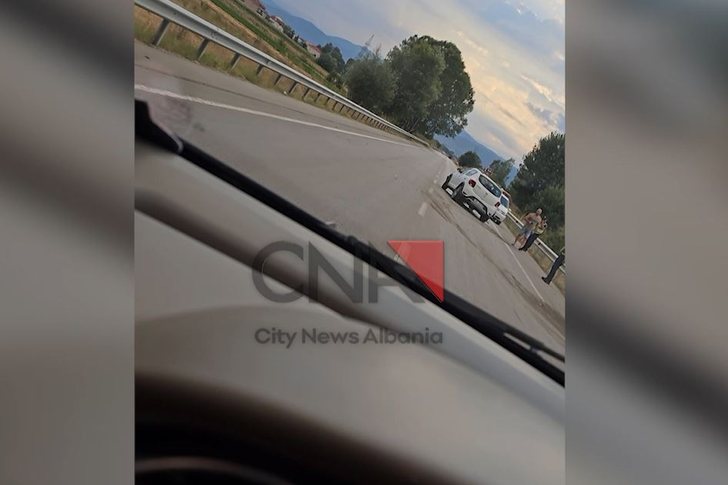
A car accident happened at the entrance to Korça. The car...
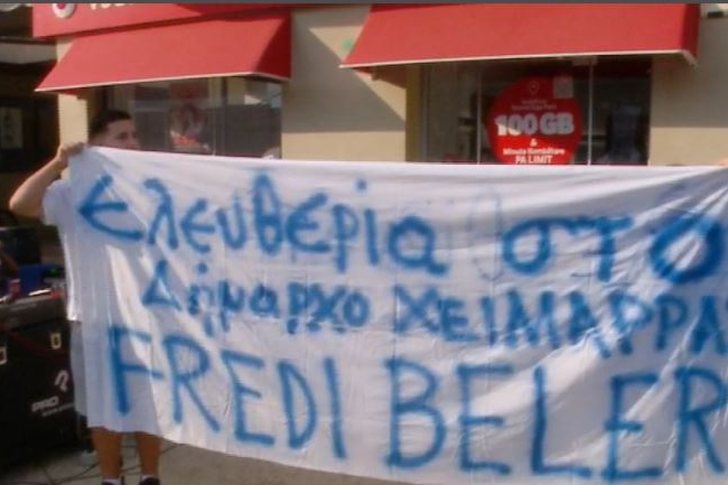
Protests have started in Himara for the elected mayor of H...
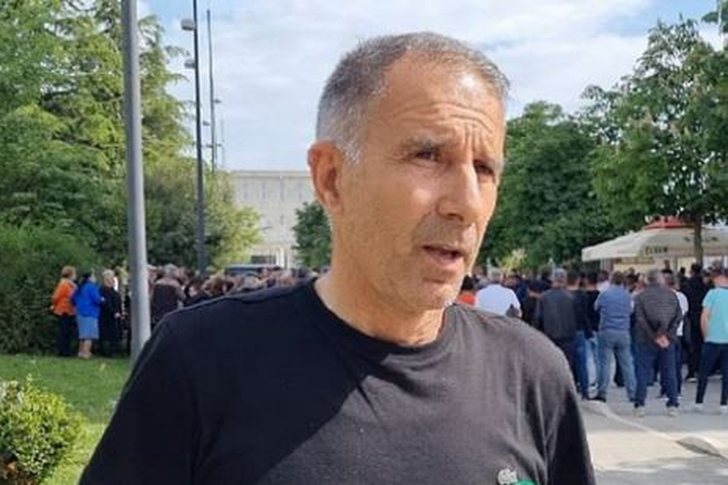
Residents of Divjaka have been protesting for days about t...
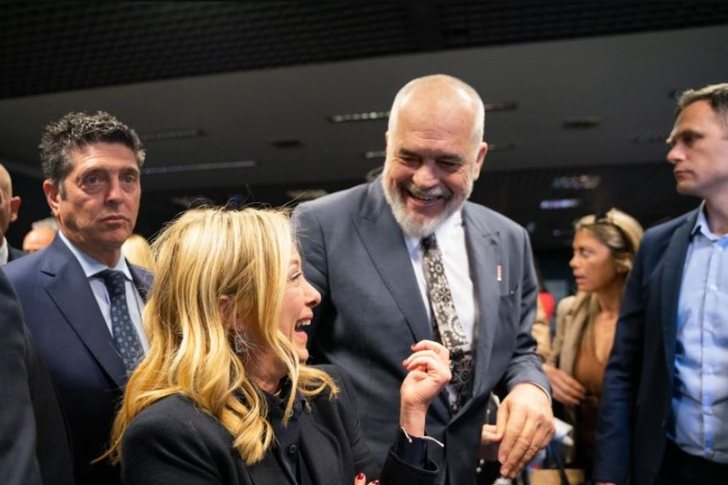
At the invitation of Prime Minister Edi Rama, his Italian ...

An 82-year-old woman who was reported missing by her famil...
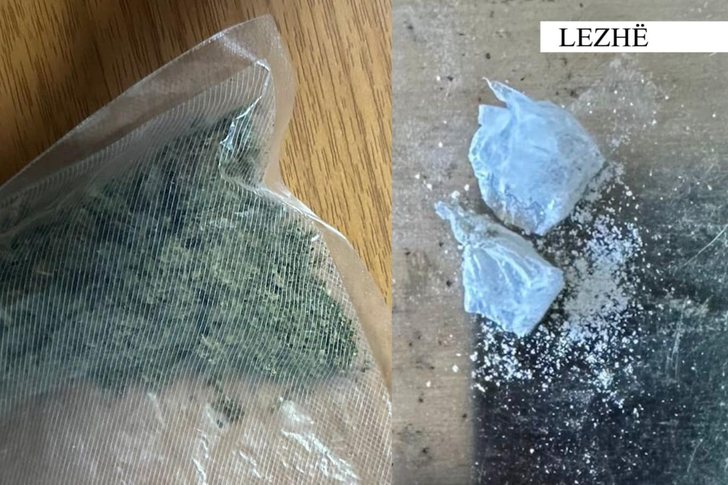
A 17-year-old in Lezhë has fallen into the hands of the po...
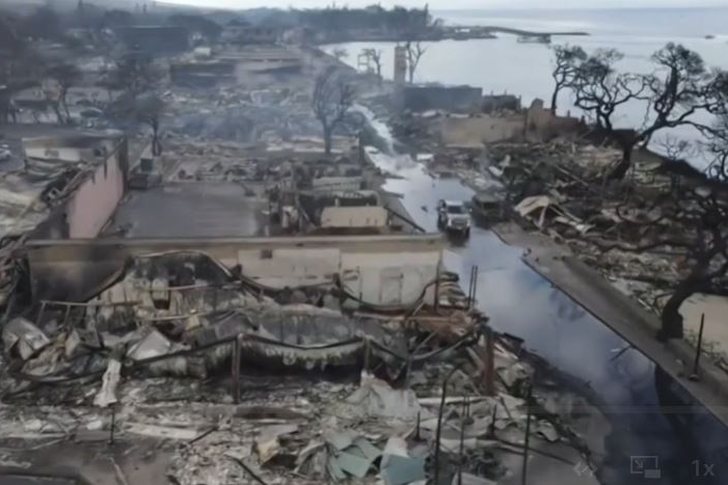
Ninety-six people are known to have died in wildfires on t...
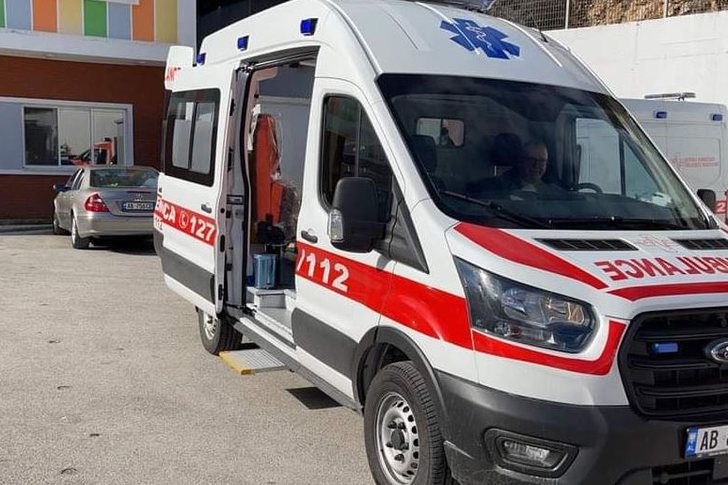
A 60-year-old man was found drowned in the reservoir o...
Lulzim Basha, the man who divided the Democratic Party, wh...
Kreu i PBDNNJ, Shpëtim Idrizi ka folur për protestën e par...
Ish kandidati i Bashkë Fitojmë për Tiranën, Belind Këlliçi...
The State Police, customs and port authorities in perfect ...

Ish kryeministri Sali Berisha ka reaguar pas deklaratës së...

CNA has launched another investigation that could lead to ...

Irfan Hysenbelliu is a businessman that we call "Irfan the...

In March 2026, CNA launched another investigation centered...
The arrested mayor of Tirana, Erion Veliaj, with 13 charge...

The Special Board of Appeal (KPA) decided this Monday ...

The KPA vetting decided this Thursday to dismiss the p...

Suela Salavaçi, a prosecutor in the Prosecutor's Offic...

The Special Board of Appeal reinstated the prosecutor ...
A road accident occurred this evening on Nikolla Zoraqi St...
Three people were shot and wounded in Elbasan last night b...

A serious incident occurred this Tuesday in the Yrshek are...

An accident occurred this Tuesday on "Dituria" street in K...

All of Southern Europe will face changing weather conditio...

Albania was hit by temperatures significantly higher than ...

For the first time, Pogradec welcomed the Inter-Lake Chess...

Albania has achieved a record for the employment of foreig...

US Secretary of State Marco Rubio arrived in Manila on Jul...
In the space of a few days, Ukrainian President Volodymyr ...

The spokesman for the Iranian Foreign Ministry warned Bulg...

Autoritetet italiane sekuestruan pako me afër 800 kilogram...

At a time when industrial products are increasingly taking...

Trust among people is not just a three-syllable word. It c...

Master of humor Todi Llupi has passed away at the age of 7...

The ninth edition of "MIK Festival" kicked off with one of...

Construction company licenses will have a validity period ...
The Centralized Purchasing Operator recently opened a tend...
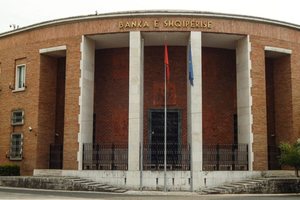
The new draft law "On the Bank of Albania" provides that t...

This Tuesday, one US dollar is bought for 81.2 lek and sol...