

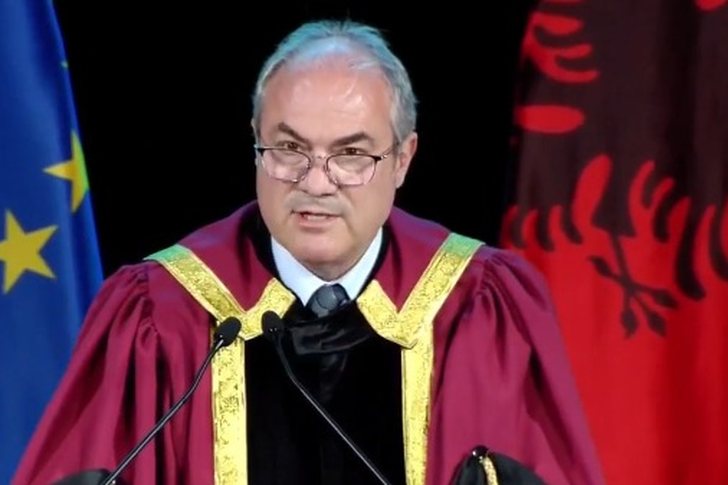
The title "Doctor Honoris Causa"/ Rector Akli Fundo honors one of the prominent personalities
The Rector of the Polytechnic University of Tirana, Akli F...


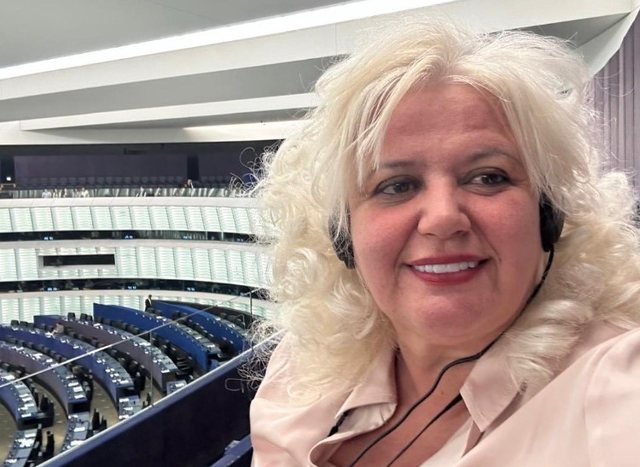
By Monada Mehmetaj, Strasbourg
The European Union is preparing to significantly change the way social security systems work for citizens who live and work in more than one member state. A new interim agreement on the coordination of social security systems has been approved by the European Parliament's Employment and Social Affairs Committee, marking an important step towards modernising rules affecting millions of workers in Europe.
The agreement was approved with 47 votes in favor, 3 against and 4 abstentions, and now enters its final phase: it must be formally approved by the European Parliament in plenary session and by the Council of the European Union to enter into force.
These new rules aim to bring more clarity, fairness and cooperation between member states, at a time when the free movement of workers has become an everyday reality in the European single market.
A clearer system for social security
At the heart of the reform is a problem that has been known for years: when a person works in one state and lives in another, or has worked in several different countries, it is often not clear which state should pay social benefits.
The new rules set more precise criteria for determining which state is responsible. In general, the state where a person has most recently worked and been insured for a minimum period will be responsible for the main social benefits.
Another important element is the strengthening of cooperation between member states. Authorities will be obliged to exchange information on employment and insurance more quickly, in order to avoid errors, delays and abuses. This also includes the fight against fraudulent practices such as fictitious companies that exist only on paper to benefit from more favorable rules.
Unemployment benefits: more clarity for workers
One of the most important changes relates to unemployment benefits, an area that has often created confusion for cross-border workers.
Under the new rules, periods of work, self-employment and insurance completed in different countries will be counted in a more coordinated way. The country where a person last worked will be responsible for paying benefits if they have been employed there for at least one month without interruption.
Also, citizens who go to another EU country to look for work will be entitled to continue receiving unemployment benefits from their country of origin for a period of up to six months, with the possibility of extension until the end of their entitlement.
For cross-border workers, the rule becomes even clearer: if a person has been employed, self-employed or insured for at least 22 weeks without interruption in a member state, that state will be responsible for paying unemployment benefits.
Family benefits: less inequality, more justice
The reform also brings changes to the way family benefits are handled in the EU. Currently, national systems vary greatly from one country to another, often creating inequalities and uncertainty for families on the move.
The new rules make a clearer distinction between:
* cash benefits that replace income when a parent reduces or stops working to care for the child
* and other family benefits
The aim is to avoid financial disadvantages that may discourage parents from taking time for childcare and to promote a more equal sharing of family responsibilities.
Long-term care: more legal certainty
The agreement also brings a new definition of long-term care benefits, including a clearer list of measures covered by European coordination.
This is particularly important in a Europe facing an ageing population and increasing demand for care services. The new rules aim to guarantee more legal certainty for both people in need of care and those providing it.
Workers sent abroad: stronger measures against abuses
Another important part of the reform relates to workers who are temporarily sent to another country by their employer.
According to the new rules:
* Workers posted for up to 24 months will remain insured in the country where the employer is registered.
* They must have been insured for at least 3 months prior to shipment
* A mandatory prior notification system for the sending state authorities is introduced
There are also exceptions for short business trips of up to three days within a 30-day period, but the construction sector is excluded from this facility due to the high risk of abuse.
Working in several countries at the same time: a more precise definition
In an increasingly digital economy, many workers work in more than one country at the same time. The new rules set clearer criteria for determining where an employer's "real centre" of activity is located.
Factors such as:
* the place where key decisions are made
* the place where most of the income is generated
* the place where the main business activities take place
This aims to avoid situations where companies artificially choose a country just to benefit from more favorable rules.
Inactive citizens: health insurance obligation
The new rules also cover economically inactive citizens moving to another EU country. In line with rulings by the Court of Justice of the EU, these individuals must have full health insurance coverage in the country where they live.
Next steps
Although the agreement has been approved in a parliamentary committee, it is not yet final. It must pass:
* voting in the plenary session of the European Parliament
* and final approval by the Council of the European Union
Only after this process will the new rules enter into force and be applied in all member states.
The new reform of social security coordination represents one of the most important efforts in recent years to adapt the European system to the reality of an increasingly mobile labor market.
By bringing more clarity to unemployment, family benefits, long-term care and cross-border work, the EU aims to ensure that movement within it does not mean a loss of social rights, but a fairer, safer and more coordinated system for all its citizens./ CNA

The Rector of the Polytechnic University of Tirana, Akli F...
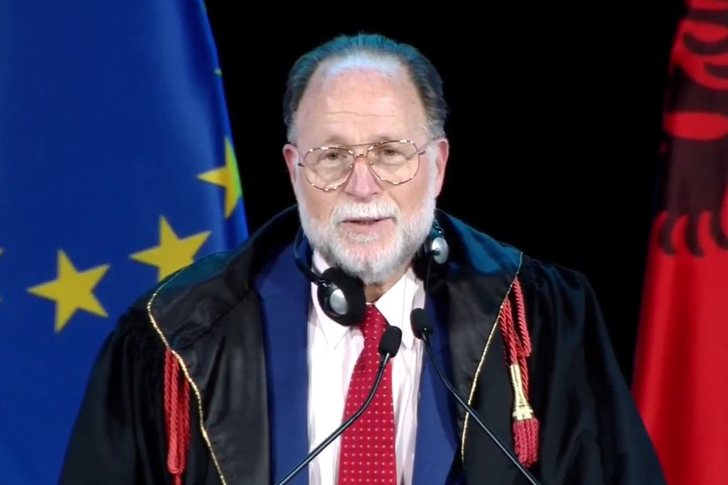
Today, one of the solemn ceremonies for awarding the title...
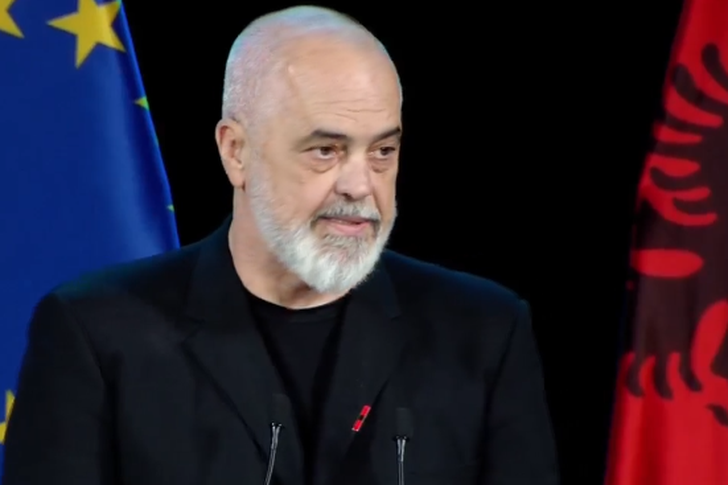
Prime Minister Edi Rama was present this afternoon at the ...

Democratic Party leadership member Grigels Muçollari has r...
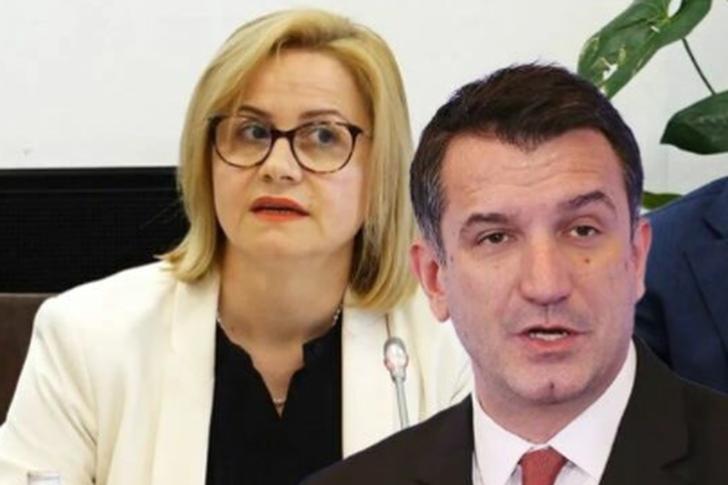
We live in a time when justice begins and ends before it i...
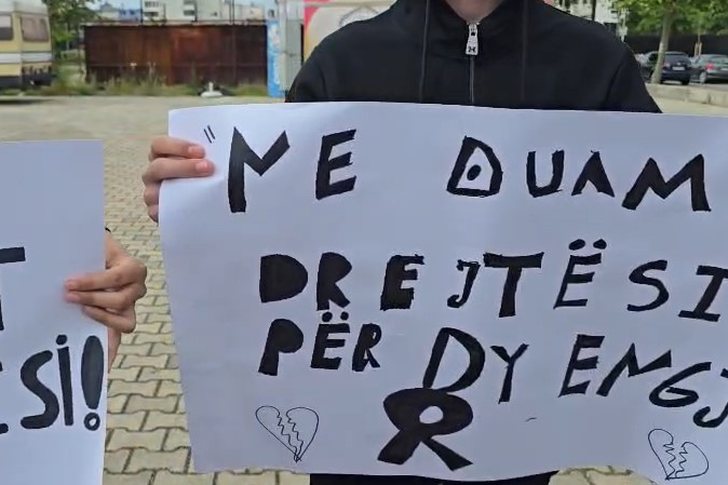
This Wednesday afternoon, citizens gathered in "Liria" Squ...

Residents of the "Arapaj" neighborhood in Durrës have gone...
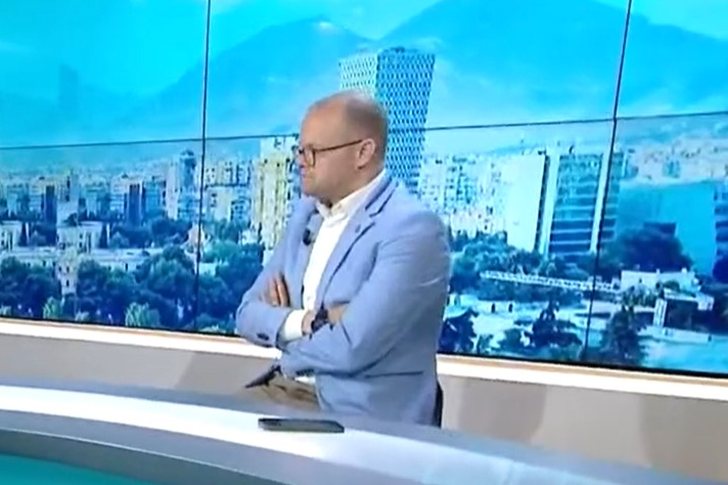
Journalist and activist Aulon Kalaja has spoken about the ...

The Chairwoman of the Tourism, Culture and Diaspora Commit...
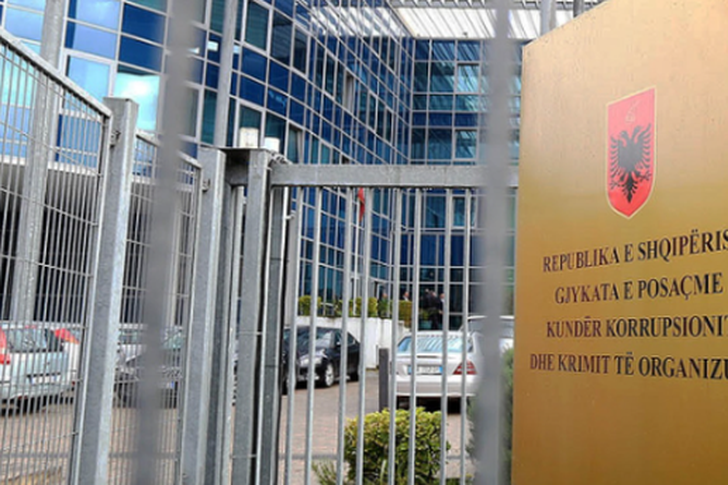
The Special Court has accepted the summary trial for some ...
Kryeministri Edi Rama ka mbajtur një fjalim në ceremoninë ...

Today, state tributes were held at the National Opera and ...
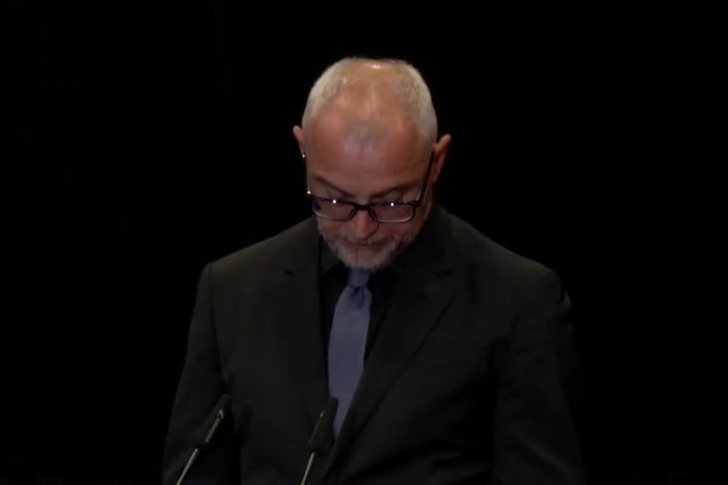
Servet Pëllumbi's son, Arben Pëllumbi, delivered his speec...
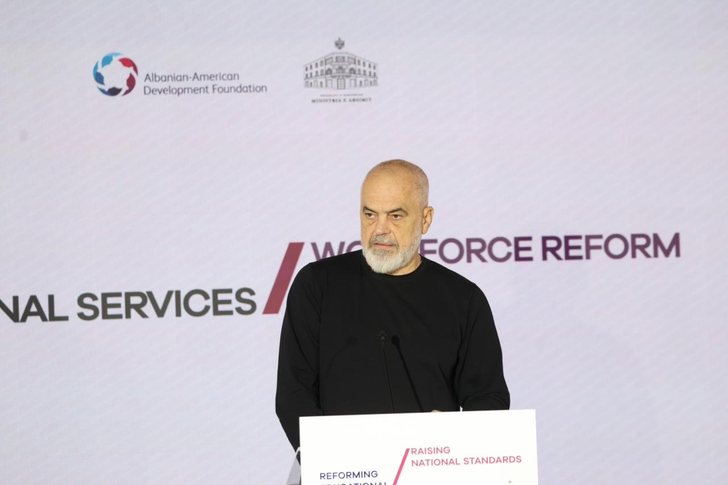
Today, the signing ceremony of the agreement between the M...
The hearing at the Criminal Court of Kosovo for Artan Tafa...
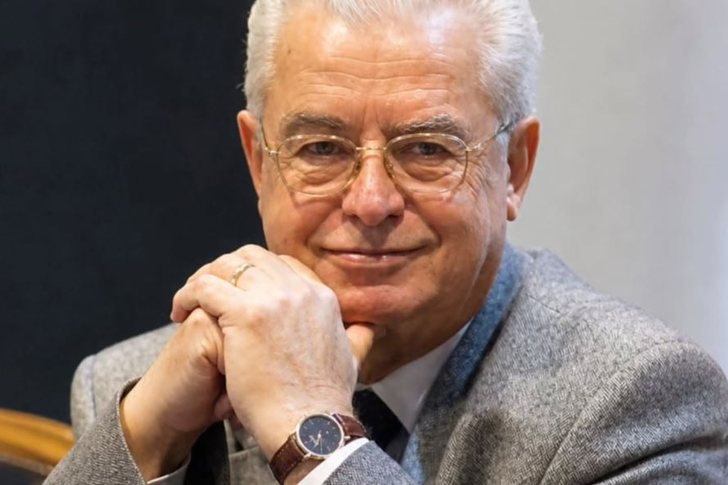
Former MP Arben Pëllumbi has reacted to the passing of his...
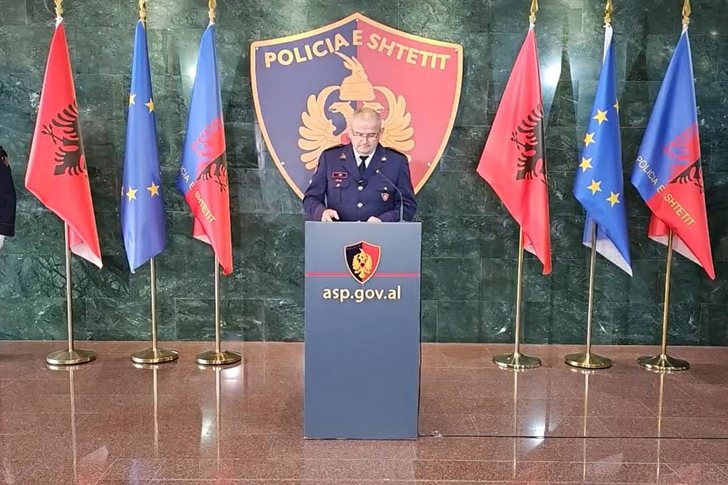
The Director of the Department for Public Order and Securi...

Albanian rapper Rigels Rajku, known by his stage name Noiz...
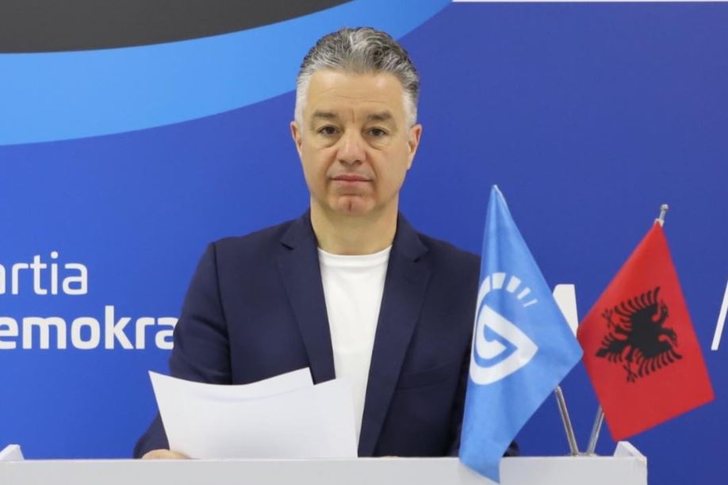
DP MP Enno Bozdo gave a statement to the media today from ...

Today, a funeral ceremony is being held in honor of the fo...

CNA has launched another investigation that could lead to ...

Irfan Hysenbelliu is a businessman that we call "Irfan the...

In March 2026, CNA launched another investigation centered...
The arrested mayor of Tirana, Erion Veliaj, with 13 charge...

The Special Board of Appeal (KPA) decided this Monday ...

The KPA vetting decided this Thursday to dismiss the p...

Suela Salavaçi, a prosecutor in the Prosecutor's Offic...

The Special Board of Appeal reinstated the prosecutor ...
Footage emerges from the serious accident that occurred th...

A Shkodra traffic police officer was hit with hard objects...

This Wednesday, around 4:00 PM, a serious accident occurre...

Tirana Police have shared details regarding the accident t...
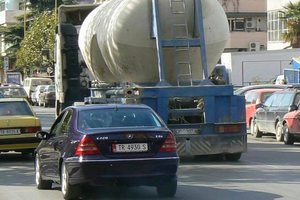
A serious accident that occurred this Wednesday with the c...

The Institute of Geosciences has shared a forecast for wea...
Rising energy and fertilizer prices are expected to contin...
Over 18,000 foreign citizens from 140 countries have appli...
The trial of ousted Venezuelan President Nicolas Maduro on...
US President Donald Trump has issued another warning to Ir...
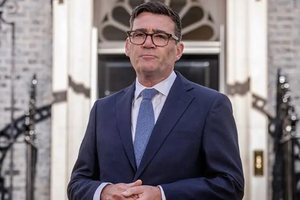
Prime Minister Andy Burnham has announced that most bus fa...

France's parliament has passed a law to ban social media f...

At a time when industrial products are increasingly taking...

Trust among people is not just a three-syllable word. It c...

Master of humor Todi Llupi has passed away at the age of 7...

The ninth edition of "MIK Festival" kicked off with one of...
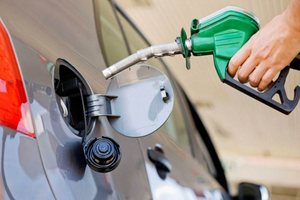
The price of diesel reached 206 lek per liter from 198 lek...

Businesses will no longer be required to simply register t...

Despite economic growth and income in recent years, Albani...

This Wednesday, one US dollar is bought for 81.4 lek and s...