

Fevziu tregon rastin me prokurorinë: I hapën telefonin, gjerat personale ua dhanë gazetarëve
Drejtuesi i emisionit “Opinion” në Tv Klan, gazetari B...


The organization "Reporters Without Borders" expresses concern about the state of press freedom in the world, which according to it is being threatened by those who should be its guarantors, the political authorities.
In the latest annual World Press Freedom Index compiled by this organization, it is noted that the lack of political will to protect media rights is accelerating the decline of its freedom.
The Index's findings are based on the fact that of the five indicators used to make the respective rankings, the political indicator has fallen the most, recording a global average annual decline of 7.6 points.
"A growing number of states and political authorities are not fulfilling their role as guarantors of the best possible environment for journalists as well as the right of public opinion to receive reliable, independent and diverse information. The organization 'Reporters Without Borders' notes a worrying decline in support and respect for media independence and increased pressure from the state or other political actors", says the Index made public on World Press Freedom Day.
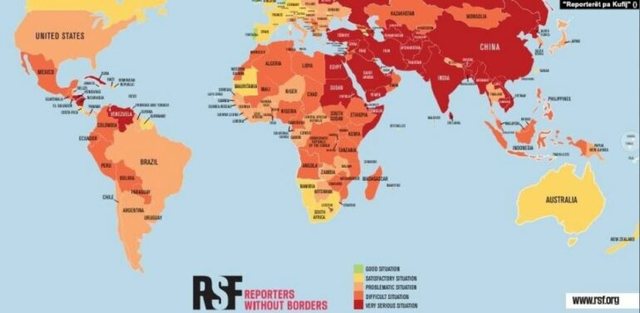
The index classifies the level of press as "good", "satisfactory", "problematic", "difficult" or "very dangerous".
Norway ranks first for the eighth year in a row, while the last three countries with the worst press freedom in the world are Afghanistan, Syria and Eritrea.
The report notes that "political interests create a suffocating atmosphere for journalists in many candidate countries for membership in the European Union, such as Bosnia-Herzegovina (ranked 81st), Serbia (ranked 98th) and Albania (ranked 99th) . Turkey (158th) continues to imprison journalists and undermine the media through online media censorship and control over the judiciary."
Further declines have been noted in Eastern Europe and Central Asia, where press freedom is not guaranteed and where the media is increasingly used in disinformation campaigns.
The Russian state (ranked 162nd) has continued its attack on independent journalism, while over 1,500 journalists have fled the country following Russian aggression against Ukraine.
Albania, the conflict of interest and the interference of the owners hinder the independence of the media
Albania has marked a deterioration in press freedom, ranking it last among the countries of the region and candidate states for the European Union.
In the Index that includes 180 countries, it ranks 99th. Kosovo ranks 75th.
The organization "Reporters Without Borders" estimates that the environment for freedom of the press in Albania "is difficult". It has lost three places compared to a year ago, when it was listed 96th.
"In Albania, editorial independence is threatened by partisan rules. "Journalists fall victim to organized crime and sometimes police violence, fueled by the government's failure to protect them."
Together with Serbia, Albania faces the biggest decline in the Index in the Western Balkan countries.
Pavol Szalai, editor of the "Reporters Without Borders" Report for the EU and the Balkans, says in an interview for Voice of America that compared to European standards, the situation for journalists in Albania is extremely difficult. "Last year, a security employee was killed as a result of shooting at the 'Top Channel' television building. In the assessment for Albania, this is reflected in a lower security indicator. But the other 4 indicators of press freedom have also decreased - the economic environment, the political environment, the legal framework and the indicator of social life", he says.
According to Mr. Szalai, Albania's ongoing problems have deepened over the past year. "The biggest problem is the conflict of interest and the interference of media owners on editorial independence. Another problem is the low level of long-term sustainable development of the media in Albania, which is further complicated by the censorship of online media, in social networks, something common there, and by verbal political attacks against journalists, which are made by both parties, the government and the opposition", he says.
Regarding the safety of journalists, he points out "the problem of organized crime, as well as online campaigns in certain media, with a lot of hatred and defamation against journalists". According to him, "this is not something new, but the problems in Albania are still bigger, so it ranks last in the region".
Kosovo is included in the group of countries where the media environment is "problematic". It ranks 75th, dropping 19 places from last year, when it was listed 56th.
"We must see this decline in the context of tensions between Kosovo and Serbia, in this context, journalists in Kosovo have faced and endured many physical attacks against them. There are dozens of such attacks, while the ruling party increased the pressure on the independent media. There was also a kind of administrative persecution against the private television station "Klan Kosova". On the other hand, the director of public television, who is connected to the government camp, was elected. So, it is these security risks and political risks, which you know have had serious consequences on the freedom of the press in Kosovo", Pavol Szalai, of Reporters Without Borders, says to the Voice of America. "
Freedom of the press in the Western Balkans
All Western Balkan countries have faced a decline in press freedom, except for North Macedonia, which has improved, ranking 36th.
Serbia është radhitur e 98-ta, renditja e saj më e keqe në 22 vitet e fundit, që kur “Reporterët Pa Kufij” nisën publikimin e Indeksit Botëror mbi Lirinë e Shtypit.
“Gazetaria cilësore dhe fituese e çmimeve, e cila investigon krimin dhe korrupsionin, ndodhet e kapur mes lajmeve të rreme jashtë çdo kontrolli dhe propagandës. Ndonëse korniza ligjore është e fortë, gazetarët kërcënohen nga trysnitë politike dhe mosndëshkimi i krimeve të kryera ndaj tyre”, thuhet në raport.
Maqedonia e Veriut dhe Mali i Zi vlerësohen si vende ku gjendja e lirisë së shtypit është e “kënaqshme’. Maqedonia është përmirësuar me dy vende nga viti i kaluar, kur u rendit e 38-ta.
Mali i Zi radhitet në vend të 40, nga 39 që ishte vjet.
Bosnje Hercegovina listohet e 81-ta, 17 vende më poshtë se vitin e shkuar.
Gazetaria përballë dezinformimit
Organizata thotë se përdorimi i inteligjencës artificiale për përhapjen e dezinformimit për qëllime politike është shqetësues, duke theksuar se lajmet e rreme po zënë një rol të rëndësishëm në ndikimin e procesit zgjedhor.
Sipas saj, grupet politike shpesh shërbejnë si kanale për përhapjen e dezinformimit apo edhe nxitjen e tij. Në 138 vende nga 180 që vlerësohen në Indeks, të anketuarit e pyetuar kanë pohuar se aktorët politikë shpesh përfshihen në përhapjen e propagandës ose fushatat e dezinformimit.
Në Evropën Lindore dhe Azinë Qendrore, veçanërisht në Bjellorusi, Gjeorgji, Kirgistan dhe Azerbajxhan është forcuar ndjeshëm censura mbi median, duke imituar metodat shtypëse të Rusisë, thuhet në raport. “Ndikimi i Kremlinit ka arritur deri në Serbi, ku mediat pro-qeveritare përhapin propagandën ruse dhe autoritetet kërcënojnë gazetarët rusë në mërgim”, thuhet në raport.
Gjendja e shtypit në botë
Vendet ku gjendja e lirisë së shtypit është “e mirë” ndodhen të gjitha në Evropë dhe më konkretisht brenda Bashkimit Europian.
Për të tetin vit radhazi, vendin e parë e zë Norvegjia, e ndjekur nga Danimarka dhe Suedia. Organizata vëren se politikanët në Evropë po përpiqen të ngushtojnë hapësirën për gazetari të pavarur. “Në krye të kësaj prirjeje të rrezikshme janë kryeministri i Hungarisë që mbështet Kremlinin, Viktor Orban dhe homologu i tij sllovak Robert Fico”.
Liria e shtypit është vënë në provë nga partitë në pushtet në Hungari, (vendi 67), Maltë (vendi 73) dhe Greqi (vendi 88), vendet europiane me renditjen më të ulët. Edhe Italia që drejtohet nga kryeministrja Giorgia Meloni ka zbritur me tre vende duke u renditur në vendin e 46. Dhe në Evropën Lindore kushtet për të bërë gazetari po përkeqësohen për shkak të dezinformimit dhe censurës mediatike, nëpërmjet ngritjes së akuzave të pavërteta për terrorizëm ose për dëmtim të sigurisë kombëtare.
This is what is happening in Russia (162nd place), Belarus (167th place) and Turkmenistan (175th), while in Georgia, which has dropped 26 places, ranking 103rd, the ruling party is promotes the policy of rapprochement with Moscow.
Thanks to the improvement of its security indicator – fewer journalists killed and the political indicator, Ukraine has moved up 18 places, ranking 61st.
Afghanistan, which relentlessly persecutes journalists since the Taliban took control of the country, Syria and Eritrea are listed in the last three countries, where the situation for journalists is "very dangerous".
The index ranks the United States in 55th place, a drop of 10 places, dropping from "satisfactory" to "problematic" states for press freedom.
"The US falls 10 places as it prepares for the 2024 presidential election amid growing distrust of the media, fueled in part by the open malicious antagonism of political officials toward it, including calls for the jailing of journalists," notes Reporters Without Borders. Limits". "In some high-profile cases, local law enforcement agencies have carried out acts of intimidation, including raiding newsrooms and arresting journalists."
In the Middle East and North Africa, the situation is "very dangerous" in nearly half of the countries. During this year, 8 other countries - Yemen, Saudi Arabia, Iran, Palestine, Iraq, Bahrain, Syria and Egypt, marked in red on the map, were joined by the United Arab Emirates. The Palestinian territories, the deadliest for journalists, also rank near the bottom of the Index. Qatar is the only country in this region, where the situation is neither "difficult" nor "very dangerous".
The organization estimates that since October 2023, the war in Gaza has marked a record number of attacks against the media and journalists. Over 100 Palestinian reporters have been killed by Israeli security forces, including at least 22 journalists killed while on the job.
In addition to being the country with the highest number of arrested journalists in the world, China's government (ranked 172nd) continues to exercise tight control over news channels, with censorship and surveillance policies, making content adjustments in internet and limiting the spread of information deemed sensitive or contrary to the party line.
Turkey has continued to lose points in the Index, ranking 158th. "Reporters Without Borders" note that the re-election of President Recep Tayyip Erdogan is a source of some concern./ VOA

Drejtuesi i emisionit “Opinion” në Tv Klan, gazetari B...
The rates of young people emigrating to Albania in the...
In the show "The Unexposed", journalist Ola Xama spoke...
Journalist Elvi Fundo announced a few days ago that th...

Journalist Elvi Fundo revealed other schemes of the di...
Journalist Elvi Fundo has read the court's decision re...

Journalist Klodiana Lala has discovered what the mayor of ...
Journalist Artan Hoxha has informed that he received t...
Journalist Elvi Fundo spoke about the directors of Vel...
Gazetari Elvi Fundo ka deklaruar se Erion Veliaj ka vjedhu...
Gazetari Ylli Rakipi ka komentuar në hyrje të emisionit të...
Through an article, the Greek media Kathimerini reported t...

Today, Prime Minister Edi Rama made it very clear the ...
Drejtuesi politik i PD-së për Tiranën, Belind Këlliçi ...
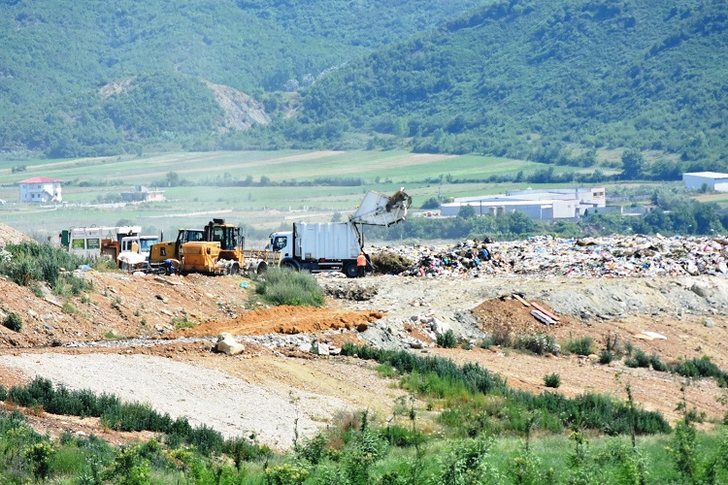
Drejtuesi politik i PD-së për Tiranën, Belind Këlliçi ...
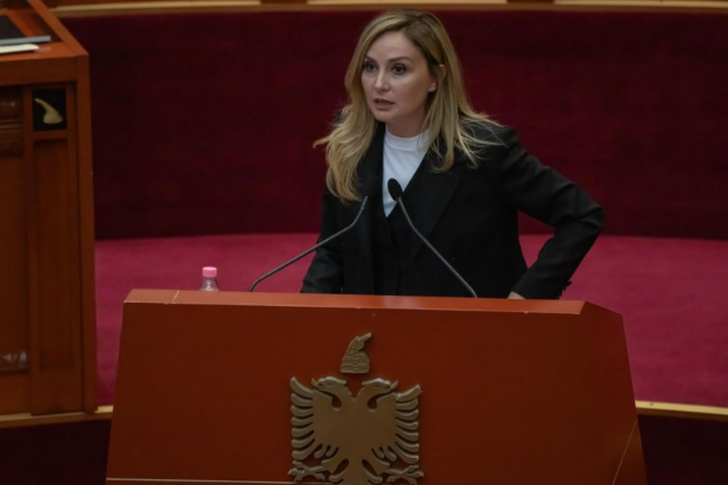
Deputetja e PD-së, Jorida Tabaku, ka folur për taksimi...
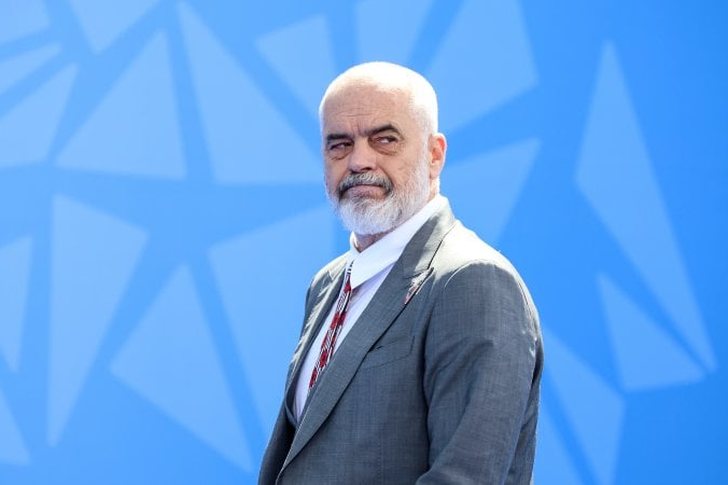
Today, Prime Minister Edi Rama has published the inter...
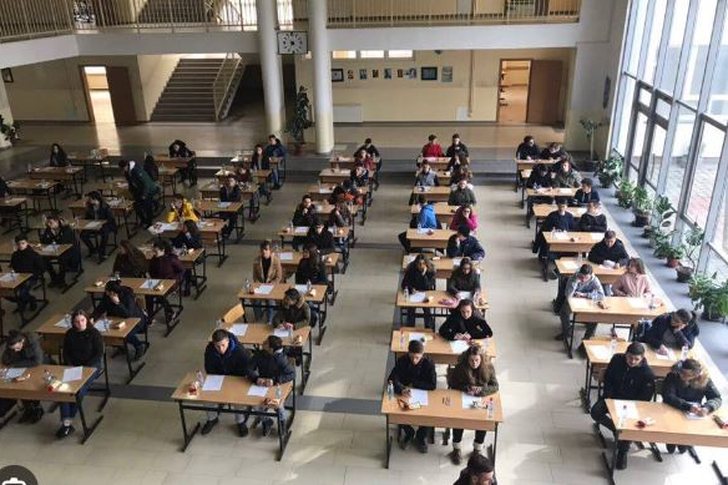
Scandal. In the text of the National Mathematics Olymp...

In the ceremony that is taking place in the Municipal Coun...
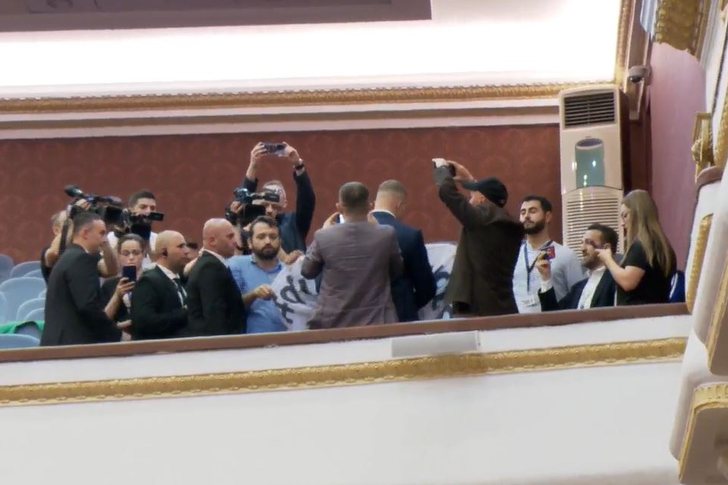
The plenary session has started a few minutes ago. Me...

CNA has launched another investigation that could lead to ...

Irfan Hysenbelliu is a businessman that we call "Irfan the...

In March 2026, CNA launched another investigation centered...
The arrested mayor of Tirana, Erion Veliaj, with 13 charge...

The Special Board of Appeal (KPA) decided this Monday ...

The KPA vetting decided this Thursday to dismiss the p...

Suela Salavaçi, a prosecutor in the Prosecutor's Offic...

The Special Board of Appeal reinstated the prosecutor ...
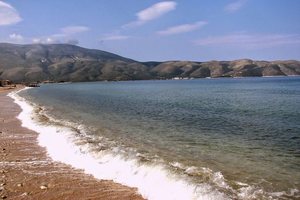
A person has died today on Orikum beach. According to repo...
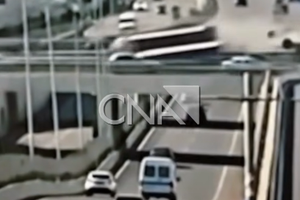
Footage emerges from the serious accident that occurred th...

A Shkodra traffic police officer was hit with hard objects...
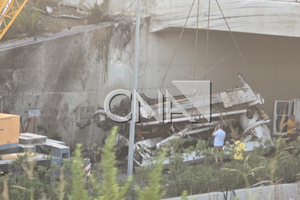
This Wednesday, around 4:00 PM, a serious accident occurre...

Children without parental care, for whom alternative famil...
On Thursday, our country will be under the influence of st...
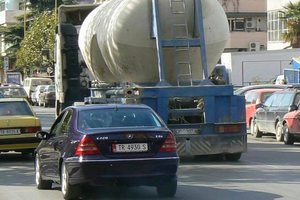
A serious accident that occurred this Wednesday with the c...

The Institute of Geosciences has shared a forecast for wea...

Artificial intelligence (AI) models from the American comp...
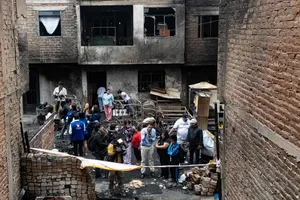
At least 10 people have died after a fire broke out in a h...
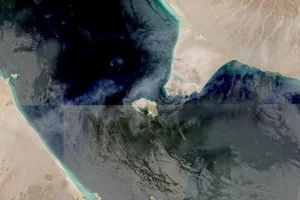
Yemen's Houthis have claimed to have attacked two Saudi oi...
The trial of ousted Venezuelan President Nicolas Maduro on...

At a time when industrial products are increasingly taking...

Trust among people is not just a three-syllable word. It c...

Master of humor Todi Llupi has passed away at the age of 7...

The ninth edition of "MIK Festival" kicked off with one of...
The average sale price of apartments in Tirana reaches rec...

This Thursday, one US dollar is bought for 81.5 lek and so...
The price of diesel reached 206 lek per liter from 198 lek...

Businesses will no longer be required to simply register t...