


SPAK's massive operation with Italian authorities/ Dozens of security measures issued
The Brescia Prosecutor's Office and SPAK have conducted a ...


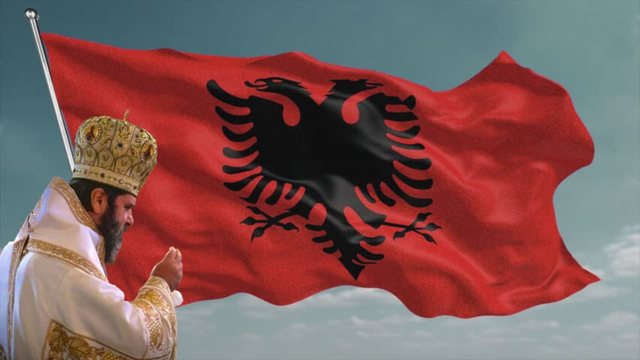
As we approach the November holidays, Archbishop Joan, in an interview with the media outlet "Ngjallja", gave strong messages about patriotism.
His Beatitude Joan has emphasized the importance of patriotism as an irreplaceable element of religious life and love for God.
The Archbishop underlines that loving the place where you were born and raised is not in contradiction with love for the Church or for people universally, but constitutes a harmony between love for the particular and the general.
His Beatitude Joan explains that denial of one's homeland is in fact denial of God, as every person is the guardian of his country and has a duty to strive for its progress, prosperity, and peace.
"The relationship between the Church and the Nation is a complicated one, but they are often artificially put in opposition. Without a doubt, the Church teaches us to love everyone, teaches us to love our country, where we were born and raised. This love is part of a great love that is for all people. All people have a love for their family, for their parents, and, undoubtedly, they will have a love for their homeland, because it is impossible to love God and not love the country where you were born and raised.
Often many people take a view that these two things are opposed to each other. To love the Church and to love God, you will obviously also love your country. This is not to love one and not to love the other. For example, to love your country and not to love God, or vice versa.
This report is very important, because if we do not have love in our soul for our country, this is an offense against God. The Church does not deny ethnicity. Without a doubt, the Church is universal and transcends it; the Church believes in the brotherhood of all the peoples of the world; the Church is catholic, inclusive, universal.
But the relationship between the general and the particular is not a confrontation of one against the other, but a harmony of one with the other. By loving God and loving all these others, we will undoubtedly love even more those around us. Love is not something abstract: to love people and the whole world in general, but to love the people we meet every day, the people we see every day.
Loving your country is part of this, so the Church does not deny ethnicity. Denying ethnicity, at least in my view, is denying God. A man who denies his homeland, denies his nation, has also denied God. That is why the Church teaches us to love our country. Loving your country means that you strive with all your heart for that country to progress, prosper, and live in peace and harmony. It is the obligation of every Christian to love his country. Since we were born here, God has appointed us as guardians of this country and we are responsible before God for its well-being, because “the earth is the Lord’s and everything in it” - says the Psalmist.
Which means that this part of the earth, which has been assigned to us who were born here, we have an obligation to love it, we have an obligation to enrich it and we have an obligation to see this country progress and shine. This is true patriotism. People must love their country, because if they do not love their country, they will certainly not love God either.
As Saint John says in his letters (1Jn.4:20) that the man who says he loves God and hates his brother is a liar; for how can you love God whom you have never seen and not love your brother whom you see every day?! Here we see our fellow countrymen, our brothers every day and if we do not love them, we certainly do not love God either. That is why the Church encourages patriotism as an important part of religious life", said Archbishop Joan./ CNA

The Brescia Prosecutor's Office and SPAK have conducted a ...
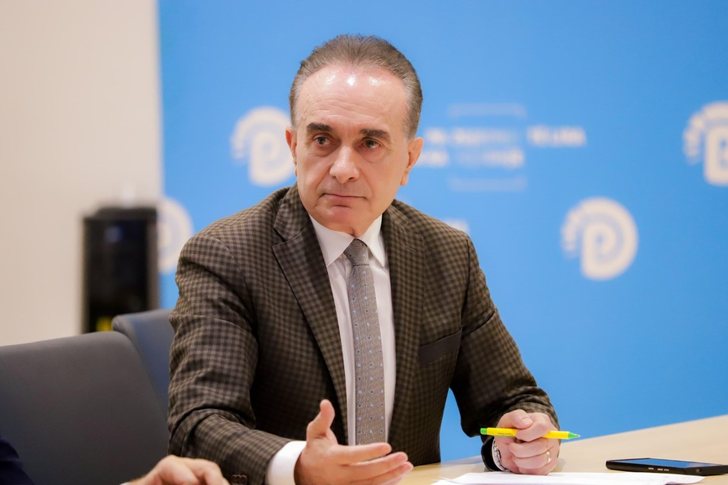
Democratic Party MP Luan Baçi has denounced the pollution ...

The overflowing of the Ishëm River has flooded hundreds of...
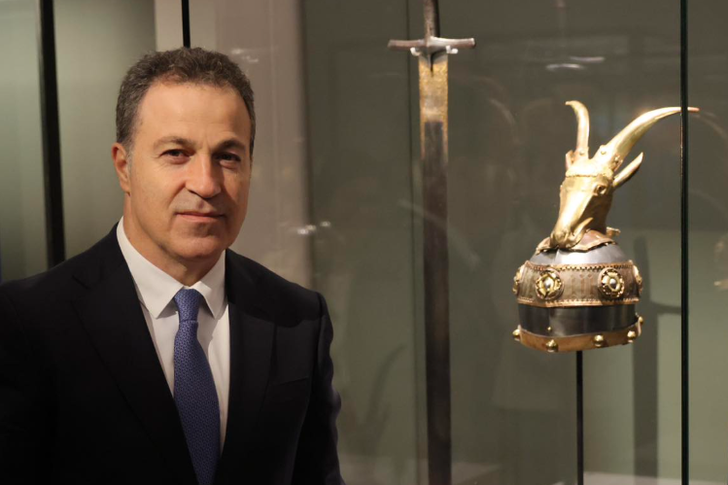
The Speaker of the Parliament, Niko Peleshi, visited the W...
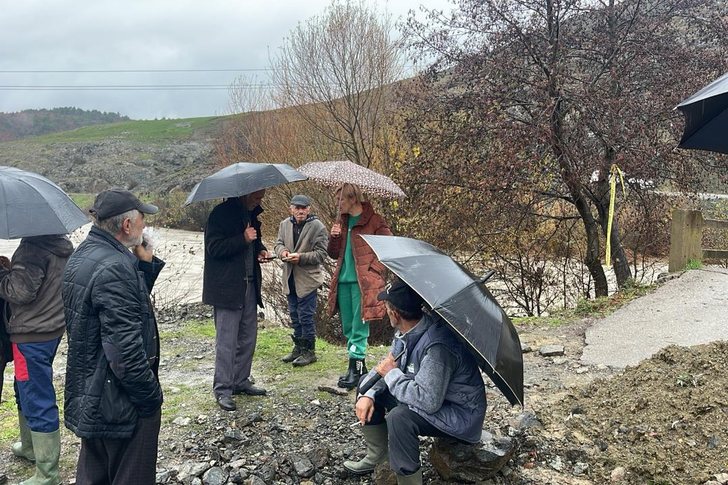
Residents of several villages in the Kolonja area proteste...
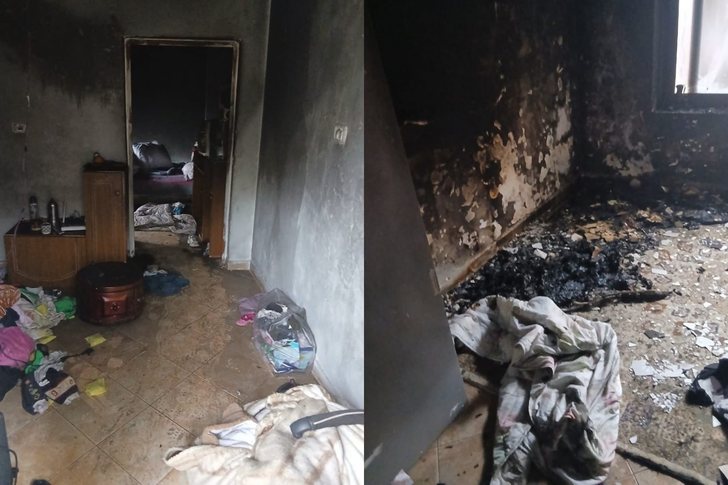
A house has been engulfed in fire in the "Skënderbeg" neig...

The leader of the Democratic Party, Sali Berisha, has reac...
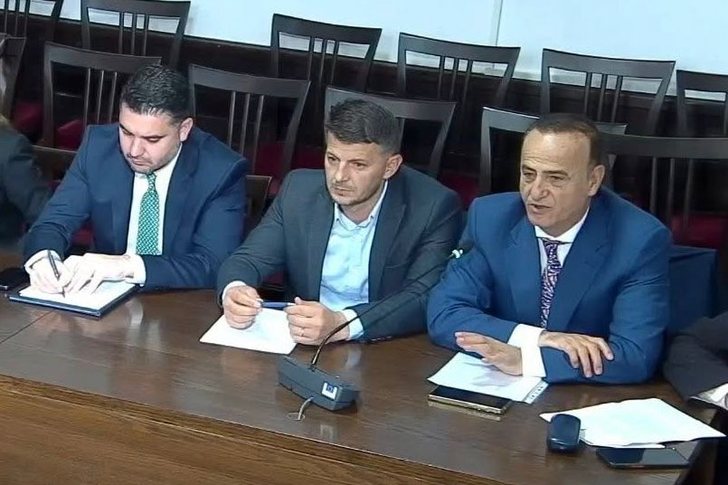
The Association of Municipalities and Local Elected Offici...

We are introducing you to the main newspaper headlines for...

In Albania, people with migration intentions in the near o...
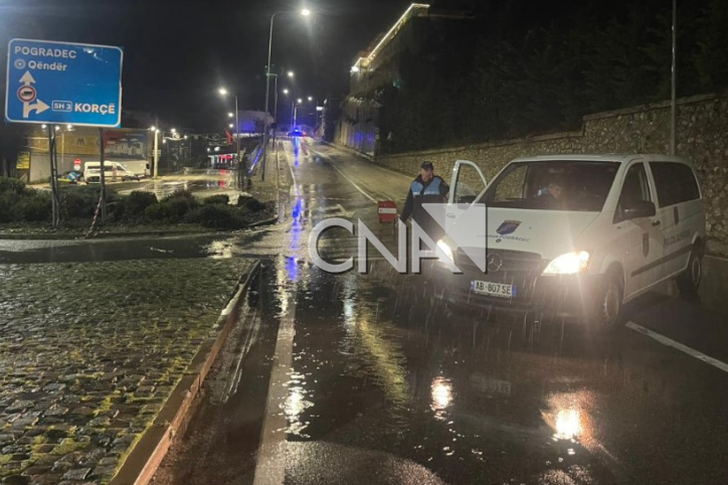
Rainfall has caused damage to the escarpment at the entran...
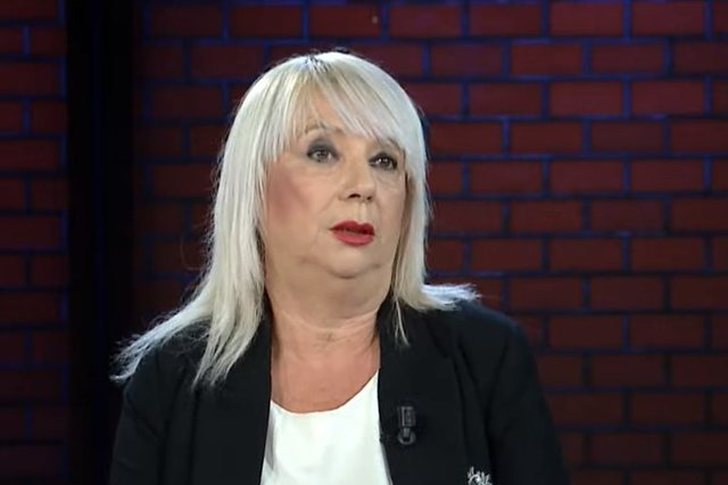
Lawyer Adriana Kalaja stated this evening that the General...
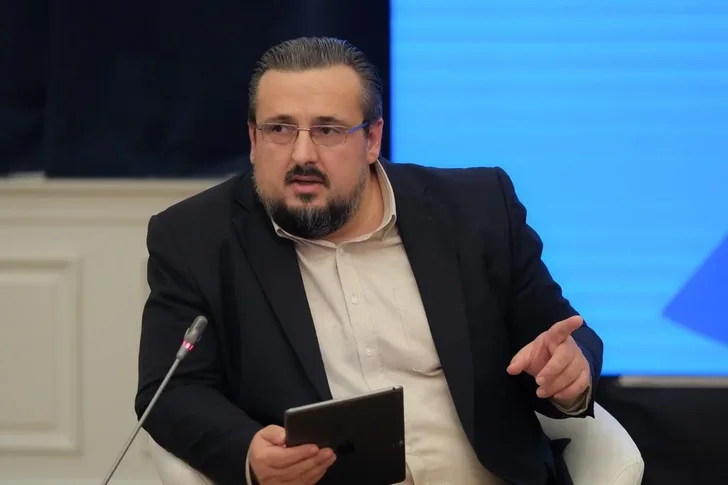
Theology scholar Kaon Serjani, invited to Top Channel, spo...

Former prosecutor Eugen Beçi commented today regarding Jon...
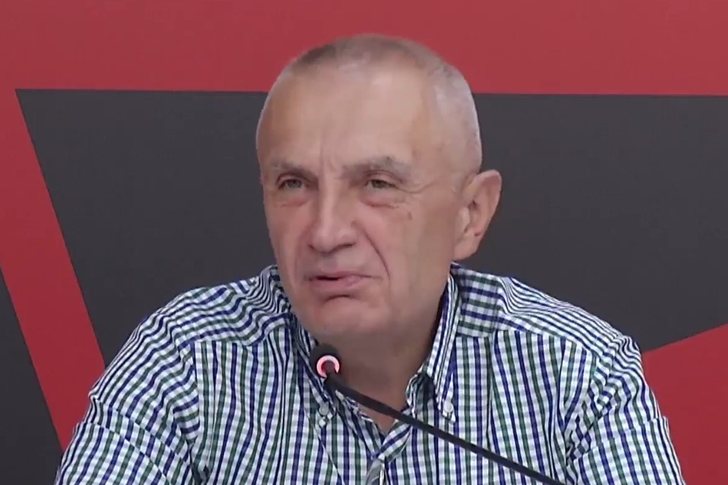
The Coordinator for the Economic Program at the Democratic...
The lawyer for the leader of the PL, Kujtim Cakrani, spoke...
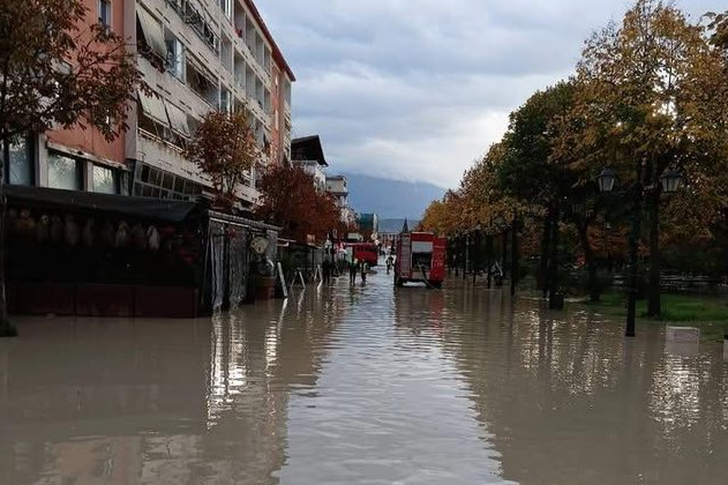
In the Municipality of Pogradec, field work continues to i...
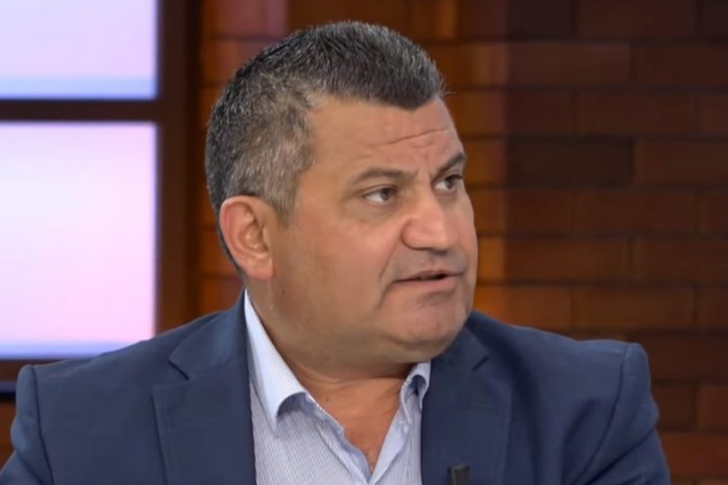
Journalist Mentor Kikia commented today on the concern ove...
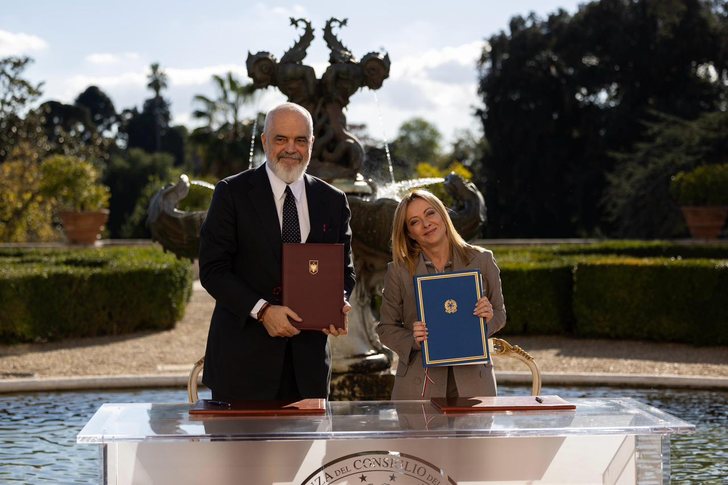
The Council of Ministers approved at today's meeting the d...
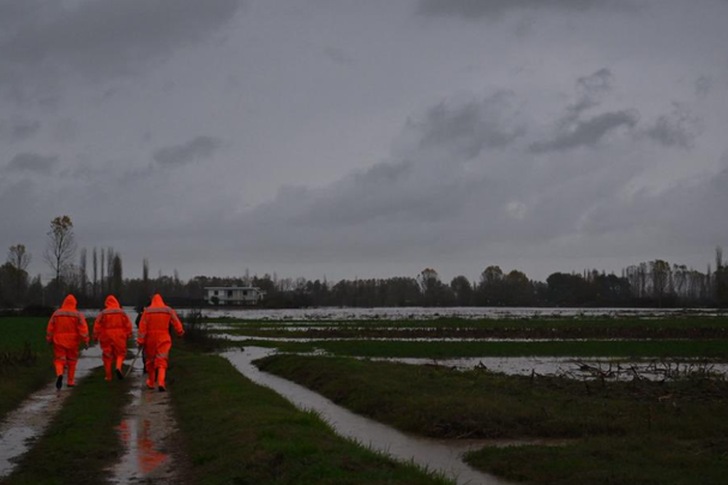
The Prefecture of Korça has provided updates regarding the...

CNA has launched another investigation that could lead to ...

Irfan Hysenbelliu is a businessman that we call "Irfan the...

In March 2026, CNA launched another investigation centered...
The arrested mayor of Tirana, Erion Veliaj, with 13 charge...

The Special Board of Appeal (KPA) decided this Monday ...

The KPA vetting decided this Thursday to dismiss the p...

Suela Salavaçi, a prosecutor in the Prosecutor's Offic...

The Special Board of Appeal reinstated the prosecutor ...
A person has died today on Orikum beach. According to repo...

Footage emerges from the serious accident that occurred th...
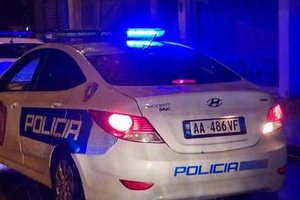
A Shkodra traffic police officer was hit with hard objects...
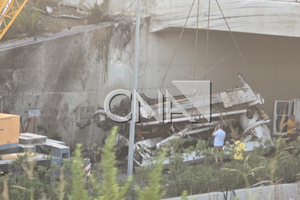
This Wednesday, around 4:00 PM, a serious accident occurre...

Children without parental care, for whom alternative famil...

On Thursday, our country will be under the influence of st...
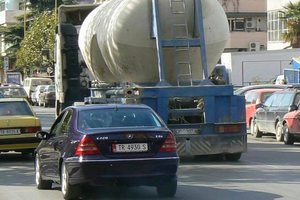
A serious accident that occurred this Wednesday with the c...

The Institute of Geosciences has shared a forecast for wea...

Artificial intelligence (AI) models from the American comp...
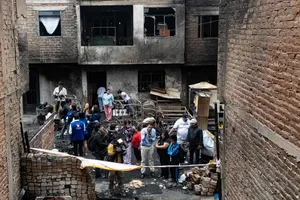
At least 10 people have died after a fire broke out in a h...
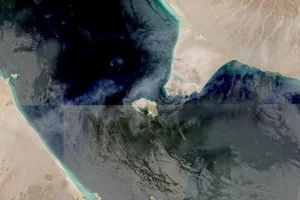
Yemen's Houthis have claimed to have attacked two Saudi oi...
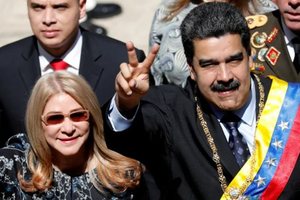
The trial of ousted Venezuelan President Nicolas Maduro on...

At a time when industrial products are increasingly taking...

Trust among people is not just a three-syllable word. It c...

Master of humor Todi Llupi has passed away at the age of 7...

The ninth edition of "MIK Festival" kicked off with one of...
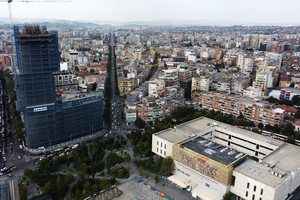
The average sale price of apartments in Tirana reaches rec...

This Thursday, one US dollar is bought for 81.5 lek and so...

The price of diesel reached 206 lek per liter from 198 lek...

Businesses will no longer be required to simply register t...