


Zak Topuzi's strong denunciation: Roads in Albania without markings and signage, a danger to life
The head of the Association of Tour Operators, Zak Topuzi,...

The head of the Association of Tour Operators, Zak Topuzi,...

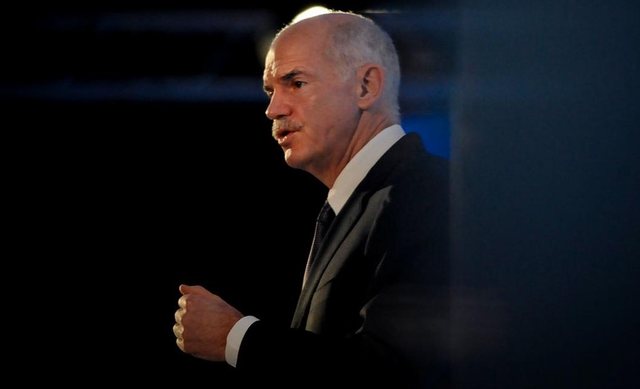
Former Prime Minister of Greece and former leader of PASOK, George Papandreou, has reacted to the passing of former Prime Minister, Fatos Nano.
Papandreou, in his reaction, described Nanon as a political leader of historical importance for Albania and a friend of his, while saying that he gave voice to the democratic and European aspirations of the Albanian people.
He further adds that Fatos Nano's leadership at a critical moment for Albania's democratic future was crucial in keeping the Albanian nation on the path of recovery and reforms. The former Greek Prime Minister did not fail to mention Nano's imprisonment and his return to public life.
Papandreou also emphasizes that under Nano's leadership, Albania took decisive steps towards the European Union, strengthened its institutions and launched the process of judicial and administrative reforms.
Full reaction:
The news of Fatos Nano's passing fills me with deep sorrow and reflection. Fatos was not only a political leader of historical importance for Albania, but also a personal friend, as well as a social democrat with whom we shared the conviction that our region can overcome its painful past and build together a democratic and European future.
Fatos Nano gave voice to the democratic and European aspirations of the Albanian people, leading the transformation of the former Party of Labor into the Socialist Party of Albania, which became the main force of the country's renaissance.
Our paths crossed most strongly during one of the most difficult moments in Albania's modern history, the 1997 crisis, when the collapse of pyramid schemes plunged the country into chaos. While Fatos Nano was in prison for most of this turbulent period, he was released after the violence and political turmoil subsided. Following his release in June 1997, he took office as Prime Minister and played a crucial role in restoring democratic order and state authority.
At that time, when Greece held the Presidency of the Council of Europe, I, as Deputy Foreign Minister, worked closely with Nano and the Albanian institutions to help consolidate stability and the rule of law.
I witnessed his determination to prevent Albania from sliding into civil conflict and his courage to restore legitimate authority.
Few people outside Albania can understand how great that challenge was, and how crucial his leadership was to keeping the country's democratic course alive.
His determination to move the country forward, promote reconciliation, and restore trust in public institutions was evident throughout that difficult period.
His leadership, at a moment when Albania's democratic future hung in the balance, proved crucial in keeping the nation on the path of recovery and reform.
Fatos Nano was a man of thought and deep convictions. An economist by profession, he understood the structural roots of transition, the need for reform, but also for social protection. He believed that democracy without dignity is incomplete. He often spoke to me about his vision for Albania as a modern European democracy, integrated into the European and transatlantic family, but rooted in its traditions of stability and pride. In this sense, he was a true social democrat, linking freedom with solidarity.
He experienced persecution and imprisonment after the regime change, but returned to public life not with bitterness, but with the conviction that reconciliation was necessary for the healing of his nation. His long political career, with its ups and downs, reflects the turbulent journey of the Albanian people themselves, from isolation to openness, from poverty to hope, from mistrust to cooperation. Under his leadership, Albania took decisive steps towards the European Union, strengthened its institutions, and initiated the process of judicial and administrative reforms.
Our friendship was built on a shared understanding that peace and progress in the Balkans depend on dialogue, mutual respect, and regional cooperation. Fatos and I worked together to promote this vision, of a Balkans that no longer looks fearfully inward, but with confidence toward the world. He believed, as I did, that democracy and social justice are inseparable from peace and good neighborly relations.
Today, as we remember him, we must also honor his legacy: the courage to lead in times of uncertainty, the willingness to compromise in the name of peace, and the belief that our peoples can overcome the divisions of history.
Albania has lost one of the founders of its post-communist era. The Balkans has lost a voice of prudence and reason. And I have lost a dear friend.
May his memory live on, and may his life be a reminder that even in the most difficult times, principled leadership can help nations find their way to democracy and hope." / CNA

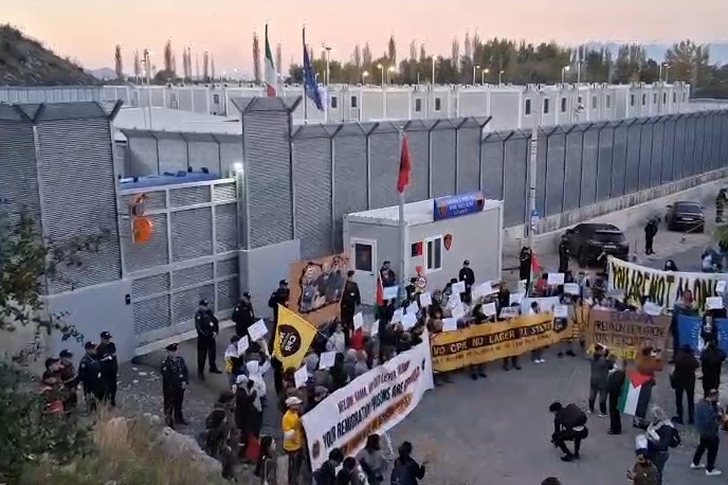
From Skanderbeg Square in Tirana, protesters against the c...
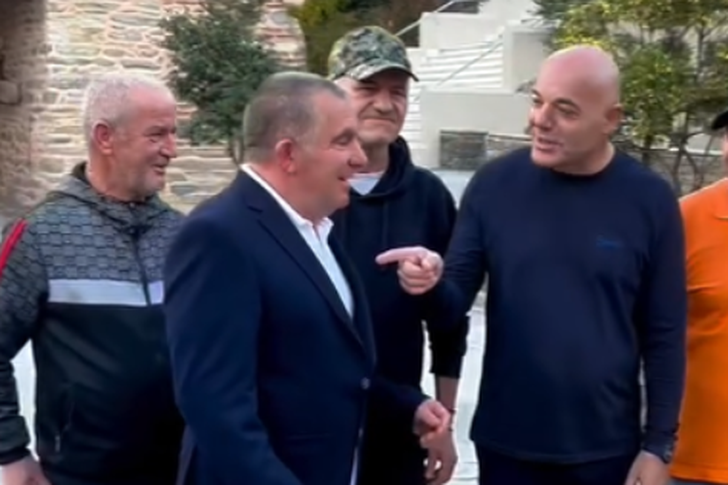
Journalist Blendi Fevziu visited the Holy Mountain in Atho...
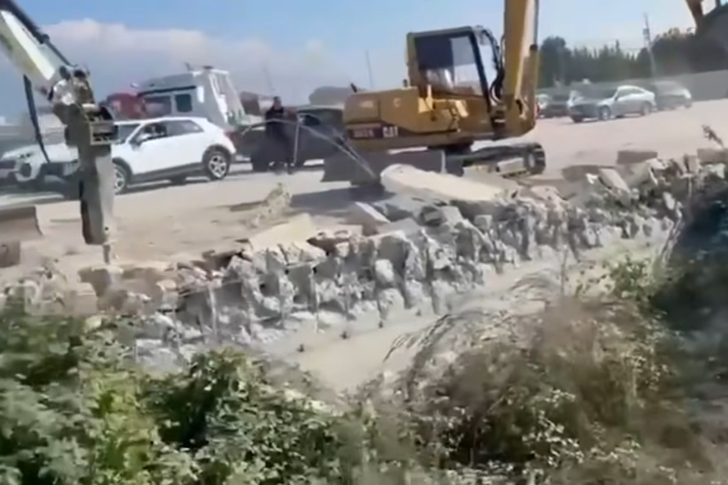
Prime Minister Edi Rama has published some footage from th...
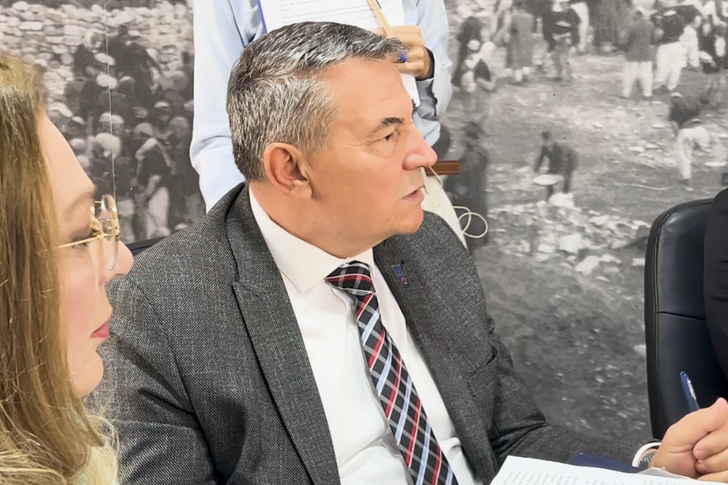
The Shkodra region is in constant danger from floods and f...
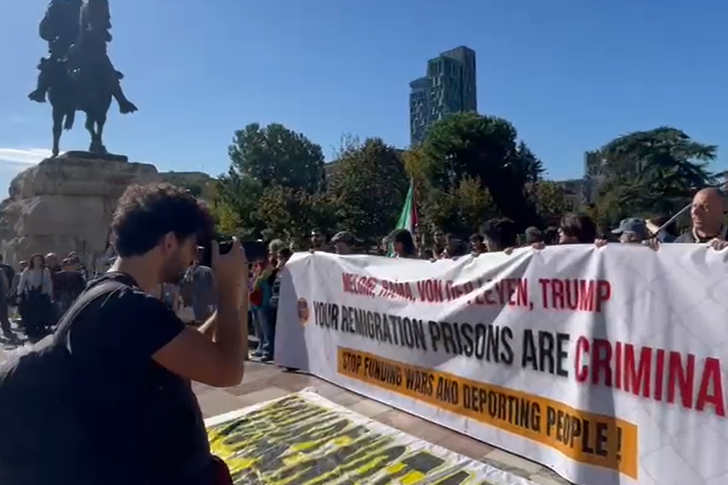
Today, a group of activists protested in Tirana against th...
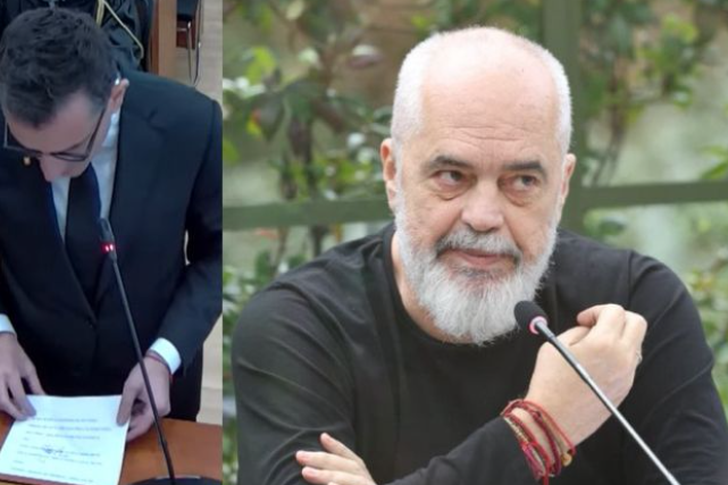
Edi Rama and Erjon Veliaj both wear a red scarf, as if...
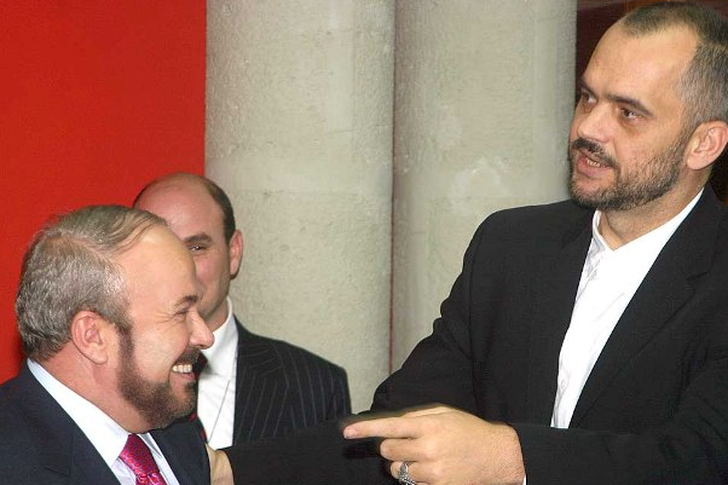
A day ago, former Prime Minister of Albania Fatos Nano pas...
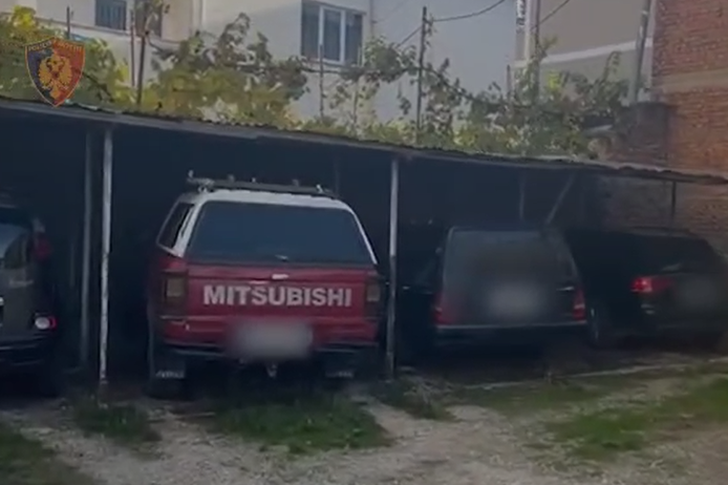
The State Police has taken stock of the work to free publi...

This Saturday we are introducing you to some of the main h...
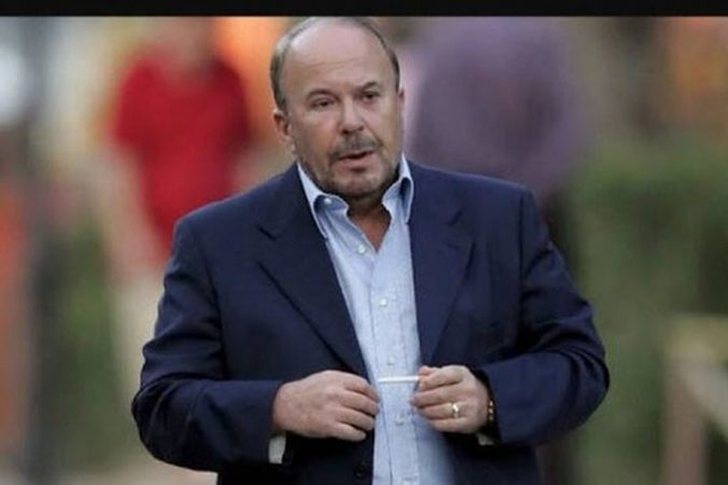
Lawyer Spartak Ngjela shared a message this afternoon foll...
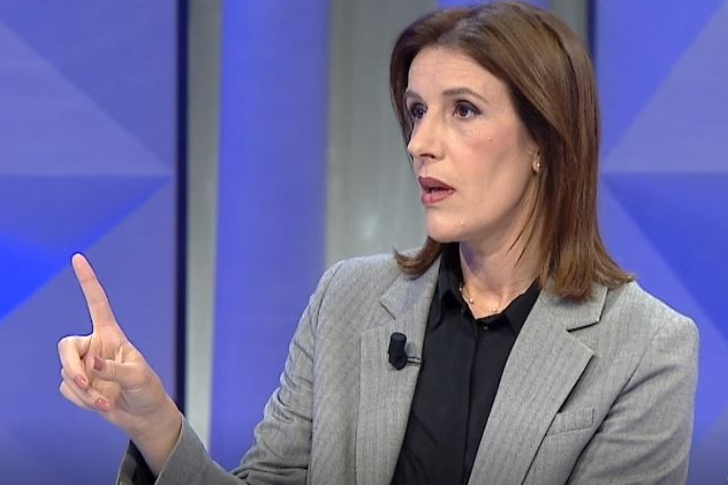
Journalist Klodiana Lala stated in a television appearance...
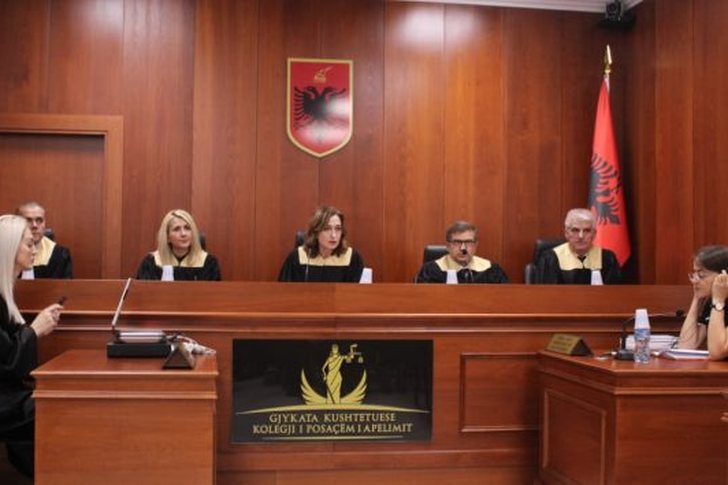
The Special Appeals Chamber has today decided to confirm i...
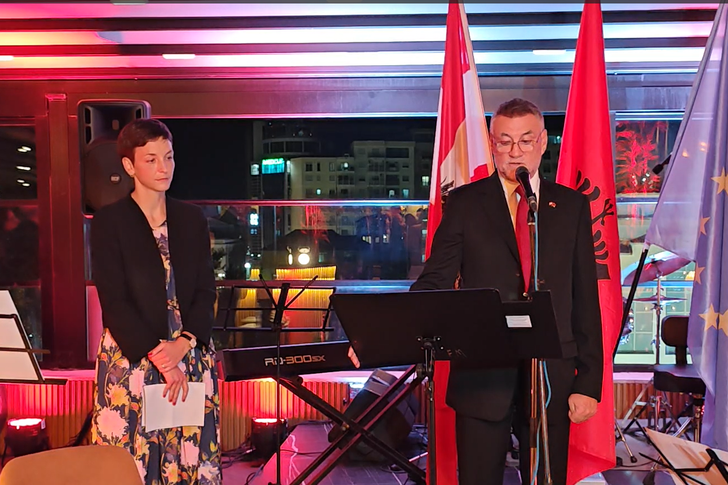
The Austrian Ambassador to Albania, Monica Zach, stated fr...
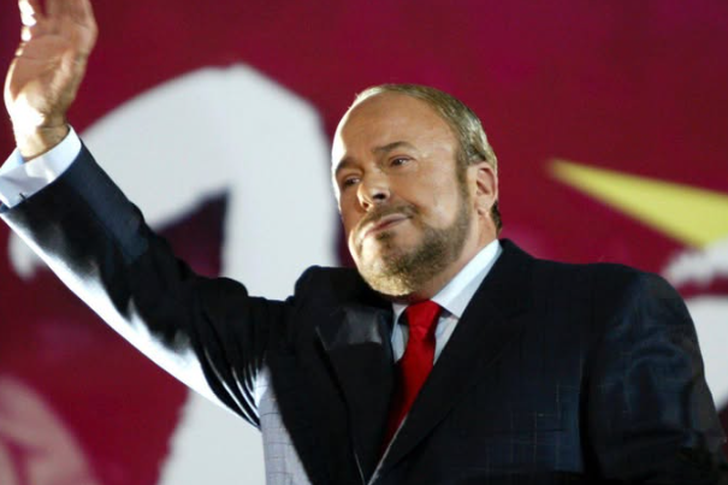
Former minister, Ditmir Bushati, shared a message today on...
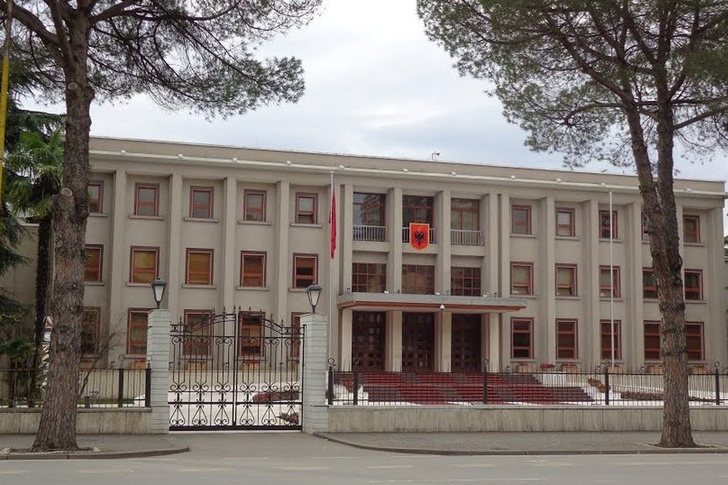
The Presidency has opened application procedures for the v...
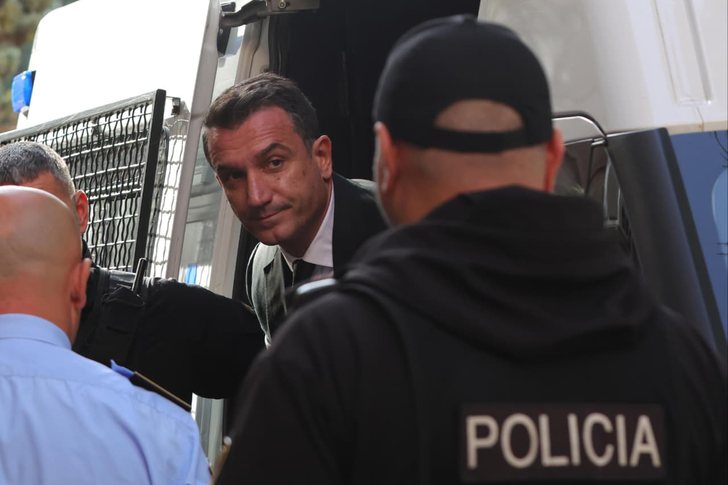
This Friday was a marathon day of public plenary hearings ...
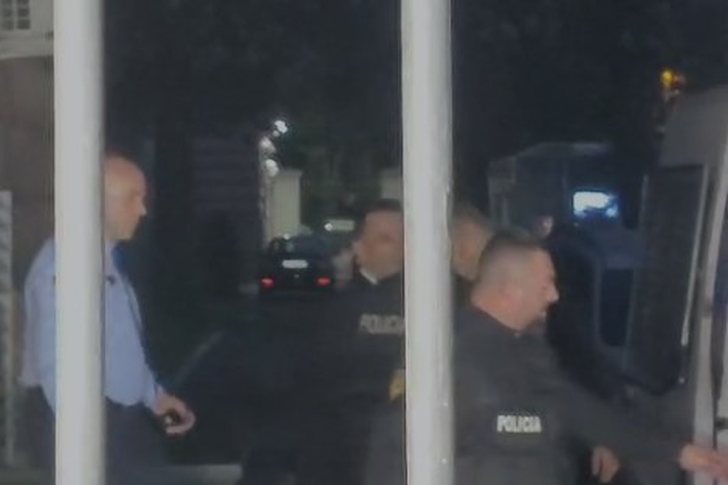
The arrested former mayor of Tirana, Erion Veliaj, has lef...

The Constitutional Court has announced its withdrawal from...

The Special Prosecution Office announced today the indictm...
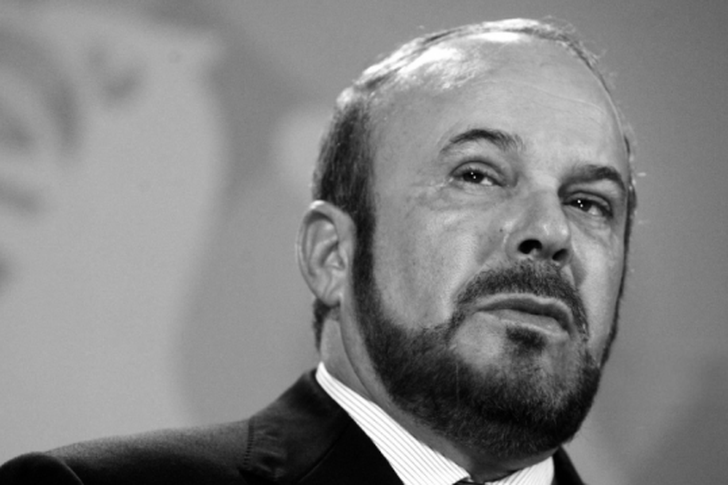
This Thursday, former Prime Minister and former Socialist ...
A 39-year-old citizen has been arrested in Lezha, after se...

CNA has launched another investigation that could lead to ...

Irfan Hysenbelliu is a businessman that we call "Irfan the...

In March 2026, CNA launched another investigation centered...

The Special Board of Appeal (KPA) decided this Monday ...

The KPA vetting decided this Thursday to dismiss the p...

Suela Salavaçi, a prosecutor in the Prosecutor's Offic...

The Special Board of Appeal reinstated the prosecutor ...
A conflict for weak motives was recorded today in the vill...

An accident involving three vehicles occurred a few minute...

55-year-old Belere Plaka, who was injured today with a sho...
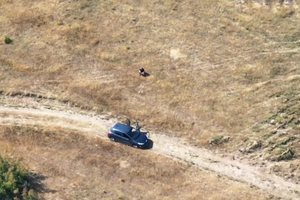
Police Announcement: Following preliminary information...

Today, our country will be under the influence of stable a...

By noon, cloudiness is expected to prevail in almost all o...

Children without parental care, for whom alternative famil...
On Thursday, our country will be under the influence of st...

Marine Le Pen is entering the decisive phase of the presid...
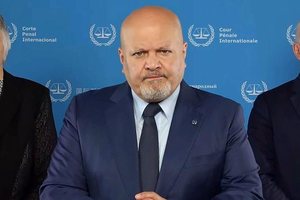
Member states of the International Criminal Court voted to...

From the declining role of exports to new public investmen...

South Korea is becoming one of the most sought-after desti...
Two windows, a century of history and the metaphysics of p...
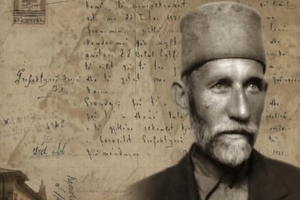
In my research at the Central State Archives, specifically...

At a time when industrial products are increasingly taking...

Trust among people is not just a three-syllable word. It c...

This Saturday, one US dollar is bought for 81.7 lek and so...

War, weather and supply disruptions could send gas prices ...
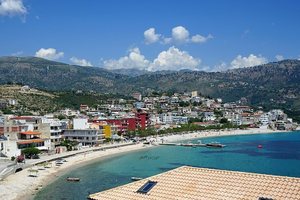
The number of active enterprises in Albania continued to g...
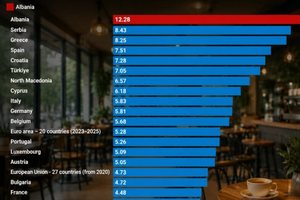
In Albania, the bar-cafe has long become an almost unique ...