


"Important step in Albania's progress"/ British Embassy for SPAK leader
The British Embassy in Albania has reacted regarding the e...


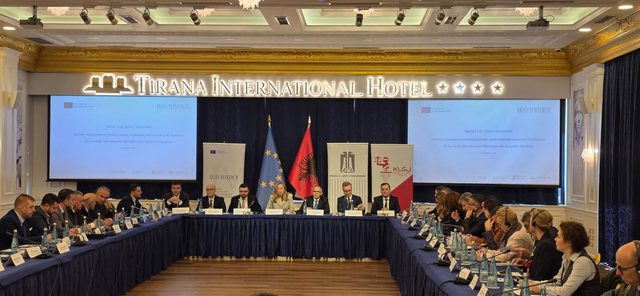
The Senior Inspector of Justice, Artur Metani, participated in the 3rd Joint Meeting of the High Judicial Council and the High Prosecutorial Council "Strengthening Institutional Capacities through Improved Career Development and Protective Measures for the Judicial System".
In his speech, Metani first emphasized the practices that must be followed to have a strong and sustainable justice system.
"Building a strong and sustainable justice system requires continuous commitment. The rule of law is not simply a set of legal norms or abstract rules, but is above all an institutional administrative activity. In this context, the administrative practices followed by our institutions should aim to build an environment where meritocracy, structural independence, institutional security and the professionalism of magistrates act as interdependent mechanisms," said Metani.
The High Inspector of Justice also focused on the findings observed during the work of the institution he leads that affect the quality of work and performance of magistrates, and as such must be addressed.
FULL STATEMENT OF THE HIGH INSPECTOR OF JUSTICE:
Thank you for the invitation and the opportunity to share some reflections in the framework of this third joint meeting of our institutions. The topics that we will address today, such as the ethical and professional evaluation of magistrates, its impact on career development, as well as the security and infrastructure of court and prosecutorial premises, are issues of particular importance, as these issues not only represent priorities of our institutions in the exercise of legal powers, but are also fundamental for guaranteeing the quality of justice and respecting the standards of the rule of law. Today, this meeting is our opportunity to discuss and consolidate practices that support the integrity, independence and legitimacy of our judicial power.
The contribution of EU4Justice and the European Union remains indispensable for the implementation and sustainable development of justice reform in Albania, where the technical assistance provided translates into increased capacities and quality of decision-making. However, the main and essential role must be played by our institutions, which must make decisions and where professional debate must be accompanied by a genuine analysis at a systemic level and strategic planning.
Building a strong and sustainable justice system requires continuous commitment. The rule of law is not simply a set of legal norms or abstract rules, but is above all an institutional administrative activity. In this context, the administrative practices followed by our institutions should aim to build an environment where meritocracy, structural independence, institutional security and the professionalism of magistrates act as interdependent mechanisms.
The ethical and professional evaluation of magistrates is a cornerstone on which public trust in the justice system is built. It is not simply a formal administrative process, but is an important mechanism that guarantees ex-ante the integrity and professional development of magistrates. This process should be predictable, clear, impartial and transparent. Based on clear and measurable indicators or indicators, as well as avoiding any aspect of subjectivity or external influence. In practice, this means creating an ethical and professional evaluation system that monitors and evaluates the performance of magistrates not only on the basis of work results, but also in accordance with moral, ethical and professional standards. Such an approach ensures not only the individual integrity of magistrates, but also the public's trust in the justice system as a whole.
An issue that requires special attention is also the infrastructure of the judicial power. Meanwhile, in the conditions of increasing complexity of judicial cases and public exposure of the judicial power, the personal security of magistrates cannot be considered only an administrative issue, but it is a fundamental prerequisite for the impartial and independent functioning of the judicial power. In this regard, the system of ethical-professional evaluation of magistrates and security or infrastructure are interdependent processes. A magistrate cannot be objectively evaluated in relation to his integrity, or his professional qualities in the absence of his personal security, or sufficient infrastructural conditions. In this regard, it is worth noting that the absence of these important elements increases the possibility of human errors, external influences, or violations of professional ethics by magistrates.
During the handling of complaints, or the development of thematic/institutional inspections by the institution of the High Inspector of Justice, it has been found that the lack of appropriate facilities and the insufficient use of information technology, including audio recording of hearings, case management systems, archives, circulation of procedural and administrative documentation, as well as technological systems covering specific processes of the work of the court or prosecutor's office, directly affect the quality and solemnity of the trial, as well as the development of criminal investigations. In some cases, these conditions have also affected the ethical and professional behavior of magistrates, exposing the justice system to negative perceptions by the public.
Modernizing the infrastructure, reviewing security protocols, establishing oversight mechanisms and developing risk management analyses and adopting contemporary systems and information technology security practices are essential measures to ensure a safe and functional working environment for all magistrates. For this reason, investing in infrastructure and the security of magistrates should be considered an integral part of policies to strengthen the independence, legitimacy and integrity of the judiciary. Only in this way can the judiciary function sustainably, guaranteeing quality, integrity and credibility at every level of its activity.
Regarding the above, I personally believe that the expected results of this meeting should not remain simply at the level of recommendations. They should be transformed into clear and directly applicable standards for the ethical and professional assessment of magistrates; clear legal mechanisms for monitoring and improving their careers; as well as concrete measures or decisions for the security and infrastructure of courts and prosecutors' offices. Only through a coordinated approach and inter-institutional cooperation, long-term vision, good strategic and budgetary planning, as well as by integrating the best practices of the European Union or the Council of Europe can we build an independent justice system, with integrity and as professional as possible. / CNA

The British Embassy in Albania has reacted regarding the e...
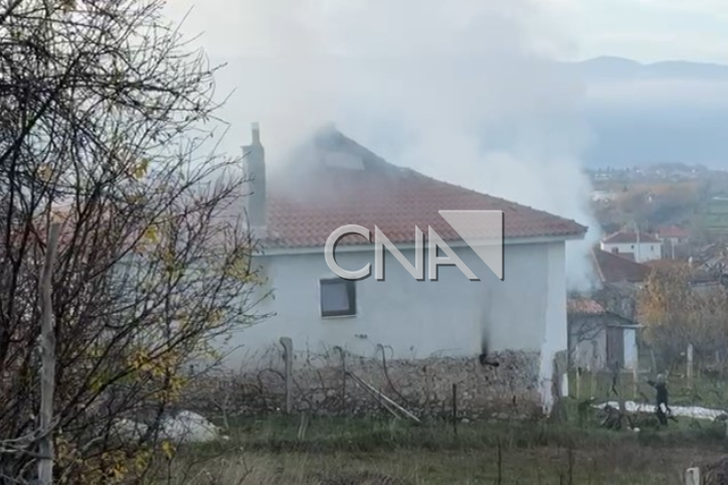
A house has caught fire in the village of Guras, specifica...
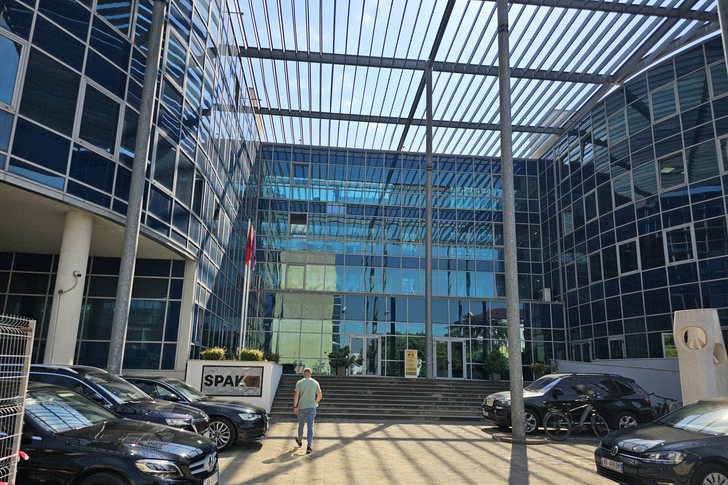
SPAK has provided details about the operation that targete...

Former Chairwoman of the Laws Committee Klotilda Bushka wa...
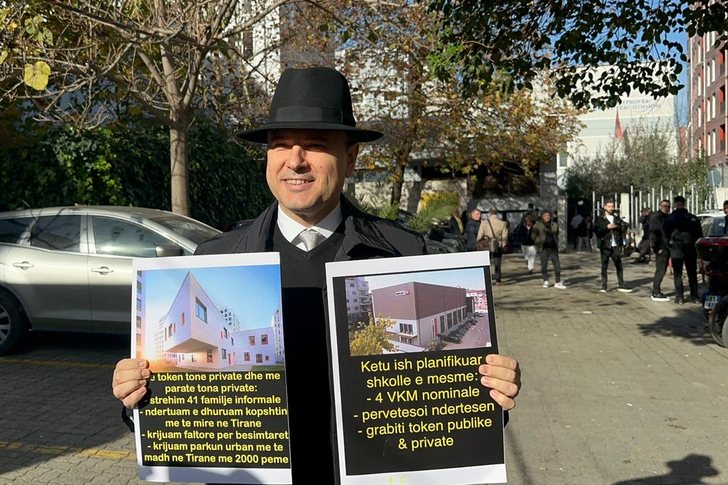
The Special Court scheduled the postponement of the sessio...
The Ambassador of Japan to Albania, Kato Kikuko, visited t...
The President of the Supreme Court, Sokol Sadushi, at the ...
Policia ka referuar në Prokurori materialet për Adriatik L...
The Laws Committee met today to re-announce the opening of...
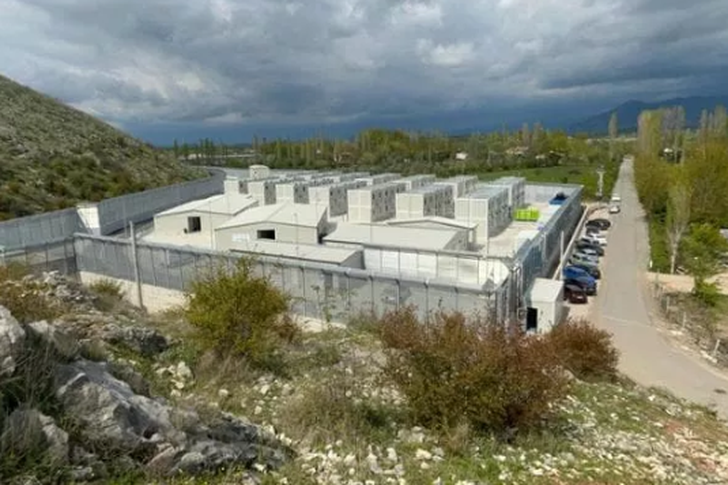
The renowned Italian newspaper "La Repubblica" has publish...
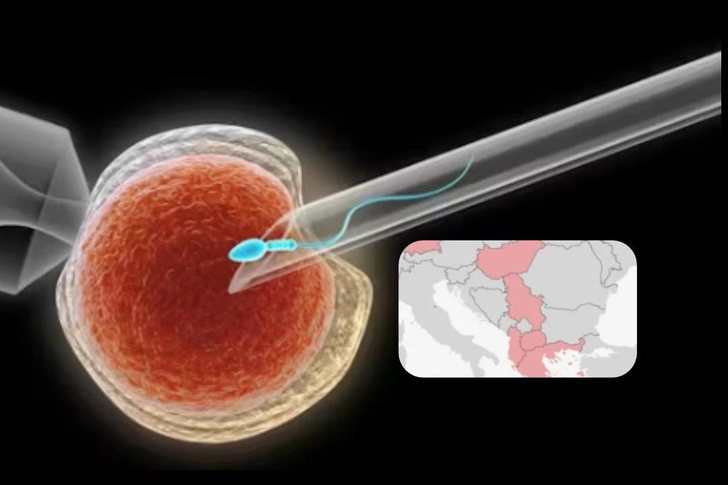
A major investigation published by the BBC has revealed th...
A day ago, TNT was placed at a business in Shkodra. After ...

Lura National Park, located in the heart of Dibra in nort...
We are introducing you to the main newspaper headlines for...
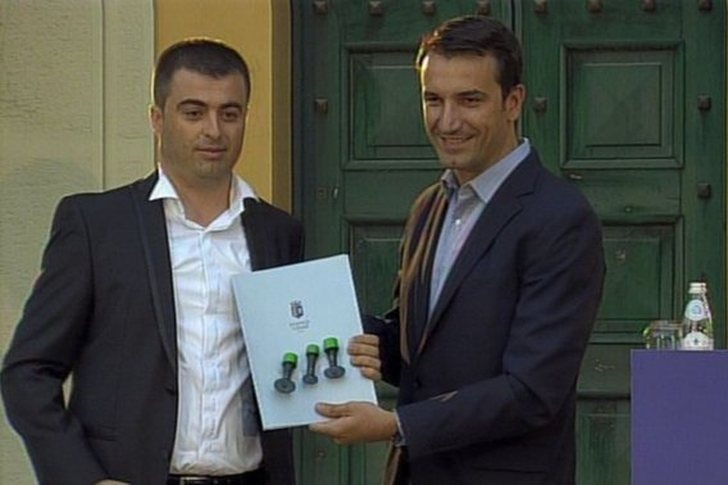
The names of Tirana Municipality officials and represe...
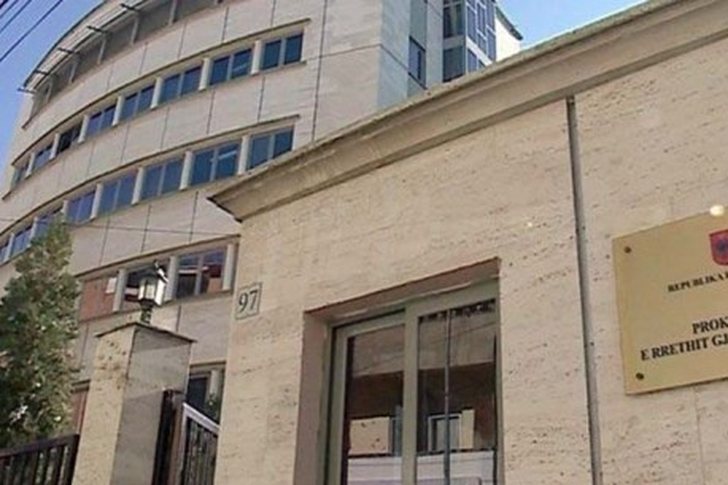
Today, the Tirana Prosecutor's Office has issued security ...
The Tirana Prosecutor's Office has issued security measure...

Shkodra will be in the spotlight of the Orthodox Church on...

Opposition municipal councilor Ilda Zhulali declared today...
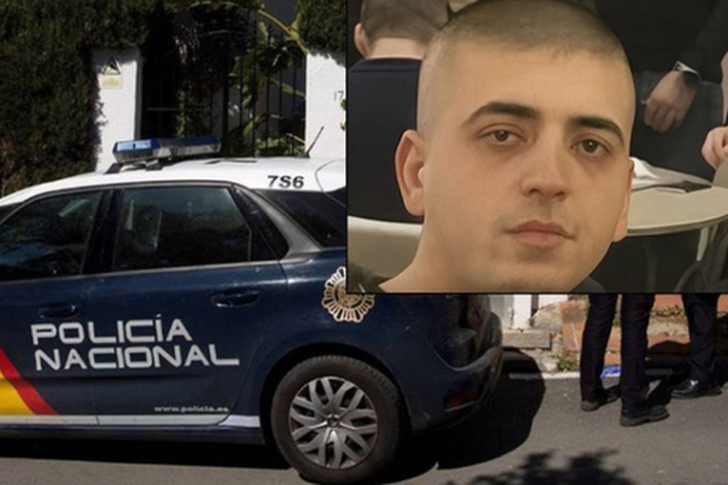
One of the people who turns out to have had contact with M...

CNA has launched another investigation that could lead to ...

Irfan Hysenbelliu is a businessman that we call "Irfan the...

In March 2026, CNA launched another investigation centered...
The arrested mayor of Tirana, Erion Veliaj, with 13 charge...

The Special Board of Appeal (KPA) decided this Monday ...

The KPA vetting decided this Thursday to dismiss the p...

Suela Salavaçi, a prosecutor in the Prosecutor's Offic...

The Special Board of Appeal reinstated the prosecutor ...
Footage emerges from the serious accident that occurred th...

A Shkodra traffic police officer was hit with hard objects...
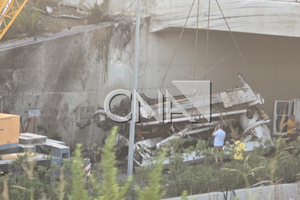
This Wednesday, around 4:00 PM, a serious accident occurre...

Tirana Police have shared details regarding the accident t...
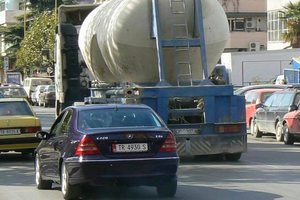
A serious accident that occurred this Wednesday with the c...

The Institute of Geosciences has shared a forecast for wea...
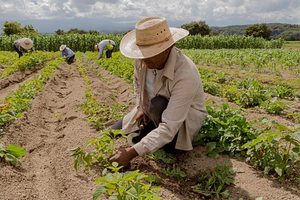
Rising energy and fertilizer prices are expected to contin...

Over 18,000 foreign citizens from 140 countries have appli...
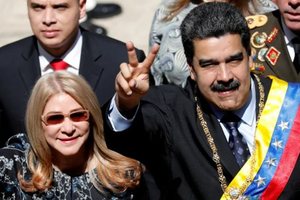
The trial of ousted Venezuelan President Nicolas Maduro on...
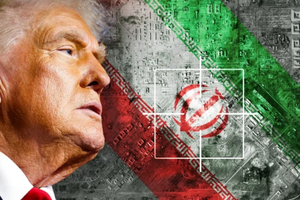
US President Donald Trump has issued another warning to Ir...

Prime Minister Andy Burnham has announced that most bus fa...

France's parliament has passed a law to ban social media f...

At a time when industrial products are increasingly taking...

Trust among people is not just a three-syllable word. It c...

Master of humor Todi Llupi has passed away at the age of 7...

The ninth edition of "MIK Festival" kicked off with one of...

The price of diesel reached 206 lek per liter from 198 lek...

Businesses will no longer be required to simply register t...

Despite economic growth and income in recent years, Albani...

This Wednesday, one US dollar is bought for 81.4 lek and s...