


Serious incident in Kukës/ Officer commits suicide with gun in village cemetery
A serious incident has occurred in Morina, Kukes. Citizen...

A serious incident has occurred in Morina, Kukes. Citizen...


The Constitutional Court has annulled the court decisions on the searches against journalist Elton Qyno.
The Constitutional Court has requested that the decisions on the seizure of electronic devices be overturned.
"The Constitutional Court considered the case of petitioner Elton Qyno with the aim of annulling court decisions regarding personal, residential and workplace searches, as well as the seizure of items and computer data.
The Court, after analyzing the preliminary criteria of the request, concluded that the applicant is legitimate and has exhausted the available legal remedies only for challenging the decision that allowed the seizure of computer data, which was challenged by the applicant up to the High Court. As for personal freedom, the Court found that this claim is not related to the decisions for the seizure of computer data. With regard to the other claims, the Court assessed that the applicant has not exhausted the available legal remedies.
As regards the merits of the case, the Court focused on the analysis of the claim for the violation of freedom of expression guaranteed by Article 22 of the Constitution and Article 10 of the ECHR. Regarding this claim, the Court concluded that freedom of expression includes, among others, freedom of the press. The right of a journalist to preserve the source of information and not to reveal it is one of the conditions of freedom of the media. The protection of journalists’ sources is one of the main guarantees of freedom of the media, as part of the constitutional freedom of expression, so ordering a journalist to reveal his sources may be contrary to the Constitution, unless there is a clear legal basis authorizing it and an overriding public interest that dictates it. A journalist's right not to reveal their sources is not a privilege, as it essentially protects not only the freedom of the media, within the framework of freedom of expression, but also the public's right to information.
The Court concluded that the judicial decisions which allowed the seizure of computer data interfered with the applicant’s freedom of expression. As regards the criteria for limitation, the Court, applying the test of Article 17 of the Constitution, found that the interference was made by law and in the public interest. However, in the context of the standards set by the ECHR, the Court found that the interference with freedom of expression was not proportionate. In this sense, the Court also found that the ordinary courts had not reasoned as to why obtaining the data necessary for the investigation could only be achieved through identifying the journalist’s source, as a last resort, and why there were no other alternative means to achieve the same goal. In this regard, the courts had also not reasoned as to the urgency of the seizure of the applicant’s computer data. For these reasons, the Court unanimously decided to annul the decisions on the seizure of computer data (the decision of the First Instance Court of Appeals No. 501, dated 13.12.2023 and the decisions of the higher courts that have left it in force).
Likewise, the Court also decided to accept the request for the destruction of all computer data seized with the above-mentioned repealed decisions.
Regarding the claim of violation of the right to private life, the Court considered that it should not be stopped, as long as it found a violation of the applicant's freedom of expression, thus annulling the above decisions.

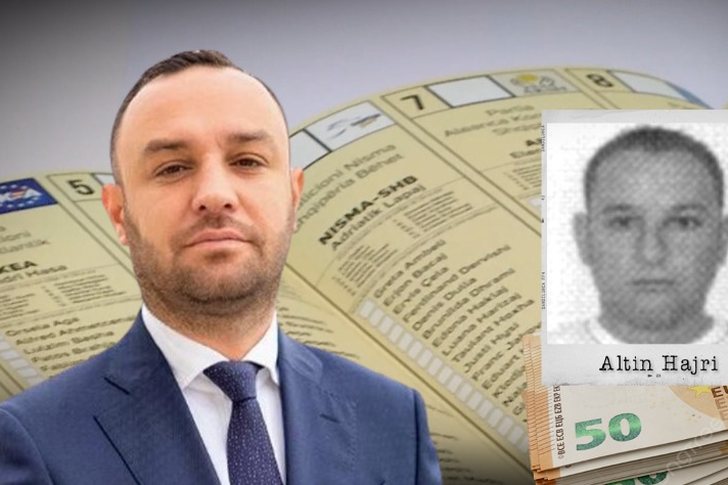
Tonight on the show "Në Shënjestër", messages exchanged be...
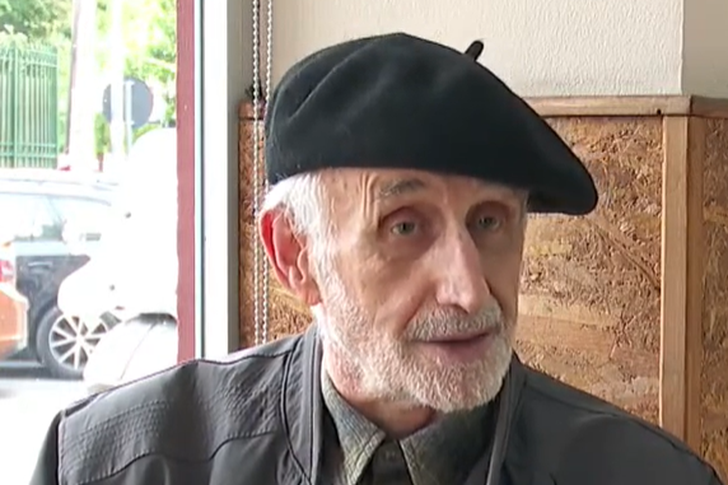
It is now clear that the limits of the socialist leader Ed...

The Criminal Investigation Department has remanded in pris...
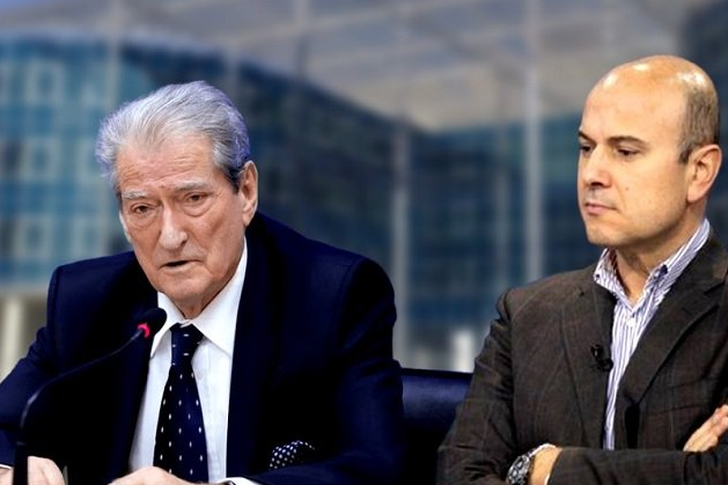
The High Court has rejected the requests for recourse file...

The Special Prosecution Office against Corruption and ...
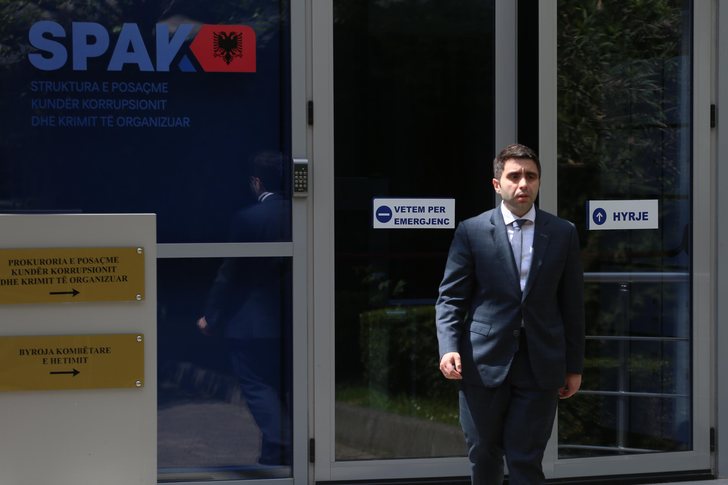
New details have emerged from the interrogation of the hea...

SPAK has provided details to citizens regarding its po...
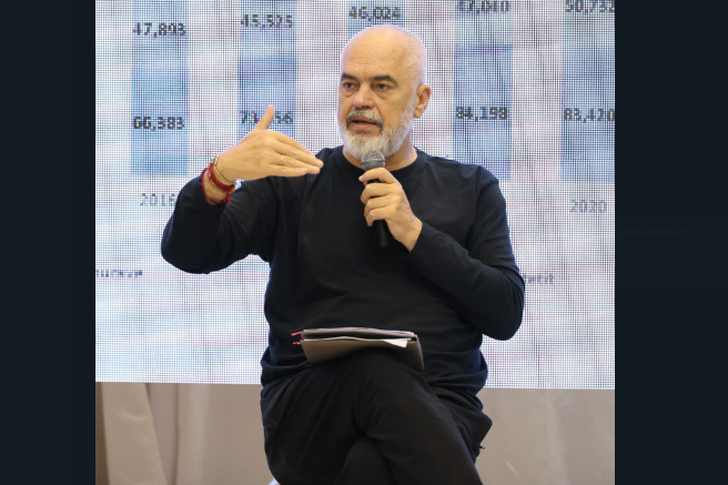
Prime Minister Edi Rama has used insulting and bullying la...

As part of the investigation it is conducting against Evis...

The ITALIAN CUP is at a crucial moment. The semi-finals an...
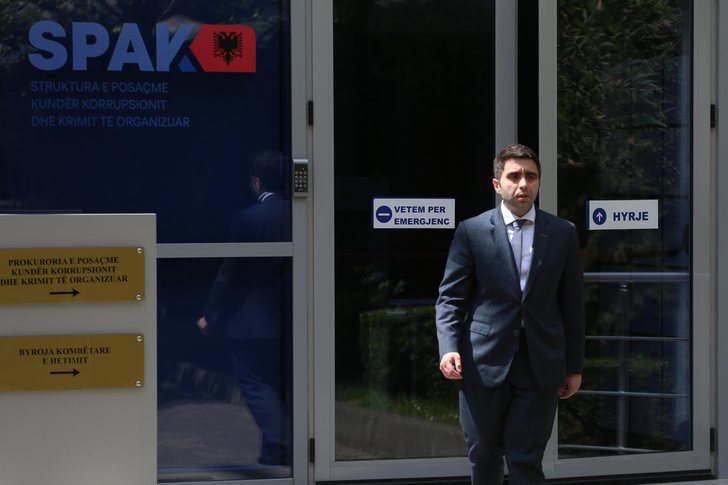
The Head of Public Procurement, Jonaid Myzyri, appeared to...

The appeal of the GJKKO has left in force the security mea...

The Head of the Procurement Commission, Jonaid Myzyri, has...

The situation at Kapshtica customs is normalizing. The Al...

Pope Francis passed away today at the age of 88 after a lo...
The leaders of the Border Police in Kapshtica have held a ...

Kilometer-long queues were recorded this Monday at the Kap...
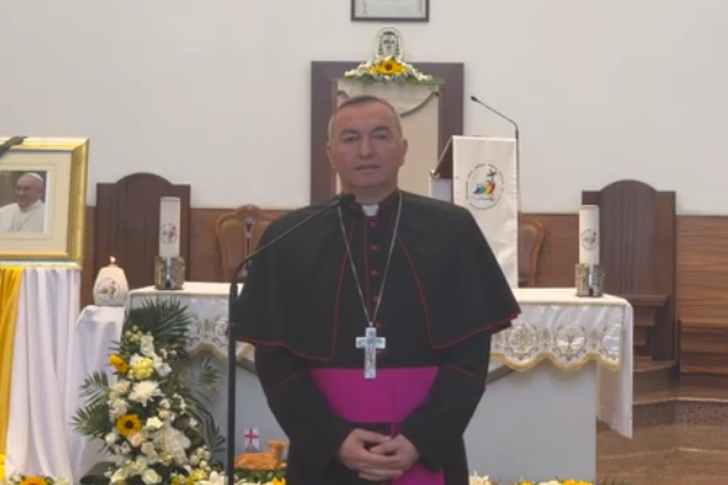
Archbishop Arjan Dodaj today expressed a message of condol...
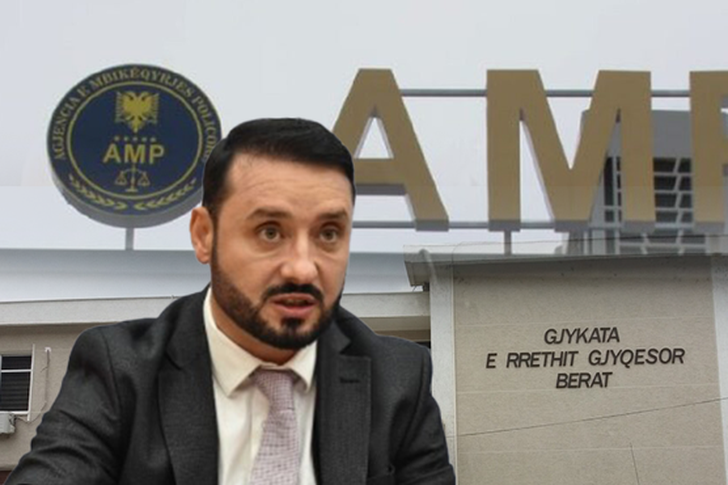
The Berat court upheld the suspension of the head of the A...

SPAK has issued an official announcement regarding the arr...

CNA has launched another investigation that could lead to ...

Irfan Hysenbelliu is a businessman that we call "Irfan the...

In March 2026, CNA launched another investigation centered...
The arrested mayor of Tirana, Erion Veliaj, with 13 charge...

The Special Board of Appeal (KPA) decided this Monday ...

The KPA vetting decided this Thursday to dismiss the p...

Suela Salavaçi, a prosecutor in the Prosecutor's Offic...

The Special Board of Appeal reinstated the prosecutor ...

A serious incident has occurred in Morina, Kukes. Citizen...

The bad weather that swept the country on Tuesday evening ...

A road accident occurred this evening on Nikolla Zoraqi St...

Three people were shot and wounded in Elbasan last night b...

This Wednesday, our country will be under the influence of...

All of Southern Europe will face changing weather conditio...

Albania was hit by temperatures significantly higher than ...

For the first time, Pogradec welcomed the Inter-Lake Chess...

Prime Minister Andy Burnham has announced that most bus fa...

France's parliament has passed a law to ban social media f...

US Secretary of State Marco Rubio arrived in Manila on Jul...

In the space of a few days, Ukrainian President Volodymyr ...

At a time when industrial products are increasingly taking...

Trust among people is not just a three-syllable word. It c...

Master of humor Todi Llupi has passed away at the age of 7...

The ninth edition of "MIK Festival" kicked off with one of...

Businesses will no longer be required to simply register t...

Despite economic growth and income in recent years, Albani...

This Wednesday, one US dollar is bought for 81.4 lek and s...

Construction company licenses will have a validity period ...