


Protesters warn: Last plenary session, tomorrow we will gather in front of the Parliament
Citizens gathered this Wednesday in front of the Prime Min...

Citizens gathered this Wednesday in front of the Prime Min...

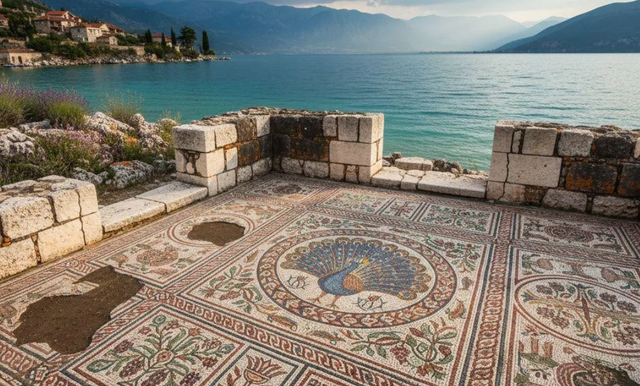
This Albanian peninsula hides Byzantine mosaics, under a protective cover for nine months of the year, covering an area of ??158 square meters, dating back to the 6th century, according to an article published in the French magazine “Journée Mondiale”. Lake Ohrid lies beyond the ruins of the Paleochristian Basilica on the top of the hill. Its turquoise waters reflect the afternoon light on the terracotta and sapphire tiles. The seasonal discovery transforms the Lin Peninsula from a quiet fishing village into an archaeological pilgrimage destination.
Visitors will be able to witness the art that early Christians walked on, now preserved under a protective covering. During the summer months, maintenance workers carefully uncover the ancient floor, with peacocks, fish and vines that have survived for 1,500 years.
The peninsula where wine reveals history
The Lin Peninsula lies on Lake Ohrid on the eastern shore of Albania, 14 miles from the city center of Pogradec. The rocky outcrop rises 724 meters above sea level, crowned by the ruins of a Byzantine basilica. Traditional Albanian houses with red-tiled roofs descend down the hillsides towards Europe's oldest lake.
Lake Ohrid was formed over a million years ago. Its crystal clear waters stretch for 19 miles and are 290 meters deep. Within the medieval walls of the Byzantine fortress that rises from the waters of the Aegean, a rich cultural heritage is revealed.
The peninsula has 180 inhabitants who preserve fishing traditions dating back thousands of years. Archaeological evidence reveals settlements that have existed for 8,500 years – making Lin one of the oldest inhabited places in Europe.
Why is the mosaic hidden?
Albanian cultural heritage authorities cover the mosaic from October to May using a specialized fabric. Winter and the lake's humidity would damage the ancient stones if the mosaic were not protected. UNESCO guidelines require seasonal access to preserve the artwork for future generations.
The covering process takes three days each fall. Maintenance workers carefully place protective materials over each section, documenting the condition of the tiles. Uncovering the mosaics in the spring requires care, with colors that remain vibrant after 15 centuries.
The peaceful atmosphere of the Albanian coast
Lini welcomes 8,000 visitors each year, compared with a million tourists in the Macedonian coastal city of Ohrid. The Albanian side retains an authentic fishing village atmosphere. The morning hours offer the most peaceful exploration experience, with golden light illuminating the ancient mosaics. Local hotels cost $50 a night, compared with $95 in the city of Ohrid across the lake.
Restorantet tradicionale shërbejnë troftë të Ohrit me një kosto prej 13 dollarësh, duke ofruar lloje endemike peshqish që nuk gjenden askund tjetër në Tokë.
Kur gurët flasin pas 1500 vitesh
Bazilika e hershme e krishterë daton në vitet 550-575 të erës sonë, duke përfaqësuar dyshemenë më të madhe të mozaikut bizantin në Ballkan. Modelet e ndërlikuara shfaqin hardhi që mbijnë nga kupat, duke simbolizuar rilindjen dhe Eukaristinë. Pallonjte dhe pëllumbat përfaqësojnë jetën e përjetshme dhe Shpirtin e Shenjtë.
Motivet e peshqve dhe lepujve lidhin natyrën tokësore me besimin shpirtëror. Lulet e lotusit, gërshetat gjeometrike dhe kryqet bizantine gërshetojnë qiellin dhe tokën në një rrëfim mahnitës vizual.
Liqenet me ujë të kripur takohen me pyje pishe në një tjetër mjedis të gadishullit të Ballkanit që ruan trashëgiminë mesjetare. Arkeologët shqiptarë zbuluan vendin në vitin 1967 gjatë studimeve rutinë. Poshtë dyshemesë bizantine ndodhen gjurmë vendbanimesh ilire nga mijëvjeçari i parë p.e.s., dhe themele të mundshme romake.
Çfarë zbulon dyshemeja
Gurët e kuq terakote, blu safiri, okër i artë dhe të bardhë fildishi krijojnë modele komplekse. Guroret lokale siguruan materiale, me artizanë që zgjidhnin gurë për ngjyra dhe tekstura specifike. Çdo pllakë ka një sipërfaqe prej afërsisht 12 centimetra katrorë, të prera me dorë dhe të pozicionuara me saktësi matematikore. Kufijtë gjeometrikë kornizojnë skena figurative në të gjithë hapësirën prej 220 metrash katrorë.
Medalionet e qosheve paraqesin dizajne të hollësishme zogjsh, ndërsa panelet qendrore shfaqin simbolikë fetare. Mjeshtëria rivalizon kryeveprat bizantine në Ravena dhe Kostandinopojë.
Shtresa ilire poshtë Bizantit
Stratifikimi arkeologjik zbulon 2000 vjet adhurim të vazhdueshëm në këtë majë kodre. Themelet ilire mbështesin strukturat e mëvonshme romake, të kurorëzuara nga bazilika bizantine.
Çisternat e lashta ende të dukshme edhe sot ruanin ujë si për banorët romakë ashtu edhe për ata bizantinë. Kjo histori e shtresuar e bën Linin të vlefshëm në mënyrë unike për të kuptuar tranzicionet kulturore.
Çdo qytetërim ndërtoi mbi themelet e mëparshme, duke krijuar mbivendosje të mbishkrimeve arkeologjike që tregojnë historinë e plotë të rajonit.
Drita e liqenit mbi sipërfaqet mozaike
Dielli i pasdites krijon kushte optimale për të vëzhguar zonën midis orës 14:00 dhe 17:00. Reflektimet e liqenit hedhin dritë mbi sipërfaqet mozaike, duke bërë që peshqit e lashtë të duken sikur notojnë dhe zogjtë sikur fluturojnë.
Trumza e egër, livandoja dhe trëndafilat shkëmborë çelin rreth rrënojave gjatë muajve të verës. Shtegu shkëmbor i gadishullit kërkon 20 minuta për ta vizituar nga qendra e fshatit, me këpucë të forta për ngjitjen përfundimtare.
Kjo tryezë gëlqerore ngrihet nga uji bruz në një mjedis të ngjashëm mesdhetar që kombinon historinë me bukurinë natyrore.
Visitors are drawn to the sound of waves crashing against ancient stones. The fresh scent of the lake mingles with the earthy stones and the perfumes of wildflowers. The mosaic stones contrast with the warm afternoon sun on the exposed hilltop.
Hiking on the peninsula trail
The path starts near the small port of Lin, winding past traditional stone houses. Steep sections require careful walking, especially the final rocky approach to the site of the basilica.
Admission is $2.75 for international visitors, and free entry for local citizens on the first Sunday of the month. Photography is permitted without flash, although commercial filming requires special permission from the heritage authorities.
Pogradec and local life
Pogradec serves as a gateway city, offering hotels, restaurants, and transportation links. Minibuses run hourly between Pogradec and Lin for $1.65 one-way. Taxi service costs $17 for the 14-mile trip.
Local restaurants offer belvica, a small endemic fish served with olive oil and lemon. Traditional pies and fresh lake trout offer authentic food experiences.
The tranquility that Lake Ohrid preserves
The Lin Peninsula preserves the tranquil atmosphere that mass tourism has destroyed elsewhere in the Balkans. Morning mist rises from ancient waters, while fishing boats emerge like ghosts from the dawn stillness.
The seasonal mosaic unveiling creates moments of pilgrimage that connect modern visitors to 1,500-year-old faith and art.
This quiet corner of Albania offers an authentic cultural experience without the crowds. The mosaic represents a living heritage, carefully protected, yet accessible to tourists seeking beauty beyond the overcrowded tourist spots.
When can you see the revealed mosaic?
The mosaic is revealed every year from June 15 to September 30, weather permitting. Daily visiting hours are from 9:00 a.m. to 7:00 p.m. during the opening season. Late June and early September offer optimal conditions with fewer crowds and ideal lighting./ Journée Mondiale

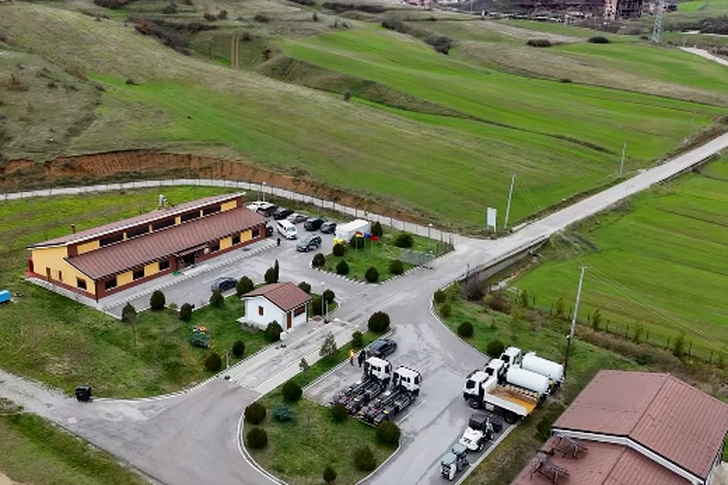
Prime Minister Edi Rama has emphasized that the waste trea...
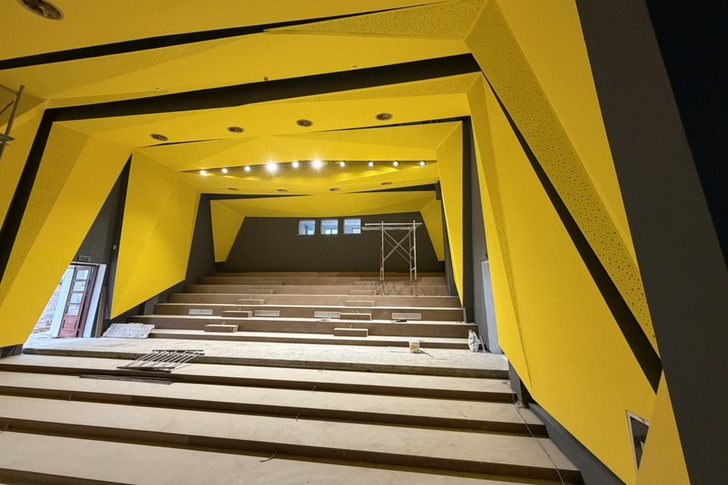
The reconstruction of the "Dhimitër Orgocka" Community Cul...

A large nationwide protest, in support of KLA fighters and...
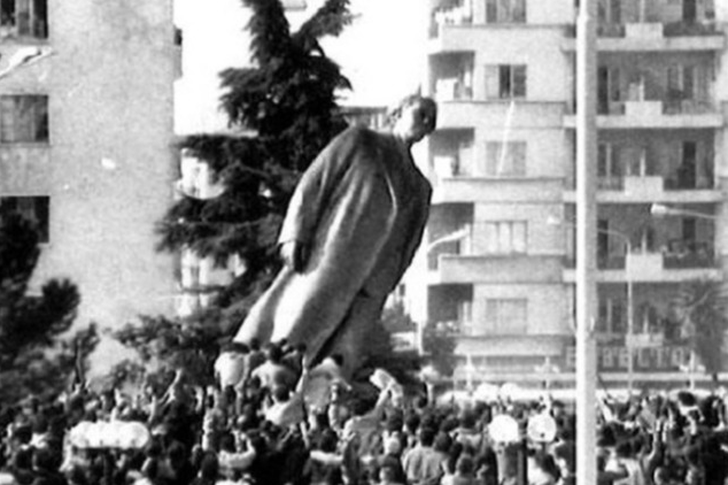
35 years ago, Shkodra became the first city to topple the ...

The election of Endrit Shabani to the position of Ombudsma...

We are introducing you to the main newspaper headlines for...

Ish-presidenti Bamir Topi u paraqit pak ditë më parë në Pr...

A road accident occurred this evening at the Skela roundab...

Endrit Shabani was voted in the last plenary session as th...
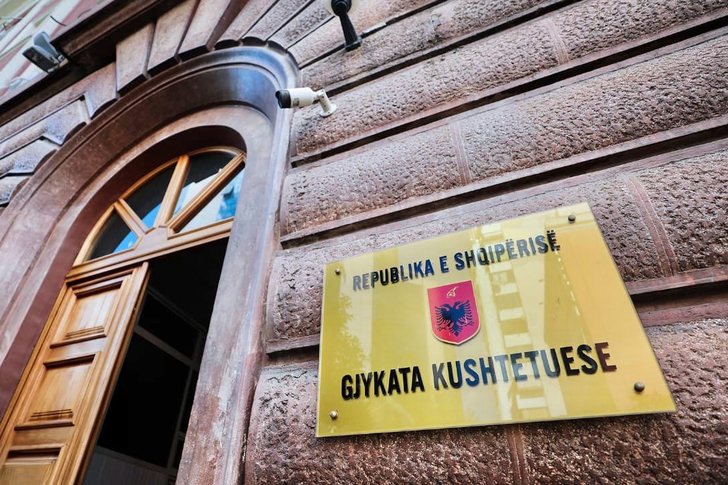
Lawyer Erald Aga has submitted to the Constitutional Court...

Little Kroni Pula, who performs the song "Fruta Perime" (F...
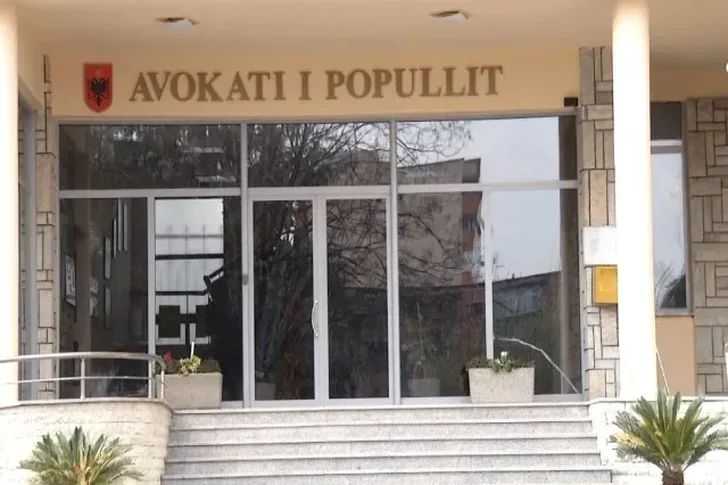
After mocking the candidates in the race for Ombudsman, th...
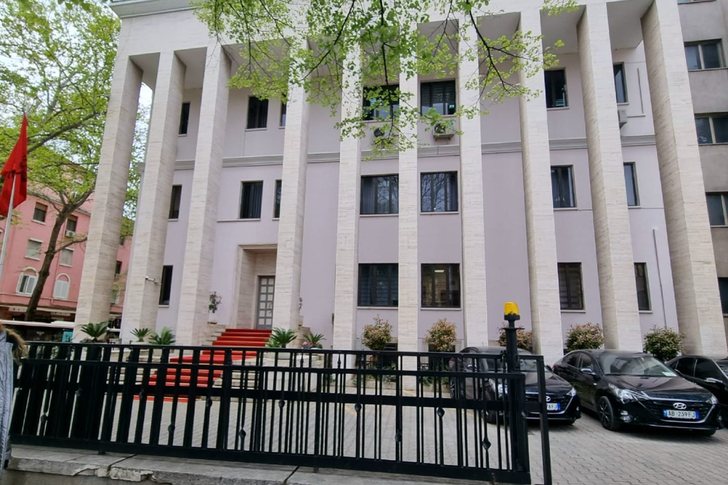
President Bajram Begaj has today decreed the appointment o...

A road accident occurred a few minutes ago in the "Skënder...

The Council of Ministers has approved in principle the agr...

The Council of Ministers decided at today's meeting to est...
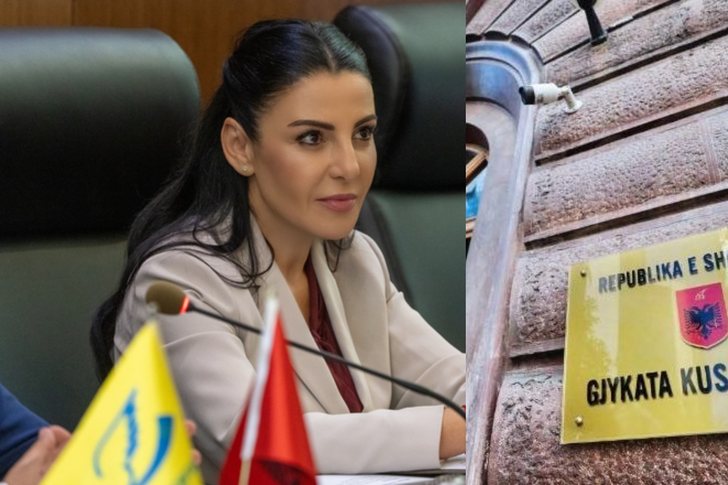
Gjykata Kushtetuese ka shfuqizuar sot vendimin e Gjykatës ...
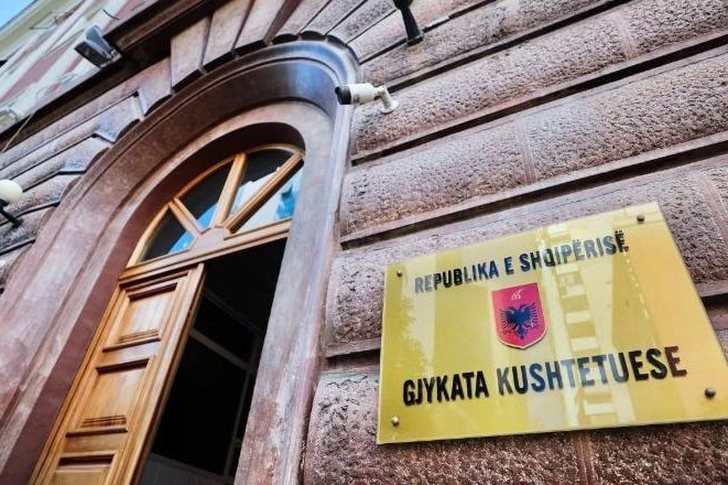
The Constitutional Court has reinstated the Deputy Ministe...
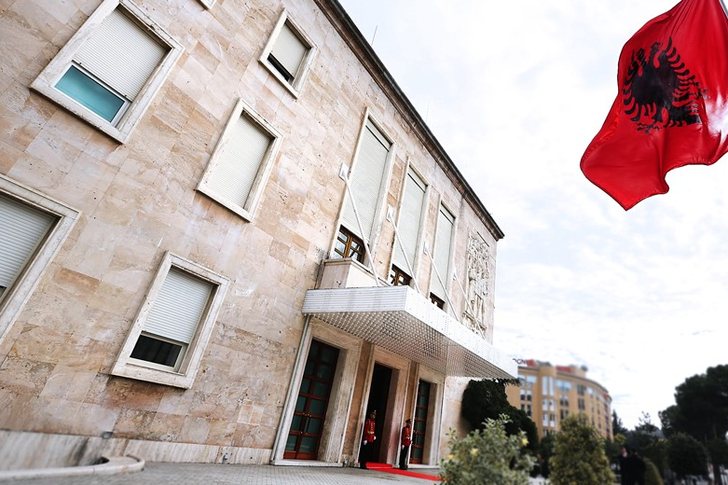
Deputy Minister of Interior Julian Hodaj has been relieved...

Gazetarja Klodiana Lala ka folur lidhur me vendimin e Gjyk...

CNA has launched another investigation that could lead to ...

Irfan Hysenbelliu is a businessman that we call "Irfan the...

In March 2026, CNA launched another investigation centered...
The arrested mayor of Tirana, Erion Veliaj, with 13 charge...

The Special Board of Appeal (KPA) decided this Monday ...

The KPA vetting decided this Thursday to dismiss the p...

Suela Salavaçi, a prosecutor in the Prosecutor's Offic...

The Special Board of Appeal reinstated the prosecutor ...

A Shkodra traffic police officer was hit with hard objects...
This Wednesday, around 4:00 PM, a serious accident occurre...

Tirana Police have shared details regarding the accident t...

New details have emerged regarding the accident that occur...

A serious accident that occurred this Wednesday with the c...

The Institute of Geosciences has shared a forecast for wea...
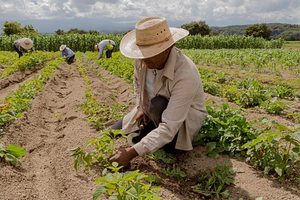
Rising energy and fertilizer prices are expected to contin...

Over 18,000 foreign citizens from 140 countries have appli...

The trial of ousted Venezuelan President Nicolas Maduro on...

US President Donald Trump has issued another warning to Ir...

Prime Minister Andy Burnham has announced that most bus fa...

France's parliament has passed a law to ban social media f...

At a time when industrial products are increasingly taking...

Trust among people is not just a three-syllable word. It c...

Master of humor Todi Llupi has passed away at the age of 7...

The ninth edition of "MIK Festival" kicked off with one of...

The price of diesel reached 206 lek per liter from 198 lek...

Businesses will no longer be required to simply register t...

Despite economic growth and income in recent years, Albani...

This Wednesday, one US dollar is bought for 81.4 lek and s...