

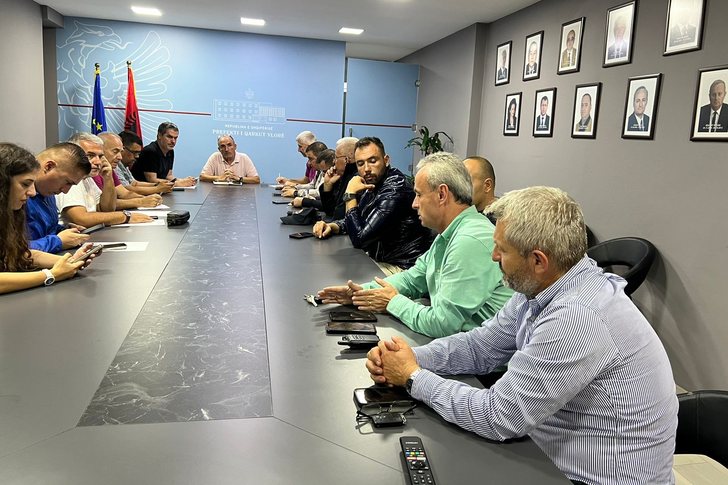
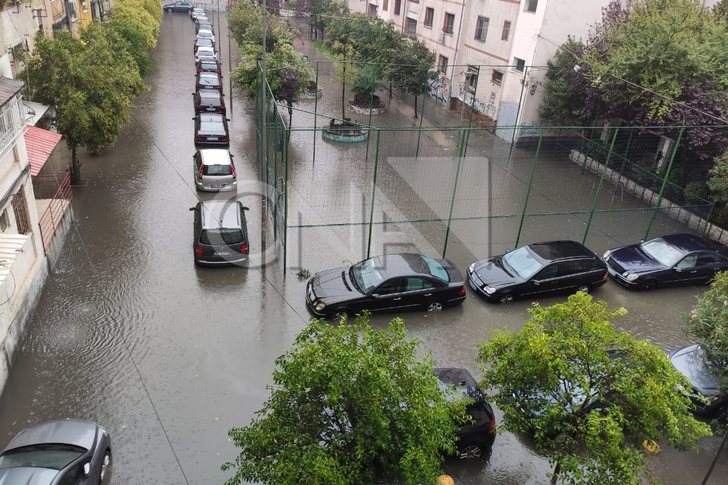
80 mm of rain in 3 hours/ How is the situation in Vlora
Leonard Qyra, Director of Emergency Response Preparedness ...


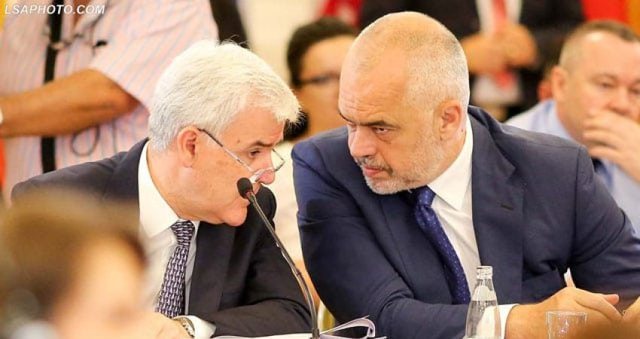
The government's plans to replicate a process seemingly similar to the justice reform through the so-called "anti-corruption commission" headed by MP Fatmir Xhafaj ran into crisis this week, when the justice institutions and a number of civil society organizations rejected each other. after another to send experts.
The Parliamentary Commission "For Deepening the Reforms for Good Governance, Rule of Law and Anticorruption for Albania 2030 in the European Union" started work unilaterally, after the Assembly approved in April only with the votes of the Socialist Party its establishment on the basis of a resolution of initiated by Prime Minister Edi Rama.
The initiative was met with distrust and was commented on as an attempt to "capture the institutions of justice", despite the fact that a number of embassies accredited in the country subsequently declared the participation of their experts in the commission.
The opposition has boycotted the commission since the beginning, while the rejection of the series of invitations by the justice institutions leaves the majority as the only party at the table.
The Constitutional Court, the Supreme Court, the Special Prosecutor's Office, the General Prosecutor's Office, the High Judicial Council and the High Inspector of Justice announced one after the other in the first days of October that they will not participate directly with experts in this commission . For various reasons, civil society organizations also refused to participate.
Through the letter sent to the Assembly on Wednesday, the Constitutional Court argued the rejection with the fact that participation in the law-making processes was "a conflict in the exercise of its function in checking the compliance of laws with the Constitution".
Even the Special Prosecutor's Office, SPAK, announced on Thursday that "the prosecutors did not consider it necessary to participate with experts in this commission...".
The Supreme Court reminded the Assembly of the "independence" and "impartiality" of the judicial power, considering their direct participation as members of a technical subgroup under the High Level Expert Group of Special Commission.
Even the General Prosecutor's Office announced on Friday that "it will not participate with experts as part of the committee's work subgroup", but added that it has designated "contact points" according to the respective fields of expertise.
The High Judicial Council also told BIRN on Friday that it would not send representatives as experts to the commission's working group, but would appoint a contact point that would contribute proposals and opinions.
Inspektoriati i Lartë i Drejtësisë po ashtu ka dërguar një përgjigje të ngjashme, ndërsa mbetet ende pa një vendimmarrje Këshilli i Lartë i Prokurorisë, pavarësisht se në gusht njoftoi se kishte pasur “dakordësim” për t’u përfaqësuar me dy prokurorë.
KLP i tha BIRN të premten se “nuk ka një vendimmarrje për këtë çështje” dhe se diskutimet ishin bërë në seanca informale të Këshillit.
Kryetari i Komisionit, Fatmir Xhafaj, nguroi të jepte një qëndrim për refuzimin e institucioneve të drejtësisë, ndërkohë që prej dy muajsh komisioni nuk ka zhvilluar mbledhje. I kontaktuar nga BIRN, Xhafaj tha se do të mbante një qëndrim publik për ecurinë e komisionit javën që vjen.
Përveç institucioneve të drejtësisë, BIRN mësoi se komisioni “Xhafaj” është bojkotuar edhe nga disa organizata të shoqërisë civile, të cilat janë aktive në monitorimin e institucioneve të drejtësisë. Komiteti Shqiptar i Helsinkit, Instituti për Demokraci dhe Ndërmjetësim si dhe Instituti i Studimeve Politike nuk e kanë pranuar ftesën për të dërguar ekspertë pranë komisionit.
Drejtoresha ekzekutive e Komitetit Shqiptar të Helsinkit, Erida Skëndaj, i tha BIRN se i kanë komunikuar komisionit pamundësinë për t’u angazhuar në proces, “për shkak të mungesës së burimeve njerëzore’.
Edhe Instituti për Demokraci dhe Ndërmjetësim, IDM, sipas komunikimit zyrtar me Kuvendin, argumenton se i ofron komisionit vetëm ekspertizë nëpërmjet raporteve të kryera nga kjo organizatë dhe jo ekspertë që të punojnë në stafin e brendshëm të tij.
Iniciativa u prit me mosbesim dhe u komentua si një përpjekje për “kapjen e institucioneve të drejtësisë”, pavarësisht se një numër ambasadash të akredituara në vend deklaruan më pas pjesmarrjen e ekspertëve të tyre në komision.
Opozita e ka bojkotuar komisionin prej fillimit, ndërsa refuzimi në seri i ftesave nga institucionet e drejtësisë e lënë mazhorancën të vetmen palë në tryezë.
Gjykata Kushtetuese, Gjykata e Lartë, Prokuroria e Posaçme, Prokuroria e Përgjithshme, Këshilli i Lartë Gjyqësor dhe Inspektori i Lartë i Drejtësisë njoftuan njëri pas tjetrit të ditët e para të tetorit se nuk do të marrin pjesë në mënyrë të drejtpërdrejtë me ekspertë në këtë komision. Me arsye të ndryshme, pjesmarrjen e refuzuan edhe organizatat e shoqërisë civile.
Nëpërmjet në letre dërguar Kuvendit të mërkurën, Gjykata Kushtetuese e argumentoi refuzimin me faktin se pjesmarrja në proceset ligjbërëse ishte “një konflikt në ushtrimin e funksionit të saj në kontrollin e pajtueshmërisë së ligjeve me Kushtetutën”.
Edhe Prokuroria e Posaçme, SPAK, bëri me dije të enjten se “prokurorët nuk e konsideruan të nevojshme pjesmarrjen me ekspertë në këtë komision..”.
Gjykata e Lartë i kujtoi Kuvendit “pavarësinë” dhe “paanshmërinë” e pushtetit gjyqësor, duke e konsideruar të papërshtatshme për misionin dhe funksionin e gjyqtarit pjesëmarrjen e tyre të drejtpërdrejtë si anëtarë të një nëngrupi teknik në varësi të Grupit të Ekspertëve të Nivelit të Lartë të Komisionit të Posaçëm.
Edhe Prokuroria e Pergjithshme bëri të ditur të premten se “nuk do të marrë pjesë me ekspertë si pjesë të nëngrupit të punës së komisionit”, por shtoi se ka caktuar “pika kontakti” sipas fushave përkatëse të ekspertizës.
Këshilli i Lartë Gjyqësor po ashtu i tha BIRN-it të premten se nuk do të dërgonte përfaqësues si ekspertë në grupin e punës së komisionit, por do të caktonte një pikë kontakti që do të kontribuojë me propozime dhe opinione.
Inspektoriati i Lartë i Drejtësisë po ashtu ka dërguar një përgjigje të ngjashme, ndërsa mbetet ende pa një vendimmarrje Këshilli i Lartë i Prokurorisë, pavarësisht se në gusht njoftoi se kishte pasur “dakordësim” për t’u përfaqësuar me dy prokurorë.
KLP i tha BIRN të premten se “nuk ka një vendimmarrje për këtë çështje” dhe se diskutimet ishin bërë në seanca informale të Këshillit.
Kryetari i Komisionit, Fatmir Xhafaj, nguroi të jepte një qëndrim për refuzimin e institucioneve të drejtësisë, ndërkohë që prej dy muajsh komisioni nuk ka zhvilluar mbledhje. I kontaktuar nga BIRN, Xhafaj tha se do të mbante një qëndrim publik për ecurinë e komisionit javën që vjen.
Përveç institucioneve të drejtësisë, BIRN mësoi se komisioni “Xhafaj” është bojkotuar edhe nga disa organizata të shoqërisë civile, të cilat janë aktive në monitorimin e institucioneve të drejtësisë. Komiteti Shqiptar i Helsinkit, Instituti për Demokraci dhe Ndërmjetësim si dhe Instituti i Studimeve Politike nuk e kanë pranuar ftesën për të dërguar ekspertë pranë komisionit.
Drejtoresha ekzekutive e Komitetit Shqiptar të Helsinkit, Erida Skëndaj, i tha BIRN se i kanë komunikuar komisionit pamundësinë për t’u angazhuar në proces, “për shkak të mungesës së burimeve njerëzore’.
Edhe Instituti për Demokraci dhe Ndërmjetësim, IDM, sipas komunikimit zyrtar me Kuvendin, argumenton se i ofron komisionit vetëm ekspertizë nëpërmjet raporteve të kryera nga kjo organizatë dhe jo ekspertë që të punojnë në stafin e brendshëm të tij.
Afrim Krasniqi, drejtor ekzekutiv i Institutit për Studime Politike, një prej organizatave që ka refuzuar ftesën për të dërguar ekspertë, i tha BIRN se refuzimi i institucioneve të drejtësisë ishte i drejtë, pavarësisht se i vonuar në kohë.
“Komisioni i posaçëm është një strukturë politike e parlamentit, e përbërë nga politikanë me qëllime dhe ligjërime politike, kurse institucionet e pavarura dhe kushtetuese të drejtësisë janë institucione që do të duhet të jenë jashtë politikës,” tha Krasniqi për BIRN.
“Nëse do të kishin pranuar, do të kishin humbur konceptin e pavarësisë së tyre, do të kishin cënuar parimin kushtetues për të cilin janë ngritur, do të ishin në konflikt interesi dhe do të njësonin deridiku pushtetet,” shtoi ai.
Krasniqi ngre pikëpyetje për vonesën e dhënies së përgjigjeve, që sipas tij, tregon që ka pasur një debat të brendshëm.
" It is not possible for institutions that fight corruption to go and become part of a parliamentary commission, where there are also individuals who are accused of corruption or under investigation, regardless of the rhetoric they use, " Krasniqi said further.
The representatives of the opposition criticize the lack of transparency, while emphasizing that the commission has been working "in the dark" until now, not only for the public, but also for the members of the opposition elected "ex officio".
Deputy Jorida Tabaku told BIRN that she has officially requested to be acquainted with the list of experts who are working with this commission and has received a negative response, adding that to her knowledge there are political figures in this group who do not guarantee the impartiality of the process.
" As much as I have seen names in the media, few experts are known in the field of integration, while there are many of them politically connected, starting from former deputy ministers and the engagement of people who have political connections with the ruling party, " he said . Tobacco.
According to Tabaku, the process, in addition to lacking transparency, is also a process " that leaves a path to prejudge the product that they will produce in the future ".
executive director of the Institute for Political Studies, one of the organizations that has rejected the invitation to send experts, told BIRN that the rejection of justice institutions was fair, despite being late.
"The special commission is a political structure of the parliament, composed of politicians with political goals and discourses, while the independent and constitutional institutions of justice are institutions that will have to be outside of politics," Krasniqi told BIRN.
"If they had accepted, they would have lost the concept of their independence, they would have violated the constitutional principle for which they were raised, they would have been in a conflict of interest and they would have even unified the powers," he added.
Krasniqi raises questions about the delay in giving answers, which according to him, shows that there was an internal debate.
"It is not possible for institutions that fight corruption to go and become part of a parliamentary commission, where there are also individuals who are accused of corruption or under investigation, regardless of the rhetoric they use," Krasniqi said further.
The representatives of the opposition criticize the lack of transparency, while emphasizing that the commission has been working "in the dark" until now, not only for the public, but also for the members of the opposition elected "ex officio".
Deputy Jorida Tabaku told BIRN that she has officially requested to be acquainted with the list of experts who are working with this commission and has received a negative response, adding that to her knowledge there are political figures in this group who do not guarantee the impartiality of the process.
"As far as I have seen names in the media, few experts are known in the field of integration, while there are many of them politically connected, starting from former deputy ministers and engaging people who have political connections with the ruling party," said Tobacco.
According to Tabak, the process, in addition to lacking transparency, is also a process "that leaves a path to prejudge the product they will produce in the future"./ BIRN

Leonard Qyra, Director of Emergency Response Preparedness ...

The flood situation is quite problematic in Vlora, which i...
The Minister of Defense, Pirro Vengu, has reacted to the s...

In Albania, the microcredit fraud scheme, which is being i...
Shkodër municipality will add paid parking spaces in t...
Due to the bad weather with heavy rain, the State Police i...

After massive rejections from justice institutions, the Hi...
The High Judicial Council refuses to participate in the Sp...
The head of the Freedom Party, Ilir Meta, has commented on...
After taking office as the director of the State Police, I...
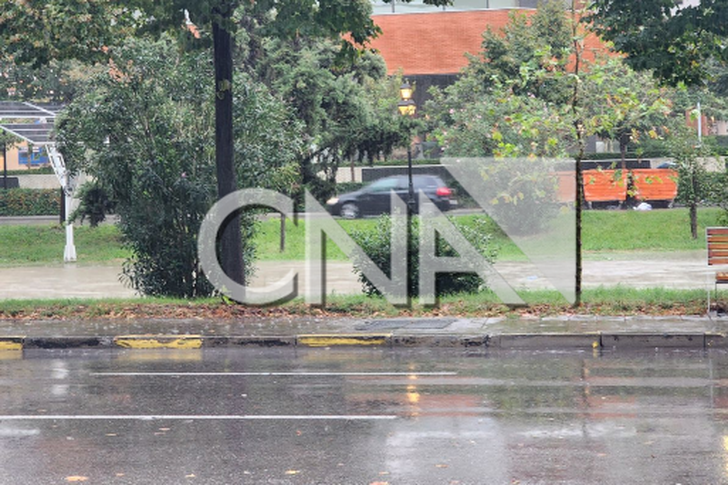
Albania has been invaded by rain. Some of the cities are f...
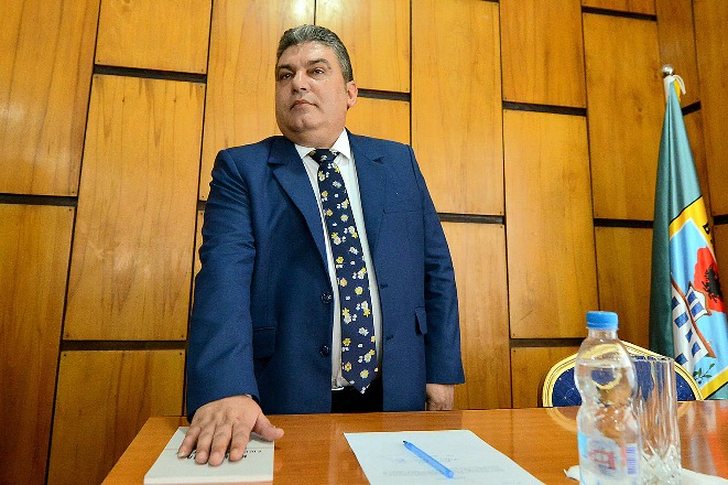
SPAK has demanded 1 year and 5 months in prison for the fo...
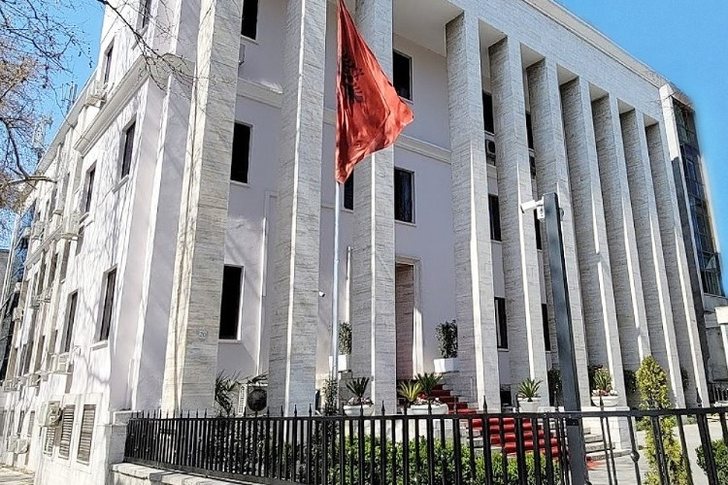
The Supreme Court has set the date of October 15, at 1:20 ...
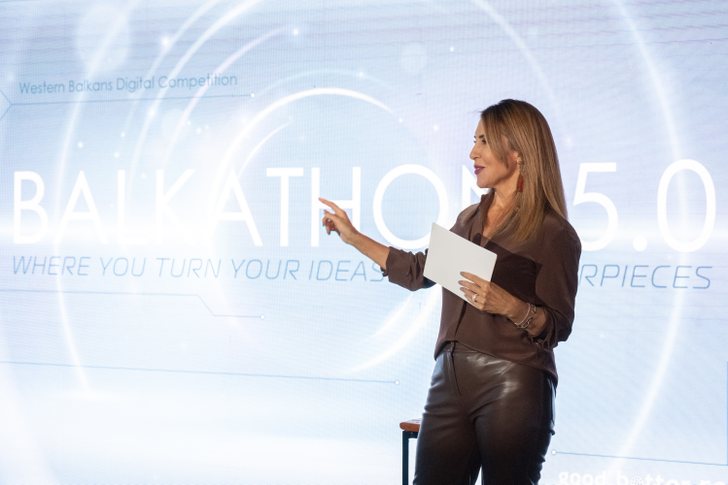
The Regional Cooperation Council (RCC) organized yesterday...
In a few minutes of rain, the neighborhoods of Tirana were...
Albania has taken an important role in the fight against c...
The mayor of Mati, Agron Malaj, appeared today at the Spec...

Since this morning, the rains have started almost in the e...

Heavy rains have caused many problems in the city of Lezha...

The General Prosecutor's Office has ignored the call of th...

CNA has launched another investigation that could lead to ...

Irfan Hysenbelliu is a businessman that we call "Irfan the...

In March 2026, CNA launched another investigation centered...
The arrested mayor of Tirana, Erion Veliaj, with 13 charge...

The Special Board of Appeal (KPA) decided this Monday ...

The KPA vetting decided this Thursday to dismiss the p...

Suela Salavaçi, a prosecutor in the Prosecutor's Offic...

The Special Board of Appeal reinstated the prosecutor ...
Footage emerges from the serious accident that occurred th...
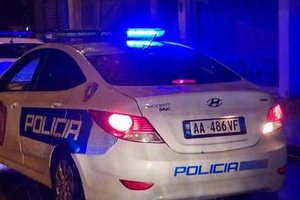
A Shkodra traffic police officer was hit with hard objects...
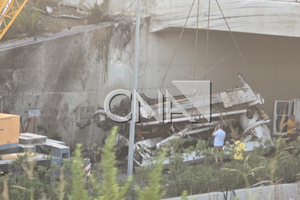
This Wednesday, around 4:00 PM, a serious accident occurre...
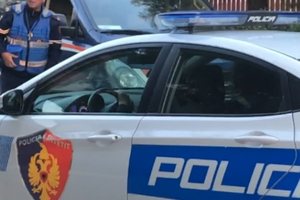
Tirana Police have shared details regarding the accident t...

On Thursday, our country will be under the influence of st...
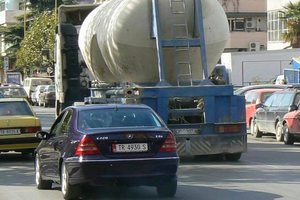
A serious accident that occurred this Wednesday with the c...

The Institute of Geosciences has shared a forecast for wea...
Rising energy and fertilizer prices are expected to contin...

Artificial intelligence (AI) models from the American comp...
At least 10 people have died after a fire broke out in a h...

Yemen's Houthis have claimed to have attacked two Saudi oi...
The trial of ousted Venezuelan President Nicolas Maduro on...

At a time when industrial products are increasingly taking...

Trust among people is not just a three-syllable word. It c...
Master of humor Todi Llupi has passed away at the age of 7...
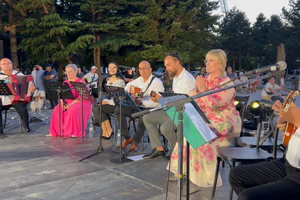
The ninth edition of "MIK Festival" kicked off with one of...
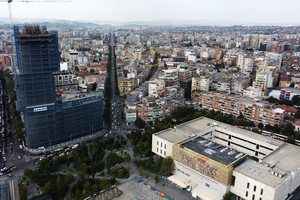
The average sale price of apartments in Tirana reaches rec...

This Thursday, one US dollar is bought for 81.5 lek and so...

The price of diesel reached 206 lek per liter from 198 lek...

Businesses will no longer be required to simply register t...