


Press of the day, Wednesday, June 26, 2024/ Get to know the main newspaper headlines
This Wednesday we are introducing you to some of the main ...


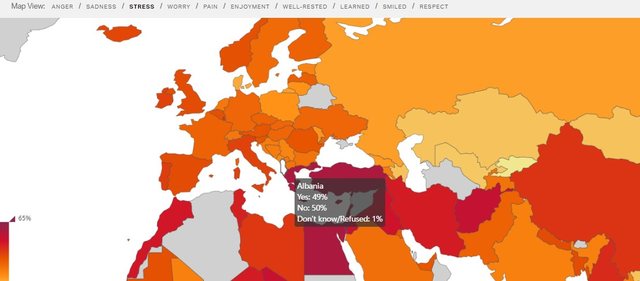
Albanians are the ones who experience more sadness, stress and physical pain than all the other countries of the Balkans, as far as the five negative experiences are concerned.
On the other hand, after Kosovo, we are the ones who experience more pleasure, relaxation, smile more and are treated with more respect.
The data was released in Gallup's Global Emotions 2024 report, which provides a snapshot of the latest measurements of people's daily positive and negative experiences. The findings are based on nearly 146,000 interviews with adults in 142 countries and territories in 2023.
Gallup's positive and negative experience indices measure the intangibles of life—feelings and emotions—that traditional economic indicators like GDP fail to capture. Each index provides a real-time snapshot of people's everyday experiences, providing leaders with insights into societal health that they cannot glean from economic indicators alone.
Did you experience the following feelings for much of yesterday? This is how the Albanian respondents answered:
Outrage
24 percent of Albanians claimed that they experienced anger the day before, while 74% did not
Sadness
29% felt sad, 70% did not experience sadness, 1% refused to answer.
Stress
49% experienced stress in the previous day, 50% did not, 1% refused to answer.
Concern
40% were concerned, 60% were not
Physical pain
46% of respondents felt physical pain the day before, while 53% did not, 1% refused to answer. (the most tired in the region)
pleasure
68 percent of respondents experienced satisfaction, 31% did not, 1% refused to answer
Relaxed
65% felt relaxed, 34% did not, 1% refused
Did you learn or do something interesting?
35% learned or did something interesting, 65% did not, 1% refused
You smiled or laughed
74% managed to smile, 25% did not, 1% refused to answer
They were treated with respect
92% were treated with respect, 7% were not, 1% refused.
In Europe, the most stressed are the Greeks, the least angry are the Finns and the Portuguese, the least upset are the citizens of Kosovo and Poland.
(To see other countries of the region: https://shorturl.at/3ZnbM)

The world was engulfed in conflict in 2023 – as the war between Ukraine and Russia continued and a new one broke out between Israel and Hamas – but it was better emotionally than at the height of the pandemic.
Negative emotions decreased for the first time in a decade, and positive emotions returned to pre-pandemic levels.
Globally, Gallup's Negative Experiences Index fell for the first time since 2014. All five negative emotions that make up the index fell between 2022 and 2023, with stress posting the biggest decline.
Thirty-seven percent of adults worldwide felt stressed in 2023, three percentage points lower than last year, but well above where it was a decade ago (33%) and the years before that.
Afghanistan no longer scores worst on the Negative Experience Index. Guinea, which continues to
faces insecurity, following a military coup in 2021, scored the highest in the world in the 2023 index, 53 points. Stress rose to record levels in Guinea, increasing by 10 points between 2022 and 2023.
Israel, which Gallup surveyed two weeks after the October 7 Hamas attacks, earned a spot on the list for the first time, with a score of 47 — on par with Afghanistan and Liberia. In 2022, Israel ranked among the lowest-scoring countries in the world on this index.
Israel's index score was worsened by record increases in negative emotions as a result of the attacks. Most Israelis experienced worry (67%), stress (62%) and sadness (51%) at an unprecedented rate. Over one in three Israelis (36%) said they experienced a lot of anger – not a new high, but still the highest percentage since 2013.
Further reinforcing that 2023 was a better year for the world's emotional health, positive experiences returned to pre-pandemic levels as the improvement began in 2022.
People under 30 continued to be the most positive of all age groups. Further, their positivity rebounded more quickly, with emotions reaching pre-pandemic levels a year earlier than older age groups.
Most of the improvement in the index in 2023 occurred among those aged 30 and over.
For nearly two decades, the percentage of people around the world who said they learned or did something
Interestingly, it rarely exceeded 50%. 54%, who did so in 2023, represents a record high.
India, Iceland, Greece and China saw double-digit growth in this indicator in 2023.
More people across all age groups said they had these options in 2023 than a year earlier, but people younger than 30 remained the most likely to say so (59%).
The percentages at older ages also reached high levels (54% for those aged 30 to 49 and 50% for those aged 50 and over).
Worldwide Positive Experiences Index scores ranged from 86 in Paraguay and Panama to a low of 38 in Afghanistan, which has scored the lowest in the world almost every year since 2017.
Afghanistan's score on the index was slightly higher in 2023 than it was in 2021 or 2022 after the Taliban took power. However, its score of 38 remains the lowest in the world and most Afghans are still living in poverty. Gallup polls showed that Afghans in general were rating their lives so poorly that they were considered suffering.
Most of the limited recent improvements in positive emotions have occurred among Afghan men. In 2023, Afghan men scored 42 on the index, compared to 34 for Afghan women.
Afghanistan has been ranked as the least positive country in the world every year since 2017, except for 2020, when Gallup was unable to survey the country due to the pandemic. After falling to a global record low of 32 in 2021, scores have risen each year, reaching 38 in 2023.
Given the substantial threat that loneliness and isolation pose to people's health and well-being, Gallup recently added 'loneliness' to the list of negative emotions it asks the world about.
An analysis of the relationship between loneliness and other emotions reveals that people who said they felt lonely were less likely to experience positive emotions.
Gallup's initial measurement in 2023 showed that over one in five adults worldwide (23%) reported feelings of loneliness on many days. However, experiences of loneliness varied widely around the world, from a high of 45% in the island nation of Comoros, to a low of 6% in Vietnam./ Monitor.al

This Wednesday we are introducing you to some of the main ...

After SPAK's in-depth investigations into the Tirana i...

Lawyer Ylli Manjani has reacted regarding the scandal ...
The head of the LZHK, Dashamir Shehi, has stated that ...
At noon this Tuesday, the well-known poet Agim Doçi wa...
The head of the Democratic Party, Sali Berisha, tonigh...
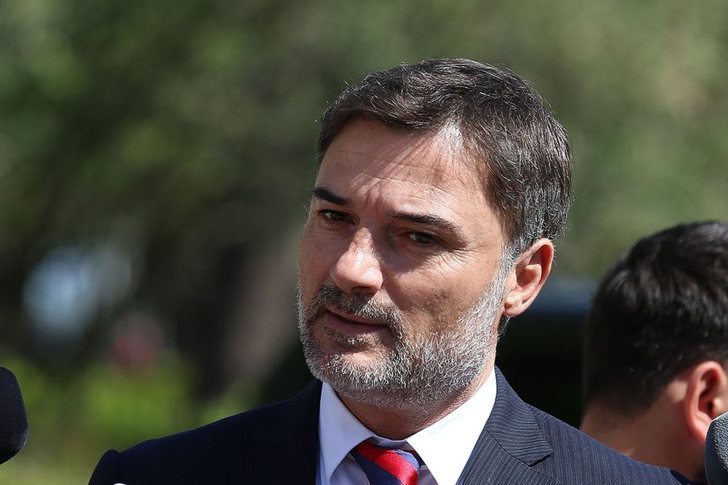
Enkelejd Alibeaj, a few days ago, announced his depart...

After the outbreak of the Oncology doctors' scandal, j...

Former Prime Minister Sali Berisha has reacted to the ...

The Foreign Ministry of Greece has requested from the ...

GjKKO has given the verdict for those accused of drug traf...

CNA has often denounced the scandals of the airline co...
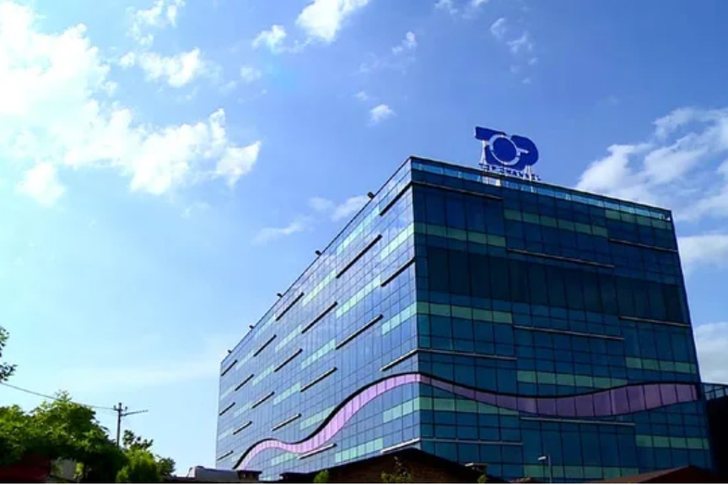
The media paid by the incinerators, Top Channel apart ...
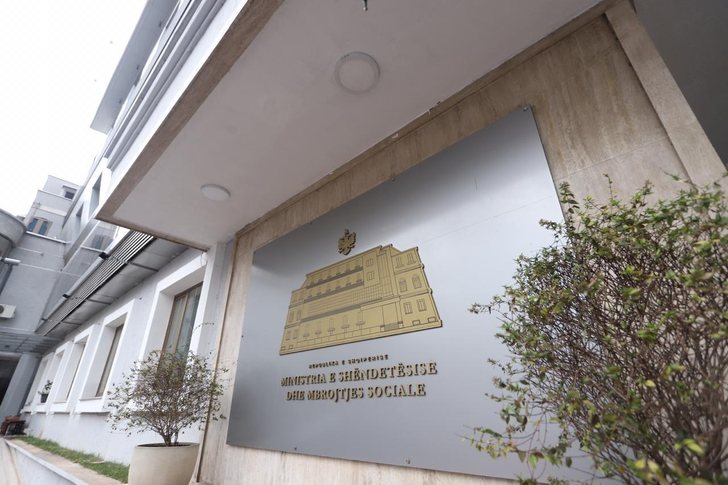
Today, a fraud scheme of Oncology doctors who sold che...
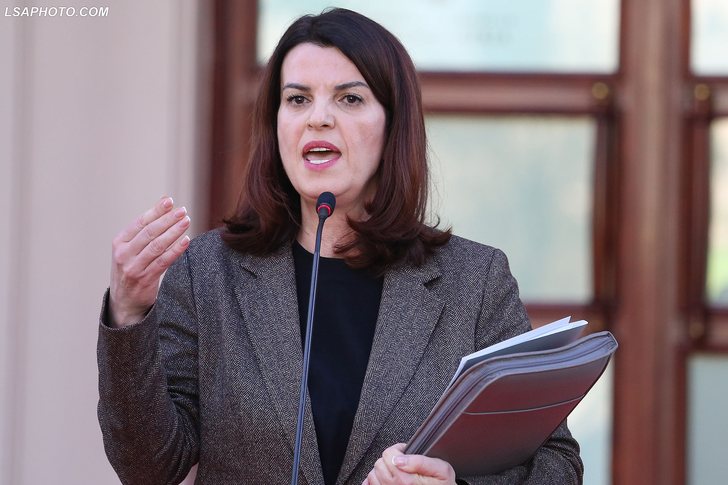
The Minister of Health, Albana Koçiu, "woke up" in the...

Former Prime Minister Sali Berisha has listed some of ...

Former Prime Minister Sali Berisha has made another ap...
The presidency of the DP has drafted the draft resolution ...

Deputy Jorida Tabaku has reacted regarding the scandal...
The Special Appeal sentenced the elected mayor of Hima...

CNA has launched another investigation that could lead to ...

Irfan Hysenbelliu is a businessman that we call "Irfan the...

In March 2026, CNA launched another investigation centered...
The arrested mayor of Tirana, Erion Veliaj, with 13 charge...

The Special Board of Appeal (KPA) decided this Monday ...

The KPA vetting decided this Thursday to dismiss the p...

Suela Salavaçi, a prosecutor in the Prosecutor's Offic...

The Special Board of Appeal reinstated the prosecutor ...

A conflict occurred this Thursday evening in the toy area ...

A person has died today on Orikum beach. According to repo...

Footage emerges from the serious accident that occurred th...

A Shkodra traffic police officer was hit with hard objects...

Children without parental care, for whom alternative famil...

On Thursday, our country will be under the influence of st...

A serious accident that occurred this Wednesday with the c...

The Institute of Geosciences has shared a forecast for wea...

The European Union Office in Kosovo has called on all poli...

Serbian President Aleksandar Vučić, at a press conference ...
For the first time since the launch of the euro, European ...

Artificial intelligence (AI) models from the American comp...

At a time when industrial products are increasingly taking...

Trust among people is not just a three-syllable word. It c...

Master of humor Todi Llupi has passed away at the age of 7...

The ninth edition of "MIK Festival" kicked off with one of...

The average sale price of apartments in Tirana reaches rec...

This Thursday, one US dollar is bought for 81.5 lek and so...

The price of diesel reached 206 lek per liter from 198 lek...

Businesses will no longer be required to simply register t...