


"Veliaj has not been well for a long time"/ Klodian Tomorri: Now there is only tension
Journalist Klodian Tomorri, invited to the Task Force ...


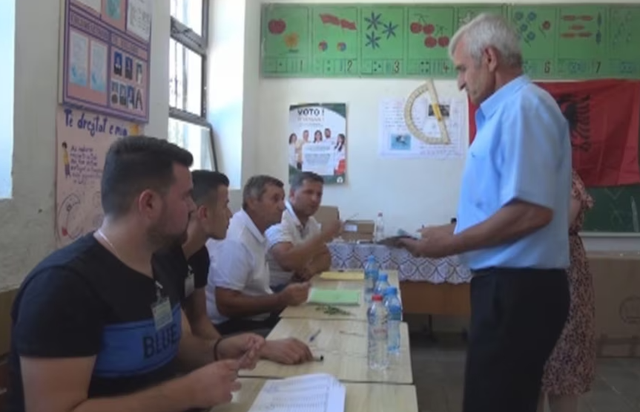
In Tirana, the changes in the Electoral Code, which are known to be carried out after the agreement between the Socialist Party and the opposition Democratic Party, were met with different reactions from independent experts. The changes determine the open lists of deputies in 2/3 of them as well as the possibility of voting by Albanians from abroad through the mail. But, while evaluating the steps for the voting of voters from abroad, on the other hand, experts affirm that the closed lists in 1/3 of them are being made for the personal interests of the main politicians and prove the lack of political will of the largest parties for completely free elections. open and democratic.
The Socialist Party and the Democratic Party of the opposition are said to have agreed on open lists in 2/3 of them and 1/3 closed. They are expected to submit two lists to the CEC; fixed multi-name list of candidates, as well as the multi-name list of candidates subject to preferential voting. The fixed list is ordered by numbers starting from one, while the multi-name list of candidates with a vote preferred by voters is arranged in alphabetical order according to their last names.
Independent experts who have closely followed the electoral processes in Albania for many years claimed that the expected changes in the Electoral Code agreed between the SP and DP for the open lists in 2/3 of them and the votes from abroad come as a reaction to decisions of the Constitutional Court, do not fulfill any of the recommendations of the OSCE/ODIHR on the improvement of the electoral process in Albania and the avoidance of violations found in previous elections.
"The problems raised by the previous elections, which are not being addressed, are the abuse of state resources, the finances of political parties, the intimidation of voters, the use of the administration during the elections. To sum it up in one sentence; the party and the state in Albania are becoming one and this is contrary to the Copenhagen document", says Dritan Taulla, representative of the Coalition for Reforms, Integration and Consolidated Institutions, for Voice of America.
Experts express concern over the same perennial behavior of Albanian parties, such as blaming the political opponent for everything, lack of will for democratic elections, continuous blockades, frivolous behavior and secret negotiations, not open and comprehensive as international institutions have called for.
"The lists will actually be closed. We are in the same political stalemate in terms of the part that the monopoly and exclusivity of the list will again belong to the party leaders. There it will be preferential for the chairman of the party, it will be his most trusted people and the citizens are not given the opportunity to choose the deputies they want", says Gerta Meta, head of the Association for Democratic Culture, for Voice of America.
Experts estimate that although theoretically at first sight the lists are open in 2/3 of them for the candidates of preferential votes, the new method clearly favors the candidates of the fixed list in 1/3, so practically the lists are still closed in relation to the number of mandates for each constituency, and this was done for the personal purposes of the main leaders.
"This position expressed in this bipartisan agreement comes mainly for personal interests. By this I mean the interest of the party chairman, the party leadership and the people who have power in the party, those who are the main figures in the party, who want to secure their mandate", Kristaq Kume, head of the Institute for Electoral Systems.
The Coalition for Reforms, Integration and Consolidated Institutions emphasizes that the lack of will for dialogue and open political compromise, the impossibility of public consultation and inclusiveness, brought the next failure with the electoral reform and the non-treatment of the major problems observed in the integrity of the elections according to the recommendations of OSCE/ODIHR, or local actors who observe and evaluate the electoral process.
On the other hand, the Coalition appreciated the steps taken to enable the voting of Albanians from abroad.
"Making it possible for Albanians to vote abroad is an extremely positive development. It is a proposed formula for voting by mail, and after several acts from the CEC, the State Commissioner has said that this can be done if the law comes within July," said Mr. Taulla.
Experts estimate that, just like in previous elections, the lists fixed and prepared by the party leaders are expected to bring deputies with poor quality and activity, who are only asked to approve everything proposed by the leader of their political formation. .
"We are in the same situation again; here we only think about the approach of the big political parties, and again we will have the votes of the citizens, which will not be considered. Small parties, new offers and new political movements with this legal framework will remain in difficulty and will again be asked for alliances with the big parties, whose wall they have promised to break", says Mrs. Meta .
On the other hand, the voting of Albanians from abroad by mail is assessed by experts as the most important innovation in the upcoming elections, based on the fact that Albania is the only country on the continent that does not yet have this option, as well as the fact that nearly half of the voters on the CEC lists do not live in Albania.
But they emphasize that these procedures must be further perfected in the future, that it is not enough for Albanians to vote from abroad, but also to be represented in the legislative process.
"The agreement to carry this out to the end, as requested by the Constitutional Court, should be welcomed, because finally, in the 2025 elections, we will also be among the countries that create the opportunity for their citizens to vote without being necessary to appear physically at the polling station", says Mr. Kume.
Experts claimed that these talks of the major parties away from the eyes of interested parties for constructive dialogue, bring unexpected and dubious results at the last minute and not publicly debated, where usually the party and the state are not clearly separated, violating the principles democratic for free elections and consolidated and functional democratic institutions./ Voa

Journalist Klodian Tomorri, invited to the Task Force ...
The DP deputy, Albana Vokshi, during her speech in the...
The DP MP, Bujar Leskaj has ironized the Rama governme...
Year after year, the Infrastructure Impact Tax levied ...
The legal representative of the Democratic Party, Ivi ...
On a hilly surface between the village of Blacë and th...
Today was the day set for the appeal hearing against E...

Yesterday, the police attacked a case of gambling in T...
The Deputy Prime Minister and Minister of Infrastructu...
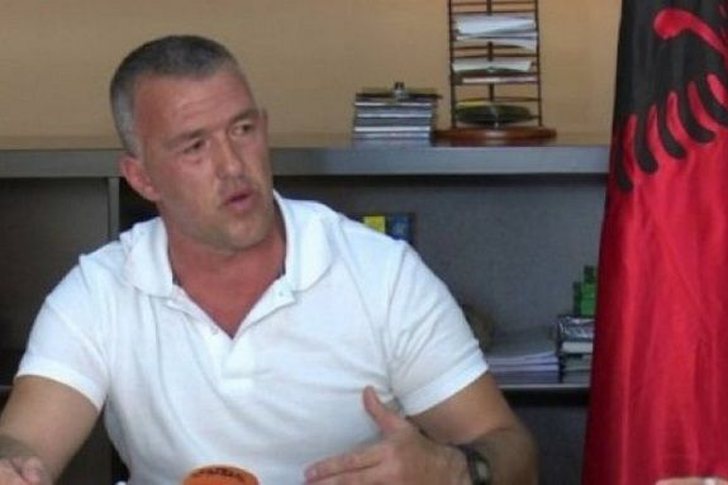
On Thursday, Erzen Breçani appeared at the Special Pro...
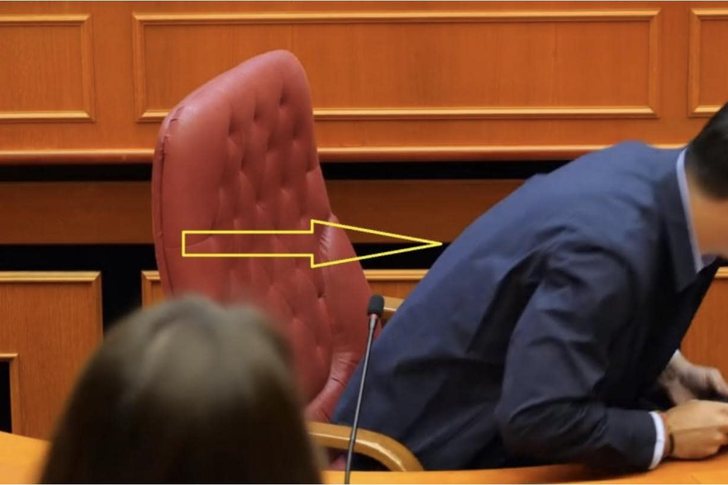
A message has arrived for the mayor of Tirana, Erion V...
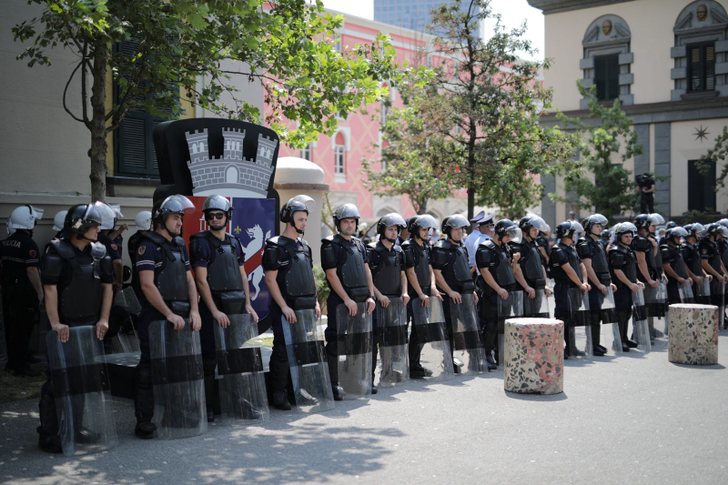
Protesters threw eggs and fruit at the building of the Tir...
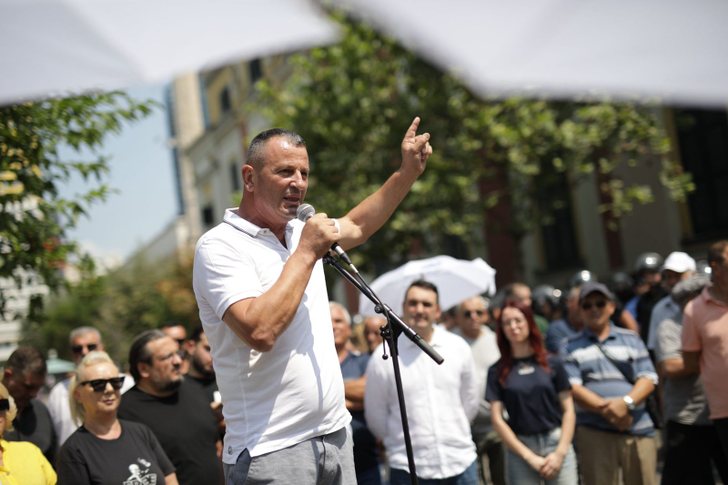
Hundreds of citizens are protesting in front of the Munici...
In this Thursday's parliamentary session, the new members ...
The Minister of Education and Sports, Ogerta Manastirl...
On Thursday, the GJKKO Appeal returned to the cell the...

The Special Prosecutor's Office against Corruption and Org...
Today at 11:00 a.m., the 18th protest is expected to t...
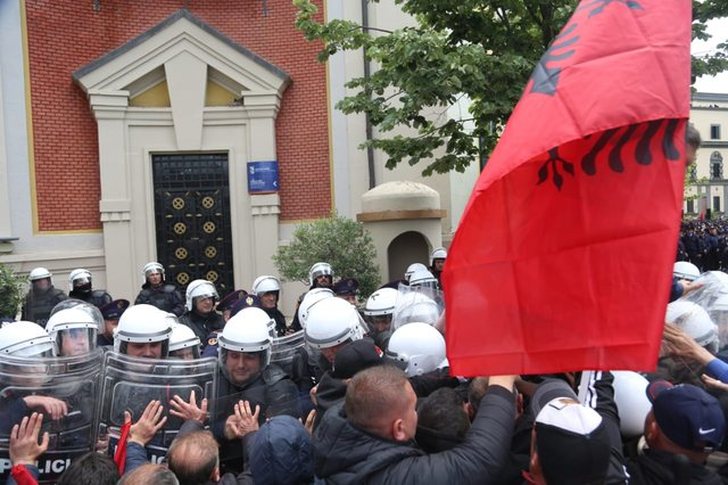
Today, at 11:00 am, the 18th protest, organized by the...
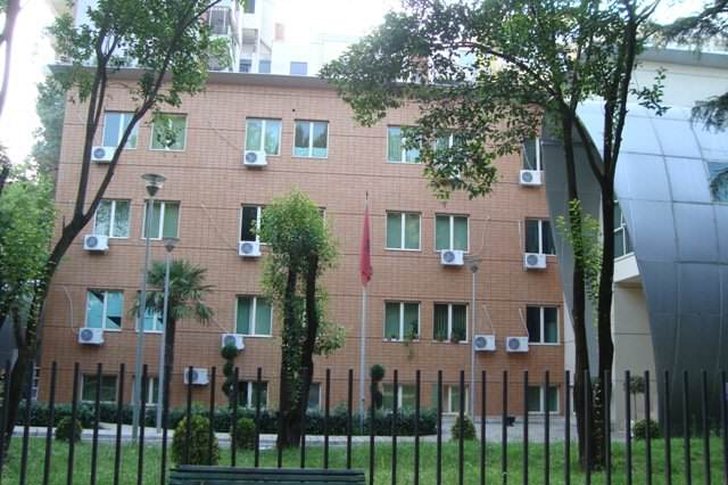
"Non-declaring the address of the environment where you ex...

There have been 12 days of protests in the capital, which ...

Dritan Prençi is the SPAK prosecutor who is sleeping on th...
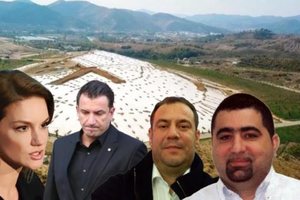
The in-depth investigations that SPAK conducted into Ajola...
SPAK's standards, the way it investigates, how it secures ...

The Special Board of Appeal (KPA) decided this Monday ...

The KPA vetting decided this Thursday to dismiss the p...

Suela Salavaçi, a prosecutor in the Prosecutor's Offic...

The Special Board of Appeal reinstated the prosecutor ...

New details have emerged regarding the serious accident th...
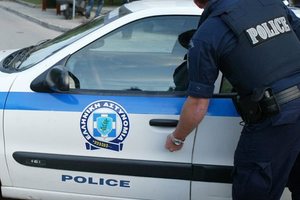
An Albanian businessman was arrested this afternoon in Gre...
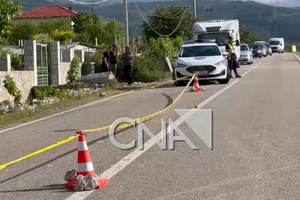
A serious accident has occurred on the Korça-Ersekë axis, ...
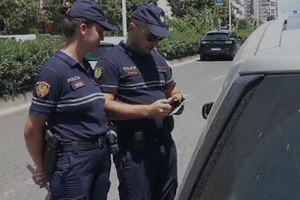
Fier Police has announced the measures taken this week for...
A tragic accident occurred this Friday afternoon in Kameni...

Today our country will be affected by unstable weather con...

On Thursday, our country will be affected by relatively un...

Albania is facing a deep demographic crisis where official...
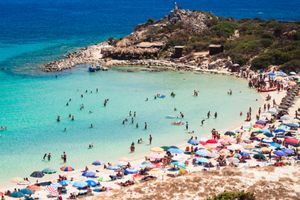
Umbrellas have been banned on a beach in Sardinia for anyo...
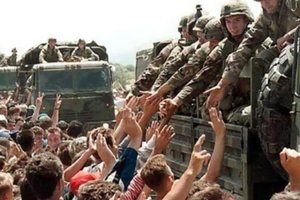
This June 12th marks the 27th anniversary of the liberatio...
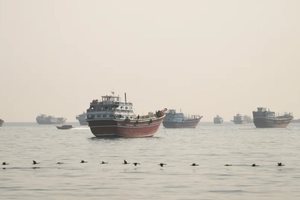
The global economy is expected to face its biggest slowdow...
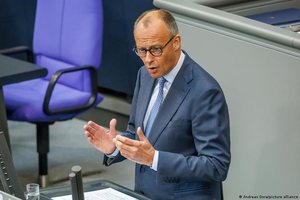
German Chancellor Friedrich Merz (CDU) defended his govern...
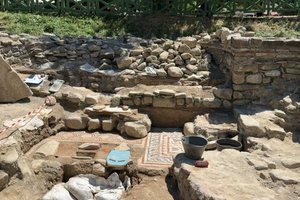
Several archaeological excavations conducted during this s...

At the Museum of Fine Arts in Chambéry, France, an exhibit...
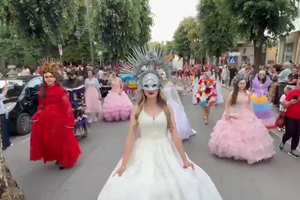
Korça has transformed this weekend into the capital of cel...
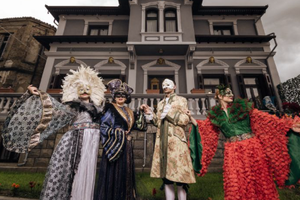
Korça is ready to open the summer season with one of the c...
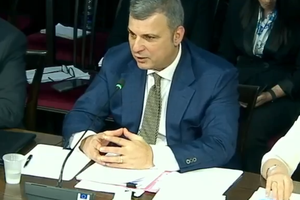
The Governor of the Bank of Albania, Gent Sejko, shared to...

Business lending has increased in the first half of this y...

The labor market has shown worrying trends in early 2026. ...

The number of new retirees in the social security scheme i...