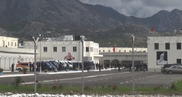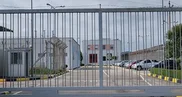


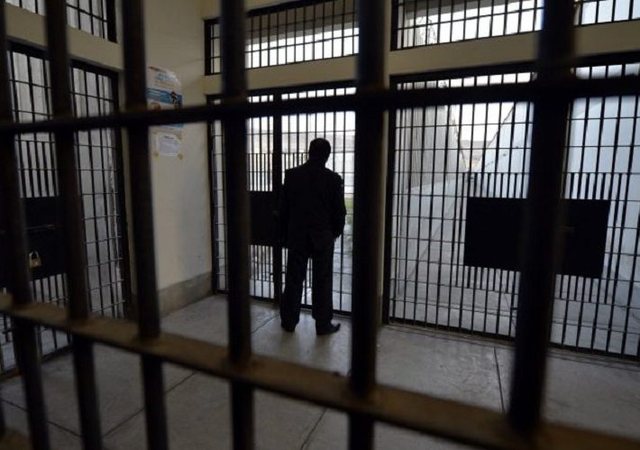
From the moment images of prisoners partying with alcohol and drugs circulated in Albanian prisons, the General Directorate of Prisons began to promote inspections of Albanian penitentiaries.
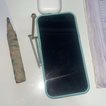
What is served every day is that cell phones, alcohol, and narcotics are found during checks.
In some cases, it is even said that the checks were carried out on the orders of the director of the General Directorate of Prisons, Adriatik Kupit, who is widely known as the soldier of the arrested mayor of Tirana, Erion Veliaj.
But let's go further. In fact, the phenomenon of frequent searches in prisons deserves to be seen beyond media reports and images of seizures.
Essentially, the fact that cell phones, chargers, and other prohibited items are repeatedly found in the same institutions does not necessarily indicate the strength of the system, but can also be interpreted as an indication of its structural weakness.
But from what is sold as a success in itself, the question arises: how does the same mechanism of smuggling continue to function? Repeated checks at the Penitentiary and again the propaganda shouts, 1 cell phone, 2 chargers, etc. were found.
If the phenomenon is repeated without interruption, then the problem is not the lack of controls, but the lack of real control over the penitentiary system. Every cell phone found is proof that security has failed before.
These actions also create a communication paradox. On the one hand, institutions seek to convey the message that they are taking action and "hitting down on illegality," on the other hand, the very repetition of the news exposes the normalization of smuggling within prisons.
So, the more the controls are promoted, the more the public perception is created that the state is failing to solve the problem at its root.
Another issue that is evident during this process is the lack of transparency regarding institutional responsibility.
We see that various items are seized but we do not see those responsible. Who are the ones who bring these items in? Have measures been taken against these people? Why is the security system not strengthened when an IEPD goes for a check for the first time and illegal items are found and a check is carried out again and illegal items are found again?
Isn't it assumed that after the first time, measures should be taken to prevent this phenomenon from happening again?
Serious investigations into the people who enable the introduction of these items, whether it be corrupt employees, internal networks, or technological security failures, are rarely made public.
Focusing only on the seized items shifts attention from real responsibility to the media effect of the operation.
Controls may have operational value, but the way they are publicly communicated brings them closer to the logic of propaganda.
Success is not measured by the number of checks or items seized, but by the ability to sustainably reduce the phenomenon and restore confidence in the functioning of penal institutions./ CNA



As part of the "Open Days", the Vocational Technical Schoo...
Prime Minister Edi Rama announced in a post on social medi...
The last week of May, which extends from May 25 to 31, beg...

Members of the Albanian diaspora, although eager to contri...
A panorama of the activity of Balkan organized crime in La...
The Minister of Internal Affairs, Besfort Lamallari, react...

The Institute of Geosciences has shared a forecast regardi...
At the "Resurrection of Christ" Cathedral in Tirana, on Su...
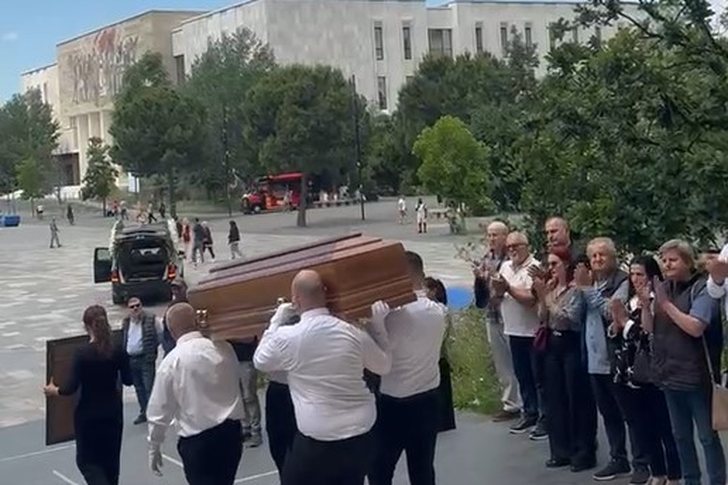
After the tributes, after honoring his figure, after sayin...
Ambasadori shqiptar në Ukrainë Ernal Filo ka folur për sul...
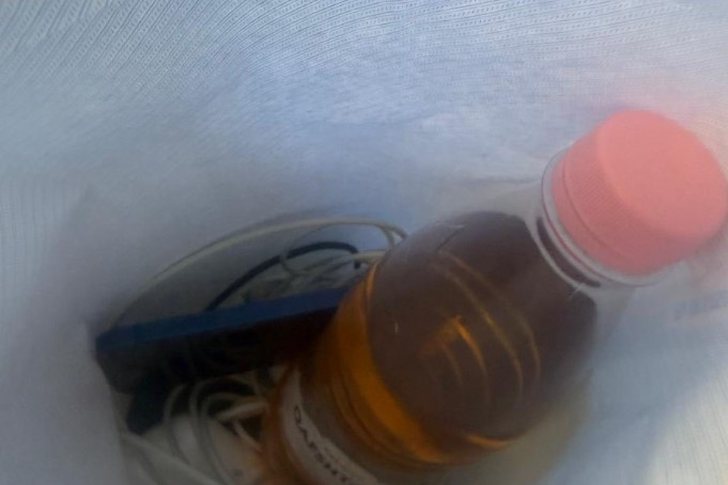
Surprise checks have been conducted at the Fier Penal Exec...
DP MP Ina Zhupa has reacted sharply to the inclusion of Sa...
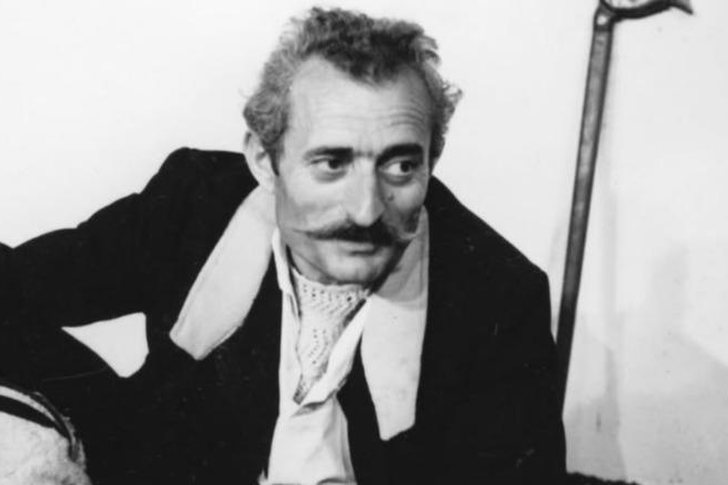
This Sunday, tributes are being held in honor of renowned ...
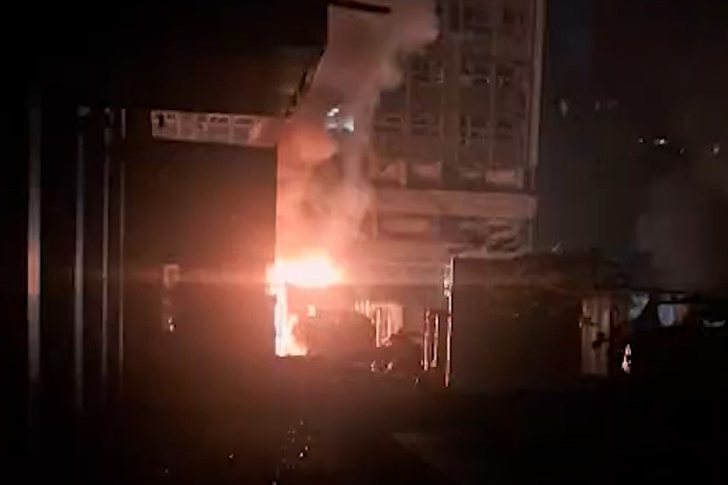
Russia has launched a series of attacks in Ukraine overnig...
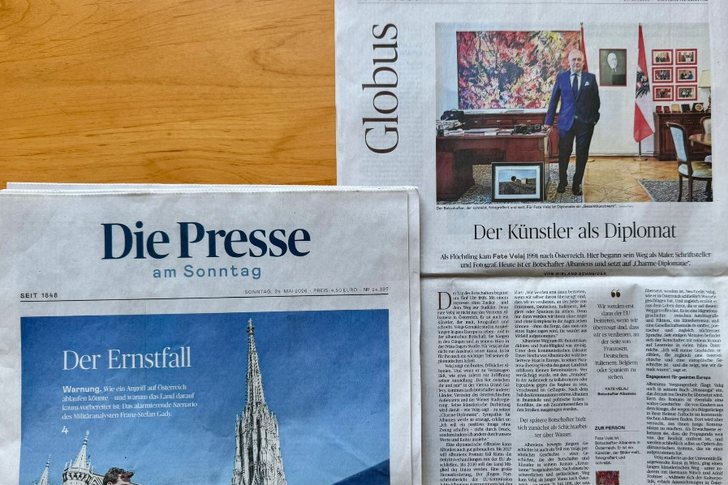
"The Artist as Diplomat" The day of the Albanian ambassad...
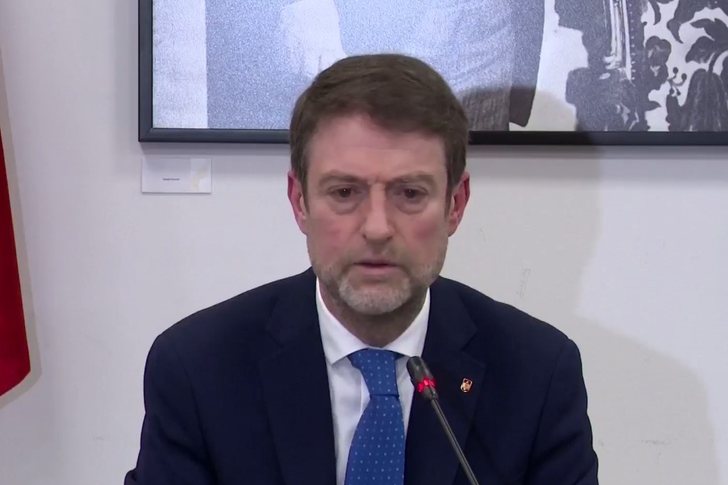
Foreign Minister Ferit Hoxha has announced that Russia has...
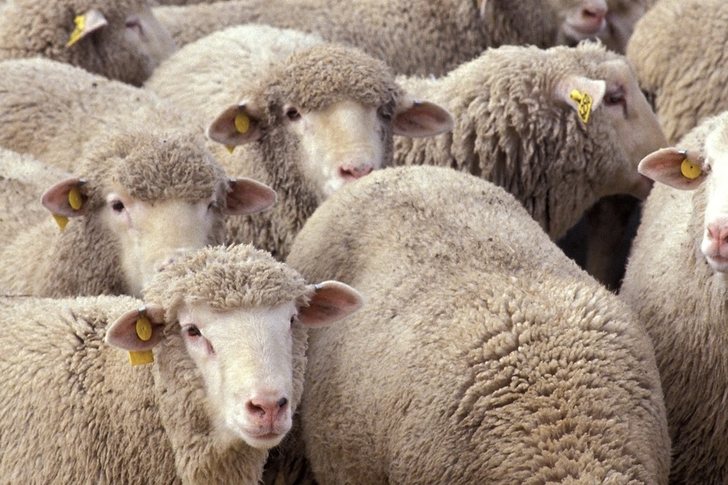
PCR tests on the small cattle herd in Kolonjë have come ba...

Sali Berisha është rikonfirmuar sot si kryetar i Partisë D...
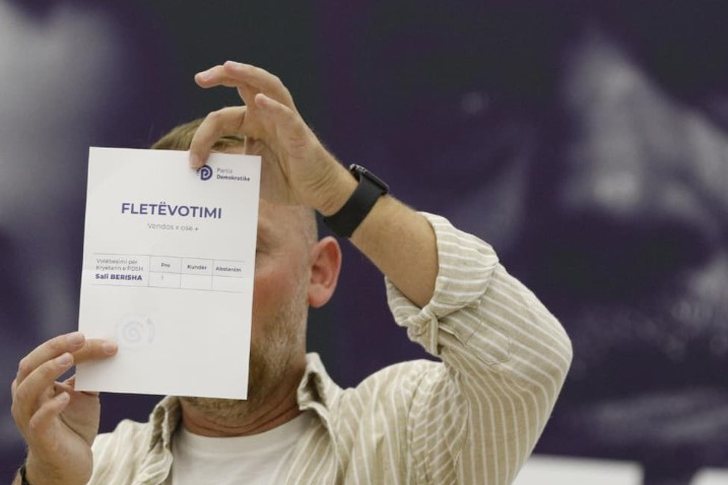
The counting of votes for the referendum process for the l...
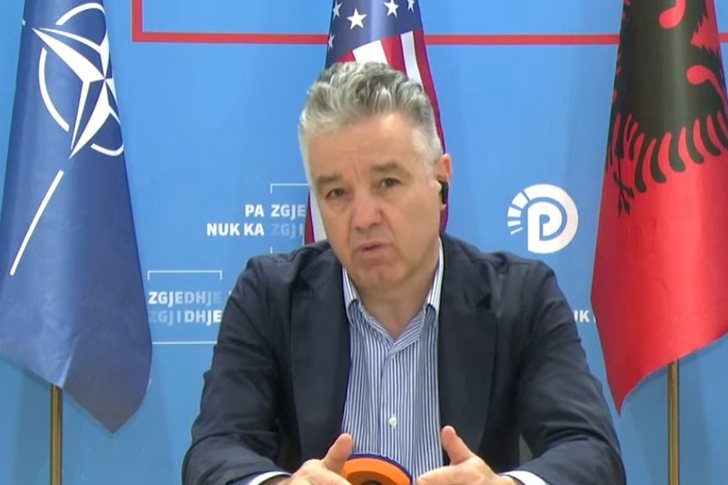
Democratic Party MP Enno Bozdo spoke after the end of the ...

CNA has launched another investigation that could lead to ...

Irfan Hysenbelliu is a businessman that we call "Irfan the...

In March 2026, CNA launched another investigation centered...
The arrested mayor of Tirana, Erion Veliaj, with 13 charge...

The Special Board of Appeal (KPA) decided this Monday ...

The KPA vetting decided this Thursday to dismiss the p...

Suela Salavaçi, a prosecutor in the Prosecutor's Offic...

The Special Board of Appeal reinstated the prosecutor ...

An accident occurred this Tuesday on "Dituria" street in K...
A tourist has lost her life on Orikum beach, where she was...

Two people were arrested and two others were prosecuted af...

At around 08:40, in neighborhood no. 10, Korça, a "Benz" t...
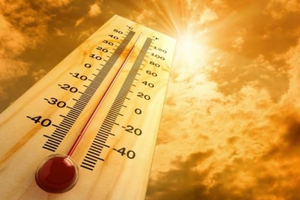
Albania was hit by temperatures significantly higher than ...

For the first time, Pogradec welcomed the Inter-Lake Chess...
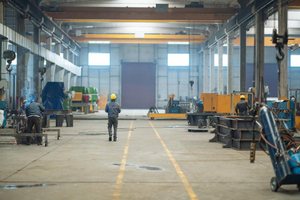
Albania has achieved a record for the employment of foreig...

Today our country will be under the influence of relativel...
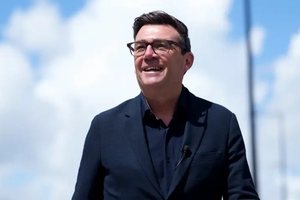
The United Kingdom's new Prime Minister, Andy Burnham, has...
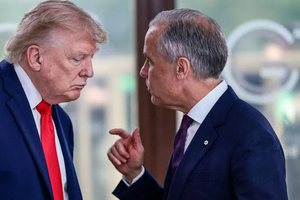
United States President Donald Trump has imposed 50% tarif...
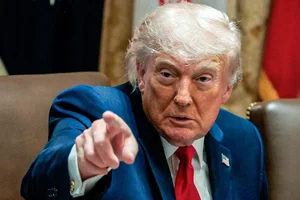
US President Donald Trump responded with harsh rhetoric to...
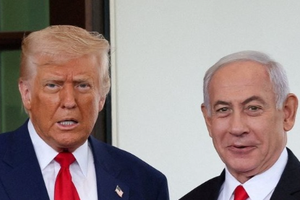
US President Donald Trump said on Monday that Israeli Prim...

At a time when industrial products are increasingly taking...

Trust among people is not just a three-syllable word. It c...

Master of humor Todi Llupi has passed away at the age of 7...

The ninth edition of "MIK Festival" kicked off with one of...
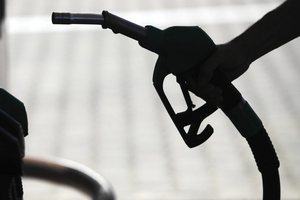
The Centralized Purchasing Operator recently opened a tend...
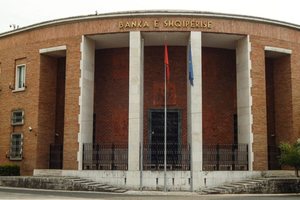
The new draft law "On the Bank of Albania" provides that t...

This Tuesday, one US dollar is bought for 81.2 lek and sol...
Deputy Minister of Economy and Innovation, Enkelejd Musabe...