

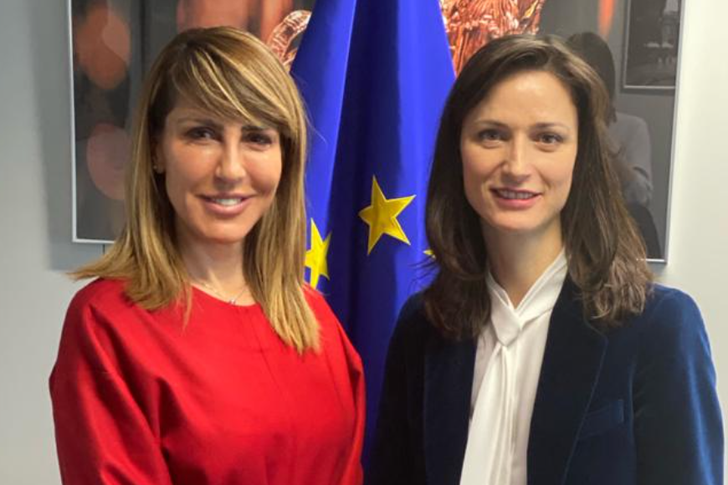
“Ngrite nga themeli të gjitha arritjet”/ Kryediplomatja bullgare vlerëson rolin e lartë të Majlinda Bregut
Këshilli i Bashkëpunimit Rajonal, zëvendëskryeministrj...


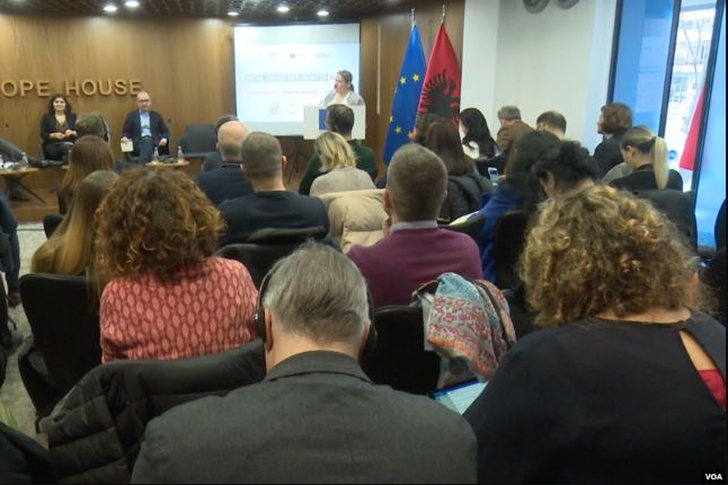
On Tuesday at the 'Europe House' in Tirana, the Balkan Network of Investigative Journalism, BIRN Albania and the Global Media Registry, GMR, presented the findings of the research on transparency and concentration of media ownership in Albania for 2023.
The Media Ownership Monitor is published for the second time in Albania and comes in the form of an online database with a set of indicators for media pluralism, which according to the level of risk are assessed as high, medium and low risk. This study was made possible with the financial support of the European Union.
"Freedom of expression and media freedom take a central role in the EU enlargement process," said Silvio Gonzato, the EU ambassador in Tirana in his speech during the presentation of the study, while stressing that all aspiring countries to become members must show commitment to respect freedom of expression.
According to the findings of the MOM Albania team, audiences and revenues in the media market in Albania continue to be under the control of a small group of family-owned companies.
The four largest owners of free-to-air TV stations have a combined market share of 72.47%, which is considered a high risk of concentration. Only the two main owners in this segment – ??the Frangaj family of the Klan media group and the Hoxha family of Top Media – have a combined market share of 58.27%.
Meanwhile, as far as the printed press is concerned, the leading media owner of the market, Irfan Hysenbelliu and his family, alone control almost half of the market with 48.55%.
The high concentration of income and audiences in the media market is due to the fact that Albanian law only regulates the audiovisual market. Moreover, this law does not clearly define limits on monopolization and high concentration of the audiovisual media market.
The high concentration of audience and revenue in the media market in a handful of family businesses has made it even easier for political groups and especially the government to influence the media, through indirect subsidies to businesses linked to media companies and direct links to media owners with politicians.
According to the study, 98.34% of the audience in the audiovisual media market is controlled by owners with political connections or who have received direct or indirect subsidies from the state.
The Albanian government has used a multifaceted reward and punishment strategy to influence media coverage, adhering to the "carrot and stick" principle.
While some popular media receive subsidies for the production of television programs and concessions in other areas regulated by the state, other media have faced fines, inspections by the Taxes or other punitive measures.
Government subsidies and contracts are not limited to the media, but also extend to the owners' non-media businesses, further intertwining economic interests with editorial decisions.
Political power not only exerts influence over owners in the media field, but also has significant influence on the creation of news content. A sophisticated propaganda machine, funded by public sources, generates prepackaged content that is then distributed to television stations and online media.
In a move to consolidate control, in September 2021 the government created the Media and Information Agency, centralizing oversight of all government press offices. The agency has been compared by the International Press Institute to a 'propaganda ministry'.
The ruling Socialist Party's influence extends beyond traditional media to social media platforms, where the prime minister has his own multimedia Facebook channel, called ERTV, which is often the only media allowed to broadcast government events.
Against this gloomy media background, even the few journalists and media outlets that avoid political influence by reporting independently often face derogatory attacks and smear campaigns from the highest officials in the country – from the government but also from the opposition.
Independent media and journalists are important pillars of freedom of expression in a democratic society to enable holding accountable those in public office and political power.
In the conditions of concentration of ownership, political connections and influence of the government, Albania faces a difficult battle for maintaining journalistic integrity in the face of a complex interplay of interests./ Birn

Këshilli i Bashkëpunimit Rajonal, zëvendëskryeministrj...
Analyst Lorenc Vangjeli has commented on SPAK's reques...
Deputetja Partisë së Lirisë, Monika Kryemadhi ka shkua...

Gazetari Artan Hoxha komentoi në emisionin "Opinion" k...
"Incinerators are a Renaissance project". This is wha...
A car accident happened on the "Elbasan-Rrogozhin" roa...
Former MP Belind Kelliçi has spoken about the Tirana i...
The Assembly of Albania will vote on December 18 for g...
The Balkan Network of Investigative Journalists (BIRN) and...
The former Minister of Health, Ilir Beqaj, stayed at S...
The Assembly of Albania will vote on December 18 for grant...
The services of the largest mobile phone operator in Ukrai...

The Socialist Party has introduced the new prefect of Kukë...
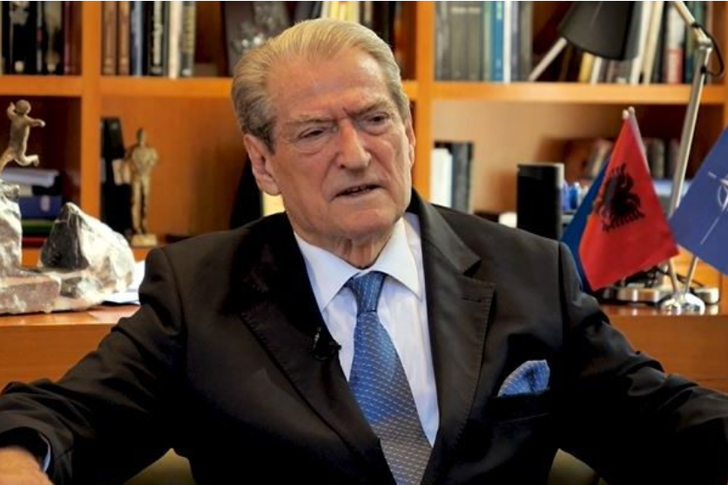
With a 7-page letter, SPAK sent today a request to the...
An unusual event happened in Berat. A 78-year-old man ...
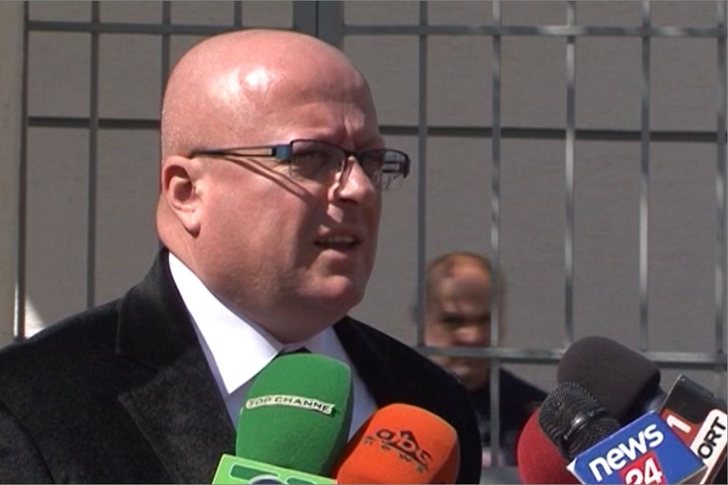
Attorney Genc Gjokutaj has made an analysis of the act...
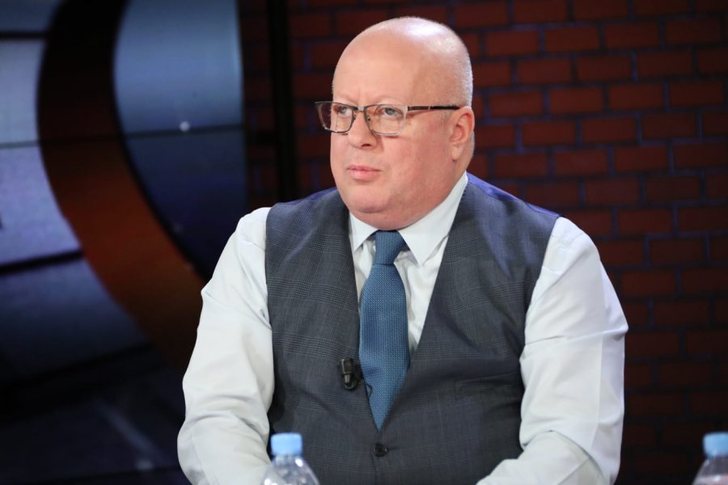
Lawyer Genc Gjokutaj has spoken about SPAK's request t...
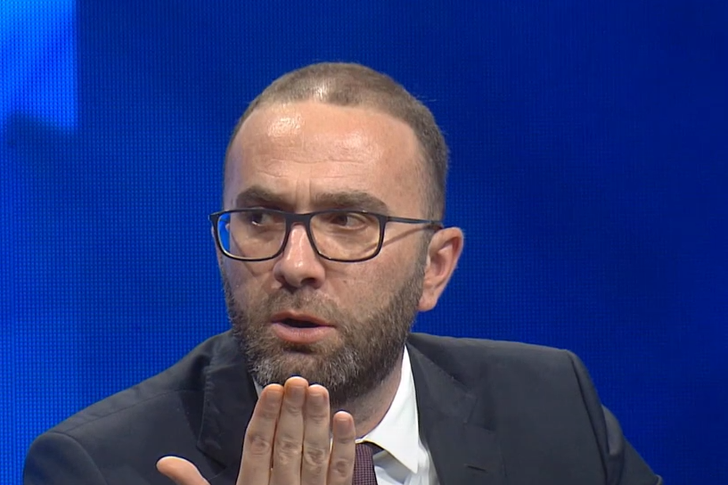
This Tuesday, SPAK addressed a request to the Assembly...

Ish deputeti dhe anëtari i Kryesisë së Partisë Demokratike...

Greece's position that it will not accept Albania's EU...

CNA has launched another investigation that could lead to ...

Irfan Hysenbelliu is a businessman that we call "Irfan the...

In March 2026, CNA launched another investigation centered...
The arrested mayor of Tirana, Erion Veliaj, with 13 charge...

The Special Board of Appeal (KPA) decided this Monday ...

The KPA vetting decided this Thursday to dismiss the p...

Suela Salavaçi, a prosecutor in the Prosecutor's Offic...

The Special Board of Appeal reinstated the prosecutor ...
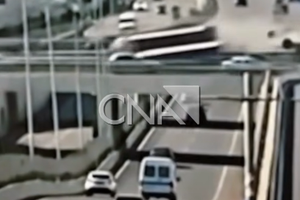
Footage emerges from the serious accident that occurred th...
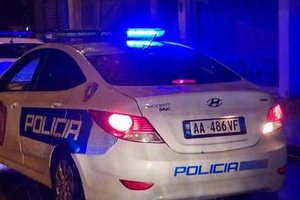
A Shkodra traffic police officer was hit with hard objects...
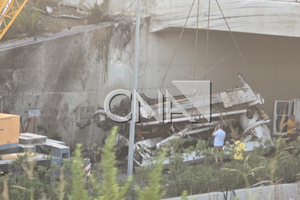
This Wednesday, around 4:00 PM, a serious accident occurre...
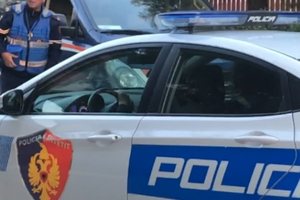
Tirana Police have shared details regarding the accident t...
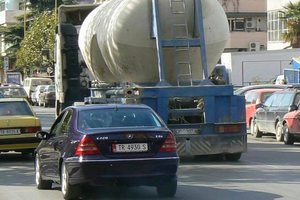
A serious accident that occurred this Wednesday with the c...

The Institute of Geosciences has shared a forecast for wea...
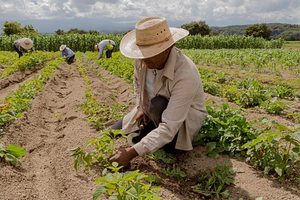
Rising energy and fertilizer prices are expected to contin...
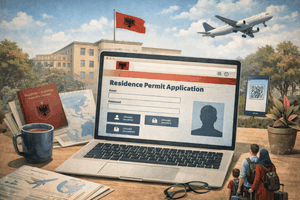
Over 18,000 foreign citizens from 140 countries have appli...
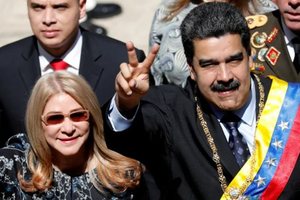
The trial of ousted Venezuelan President Nicolas Maduro on...
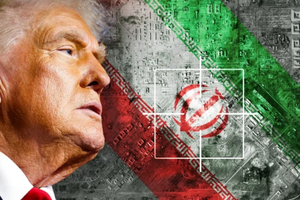
US President Donald Trump has issued another warning to Ir...
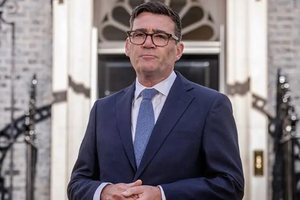
Prime Minister Andy Burnham has announced that most bus fa...

France's parliament has passed a law to ban social media f...

At a time when industrial products are increasingly taking...

Trust among people is not just a three-syllable word. It c...

Master of humor Todi Llupi has passed away at the age of 7...

The ninth edition of "MIK Festival" kicked off with one of...
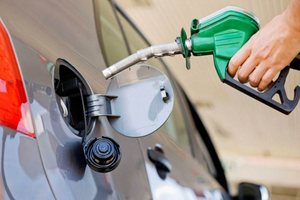
The price of diesel reached 206 lek per liter from 198 lek...

Businesses will no longer be required to simply register t...

Despite economic growth and income in recent years, Albani...
This Wednesday, one US dollar is bought for 81.4 lek and s...