

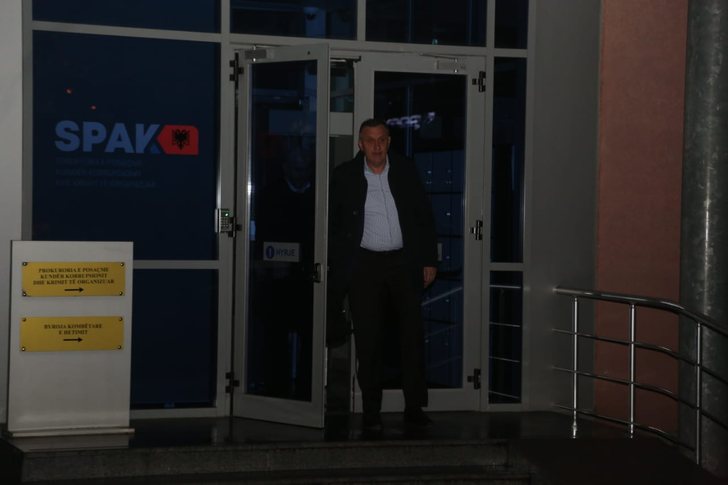
About 9 and a half hours of testimony/ Ilir Beqaj leaves SPAK: I asked for additional investigations
The former Minister of Health, Ilir Beqaj, stayed at S...


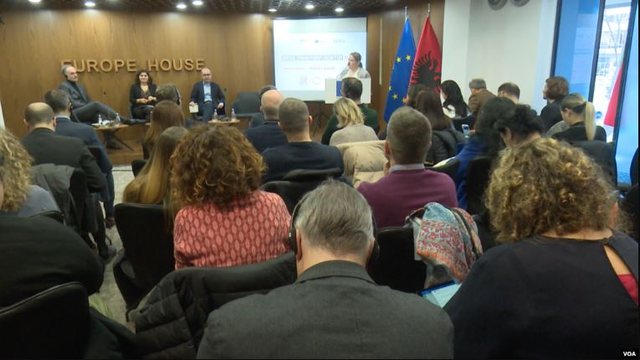
The Balkan Network of Investigative Journalists (BIRN) and the Global Media Registry (GMR) published today the Media Ownership Monitor in Albania for 2023.
The monitor observed a large concentration of ownership, followers and income in a few groups of families, which dominate the media market.
In the report, the concentration of the media market, ownership and followers of the media in a few hands, from which the political control, pluralism and neutrality of the media are at risk, are assessed as indicators of high risk.
The authors claimed for Voice of America that this large concentration undermines freedom of expression and democracy as a whole.
According to the Media Ownership Monitor this year in Albania, nearly 87 percent of viewership is achieved by 4 television owners, the Frangaj family with TV Klan, the Hoxha family with TV Top Channel, the Hysenbelliu family with TV NEWS24 and Carlo Bollino with Report TV.
Four national television broadcasters work in Albania, one public and three private. Public television has 16 regional and thematic television channels. 37 local television stations and 21 cable channels also operate. However, audiences and revenues are concentrated in the 4 largest television stations.
The report highlights that most media are owned by a handful of powerful families, while the rest are closely linked to businessmen who operate in highly regulated markets, such as construction and real estate, information technology, banking or gambling. .
"We found that there is a high political influence on the media groups, which control the majority of the audience. Virtually all media groups, more precisely 98.34 percent, of audiovisual media in Albania have other businesses, which receive money from the government through contracts, concessions, or are related to Albanian political groups. Most of the main online media are part of the traditional audiovisual media and rebroadcast their content", says the head of this research, the editor-in-chief of BIRN in Albania, Besart Likmeta, for VOA.
According to the Ownership Monitor, Albania has 6 national radio stations; 3 public and 3 private. There are 52 regional radio stations and 1 public radio station in the country, but only 9 percent of Albanians listen to radio programs, even though a significant part of them are owned by those who have even the biggest TVs.
“Në Shqipëri pluralizmi i medias është i ndikuar. Pak njerëz kontrollojnë informacionin dhe ata janë të ndikuar politikisht. Ata marrin materiale të gatshme të prodhuara nga propaganda qeveritare dhe i transmetojnë pa i identifikuar si të tilla. Nga ana tjetër zërat e pavarur dhe grupime e pavarur, grupe të margjinalizuara apo pakica, nuk gjejnë vend për t’u shprehur në hapësirën mediatike shqiptare, dhe kjo e dobëson demokracinë dhe lirinë e shprehjes në vend. Bashkë me pluralizmin sakrifikohet edhe liria e shprehjes”, thotë zoti Likmeta.
Në raport thuhet se mediat online janë zhvilluar shumë, afro 82 për qind e shqiptarëve përdorin mediat sociale për t’u informuar çdo ditë pjesa dërrmuese facebook, dhe afro 70 për qind e shqiptarëve përdorin media online çdo ditë.
Në vend janë regjistruar 900 portale lajmesh, ndërsa 1.8 milionë vendas janë përdorues të Facebook-ut.
Të dhënat e fundit tregojnë se mediat sociale po ia kalojnë televizioneve në zgjedhjen e publikut si burim kryesor informimi.
Kundrejt 82 për qind e shqiptarëve që pwrdorin mediat sociale, 75% e njerëzve në Shqipëri përdorin televizionin çdo ditë ose pothuajse çdo ditë dhe 13% të paktën një herë në javë.
Hulumtimi nga BIRN dhe GMR flitet me shqetësim mbi ngushtimin e pluralizmit mediatik, mbi përqëndrimin e mediave në pak duar si dhe mbi interesat politike, që ndikojnë politikat editoriale të tyre.
?“Ajo që më tërhoqi vëmendjen është se nga 12 tregues rreziku mbi pluralizmin mediatic dhe për shëndetin e mjedisit mediatic 8 prej tyre ishin të kuq, me rrezi shumë të lartë, dhe 4 ishin me rrezik mesatar. Kjo tregon për situatën e vështirë dhe shumë sfiduese për lirinë e medias dhe lirinë e shprehjes, si dhe për punën e gazetarëve të pavarur e cilësorë në Shqipëri. Ka një marrëdhënie simbiotike mes pronarëve të medias dhe biznesit dhe politikës dhe se si media është përdorur dhe përdoret për të shtyrë përpara interesa të caktuara ekonomikë, financiarë dhe politikë”, thotë Blerjana Bino drejtuese e Qendrës SCIDEV dhe përfaqësuese e organizatës “Safejournalists”.
Në treg janë tetë gazeta ditore, duke përfshirë një gazetë sportive, një revistë javore biznesi dhe një numër revistash mujore.
Për tirazhet e tyre nuk ka të dhëna zyrtare, por bëhet fjalë për disa mijëra kopje që shiten çdo ditë.
Mbi 71 për qind të publikut të shtypit të shkruar e zotërojnë dy pronarë, thuhet në raport; afro gjysmën e tyre e mbulon Focus Group me botuese e gazetave të përditshme Panorama, Panorama Sport dhe Gazeta Shqiptare.
Po shtypi i shkruar përdoret si burim informacioni nga vetëm 4 për qind e popullsisë çdo ditë.
"Transparency on media ownership is essential for media freedom. This is the main part of the information, which is related to the editorial independence, as well as the accuracy of the data in the news. Supporting such projects helps to strengthen media freedom and the fight against disinformation, during the European integration process. Freedom of the press occupies a key place in the process of EU expansion, and all countries that aspire to membership must demonstrate their commitment to ensure freedom of expression," said the new ambassador of the European Union in Albania, Silvio Gonzato, at the gathering.
BIRN's report also mentions attacks on the media, such as the one when the guard of TV Top Channel was killed with a firearm, further physical violence against the journalists of the Fiks Fare program, as well as against the journalist Elvis Hila and his wife.
The Monitor for Albania talks about a doubling of incidents against journalists this year compared to last year, verbal attacks, threats and intimidation, including Mayor Erjon Veliaj's attack on journalist Ola Xama, as well as Prime Minister Rama's ban on journalists Ambrozia Meta and Klevin Mukaj to attend the press conferences, as well as checks and indirect pressures on some media.
The Media Ownership Monitor goes in line with other international reports regarding the difficulties of Albanian journalists. Even according to a report by the organization "Reporters without Borders", the Albanian media are influenced by the economic and political interests of the owners, appointments in the public and regulatory media are politicized, while journalists critical of the government are subjected to political attacks and defamation campaigns./ BIRN

The former Minister of Health, Ilir Beqaj, stayed at S...
The Assembly of Albania will vote on December 18 for grant...
The services of the largest mobile phone operator in Ukrai...

The Socialist Party has introduced the new prefect of Kukë...
With a 7-page letter, SPAK sent today a request to the...
An unusual event happened in Berat. A 78-year-old man ...
Attorney Genc Gjokutaj has made an analysis of the act...
Lawyer Genc Gjokutaj has spoken about SPAK's request t...
This Tuesday, SPAK addressed a request to the Assembly...

Ish deputeti dhe anëtari i Kryesisë së Partisë Demokratike...

Greece's position that it will not accept Albania's EU...
Former Prime Minister Sali Berisha continues to denoun...
Ish kryeministri-Sali Berisha është treguar i gatshëm për ...
Është zbardhur shkresa që kreu i SPAK Altin Dumani i ka dë...
SPAK has requested authorization for "house arrest" for fo...
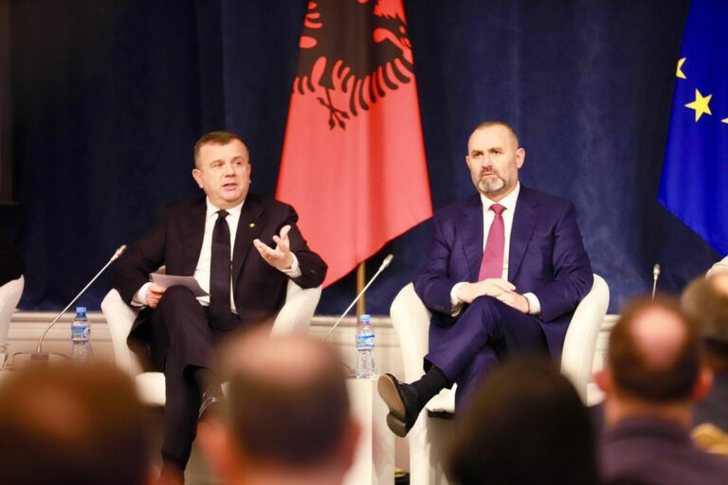
The Minister of the Interior, Taulant Balla, in his sp...

Ish-deputetja Monika Kryemadhi ka mohuar se janë vënë ...

Former member of parliament Monika Kryemadhi has shown thr...
Ish-deputetja Monika Kryemadhi, sot në një deklaratë p...
Former deputy Vangjel Tavo has reacted to the family trage...

CNA has launched another investigation that could lead to ...

Irfan Hysenbelliu is a businessman that we call "Irfan the...

In March 2026, CNA launched another investigation centered...
The arrested mayor of Tirana, Erion Veliaj, with 13 charge...

The Special Board of Appeal (KPA) decided this Monday ...

The KPA vetting decided this Thursday to dismiss the p...

Suela Salavaçi, a prosecutor in the Prosecutor's Offic...

The Special Board of Appeal reinstated the prosecutor ...
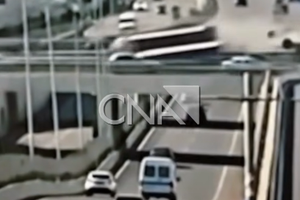
Footage emerges from the serious accident that occurred th...
A Shkodra traffic police officer was hit with hard objects...
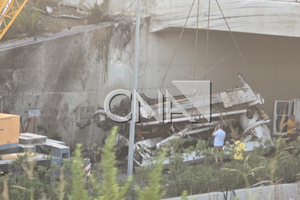
This Wednesday, around 4:00 PM, a serious accident occurre...
Tirana Police have shared details regarding the accident t...
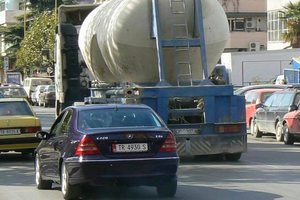
A serious accident that occurred this Wednesday with the c...

The Institute of Geosciences has shared a forecast for wea...
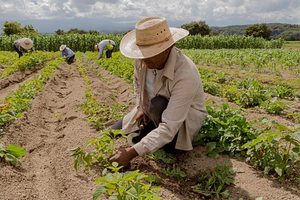
Rising energy and fertilizer prices are expected to contin...
Over 18,000 foreign citizens from 140 countries have appli...
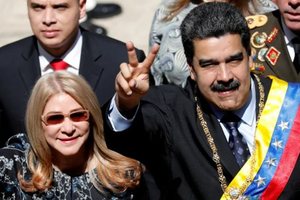
The trial of ousted Venezuelan President Nicolas Maduro on...
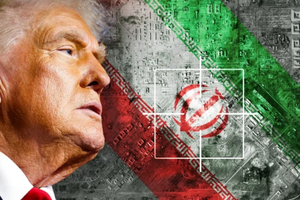
US President Donald Trump has issued another warning to Ir...
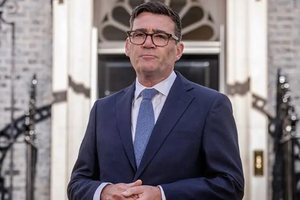
Prime Minister Andy Burnham has announced that most bus fa...
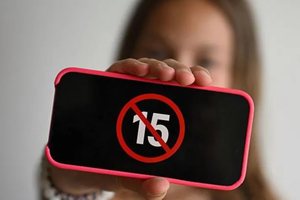
France's parliament has passed a law to ban social media f...

At a time when industrial products are increasingly taking...

Trust among people is not just a three-syllable word. It c...

Master of humor Todi Llupi has passed away at the age of 7...

The ninth edition of "MIK Festival" kicked off with one of...
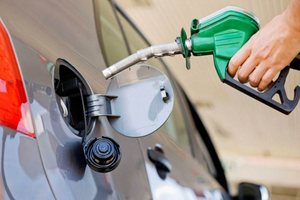
The price of diesel reached 206 lek per liter from 198 lek...

Businesses will no longer be required to simply register t...

Despite economic growth and income in recent years, Albani...
This Wednesday, one US dollar is bought for 81.4 lek and s...