


Injured in fire in Maliq/ Ministry: 6-year-old in critical condition, treatment in the burn-plastic service
New details are being learned regarding the health conditi...


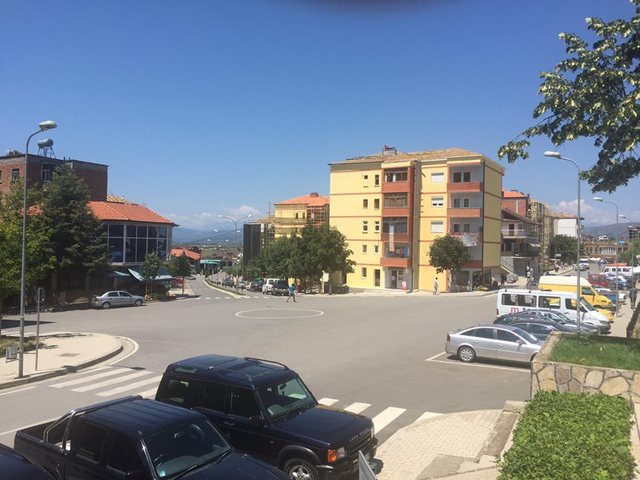
43 municipalities, out of a total of 61, had negative natural increase in 2023, as more people died in each of them than were born, INSTAT reported.
The number of municipalities in this group has expanded further in 2024 due to the decline in births nationally, but there is still no detailed data.
Most municipalities in the South of the country have negative natural increases because the aging population is producing more mortality.
According to INSTAT data, Korça records the deepest decline, with -394 inhabitants, followed by Vlora -182, Shkodra -152 and Kuçova -146. The reasons are related to the aging population, high emigration and the decrease in birth rate, especially in the urban centers of the south and north of the country that once had strong industrial bases.
Municipalities such as Fier -128, Lushnja -124, Maliqi -101, Pogradec -85 and Gjirokastra -74, which were once densely populated areas, also recorded continuous declines.
On the other hand, some small municipalities such as Klosi (+4), Divjaka (+9), Saranda (+22) or Bulqiza (+47) showed stability or slight growth, reflecting the impact of tourism and traditional norms.
On the other hand, Tirana stands at the top with a positive natural increase of 2,880 inhabitants in 2023, being the only municipality with significant demographic growth.
This indicates the concentration of births and internal migration towards the capital, which remains the epicenter of the economy, education, and employment in the country.
Following it are Kamza with a natural increase of +640, Durrës +386, Kruja +231 and Kukës +221, which mark moderate growth also due to the preservation of the tradition of large families.
The natural population growth rate in Albania remains deeply negative in most of the territory. The growth of Tirana and several surrounding municipalities is occurring in parallel with the depopulation of the rest of the country, signaling an increasing concentration of human and economic resources in a few urban centers.
In 10 municipalities, 7 of them have a shrinking population due to aging and low fertility. The main cause is the emigration of young people, which removes the reproductive age group from rural areas and small towns.
On the other hand, the aging of the population increases the number of deaths and decreases the birth rate. Economic conditions and the lack of services, which encourage couples to have fewer children or to move towards Tirana and some large cities.
In the long term, this process brings serious consequences, such as school closures, labor shortages, a decline in local consumption, and difficulties in providing public services./Monitor.al

New details are being learned regarding the health conditi...

This Sunday, the Archbishop of Tirana, Durrës and all Alba...
The Steering Committee of the Albanian Bar Association has...

63 days have passed since the public deception of Erion Ve...
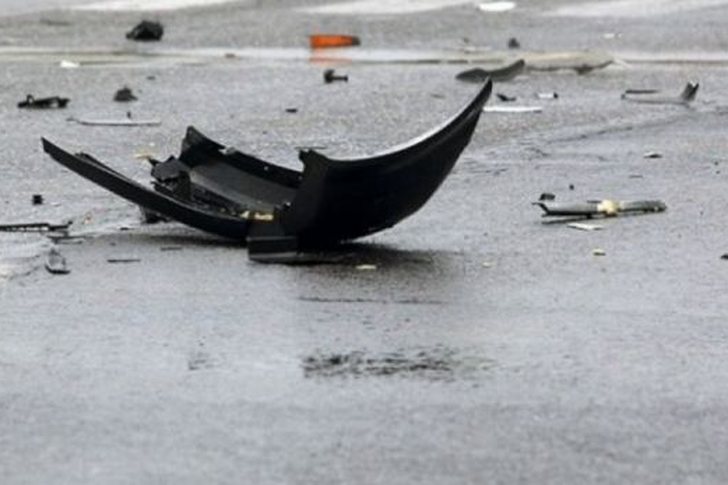
A road accident occurred today on the "Maminas - Lalëzit B...

Sokol Sadushi, the president of the Supreme Court, was cau...

The Morning Service and Divine Liturgy of the Third Sunday...
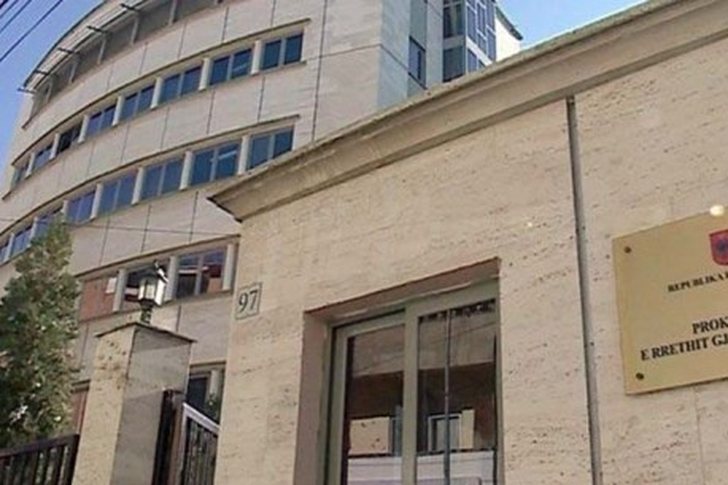
The Prosecutor's Office at the Court of First Instance of ...
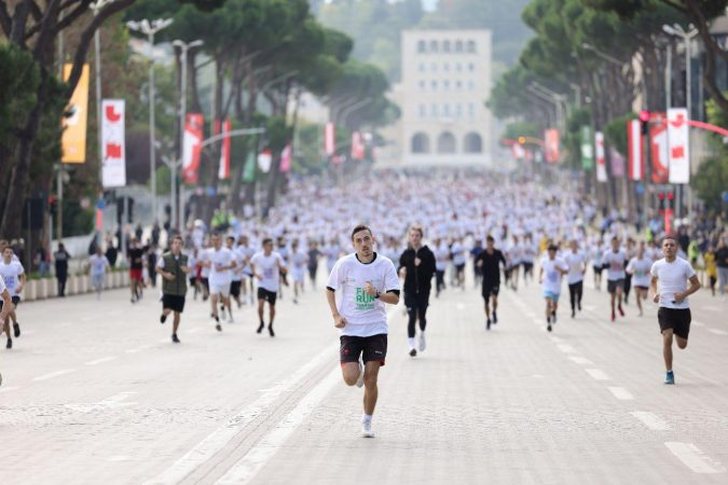
Today, the "Tirana Marathon 2025" takes place in the capit...
The Chamber of Advocates has reacted to the arrest of lawy...

The Special Prosecution Office against Corruption and Orga...
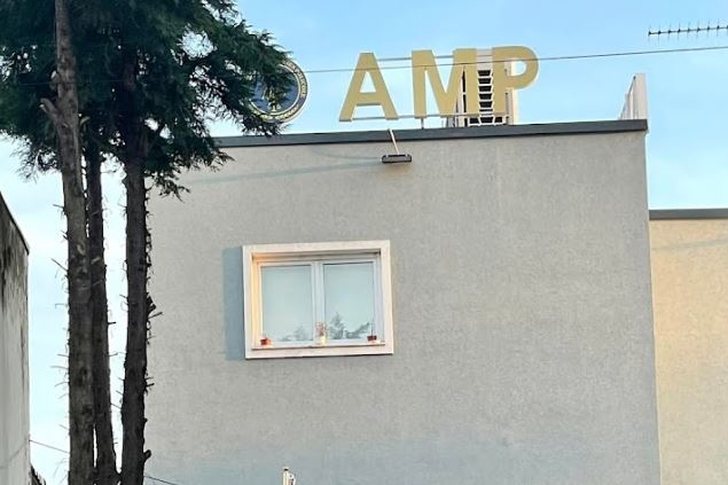
The Police Supervision Agency (Tirana Region) has referred...
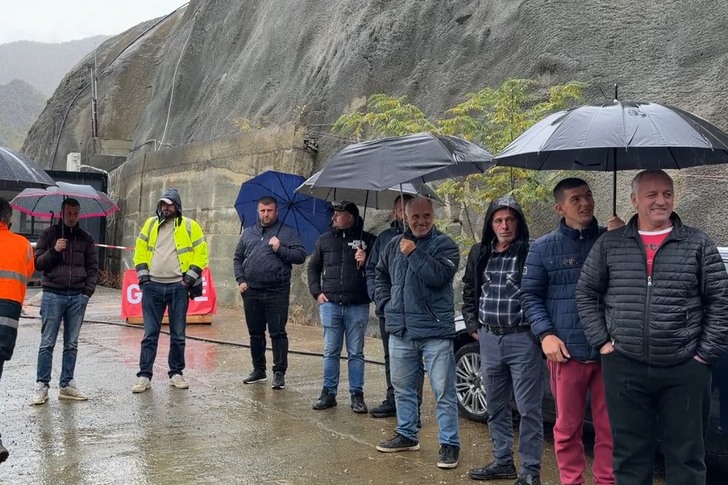
Not only have they not reached any agreement, but 16 miner...

Lawyer Saimir Vishaj a few days ago announced his cand...

Journalist Elvi Fundo has published two documents dati...

Today marks 62 days since the public deception of Erion Ve...
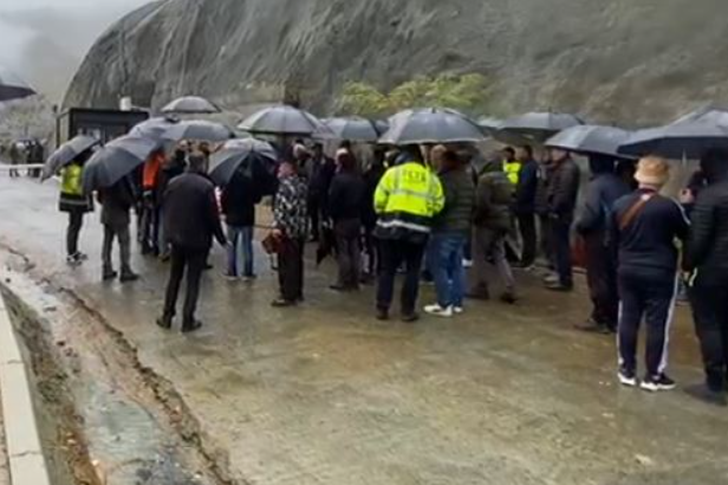
For 10 days, miners at the Spaç Copper Mine have continued...

The Anti-Corruption Spokesperson for the Democratic Party,...
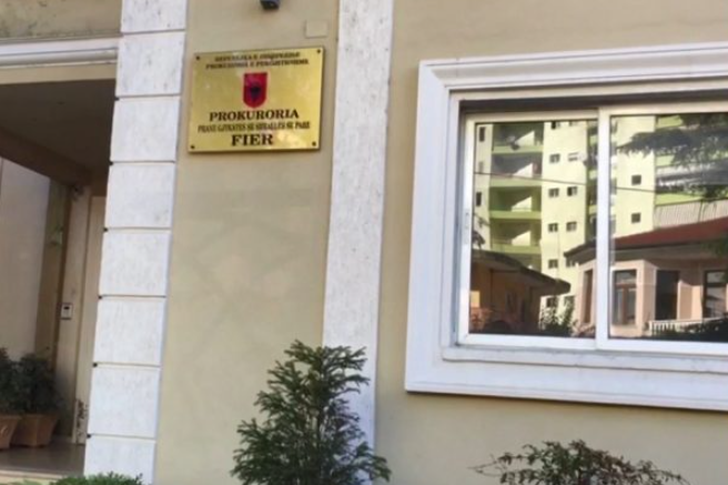
The Fier Prosecutor's Office has completed the investigati...

The 9th edition of the Tirana Marathon will take place in ...
A 39-year-old citizen has been arrested in Lezha, after se...

CNA has launched another investigation that could lead to ...

Irfan Hysenbelliu is a businessman that we call "Irfan the...

In March 2026, CNA launched another investigation centered...

The Special Board of Appeal (KPA) decided this Monday ...

The KPA vetting decided this Thursday to dismiss the p...

Suela Salavaçi, a prosecutor in the Prosecutor's Offic...

The Special Board of Appeal reinstated the prosecutor ...

Several gunshots were reported today in the village of Gjo...

Following the successive operations carried out by the ope...

The Police Supervision Agency has seized the service weapo...
A serious incident occurred in Lushnje, where citizen IY, ...

As the year 2026 is in its second half, the world is exper...

Today, our country will be under the influence of stable a...

By noon, cloudiness is expected to prevail in almost all o...

Children without parental care, for whom alternative famil...

Ukrainian President Volodymyr Zelensky said Russia wants t...
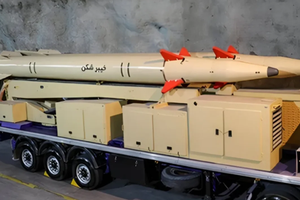
Iran is adapting and enhancing the capabilities of its bal...
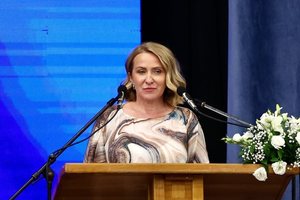
Serbia's Minister of State Administration and Local Self-G...
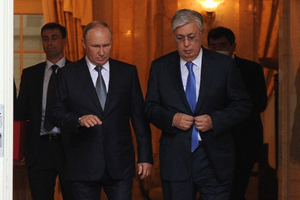
Kazakh President Kassym-Jomart Tokayev shared some critici...
Two windows, a century of history and the metaphysics of p...

In my research at the Central State Archives, specifically...

At a time when industrial products are increasingly taking...

Trust among people is not just a three-syllable word. It c...

This Saturday, one US dollar is bought for 81.7 lek and so...

War, weather and supply disruptions could send gas prices ...
The number of active enterprises in Albania continued to g...
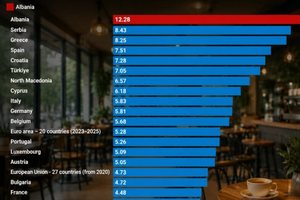
In Albania, the bar-cafe has long become an almost unique ...