


"A vehicle is not a weapon!"/ Lamallari warns drivers
The Minister of Interior, Besfort Lamallari, has reacted t...

The Minister of Interior, Besfort Lamallari, has reacted t...

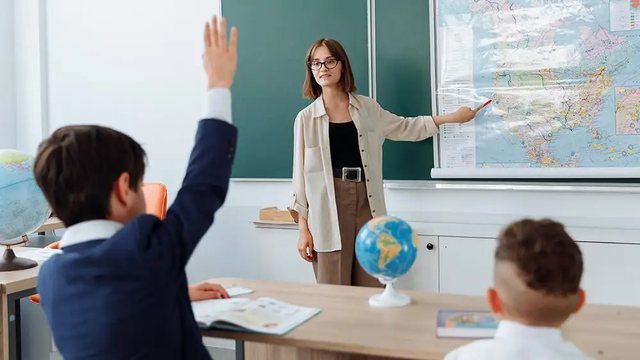
In this academic year, for the first time, the number of students per teacher in public schools is lower than in private schools.
In the current academic year 2023-2024 in the primary cycle, a teacher in public schools had an average of 15.1 students, while in the private sector, 15.2 students, INSTAT data show.
In the 9-year cycle (grades 6-9), a teacher in state schools had approximately 7.9 students, while in the private sector, 8 students.
In secondary education, the reports are still in favor of the private sector. A teacher in public schools has an average of 11.6 students, while in private schools, 9.1 students
The student-to-teacher ratio has improved significantly in the last decade due to the decline in births, as a significant proportion of children immigrate with their parents.
Eurostat data show that during 2013-2023, over 64,000 people under the age of 18 sought asylum in EU countries, the highest rate globally after Syria, in relation to the population.
In 2015, a teacher in the 9-year cycle taught an average of 18.3 students, while in the 2023-2024 school year, a teacher has an average of 15.1 students.
Fewer students per teacher should translate into better learning outcomes, but this has not happened.
The results of the PISA 2022 test (the international student assessment carried out by the OECD that evaluates the achievements of students in mathematics, science and reading) showed a dramatic drop in results.
In mathematics, they received 368 points, 69 points less than in the 2018 test and 21 points less than in 2012. In literature, they received 358 points, 47 less than in 2018 and 35 less than in 2012. Also in science, the decline was similar.
One of the reasons that many parents wake up over the years to private education to educate their children was the overcrowded classrooms in the public sector. Analyzes of learning achievements have always blamed high numbers of students in classes for poor results.
Experience is showing that the decrease in the number of students in classes and the quality of educational achievements are going inversely, when the opposite should happen.
Teachers and experts interviewed by "Monitor" in a special article have affirmed that the failure of the curriculum, the use of technology without criteria, low salaries, the decline of the teacher's authority, models of success not based on knowledge are some of the reasons for the decline. than the results.
Education has been and remains the basis for the prosperity of a society. The examples show us that the countries that have developed very quickly (South Korea and Estonia) have carried out a deep reform in education, which then served to move the country's economy to another level.
Albania's backwardness in education heralds a decline in all other sectors, which have been facing difficulties for professionals and the workforce for years./ Monitor magazine

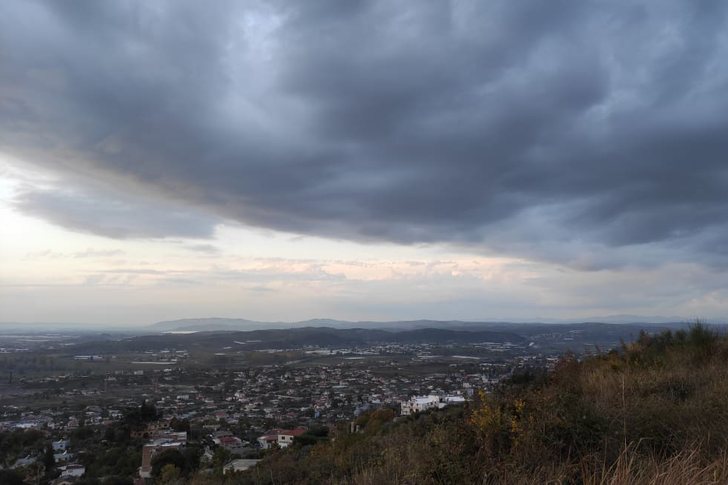
Today, our country is expected to be affected by relat...
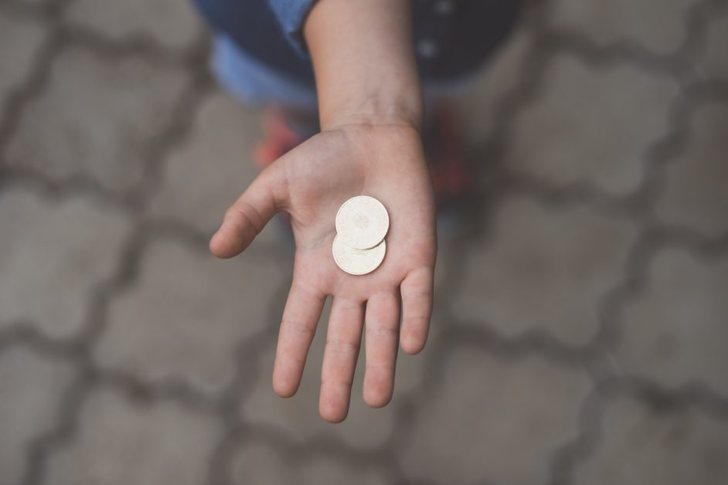
At least 1/3 of the country's population lives in difficul...
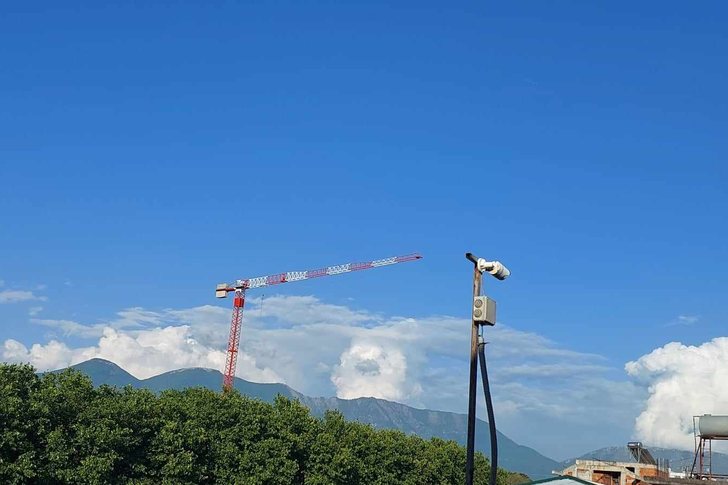
Today our country will be under the influence of relativel...

The educational institution, the school, should focus ...

Meteorologu Hakil Osmani ka zbuluar se si do të jetë m...

Në Shqipëri, 1 Maji, që teorikisht përkujton protestat...
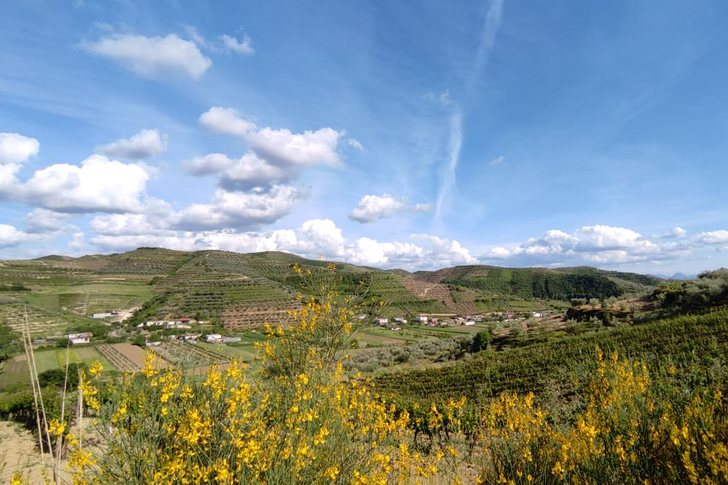
On Monday, the weather is expected to be mostly clear with...
Aristotle, one of the greatest philosophers who ever lived...
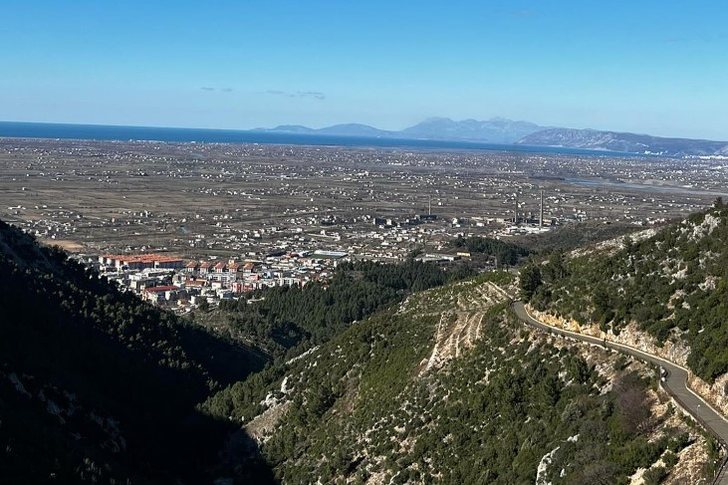
For the week ahead, our country will be affected by relati...
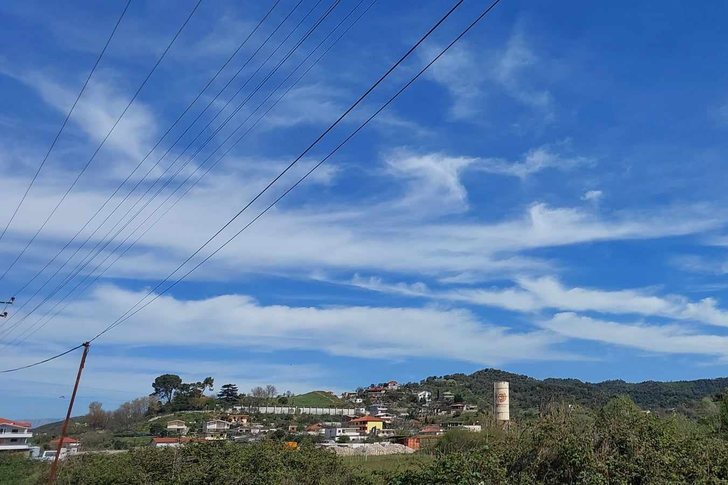
Sunday will have alternating clear and cloudy weather, whi...
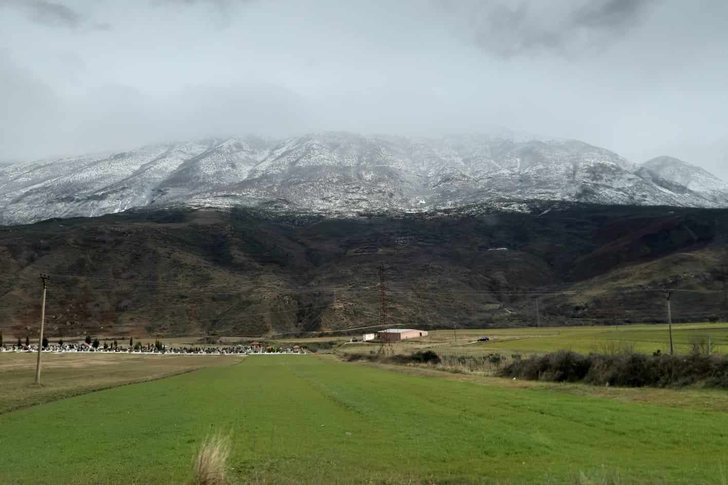
Dita e shtunë do të jetë në ndikim të kushteve atmosfe...
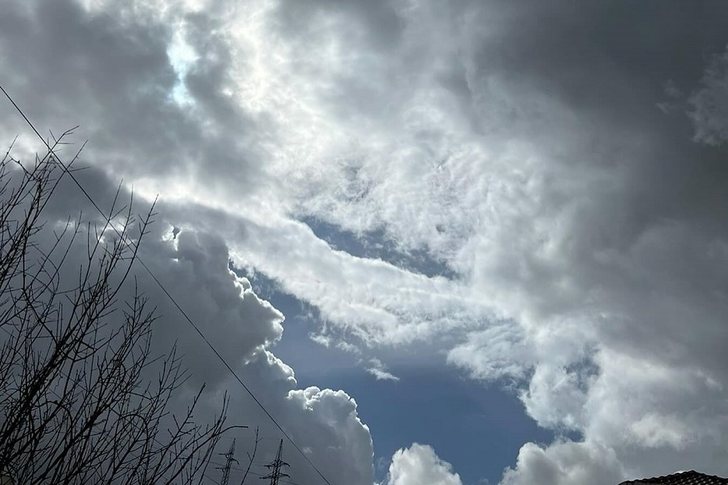
On Friday, our country will be affected by unstable weathe...
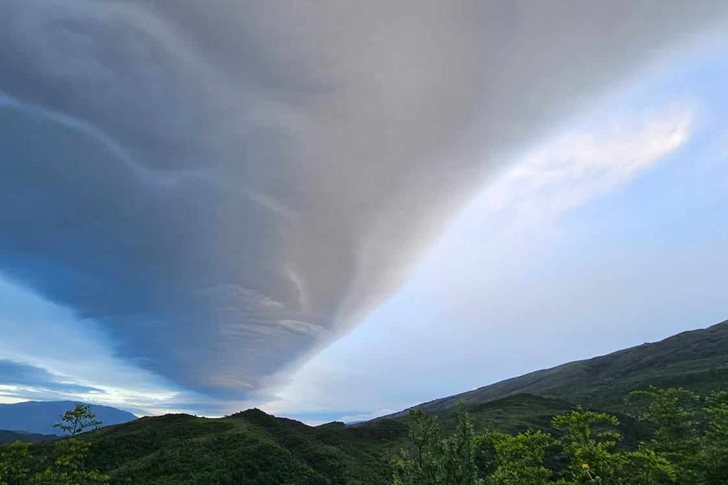
Our country today will be affected by unstable atmospheric...
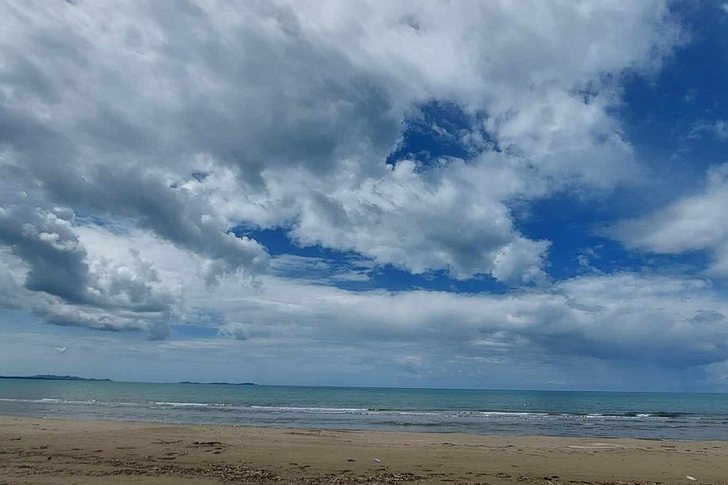
Today, our country is expected to be affected by relativel...
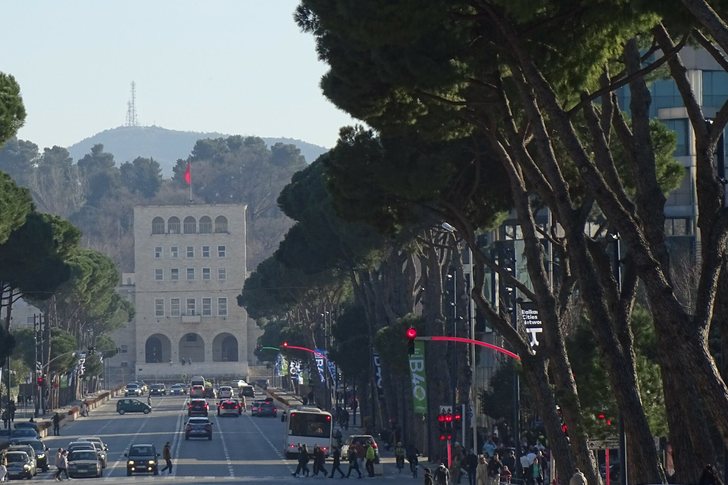
The number of vehicles circulating in the country has incr...
Even this Tuesday, the weather is expected to be clear thr...
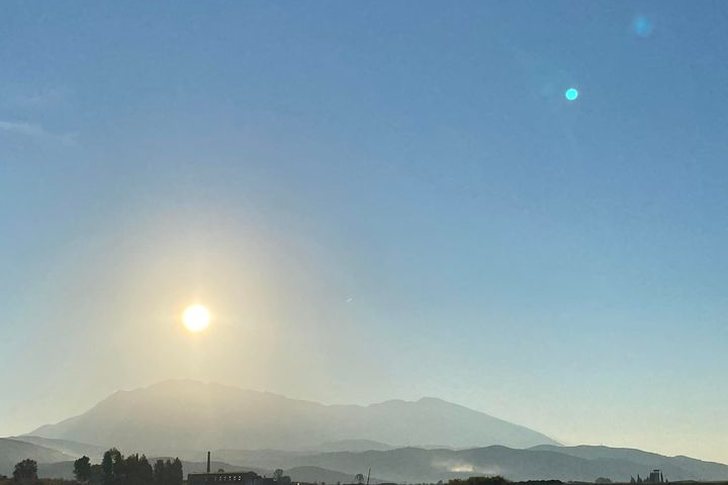
A few days ago, first on Thursday of the week we left ...
This Monday, our country will be affected by relatively st...
For the week ahead, our country will be affected by re...
Skema e pensioneve, në vitin e dhjetë të zbatimit të saj, ...
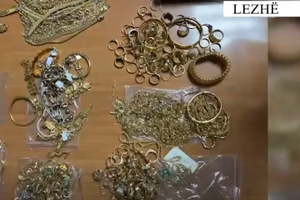
A 39-year-old citizen has been arrested in Lezha, after se...

CNA has launched another investigation that could lead to ...

Irfan Hysenbelliu is a businessman that we call "Irfan the...

In March 2026, CNA launched another investigation centered...

The Special Board of Appeal (KPA) decided this Monday ...

The KPA vetting decided this Thursday to dismiss the p...

Suela Salavaçi, a prosecutor in the Prosecutor's Offic...

The Special Board of Appeal reinstated the prosecutor ...
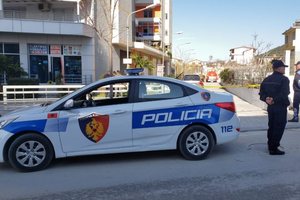
A serious incident occurred in Lushnje, where citizen IY, ...
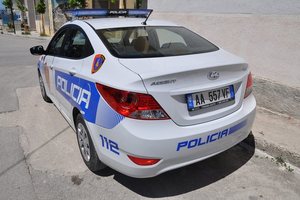
As a result of the investigative and procedural actions ca...
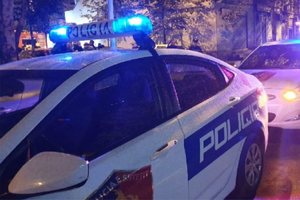
A conflict for weak motives was recorded today in the vill...

An accident involving three vehicles occurred a few minute...
Today, our country will be under the influence of stable a...

By noon, cloudiness is expected to prevail in almost all o...
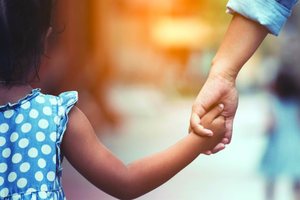
Children without parental care, for whom alternative famil...
On Thursday, our country will be under the influence of st...

Marine Le Pen is entering the decisive phase of the presid...
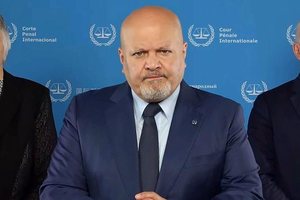
Member states of the International Criminal Court voted to...
From the declining role of exports to new public investmen...
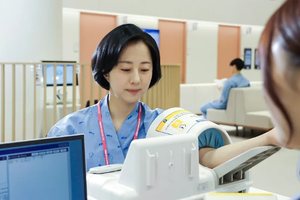
South Korea is becoming one of the most sought-after desti...
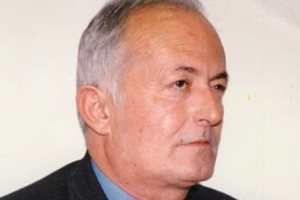
Two windows, a century of history and the metaphysics of p...
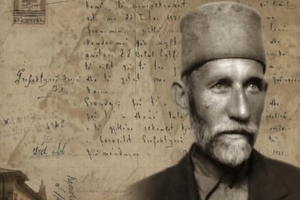
In my research at the Central State Archives, specifically...

At a time when industrial products are increasingly taking...

Trust among people is not just a three-syllable word. It c...
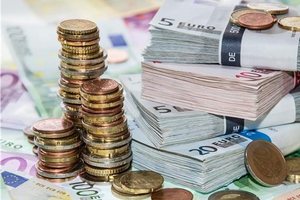
This Saturday, one US dollar is bought for 81.7 lek and so...
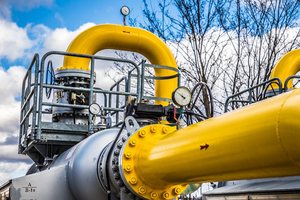
War, weather and supply disruptions could send gas prices ...
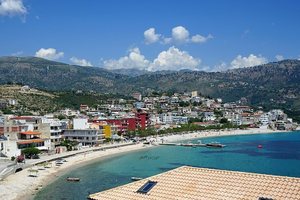
The number of active enterprises in Albania continued to g...
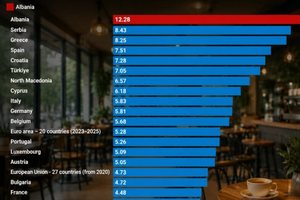
In Albania, the bar-cafe has long become an almost unique ...