


Formal competitions in the State Police
Today, the ranking of candidates expected to take over the...

Today, the ranking of candidates expected to take over the...

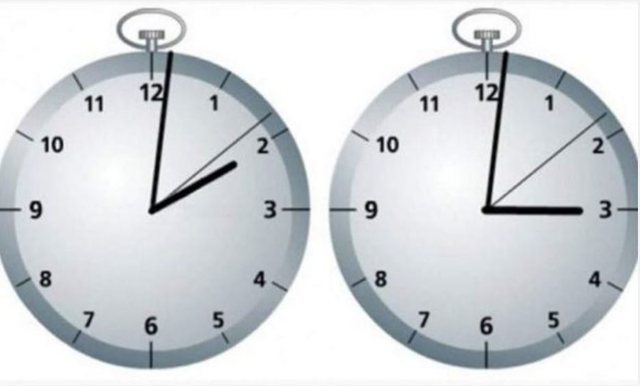
On the night between Saturday and Sunday, the clocks went forward 60 minutes. The official time of the clock change was exactly at 02:00, when the hands move 60 minutes forward, marking 03:00.
Twice a year, our clocks change by one hour and people gain or lose an hour of sleep. This time, the clocks will not go back until October 26.
The change of clocks is a unified process in all European countries. Its change was established as a European law in 1981. The European norm determines the dates of the start of summer time, where the hands move 60 minutes forward, and winter time when they turn 1 hour back.
The clock change aims to save electricity and use sunlight. After the spring equinox, the day has begun to lengthen and reaches its peak on June 22, with 15 hours of daylight and only 9 hours of night.
Since 1981, the time change has been implemented throughout Europe, with many countries moving their clocks forward 60 minutes. The European standard consistently determines the dates of the start of the summer time period, when the clocks move forward 60 minutes.
It was 1907 when Englishman William Willett introduced the idea of ??"Daylight Saving Time" so that people wouldn't waste precious hours of daylight on summer mornings.
Willett came up with the idea to get people out of bed earlier by changing the clocks. He proposed that the clocks should be moved forward by 80 minutes in four progressive steps during the month of April and the same way during the month of September. Willett then spent the rest of his life trying to convince people that his scheme was the right one.
Unfortunately, he died of influenza in 1915, at the age of 58, a year before the Germans adopted his plan to change the clocks on April 30, 1916, but not by 80 minutes, but by 60, when the clocks went back to 11 p.m. Britain followed suit later, on May 21.
The "Summer Time" Act was passed by the British Parliament in 1916, and May 21, 1916 was the first day of the 'Summer Time' calculation.
But, it wasn't always changed for an hour.
Clocks today are almost always set one hour back or forward, but throughout history there have been some variations, such as half-adjustment by 30 minutes, or double-adjustment by two hours, and other adjustments by 20 and 40 minutes. A two-hour adjustment was used in several different countries during the 1940s.
A half-time adjustment was used in New Zealand in the first half of the 20th century. In Australia, meanwhile, the clock was once set back or forward by 30 minutes.
Since 1981, the time change has been implemented throughout Europe, with many countries moving the clocks forward 60 minutes. The European standard consistently sets the dates for the start of summer time, when the clocks move forward 60 minutes, and winter time, when the clocks move back 1 hour.
The changes take place on the last Sunday in March and the last Sunday in October. The aim of the clock change is to save electricity and make use of sunlight. After the spring equinox, the day begins to lengthen and reaches its peak on June 22, with 15 hours of daylight and only 9 hours of night./CNA

The weather will continue to gradually warm up during the ...
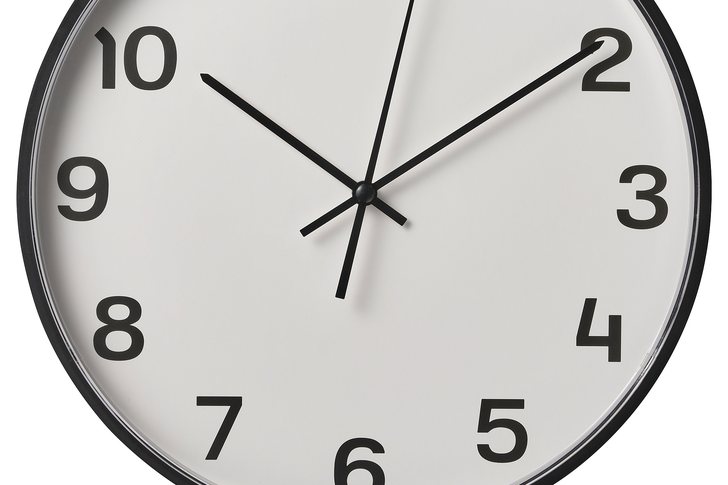
Tomorrow, March 30, Daylight Saving Time will return. Cloc...
Unstable weather is expected today with clouds and rain. ...
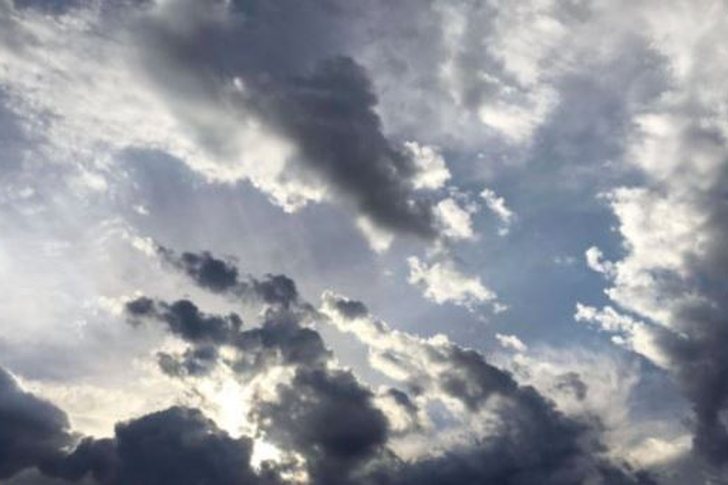
Today's weather is expected to be unstable. The wind will ...
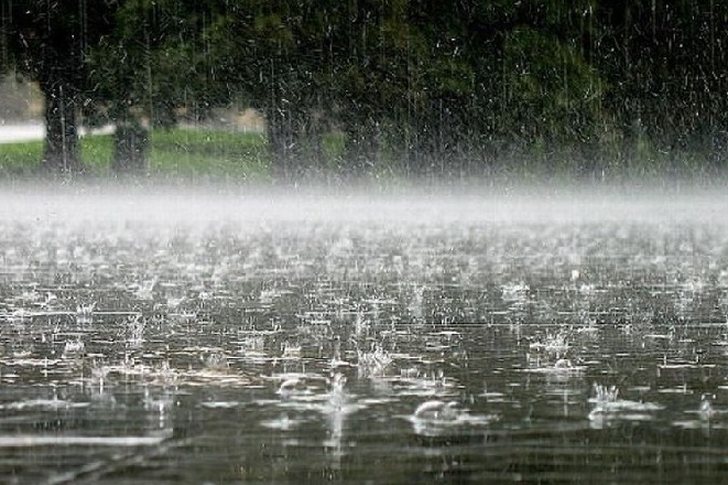
Thursday will have unstable weather, mainly with heavy rai...
Wednesday will be characterized by unstable weather. The ...

Albania has set another negative demographic record. Accor...
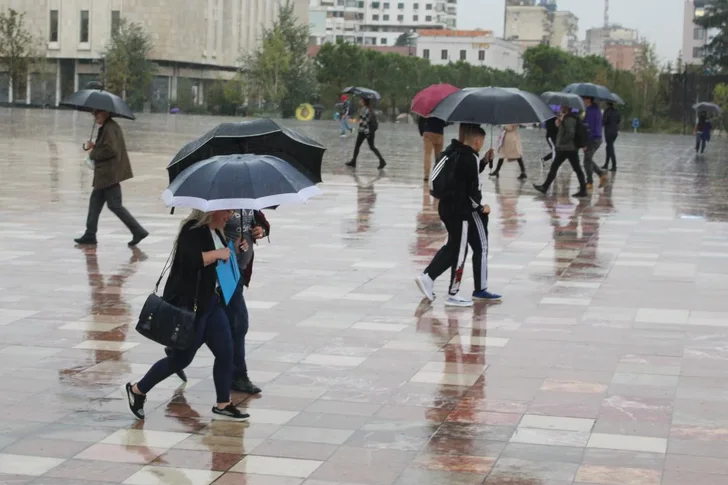
Tuesday will be characterized by unstable weather. Temper...
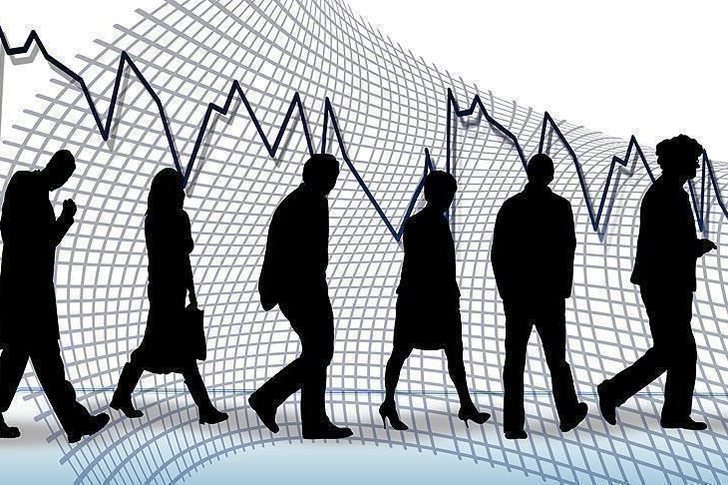
People with secondary education usually have a trade or ar...
Monday will be characterized by unstable weather, mainly w...
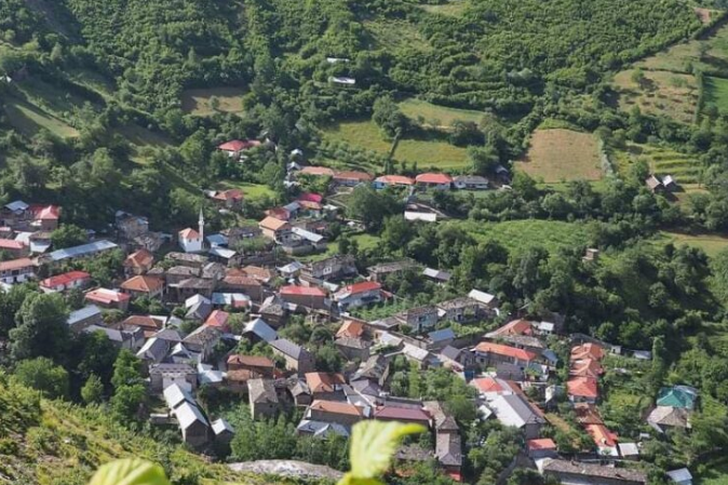
If there is one main merit to tourists who have visited Al...
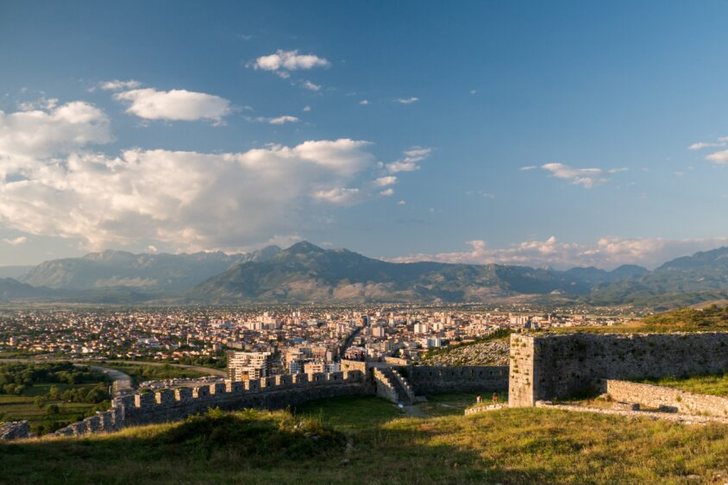
Between 2011 and 2023, the population has declined in all ...
Today will be dominated by unstable weather, with rainfall...
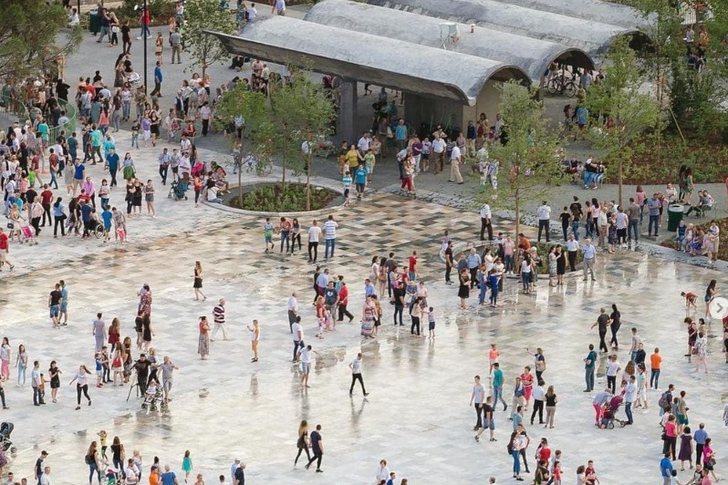
Albania and Kosovo speak the same language, have similar tra...
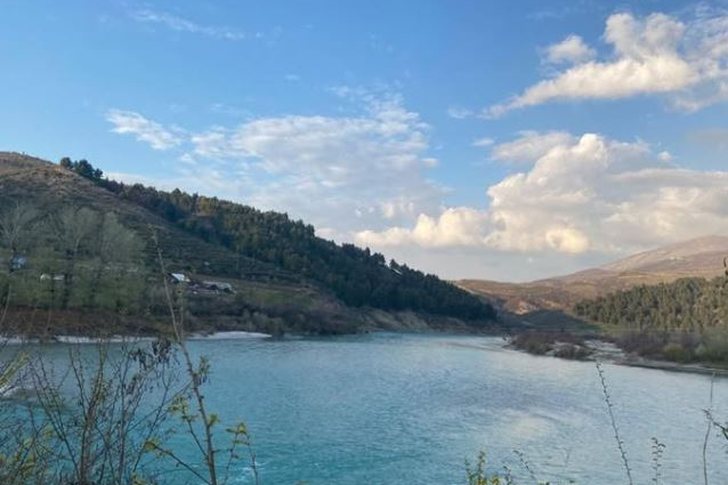
Friday will be a day of stable weather! Temperatures are e...
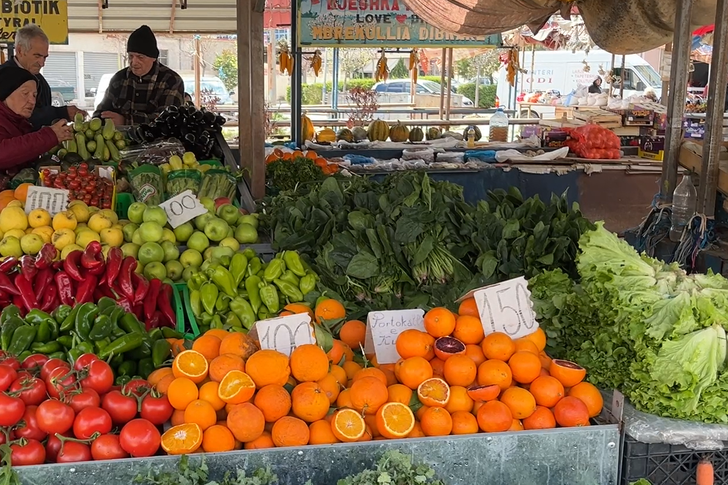
The market in Çole, Vlorë, continues to remain in a deplor...
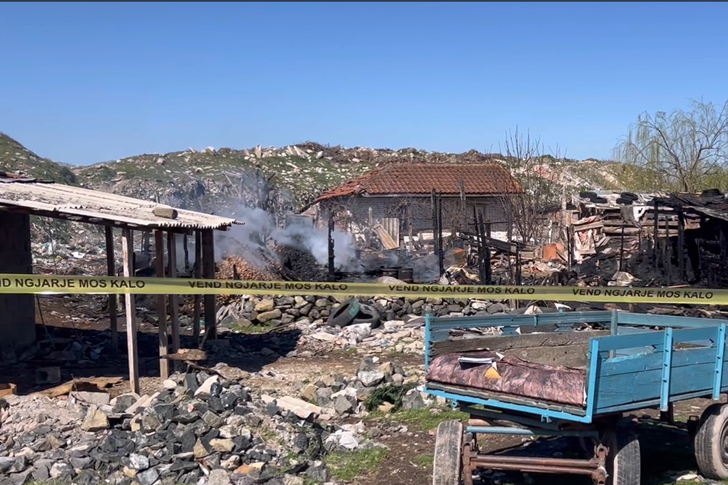
A large fire engulfed a stable in the village of Ravonik, ...

A gradual increase in Baric values is expected, bringing...
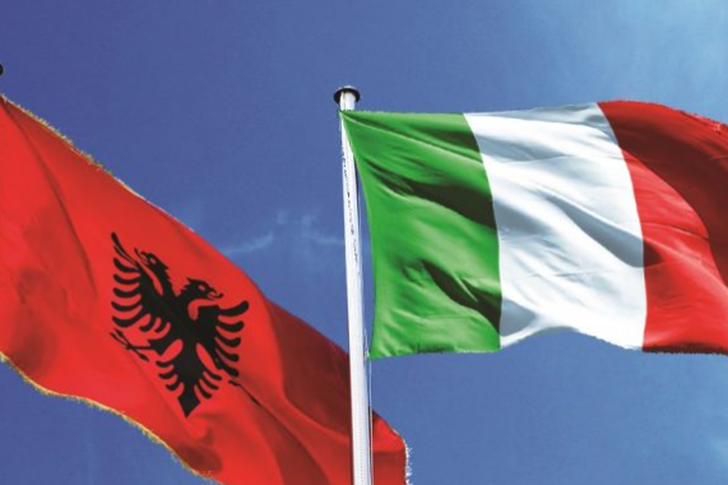
The pension agreement signed with Albania will cost the It...
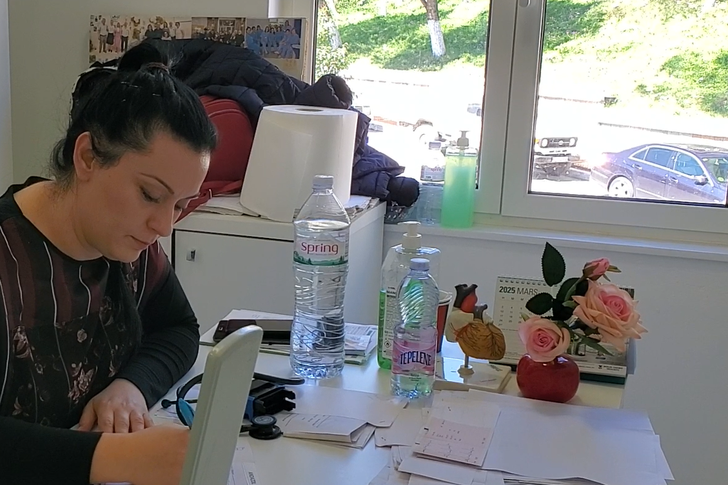
Jona Leka completed her studies in Medicine 11 years ago, ...

Irfan Hysenbelliu claims to be a big businessman, an hones...

The murder of officer Enea Mekolli in the line of duty has...
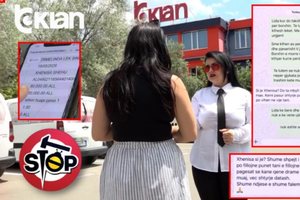
The next case broadcast on the show "Stop", this Thursday,...
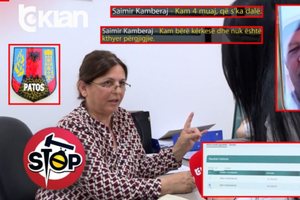
The case published this Thursday, June 4, on the show "Sto...

The Special Board of Appeal (KPA) decided this Monday ...

The KPA vetting decided this Thursday to dismiss the p...

Suela Salavaçi, a prosecutor in the Prosecutor's Offic...

The Special Board of Appeal reinstated the prosecutor ...

An accident was recorded a few minutes ago on the Pogradec...
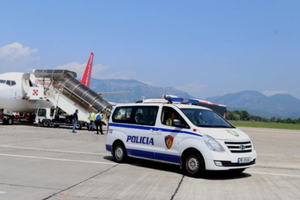
Following the cooperation of Interpol Tirana with Interpol...

An accident occurred this Saturday morning at Shkëmbi i Ka...
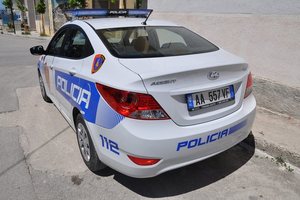
A TNT explosion occurred in Lezha in the early hours of th...
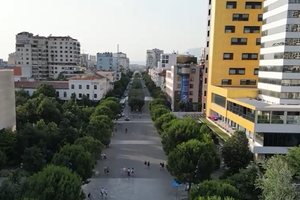
Albanians are officially the hardest working people in Eur...
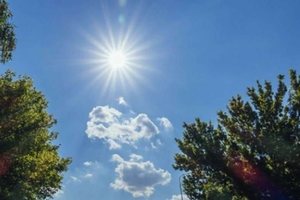
This Saturday will be characterized by mostly clear weathe...
Today our country will be affected by stable weather condi...

For many children and teenagers, the long summer holidays ...
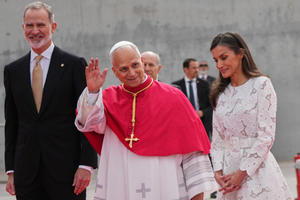
Pope Leo XIV arrived in Madrid this Saturday, where he beg...
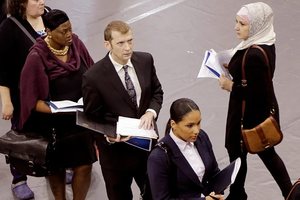
Millions of Europeans still apply for jobs without knowing...

Following the Covid-19 pandemic, the World Health Organiza...
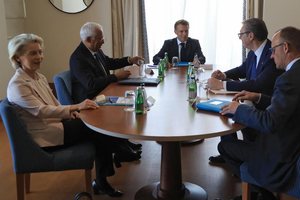
Leaders of the European Union and Western Balkan countries...
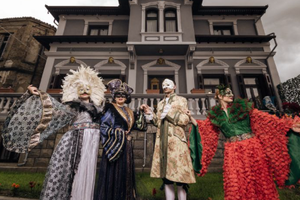
Korça is ready to open the summer season with one of the c...
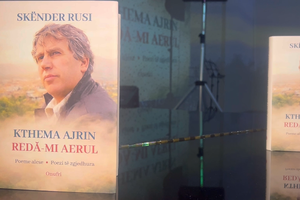
Two years after his passing, the renowned Korçë poet Skënd...
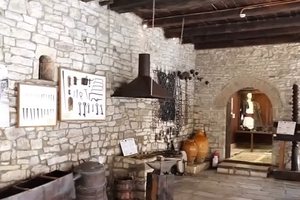
The Ethnographic Museum of Berat has opened its doors to v...
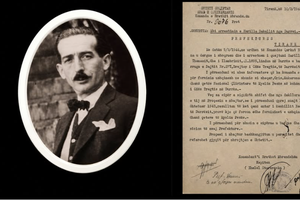
The story of Harilla Bakalli is one of the most chilling t...
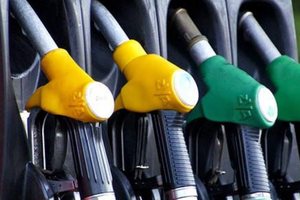
The Transparency Board, in today's meeting, decided to red...

This Saturday, one US dollar is bought for 81.4 lek and so...
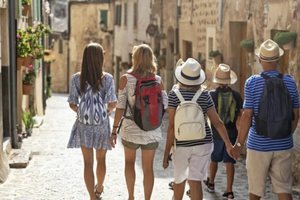
Despite years of efforts at regional cooperation and free ...
Albania is the country with the highest level of severe ma...