


Armë, kokainë dhe cannabis në zonat bregdetare/ Arrestohen dy persona
Policia e Vlorës ka finalizuar operacionin e koduar “Sigur...

Policia e Vlorës ka finalizuar operacionin e koduar “Sigur...

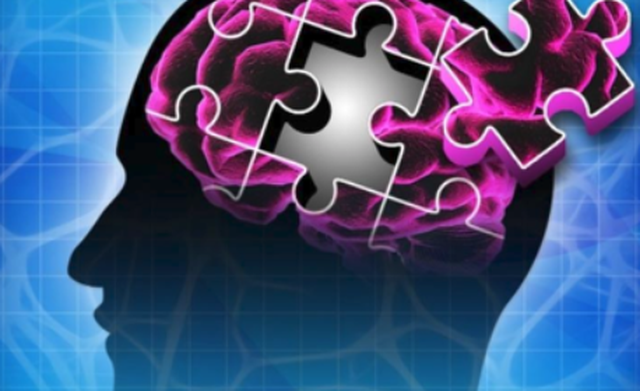
The problems we face in our daily lives, especially in the modern era, are often complex. They stress and confuse us, especially when we think of them as large and complex, with many parameters and consequences.
Wouldn't it be better if we tackled them step by step? If we broke them down into smaller problems, which made up a larger problem, and solved these smaller problems one by one?
Of course we would! Researchers say there's no need to panic, as the human brain knows how to handle difficult mental tasks. According to a new study, published in the scientific journal Nature Human Behaviour, people use specific decision-making strategies to solve a difficult problem.
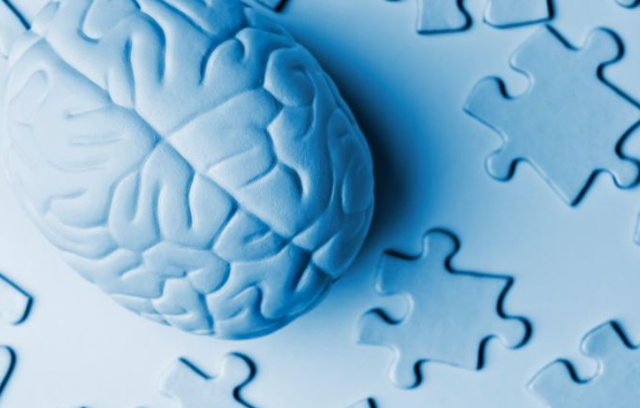
The human brain is incredibly capable of solving complex problems, and one of the reasons is its ability to break down problems into manageable subproblems that can be solved one at a time.
In this study, the ability to predict the path of a ball moving through a maze was examined, while the ball itself was hidden from the observer's view. The researchers note that the human brain cannot perform this task perfectly, as it is impossible to track all possible trajectories simultaneously.
The scientists were also able to roughly determine the conditions under which people choose one strategy or another. By slightly modifying the degree of memory impairment programmed into the models, they noticed signs that the switch from one strategy to another seemed to occur gradually, rather than in an instantaneous or absolute manner.
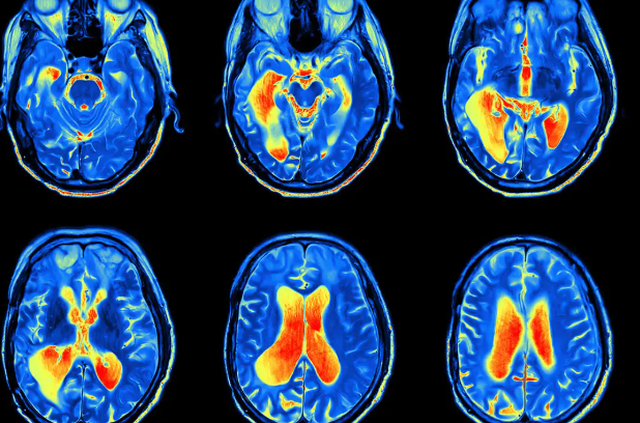
The research team is currently conducting additional studies to understand exactly what happens in the brain during these strategy changes.
The study also showed that what people can do is divide the maze into subsections and solve each stage using relatively simple algorithms. Essentially, when we don't have the tools to solve a complex problem, we end up using simpler methods that work, the researchers say./CNA


Cardiac arrhythmia, an irregular heartbeat, occurs when th...

Honey is a syrupy liquid that bees make from the nectar of...

Rich source of protein – Shrimp are rich in high-quality, ...
Every habit we acquire takes some time to become an experi...

Morning routines don't have to be complicated. On the cont...

When temperatures rise, hydration becomes key to maintaini...

Countries in Europe face difficult fire situations every y...

In hot weather, it is essential to increase water consumpt...

There are some simple, yet uniquely and effectively Japane...

Smoke from forest fires appears to be more harmful than ot...
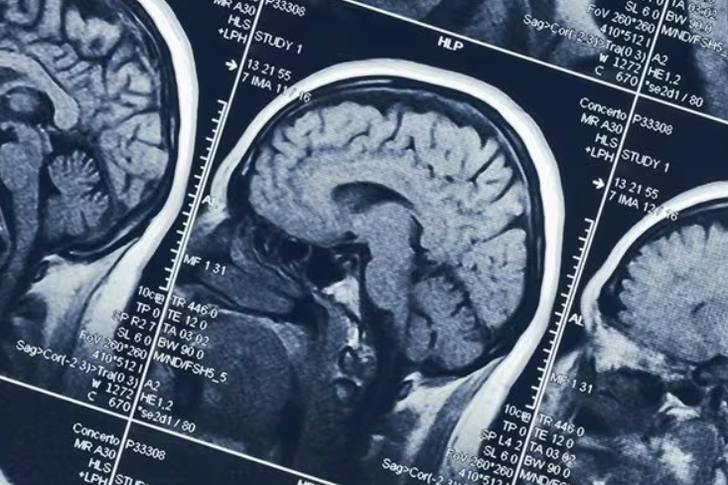
Small amounts of lithium, a naturally occurring metal, may...
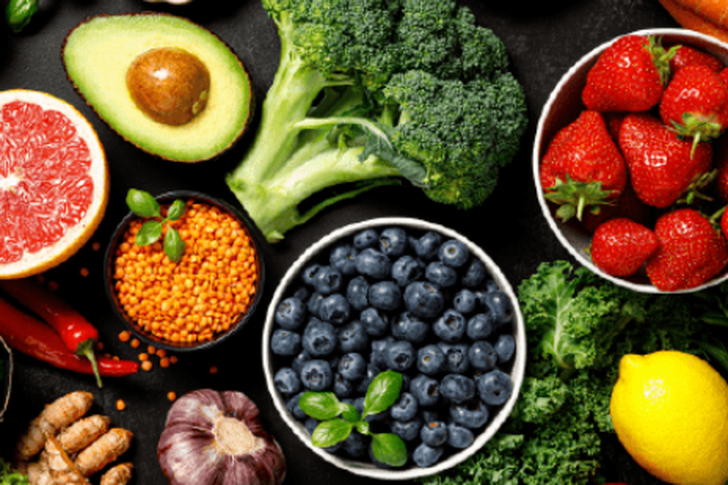
Besides enjoying food, a rich and nutritious diet is good ...

A new scientific study published in the Journal of Agricul...

It's well known that walking is important for health, that...

The United Nations has released its World Happiness Report...

It doesn't always take a lot of time or effort. There are ...
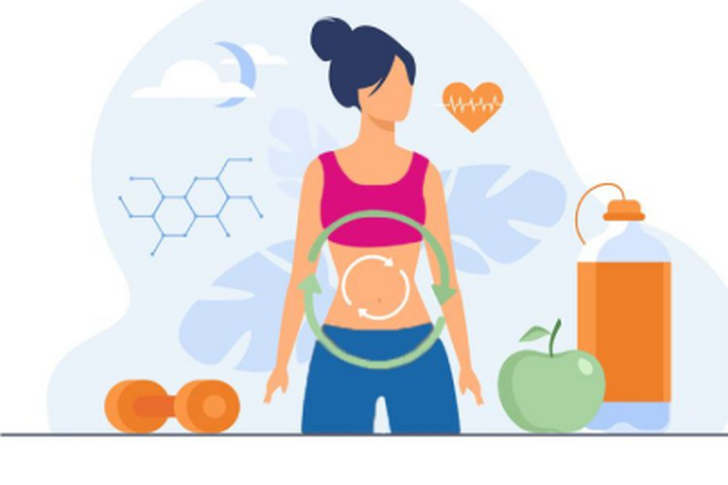
Why do some people eat more when they are stressed, while ...
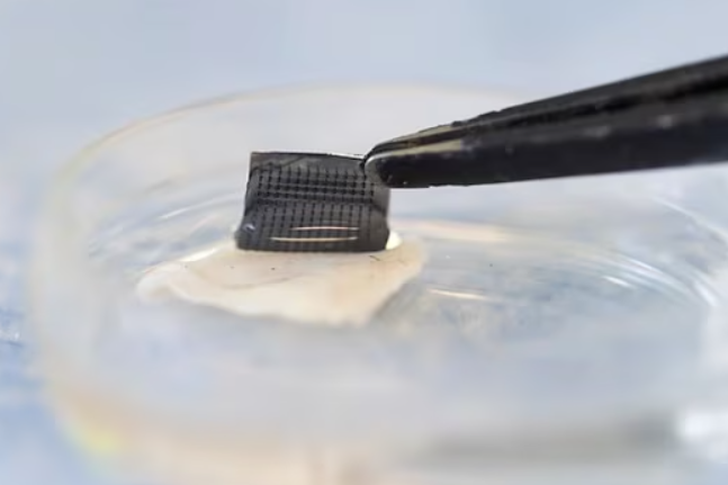
One day, you can place a small piece on your skin to find ...
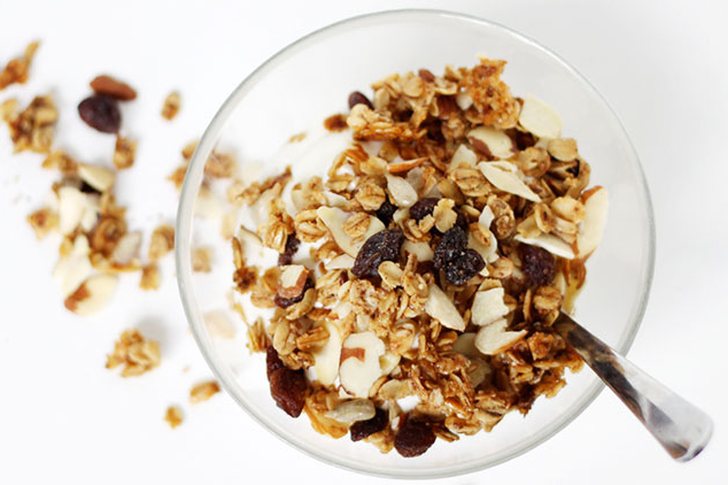
Doctors reveal a number of foods that they themselves avoi...

High blood sugar, often associated with diabetes and exces...

There have been 12 days of protests in the capital, which ...

Dritan Prençi is the SPAK prosecutor who is sleeping on th...
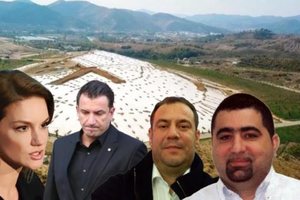
The in-depth investigations that SPAK conducted into Ajola...
SPAK's standards, the way it investigates, how it secures ...

The Special Board of Appeal (KPA) decided this Monday ...

The KPA vetting decided this Thursday to dismiss the p...

Suela Salavaçi, a prosecutor in the Prosecutor's Offic...

The Special Board of Appeal reinstated the prosecutor ...

Policia e Vlorës ka finalizuar operacionin e koduar “Sigur...

New details have emerged regarding the serious accident th...

An Albanian businessman was arrested this afternoon in Gre...

A serious accident has occurred on the Korça-Ersekë axis, ...
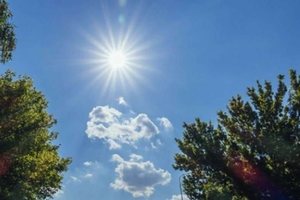
Today our country will be affected by stable weather condi...

A tragic accident occurred this Friday afternoon in Kameni...

Today our country will be affected by unstable weather con...

On Thursday, our country will be affected by relatively un...

Good news for those who fly: After years of negotiations, ...

It took more than two years, but now the EU can begin acce...
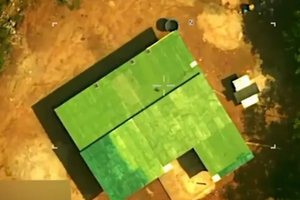
US President Donald Trump announced that the US military h...

Iran has taken new measures to strengthen the protection o...
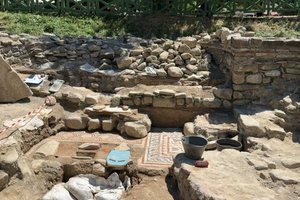
Several archaeological excavations conducted during this s...

At the Museum of Fine Arts in Chambéry, France, an exhibit...

Korça has transformed this weekend into the capital of cel...

Korça is ready to open the summer season with one of the c...

This Saturday, one US dollar is bought for 81.5 lek and so...

The Governor of the Bank of Albania, Gent Sejko, shared to...

Business lending has increased in the first half of this y...

The labor market has shown worrying trends in early 2026. ...