


This is the #1 secret to better sleep
Do you not sleep well at night or did you not fall asleep?...



There are many factors that influence the choice of profession we make in our life. These factors range from our natural aptitude for certain skills, our potential for economic and social advancement, and more. However, most people don't know that they would do well to include a more important factor in their choice: brain health.
A recent study from Columbia University's Mailman School of Public Health, in collaboration with the Columbia Center on Aging and the Norwegian Institute of Public Health, sheds light on the potential protective role of mind-stimulating occupations against the risk of developing dementia later in life. in life. The research, published in Neurology, highlights the importance of cognitively demanding work tasks throughout adulthood for maintaining cognitive abilities in old age.
The researchers collected data from the Norwegian Administrative Register and combined it with the occupational characteristics of more than 300 jobs from the US Department of Labor's Occupational Information Network (ONET) database. They calculated a routine task intensity index (RTI) as a measure of cognitive demands based on ONET metrics. A lower RTI score indicated occupations with more cognitive demands.
Using cohort-based trajectory modeling, the researchers identified four distinct cohorts based on the cognitive demands of the participants' occupations during their 30s, 40s, 50s, and 60s. MCI) and dementia in participants aged 70 years and older, taking into account a range of risk factors including age, gender, economic and educational level, general health and lifestyle habits.
The results revealed a compelling relationship between occupational cognitive demands and cognitive health in later life. Specifically, people who worked in occupations with lower cognitive demands had a 37% higher risk of developing dementia compared to people who worked in occupations with higher cognitive demands.
Studying the risk factors, Trine Holt Edwin from Oslo University Hospital found that "educational level was shown to have a significant effect, suggesting that both it and the complexity of the occupation play a key role in the risk of cognitive decline".
The study's lead researcher at Columbia University, Yaakov Stern, underscored the novelty of the research, saying, “Occupational cognitive demands have often been assessed through retrospective, subjective assessments. Furthermore, the use of register data for occupational history reinforces the existing evidence.'
"Overall, our study shows that high occupational cognitive demands are associated with a lower risk of mild cognitive impairment and dementia in later life," noted Vegard Skirbekk, Ph.D., professor of Epidemiology at Mailman and Columbia School of Public Health. Center on Aging, showing that both educational and occupational cognitive demands play a key role in reducing the risk of cognitive decline in later life. "However, we recommend commissioning further research to validate these findings to identify in detail which professional skills are associated with greater benefits in maintaining cognitive health."/ CNA

Do you not sleep well at night or did you not fall asleep?...
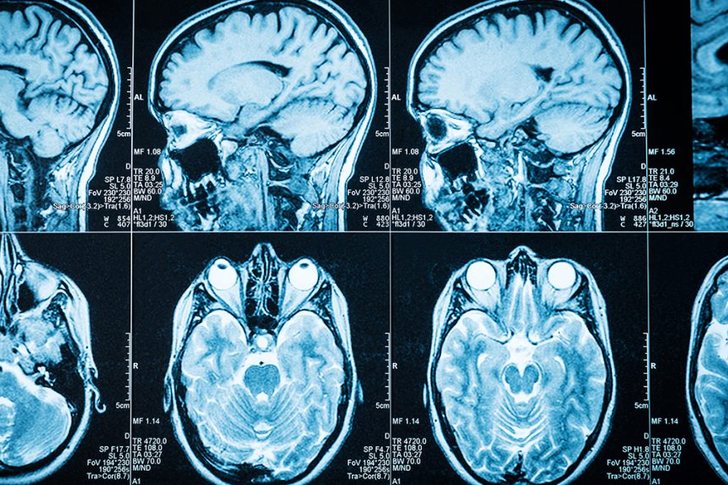
Globally, the World Health Organization (WHO) estimates th...
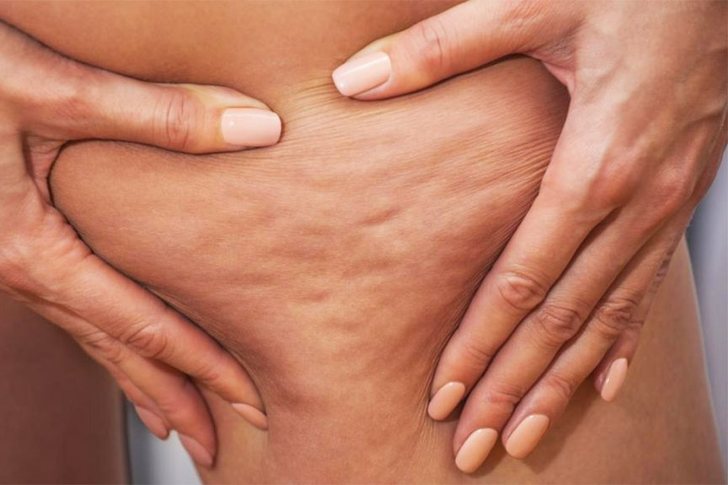
Cellulite occurs when the tissues in the dermis weaken...

If you feel that stress and anxiety are making you feel ov...
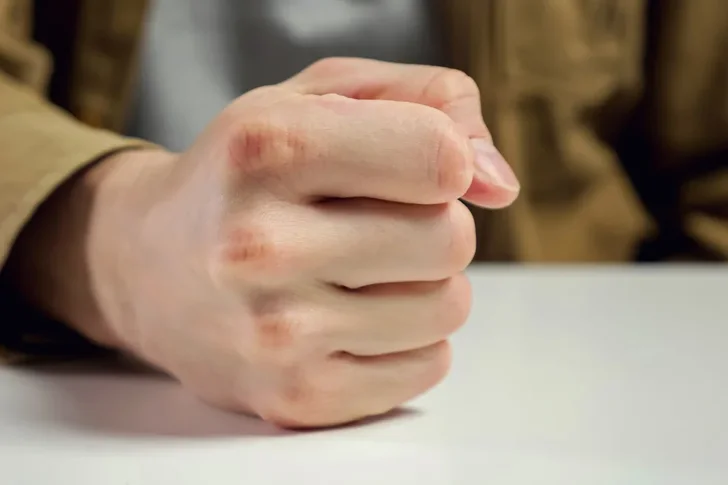
A të duket ndonjëherë sikur zemërimi të kalon nëpër ve...

Lidhja e gjumit me shëndetin e mirë është tashmë e njohur ...
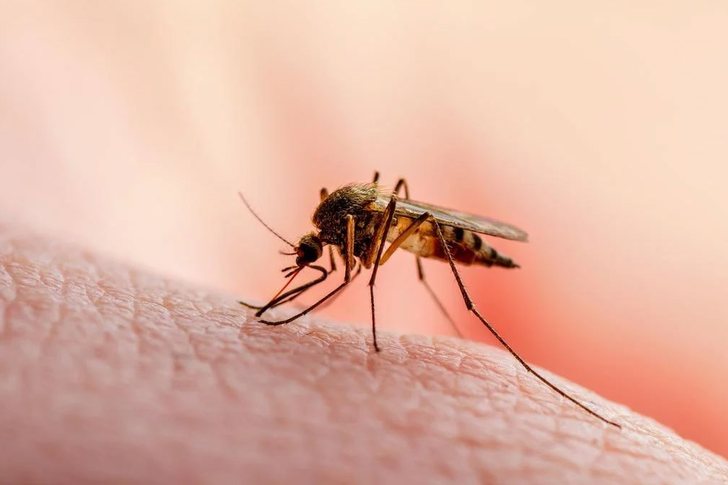
Mushkonjat janë ndër krijesat më të urryera në planet....

In the years leading up to menopause, a person may exp...
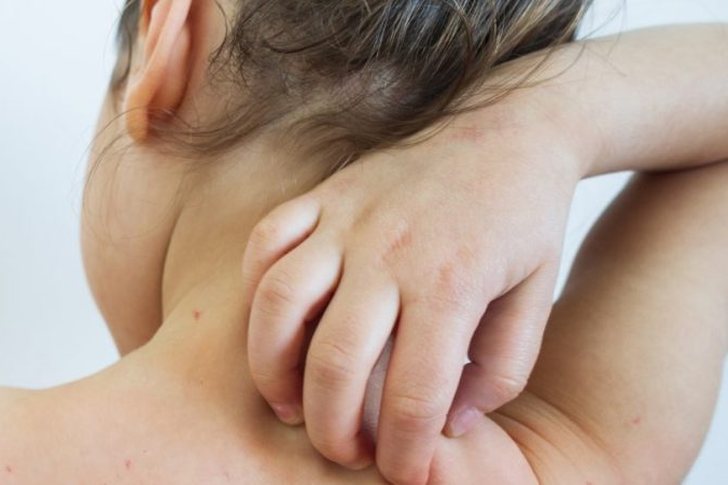
Numri i rasteve të fruthit në të gjithë botën pothuajs...
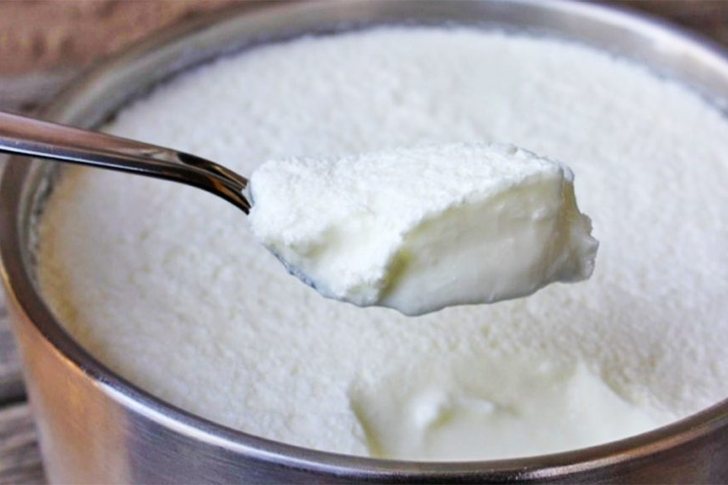
Yogurt consumption reduces the risk of heart attack by...

It's probably not something you spend a lot of time th...

The banana can be considered an underrated fruit compared ...

Forest fruits are a treasure of nature for our health. The...
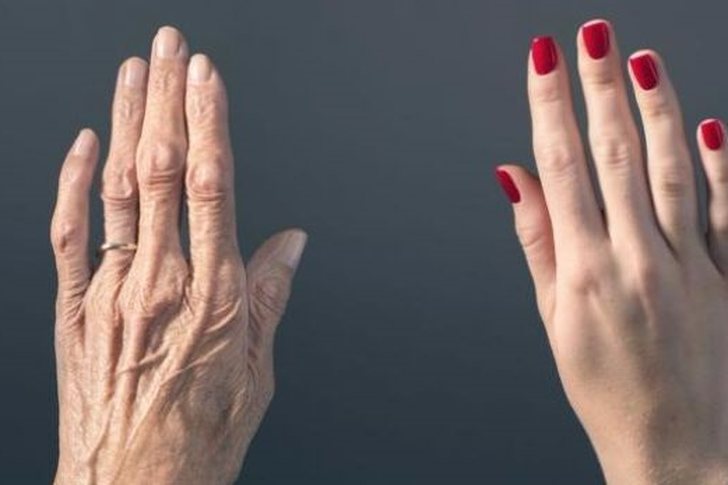
Do you want to live long and without diseases?! Of course...
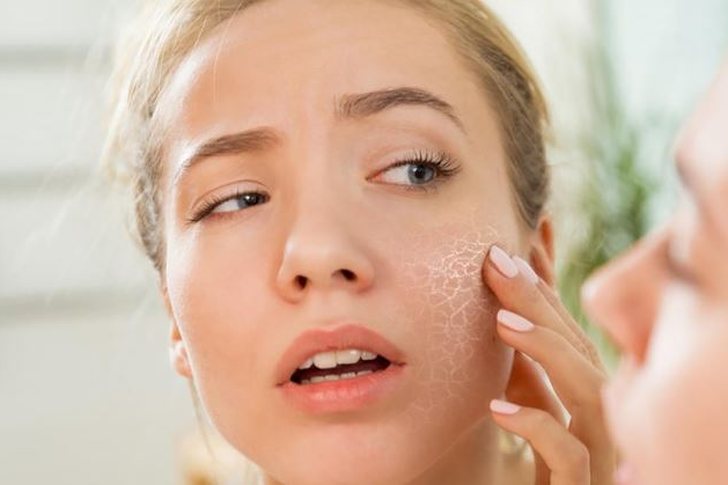
White spots on the skin are otherwise called Vitiligo....
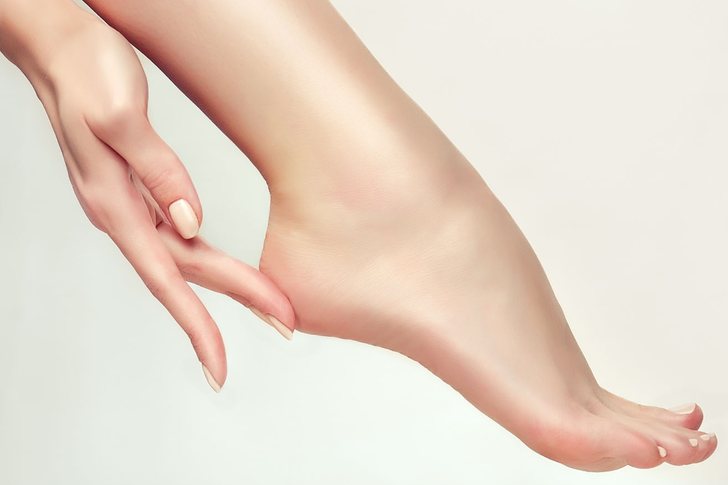
Plasaritja e thembrave është një problem shumë i përhapur ...

Frutat e pyllit janë një thesar i natyrës për shëndeti...

Pjesa më delikate e njëkoësisht më e ekspozuar e trupit. S...

Everyone's hair falls out, no wonder. In some cases, hair ...
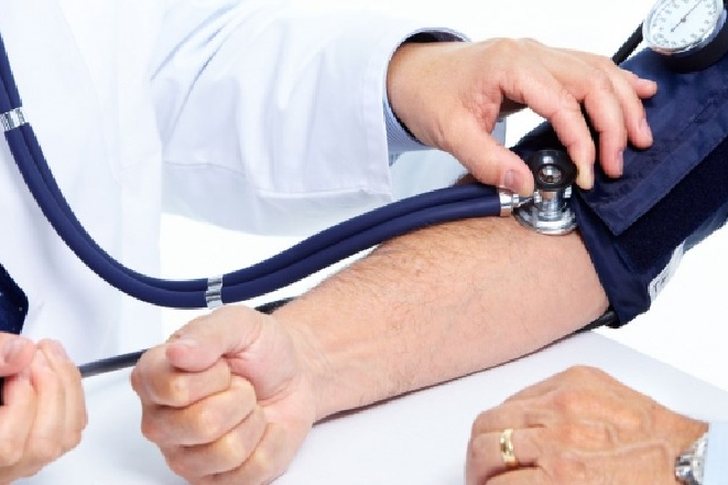
High blood pressure is a very common health problem. If n...

Irfan Hysenbelliu claims to be a big businessman, an hones...

The murder of officer Enea Mekolli in the line of duty has...

The next case broadcast on the show "Stop", this Thursday,...

The case published this Thursday, June 4, on the show "Sto...

The Special Board of Appeal (KPA) decided this Monday ...

The KPA vetting decided this Thursday to dismiss the p...

Suela Salavaçi, a prosecutor in the Prosecutor's Offic...

The Special Board of Appeal reinstated the prosecutor ...

A road accident has been reported on the Fier-Levan axis, ...

An accident was recorded a few minutes ago on the Pogradec...

Following the cooperation of Interpol Tirana with Interpol...

An accident occurred this Saturday morning at Shkëmbi i Ka...
Albanians are officially the hardest working people in Eur...
This Saturday will be characterized by mostly clear weathe...
Today our country will be affected by stable weather condi...

For many children and teenagers, the long summer holidays ...

The military advisor to Iran's supreme leader, Mohsen Reza...

US Defense Secretary Pete Hegseth declared that Europe is ...

A federal judge in Rhode Island struck down a Trump admini...
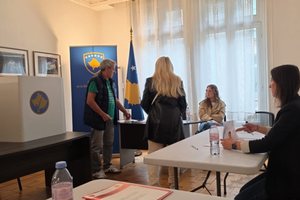
Thousands of Kosovo citizens living abroad are voting phys...

Korça is ready to open the summer season with one of the c...

Two years after his passing, the renowned Korçë poet Skënd...

The Ethnographic Museum of Berat has opened its doors to v...

The story of Harilla Bakalli is one of the most chilling t...

The Transparency Board, in today's meeting, decided to red...

This Saturday, one US dollar is bought for 81.4 lek and so...

Despite years of efforts at regional cooperation and free ...

Albania is the country with the highest level of severe ma...