


Armë, kokainë dhe cannabis në zonat bregdetare/ Arrestohen dy persona
Policia e Vlorës ka finalizuar operacionin e koduar “Sigur...

Policia e Vlorës ka finalizuar operacionin e koduar “Sigur...


When life gets busy and stress levels rise, it's not uncommon to walk into a room and forget why you went there, lose your train of thought mid-sentence, or have difficulty staying focused on simple tasks.
Especially after the weekend, it can be difficult to get back to work or study.
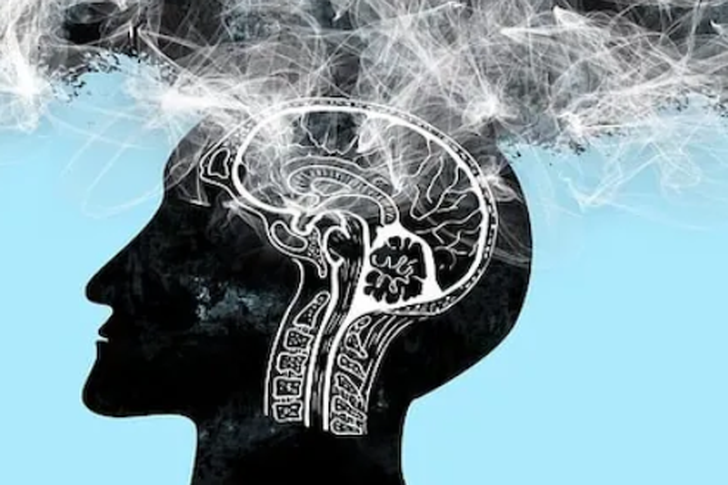
This mental clouding is often called brain fog and, while not a medical condition in itself, refers to a collection of cognitive symptoms, such as difficulty concentrating, forgetfulness, and mental slowness.
Common causes of it can include menopause or perimenopause, but it can also happen when you have a lot on your mind.
Morning Live physician and expert Dr. Tharaka has these four tips and a special acronym to help overcome the fog.
1. Be kind to yourself.
Brain fog can happen to anyone and is not a personal failing or a sign that you are not coping.
Often, it's simply your brain's way of saying it's tired, stressed, or overwhelmed.
Remind yourself that brain fog is usually temporary and it's okay to slow down, delegate tasks, or ask for help when you need it.
If you are concerned, you should contact your family doctor.
2. Create routines
Reduce decision fatigue by having a set rhythm to your days - a predictable structure can ease the pressure on your working memory.
Knowing what's going to happen next stops your brain from constantly asking, "What am I going to do today?"
It's worth creating a morning and evening routine and even something as simple as laying out your clothes or preparing breakfast in advance frees your mind from constant decision-making.
3. Take a vacation.
It's easy to fill your diary with consecutive commitments—meetings, social events, daily chores—without leaving any room to breathe.
But constantly jumping from one thing to the next can leave your brain without time to reset, making brain fog more likely.
Try to intentionally schedule short breaks between activities, even just 5-10 minutes to stretch, have a drink, go outside, or sit quietly.
Think of these fire breaks as mental breaks: they give your mind a chance to process what you just did, release any remaining stress, and prepare for what comes next.
4. Use calendars and reminders
Trying to keep every appointment, task, and reminder in your mind can quickly lead to mental clutter and forgetfulness.
Let technology do the remembering for you - use calendars and reminders to free up mental space.
Set recurring tasks so they happen automatically - for example, mark lunch on your agenda every day or set weekly reminders for bills and chores.
This means you're not constantly thinking, "What do I need to remember next?"/ CNA


Jojoba oil, along with rice water and rosemary oil, are am...

Some fruits help lower blood pressure and others keep chol...

Many people think that heart attack and cardiac arrest are...

Buddha's hand is a citron fruit in the shape of a hand wit...
A study that examined data from 56 million people finds th...

Olive oil is not only an essential ingredient of the Medit...

The World Health Organization (WHO) has published updated ...
Cholesterol is vital for healthy brain function, but high ...

Dark and milk chocolate are both popular, widely consumed ...

A new study published in Free Radical Biology and Medicine...

Walnuts are an incredible product, especially for our body...

Rekomandohet konsumimi i proteinave brenda një ore pas për...

While there are many types of bread, the healthiest and mo...

Shega është një frut me forcë antioksiduese të rrallë. Në ...

A common ingredient found in many gel manicures has been b...

Fruit salads are a healthy and tasty alternative for all a...

Oranges are packed with vitamins, minerals, and antioxidan...

Fruits provide natural energy and help with hydration, mak...

Breakfast is the most important meal of the day, and a new...
The brain needs constant exercise. Every day it is faced w...

There have been 12 days of protests in the capital, which ...

Dritan Prençi is the SPAK prosecutor who is sleeping on th...

The in-depth investigations that SPAK conducted into Ajola...

SPAK's standards, the way it investigates, how it secures ...

The Special Board of Appeal (KPA) decided this Monday ...

The KPA vetting decided this Thursday to dismiss the p...

Suela Salavaçi, a prosecutor in the Prosecutor's Offic...

The Special Board of Appeal reinstated the prosecutor ...

Policia e Vlorës ka finalizuar operacionin e koduar “Sigur...

New details have emerged regarding the serious accident th...

An Albanian businessman was arrested this afternoon in Gre...

A serious accident has occurred on the Korça-Ersekë axis, ...

Today our country will be affected by stable weather condi...

A tragic accident occurred this Friday afternoon in Kameni...

Today our country will be affected by unstable weather con...

On Thursday, our country will be affected by relatively un...

Good news for those who fly: After years of negotiations, ...

It took more than two years, but now the EU can begin acce...
US President Donald Trump announced that the US military h...

Iran has taken new measures to strengthen the protection o...

Several archaeological excavations conducted during this s...

At the Museum of Fine Arts in Chambéry, France, an exhibit...

Korça has transformed this weekend into the capital of cel...

Korça is ready to open the summer season with one of the c...

This Saturday, one US dollar is bought for 81.5 lek and so...
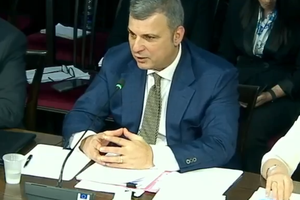
The Governor of the Bank of Albania, Gent Sejko, shared to...

Business lending has increased in the first half of this y...

The labor market has shown worrying trends in early 2026. ...