


Armë, kokainë dhe cannabis në zonat bregdetare/ Arrestohen dy persona
Policia e Vlorës ka finalizuar operacionin e koduar “Sigur...

Policia e Vlorës ka finalizuar operacionin e koduar “Sigur...


COVID-19 infection appears to cause premature aging of women's blood vessels, potentially increasing the risk of heart disease.
Women infected with COVID experienced about five additional years of blood vessel aging, even if they had a mild case, according to results published August 17 in the European Heart Journal.
If a woman was admitted to the intensive care unit (ICU) with severe COVID, her blood vessels suffered up to 10 years of premature aging, the results show.
Men also experienced blood vessel aging as a result of COVID infection, but the effect was not statistically significant among the participants studied, the researchers report.
For the study, researchers tested 2,400 people from 16 countries recruited between September 2020 and February 2022.
Participants included people who were not infected with COVID, as well as COVID patients who did not require hospitalization, were treated in the hospital, or had an infection severe enough to require time in an intensive care unit.
The researchers assessed each person's vascular age with a device that measures the speed at which a blood pressure wave travels between the carotid artery in the neck and the femoral arteries in the legs.
This measurement is called carotid-femoral pulse wave velocity (PWV). The higher this number, the stiffer and older a person's blood vessels have become, the researchers said.
Measurements taken six months and a year after a person's COVID infection showed that all three groups had stronger arteries compared to those who had never been infected:
The average increase in PWV was 0.55 meters per second for women who had mild COVID and 0.6 meters per second for women hospitalized with COVID.
For women treated in an intensive care unit, the average increase in PWV was 1.09 meters per second.
The researchers said an increase of about 0.5 meters per second is "clinically significant" and equivalent to aging about five years. For example, this would increase the risk of heart disease by about 3% in a 60-year-old woman.
People who had persistent symptoms of prolonged COVID, such as shortness of breath or fatigue, were more likely to have prematurely aged arteries, the researchers said.
In fact, this effect on the arteries may help explain some of the long-lasting COVID symptoms reported by up to 40% of COVID patients, noted Dr. Behnood Bikdeli, a cardiologist at Harvard Medical School, in an accompanying editorial.
"Vascular damage — marked by endothelial dysfunction, inflammation, and coagulation abnormalities — is a key mechanism driving these complications," Bikdeli wrote.
On the other hand, people who were vaccinated against COVID generally had less stiff arteries compared to the unvaccinated.
There are several possible explanations for why COVID might cause premature hardening of the arteries, Bruno said.
“The COVID-19 virus acts on specific receptors in the body, called angiotensin-converting enzyme 2 receptors, which are present in the lining of blood vessels,” she said. “The virus uses these receptors to enter and infect cells. This can result in vascular dysfunction and accelerated vascular aging.”
Bruno said inflammation and the body's immune responses, the defense against infection, may also be involved.
The immune response could also explain the difference between women and men, she said.
"Women exhibit a faster and stronger immune response, which may protect them from infection," Bruno said. "However, that same response may also increase blood vessel damage after the initial infection."
Doctors should perform vascular aging tests on COVID patients and treat those affected with medications to lower blood pressure and cholesterol, Bruno said. Lifestyle changes, such as a healthy diet and regular exercise, can also help protect heart health.
"For people with accelerated vascular aging, it's important to do everything possible to reduce the risk of heart attacks and strokes," Bruno said.
The researchers plan to continue following the participants to see if their accelerated vascular aging actually leads to an increased risk of heart attack and stroke./ CNA

With summer reaching its peak temperatures, we often wonde...

Do you want to keep your brain healthy as you age? A new ...

A new research article published in the current issue of t...

The problems we face in our daily lives, especially in the...
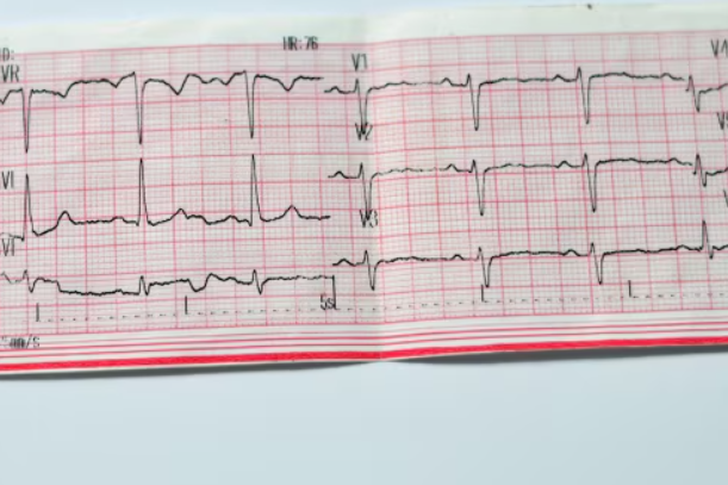
Cardiac arrhythmia, an irregular heartbeat, occurs when th...

Honey is a syrupy liquid that bees make from the nectar of...

Rich source of protein – Shrimp are rich in high-quality, ...
Every habit we acquire takes some time to become an experi...

Morning routines don't have to be complicated. On the cont...

When temperatures rise, hydration becomes key to maintaini...

Countries in Europe face difficult fire situations every y...

In hot weather, it is essential to increase water consumpt...

There are some simple, yet uniquely and effectively Japane...
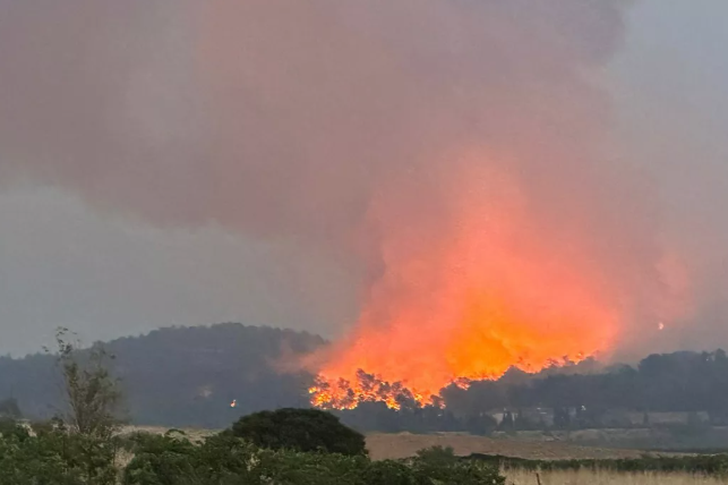
Smoke from forest fires appears to be more harmful than ot...

Small amounts of lithium, a naturally occurring metal, may...
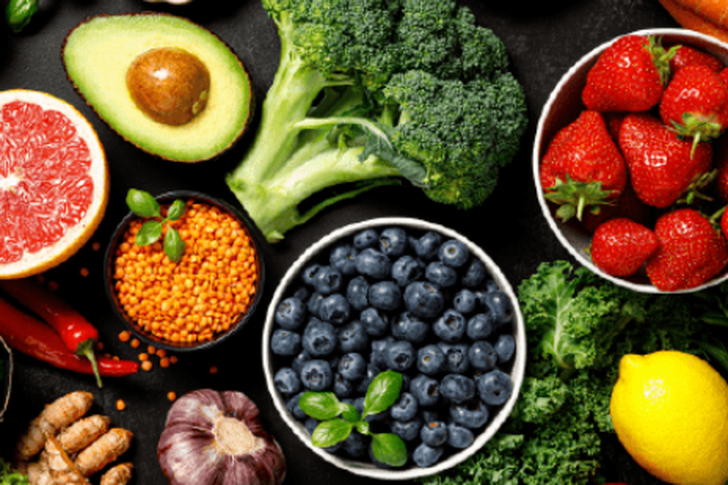
Besides enjoying food, a rich and nutritious diet is good ...

A new scientific study published in the Journal of Agricul...
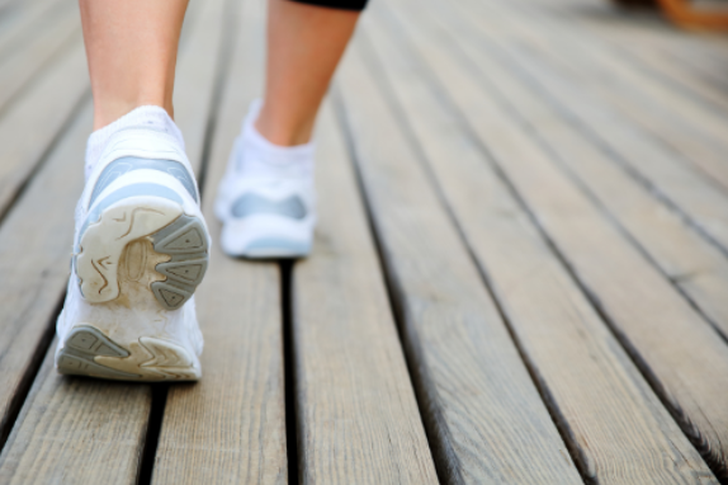
It's well known that walking is important for health, that...

The United Nations has released its World Happiness Report...

It doesn't always take a lot of time or effort. There are ...

There have been 12 days of protests in the capital, which ...

Dritan Prençi is the SPAK prosecutor who is sleeping on th...

The in-depth investigations that SPAK conducted into Ajola...
SPAK's standards, the way it investigates, how it secures ...

The Special Board of Appeal (KPA) decided this Monday ...

The KPA vetting decided this Thursday to dismiss the p...

Suela Salavaçi, a prosecutor in the Prosecutor's Offic...

The Special Board of Appeal reinstated the prosecutor ...

Policia e Vlorës ka finalizuar operacionin e koduar “Sigur...

New details have emerged regarding the serious accident th...

An Albanian businessman was arrested this afternoon in Gre...

A serious accident has occurred on the Korça-Ersekë axis, ...

Today our country will be affected by stable weather condi...
A tragic accident occurred this Friday afternoon in Kameni...

Today our country will be affected by unstable weather con...

On Thursday, our country will be affected by relatively un...
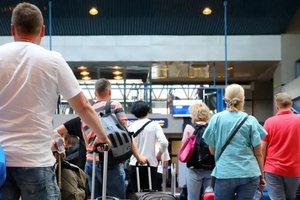
Good news for those who fly: After years of negotiations, ...

It took more than two years, but now the EU can begin acce...

US President Donald Trump announced that the US military h...

Iran has taken new measures to strengthen the protection o...

Several archaeological excavations conducted during this s...

At the Museum of Fine Arts in Chambéry, France, an exhibit...

Korça has transformed this weekend into the capital of cel...

Korça is ready to open the summer season with one of the c...

This Saturday, one US dollar is bought for 81.5 lek and so...
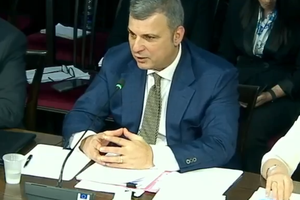
The Governor of the Bank of Albania, Gent Sejko, shared to...

Business lending has increased in the first half of this y...

The labor market has shown worrying trends in early 2026. ...