


VIDEO-“Flamur, stand up”/ Ulsi Manja leads the opposition: 1,2,3,4, continue
The debate between Socialist MP and Chairman of the Laws C...

The debate between Socialist MP and Chairman of the Laws C...

The migration expert, Ruud Koopmans, who has been proposing the relocation of reception centers outside the EU for years, told DW that the Meloni-Rama agreement would be something historic. Koopmans said that Albania's model could also be applied to other safe third countries, such as North Macedonia. But he pointed out that the fact that the Rama-Meloni agreement is a bilateral agreement, there is a risk of "secondary migration", which means that rejected asylum seekers may try to cross the border and seek asylum again in a country other of the EU. In order for this not to happen, Albania and Italy must seek support from the EU to turn this agreement into a multilateral agreement.
Melon Scoop
Whether the EU will really want to join Melon's deal with Rama, as Koopmans suggests, is not yet known. The first reactions from Brussels reserved. Even official Germany refused to comment on the agreement. To DW's relevant question, a government spokeswoman responded by reminding them of the decision taken at the meeting of Chancellor Olaf Scholz with the heads of the 16 federal states to explore the possibilities of transferring asylum procedures to countries outside the EU. Politicians of the conservative opposition and the liberal party - one of the three parties of the ruling center-left coalition - are insisting on this. Some of these politicians had also mentioned Albania as an option, but the preferences were for the asylum seekers to submit their request for asylum in African countries. Because in this way rejected asylum seekers would be spared the vicissitudes of the long journey through the Mediterranean.
Chancellor Olaf Scholz during his recent visit to Ghana and Nigeria said that it is difficult to find countries that are willing to take over such centers. The EU had made a similar agreement with Tunisia some time ago, but in the summer the latter returned the money deposited for the construction of the centers. A similar agreement between Great Britain and Rwanda was declared illegal by a court in London because Rwanda is not a safe country.
Melon Scoop?
Against this background, there are many voices in Germany who look with some envy at Rama's agreement with Meloni. The Bavarian newspaper "Augsburger Allgemeine" writes that "who calls this Meloni scam an Italian Guantanamo is too short. If the EU wants to prevent such unilateral steps as Meloni's, it must take care that the asylum package presented for many years to finally come true. Because migration is a matter of destiny for Europe. It is a question of how much isolation we can allow ourselves without betraying our values. And how much isolation we should allow ourselves for curb the seemingly unstoppable rise of right-wing and left-wing extremist parties in Europe".
However, the agreement with Meloni has an advantage, Ruud Koopmans told DW: Italy will send to Albania only persons who have not crossed the territory of Italy, but who are caught in the waters near the Italian coast. "In these cases, Italy is only obliged to transfer the refugees to a safe port", explains the expert. "If they were to be sent once to Italy and then to Albania, this would contradict the rules for EU asylum procedures, according to which asylum seekers can only return to those third countries with which they have had the most saw a connection. That's why even migrants who entered Italy via the Sahara cannot be sent to Albania," says Koopmans.
Demotivation for emigration?
Koopmans himself, however, recalls that it is still unclear what will happen to the rejected refugees. According to the agreement, they will be repatriated, but in practice this is not very easy, because many countries of origin do not cooperate and do not prepare the necessary documents for repatriation. The migration expert at Humboldt University in Berlin predicts that this will be the main challenge for Albania. But Koopmans says that the fact that refugees will receive their documents in Albania and not in Italy will discourage them from spending so much on smugglers and risking their lives to cross the Mediterranean.
But Koopmans is the only one of the experts who thinks that a camp in Albania will have any frightening or demotivating effect on the refugees. In fact, according to the agreement, Italy must take back after some time even the rejected asylum seekers that it cannot repatriate, but the interior minister of Albania, Taulant Balla, told DW that it is not known how long these procedures can last.
In an interview for "Die ZEIT", migration expert Gerald Knaus gives two scenarios for rejected asylum seekers: "Albania, one of the poorest countries in Europe, will soon face two scenarios. "Or it will keep asylum seekers rejected, and therefore the camps will soon be full. Or, and this is the most possible, the refugees will take the road to the north, via the Balkan Route." Even Pëllumb Nako, who has served for many years as director of Border and Migration in the Albanian Police, told DW that Albania is too close to the EU, and the northern countries, to scare migrants away from coming to Europe. He told DW that the agreement will not bring a solution for refugees, but it has political value because it shows Albania's willingness to help Italy to overcome this difficult phase.
Generous or calculating Rama?
The daily German newspaper "tageszeitung" doubts this narrative spread by the Albanian government, which Rama has summed up with the already much quoted sentence: "When Italy calls, Albania answers". "This generosity does not go to Rama, who is a shrewd politician. Albania's EU membership process has been open since 2022, but the road is still long and not without obstacles. Italy has promised 100% support for Tirana. The months Next time they will show if it is only this favor, with which Italy is rewarding this generosity of Albania."
And finally, taz doubts that this agreement will be realized: "Italy is undoubtedly politically prepared to ignore the rights of those seeking protection. But EU law determines exactly where and how asylum seekers should be accommodated. "There are no plans to take them to another country and keep them locked up there. That's why it remains questionable whether Melon's agreement will be able to overcome Strasbourg," concludes "taz"./ DW

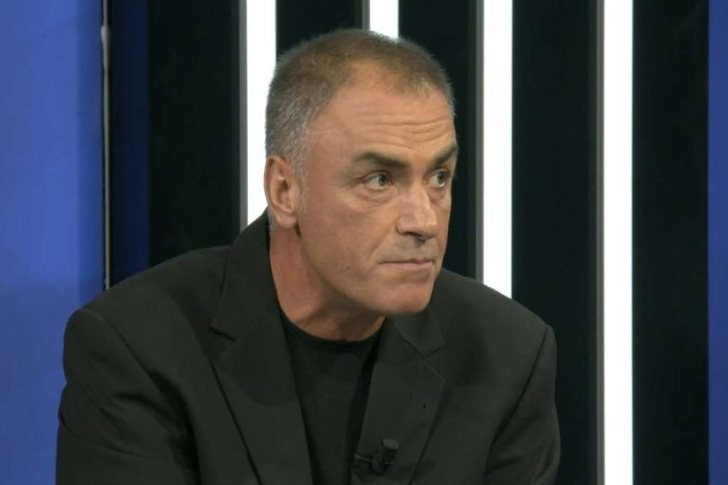
Journalist Arian Çani made a strong statement, as he s...
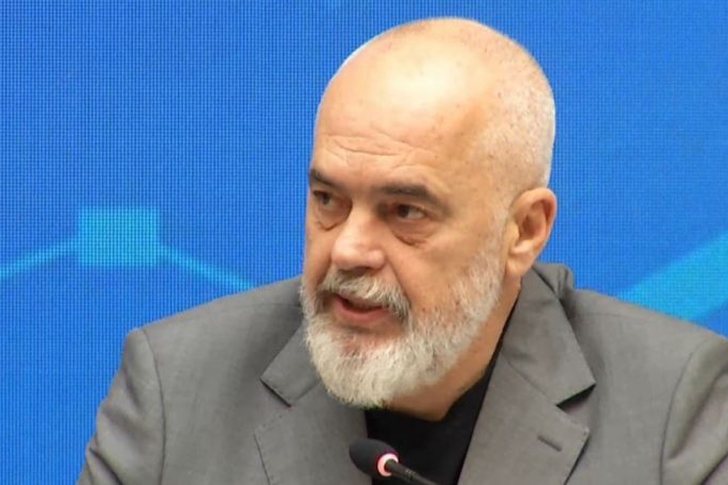
This morning, Prime Minister Edi Rama gave a message a...

The Albanian-born mayor of the Democratic Party in Pieve d...
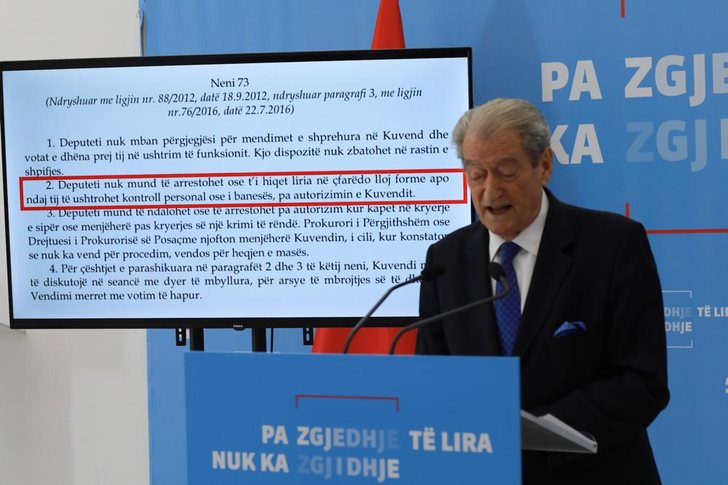
Former Prime Minister Sali Berisha has accused Prime Minis...
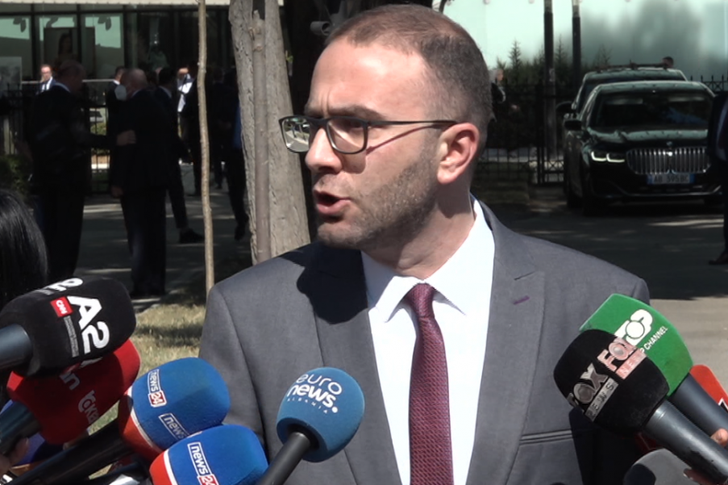
The head of the Parliamentary Group of the DP, Gazment Bar...
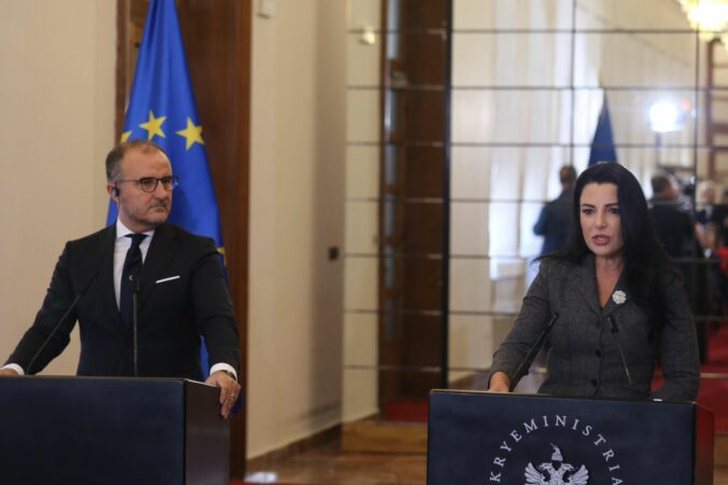
The EU ambassador in Tirana, Luigi Soreca, was asked by jo...
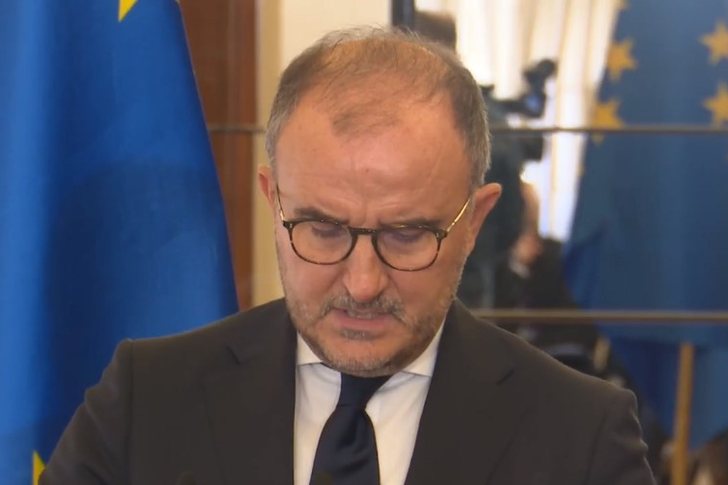
The EU ambassador, Luigi Soreca, stated during the press c...
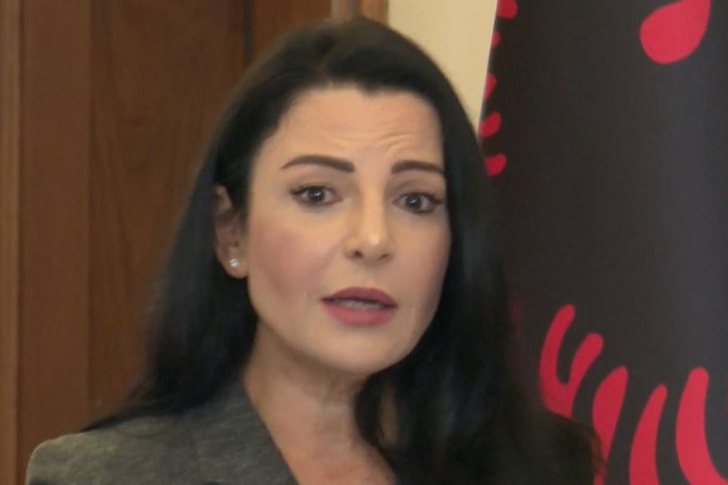
Deputy Prime Minister Belinda Balluku said during the ...
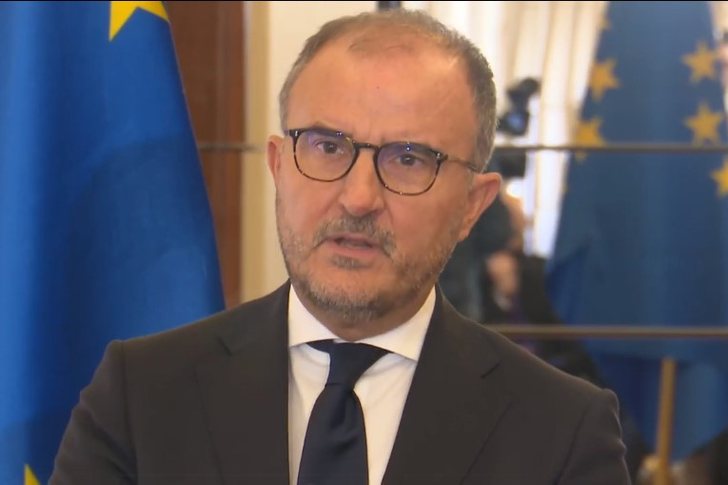
EU Ambassador, Luigi Soreca, in a joint conference wit...
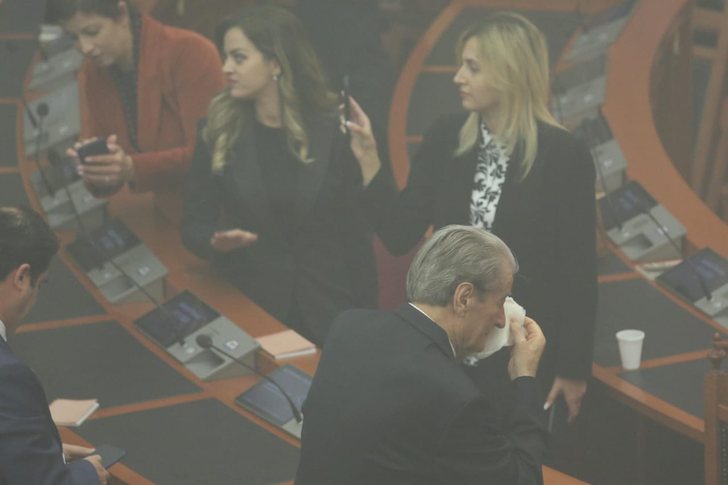
A chaotic situation was created in this Thursday's plenary...
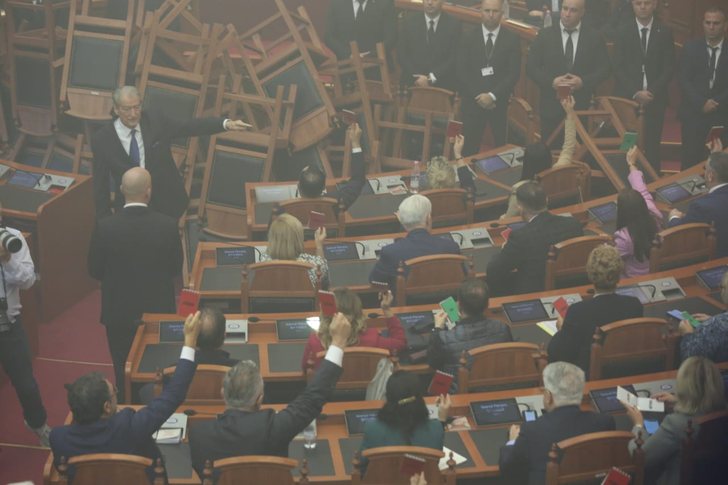
Për herë të parë në historinë e pluralizimit shqiptar ...
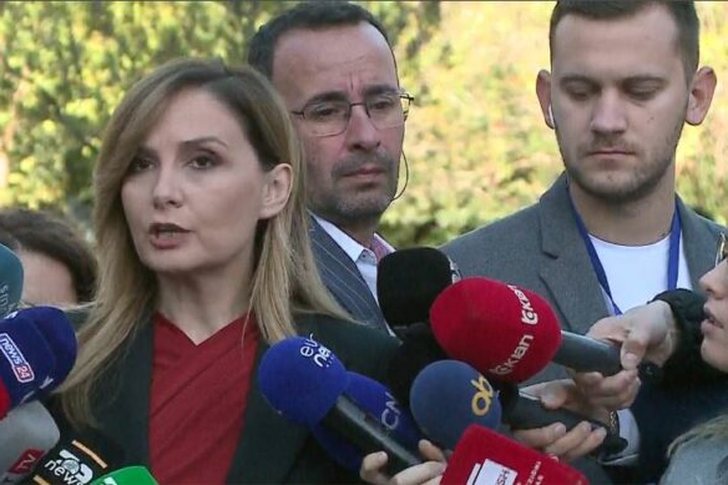
Deputy Jorida Tabaku reacted harshly to the government...
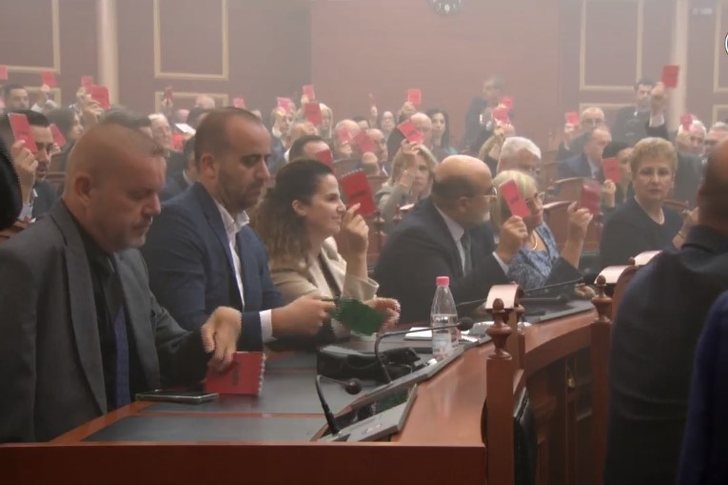
The majority voted the bills without being influenced by t...
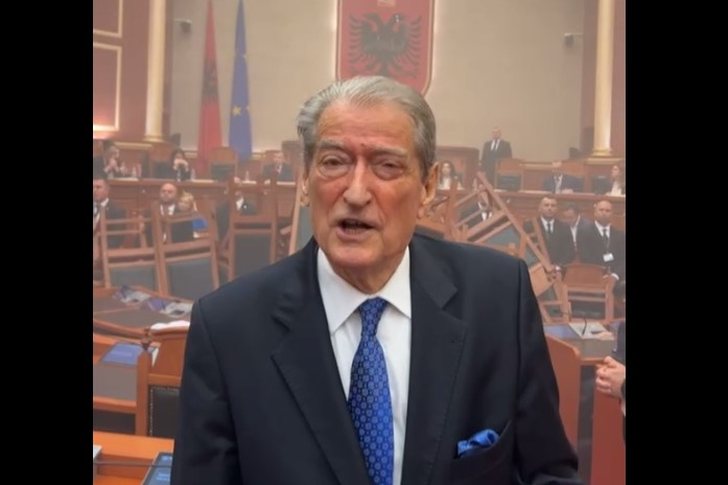
Ish-kryeministri Sali Berisha pas mbylles së seancës plena...
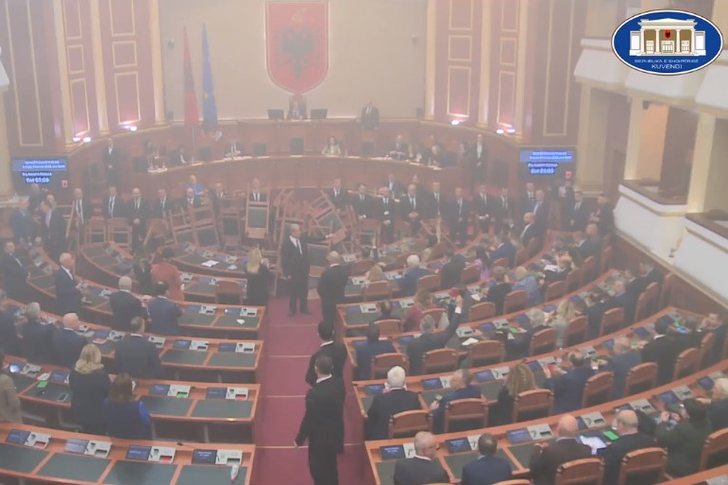
This Thursday's plenary session in the Assembly lasted onl...
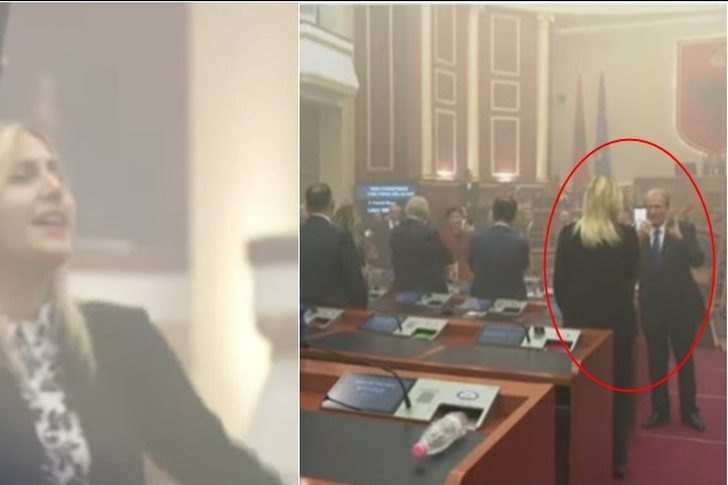
Speaker Lindita Nikolla attended the plenary session amid ...
The situation in the Assembly appears tense. After the fla...
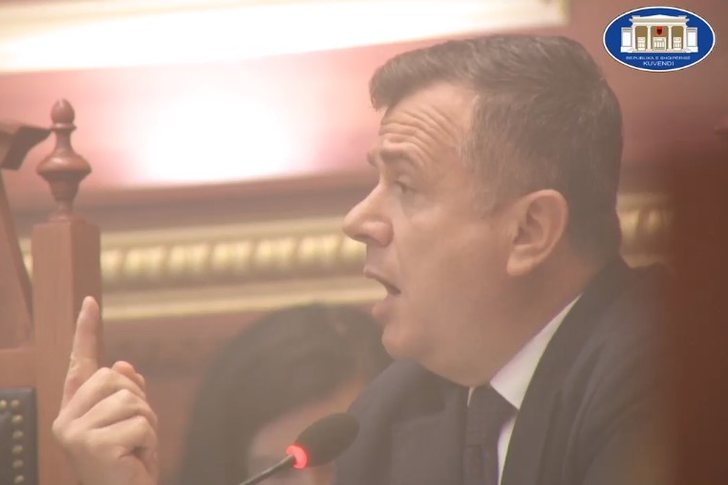
The Minister of the Interior, Taulant Balla, in the pl...
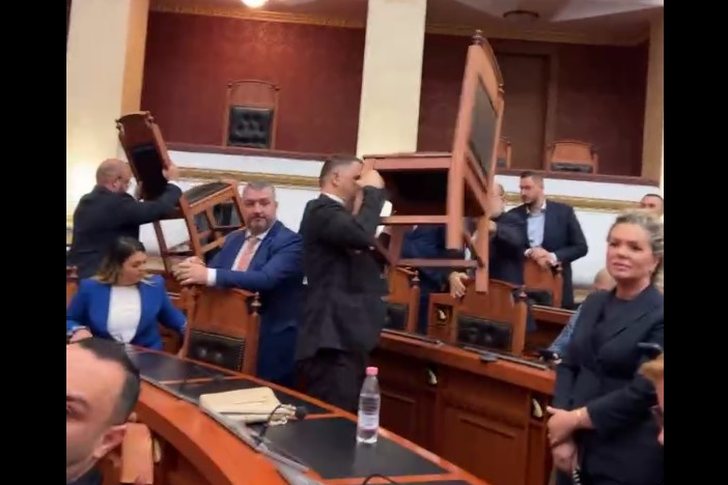
The opposition, in order to prevent the normal development...
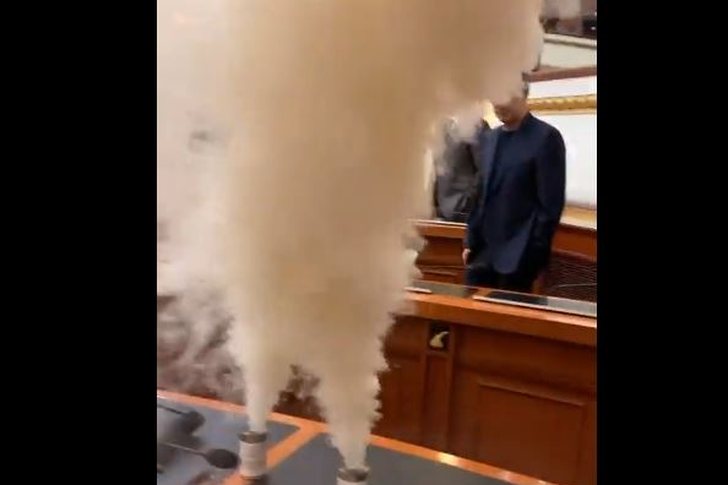
Vijon kaosi në seancën e Kuvendit. Krytarja e Kuvendit, Li...
Dritan Prençi is the SPAK prosecutor who is sleeping on th...
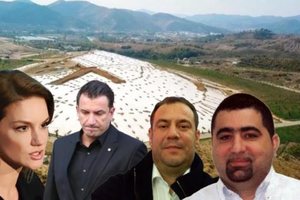
The in-depth investigations that SPAK conducted into Ajola...
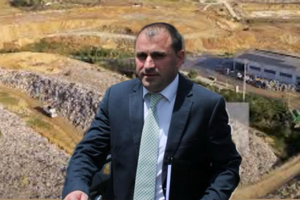
SPAK's standards, the way it investigates, how it secures ...

Irfan Hysenbelliu claims to be a big businessman, an hones...

The Special Board of Appeal (KPA) decided this Monday ...

The KPA vetting decided this Thursday to dismiss the p...

Suela Salavaçi, a prosecutor in the Prosecutor's Offic...

The Special Board of Appeal reinstated the prosecutor ...
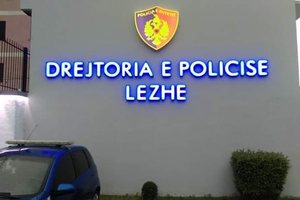
One of the perpetrators of the explosion that occurred yes...
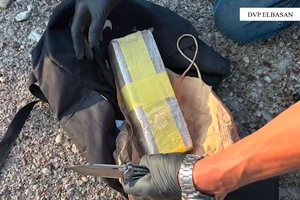
A case of heroin trafficking from North Macedonia to Alban...
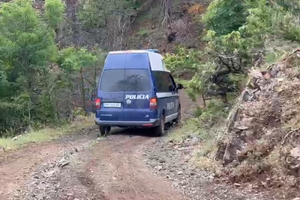
Details have been revealed from the investigation file for...
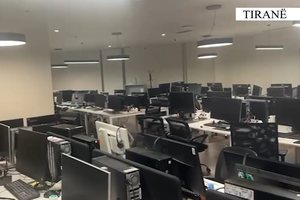
A call center where computer fraud was carried out has bee...

On Thursday, our country will be affected by relatively un...

Albania is facing a deep demographic crisis where official...
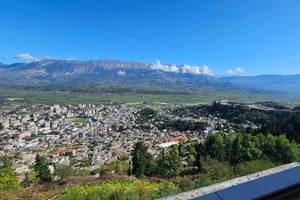
This Wednesday, our country will be affected by relatively...

The UN's World Meteorological Organization now warns that ...

Since the beginning of this year, the Serbian government h...

It's a story straight out of a Hollywood script. The plot:...
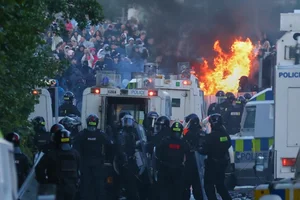
For the second day in a row, Belfast and other areas of No...

Germany's key players at the 2026 World Cup have African r...

At the Museum of Fine Arts in Chambéry, France, an exhibit...

Korça has transformed this weekend into the capital of cel...
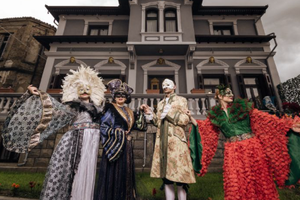
Korça is ready to open the summer season with one of the c...
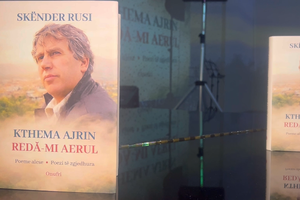
Two years after his passing, the renowned Korçë poet Skënd...

This Thursday, one US dollar is bought for 81.6 lek and so...

The first three months of this year have brought a record ...

The non-performing loan ratio returned to decline in April...
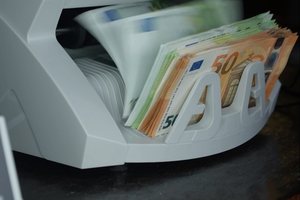
This Wednesday, one US dollar is bought for 81.6 lek and s...