

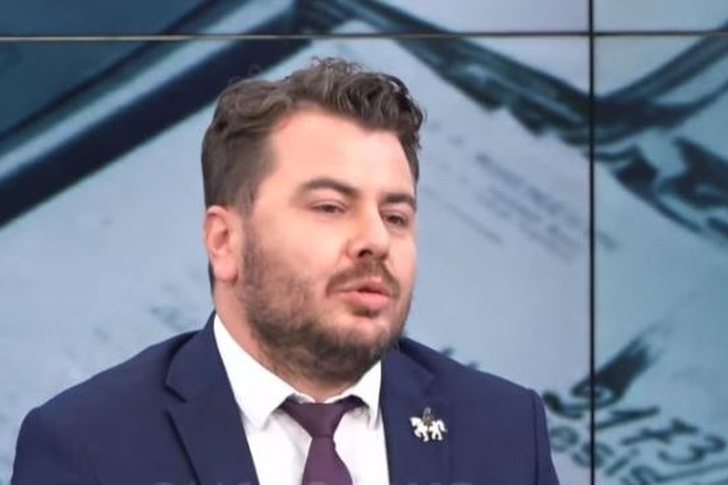
"Albanians need a real opposition"/ Kapri: The Opportunity Party will preserve democracy and free speech
The candidate of the Mundësia Party, Erald Kapri, who rece...


The US Embassy in Tirana has shared a message from the article published by the US Department of State.
Suppressing speech, facilitating mass migration, targeting expression of faith, and undermining electoral choice threaten the very foundations of the transatlantic partnership." - Samuel Samson of the Office for Democracy, Human Rights, and Labor writes about how our partnership must be based on shared heritage, not globalist conformism.
Full article:
The need for civilizing allies in Europe
By Samuel Samson, Senior Advisor for the Bureau for Democracy, Human Rights and Labor (DRL)
The close relationship between the United States and Europe transcends geographical proximity and transactional politics. It represents a unique bond forged in shared culture, trust, family ties, mutual assistance in times of difficulty, and, above all, a shared Western civilizational heritage.
Our transatlantic partnership is based on a rich Western tradition of natural law, virtue ethics, and national sovereignty. This tradition flows from Athens and Rome, through medieval Christianity, to English common law, and finally to America’s founding documents. The Declaration of Independence, with its revolutionary assertion that humans are ‘endowed by their Creator with certain unalienable rights,’ reflects the thinking of Aristotle, Thomas Aquinas, and other great European figures who recognized that all people possess natural rights that no government can abrogate or deny. America remains indebted to Europe for this intellectual and cultural heritage.
This bond between Europe and the United States is also why we speak up honestly when we disagree or have concerns—and it is why the Trump Administration is raising the alarm in Europe. When Vice President Vance spoke at the Munich Security Conference this year, he made the reason clear, saying: 'What I worry about is the threat from within, the retreat of Europe from some of its most fundamental values—values ??shared with the United States of America.'
After two devastating world wars, European nations sought to prevent future catastrophes by creating supranational structures that would bring nations closer together and enable stronger diplomatic and economic engagement. Proponents of this new order, including well-meaning Christian and pro-democracy parties, sought a grand transformation—a world that would transcend the divisions of nationality and faith to usher in an era of unprecedented peace. By breaking away from the anchors of nationality, culture, and tradition, global liberalism promised what Francis Fukuyama called ‘the end of history,’ the ultimate innovation of political life.
Today, that promise lies in tatters. What stands in its place is an aggressive campaign against Western civilization itself. Across Europe, governments have armed political institutions against their citizens and against our shared heritage. Far from strengthening democratic principles, Europe has become a hotbed of digital censorship, mass migration, restrictions on religious freedom, and many other attacks on democratic self-government.
These disturbing trends have only increased in recent years. In the United Kingdom, police are arresting Christians—like Adam Smith-Connor and Livia Tossici-Bolt—for silent prayers outside abortion clinics. In 2023, over 12,000 British citizens were arrested for online posts, including comments critical of the migration crisis in Europe, which authorities deemed 'highly offensive.'
In Germany, the government has set up elaborate systems to monitor and censor online speech under the guise of fighting disinformation and preventing insults. When German citizens express legitimate concerns about the economic and social impacts of globalization or criticize politicians, they risk being fined, labeled as radicals, or even having their homes searched by the police. The European Union’s Digital Services Act, presented as protecting children from harmful online content, is in fact being used to silence dissenting voices through Orwellian-style content moderation. Independent regulators now oversee social media companies, including popular American platforms like X, and threaten them with huge fines if they fail to comply with their strict rules on speech.
This atmosphere is also affecting elections in Europe. As Secretary Rubio recently pointed out, the populist Alternative for Germany party was labeled an ‘extremist’ organization by German intelligence, which could lead to its exclusion from the electoral process. The leading presidential candidate in France, Marine Le Pen, was accused of embezzlement and, contrary to standard procedures, was immediately barred from running. Similar restrictions have occurred in Poland and Romania on certain parties or politicians. At the same time, Christian nations like Hungary are unfairly labeled as authoritarian and human rights violators.
Americans are familiar with these tactics. In fact, a similar strategy of censorship, demonization, and weaponization of bureaucracy was used against President Trump and his supporters. It shows that the global liberal project is not enabling democracy to flourish. On the contrary, it is trampling on it, along with the Western legacy, in the name of a degenerate ruling class that fears its own people.
Our concerns are not partisan, but principled.
The suppression of speech, the facilitation of mass migration, the targeting of religious expression, and the undermining of fair elections threaten the very foundation of the transatlantic partnership. A Europe that displaces its spiritual and cultural roots, that treats traditional values ??as dangerous relics, and that concentrates power in ungovernable institutions is a Europe less able to stand strong in the face of external threats and internal decay. In this regard, achieving peace in Europe and in the world requires not a denial of our common cultural heritage, but a renewal of it.
Secretary Rubio has made it clear that the State Department will always act in America’s national interest. Europe’s democratic decline affects not only European citizens, but increasingly also America’s security and economic ties, along with free speech rights for American citizens and companies.
Our hope is that both Europe and the United States can reaffirm our shared Western heritage and that European governments will end the use of government as a weapon against those who seek to defend it. We will not always agree on the methods and tactics, but concrete actions by European governments to ensure the protection of political and religious speech, secure borders, and fair elections would be welcome steps forward.
The United States remains committed to a strong partnership with Europe and to working together on shared foreign policy objectives. However, this partnership must be based on our shared heritage, not on globalist conformism. Our relationship is too important, our history too valuable, and the international risks too great to allow this partnership to be undermined. Therefore, on both sides of the Atlantic, we must preserve the treasures of our shared culture, ensuring that Western civilization remains a source of virtue, freedom, and human flourishing for generations to come.

The candidate of the Mundësia Party, Erald Kapri, who rece...
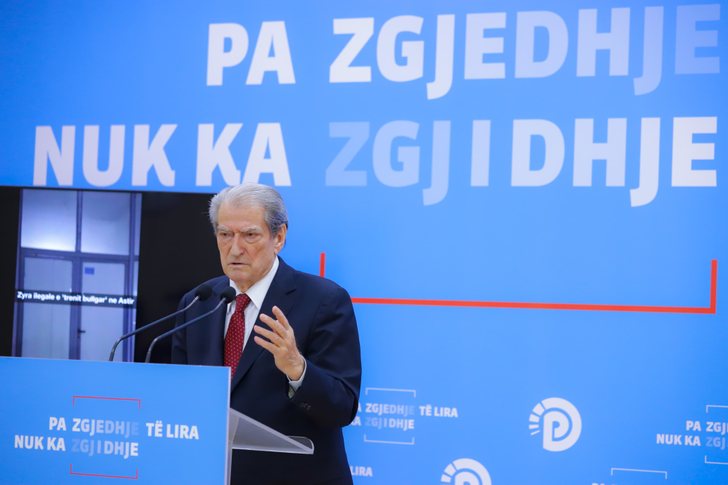
The leader of the Democratic Party, Sali Berisha, expresse...
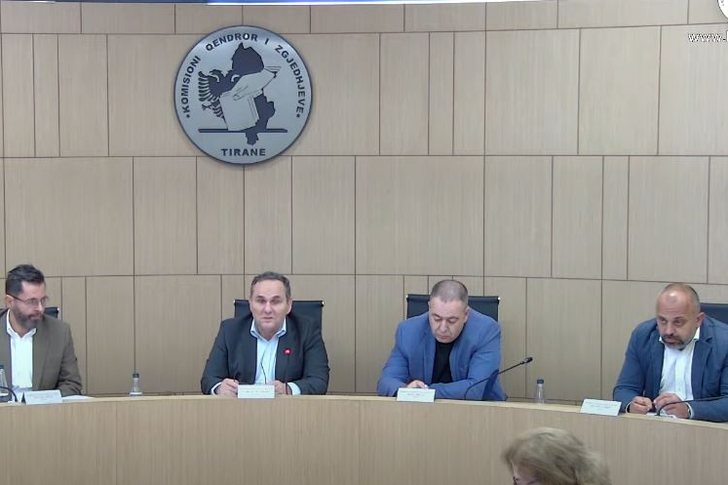
The Complaints and Sanctions Commission (KAS) rejected the...
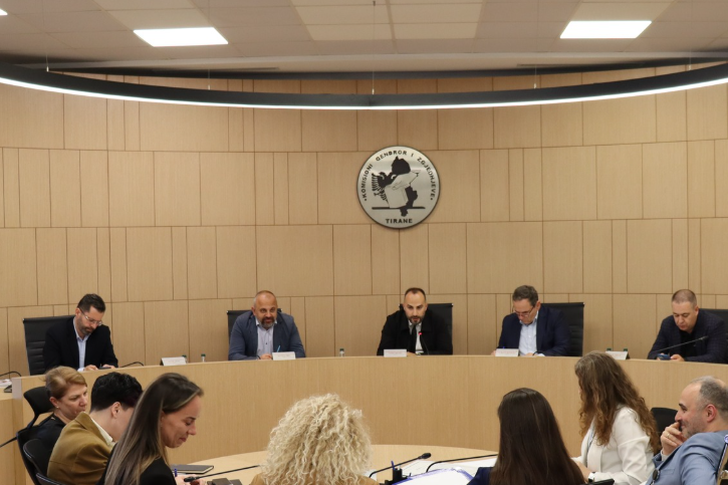
The Complaints and Sanctions Commission (KAS) reviewed thi...

Socialist Party candidate Ardit Bido, who won the mandate ...
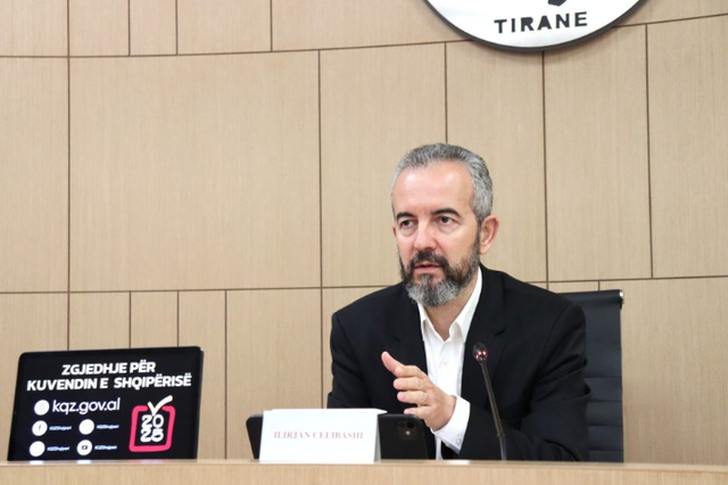
The Central Election Commission has today dismissed the cl...
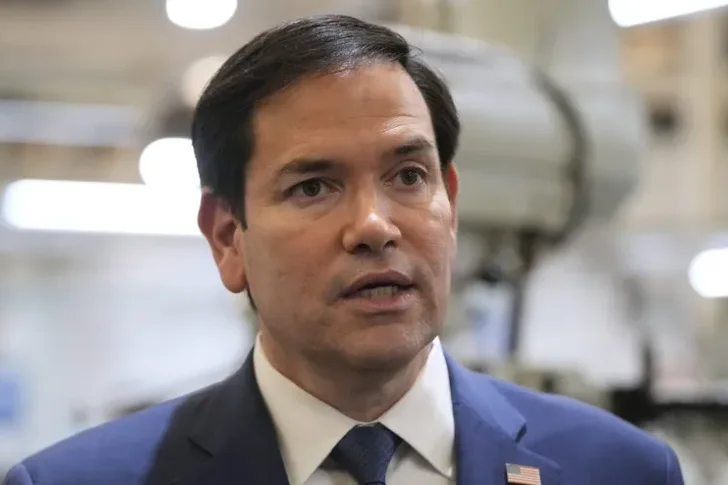
The US Embassy in Albania has reiterated the message of Se...
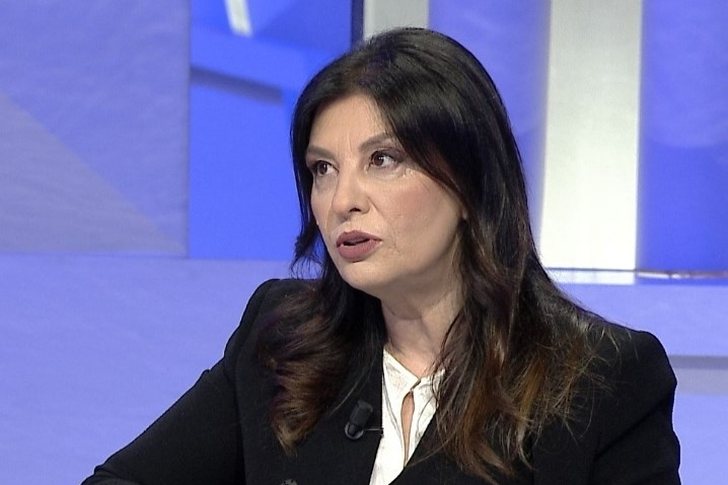
The political leader of the Democratic Party for the diasp...
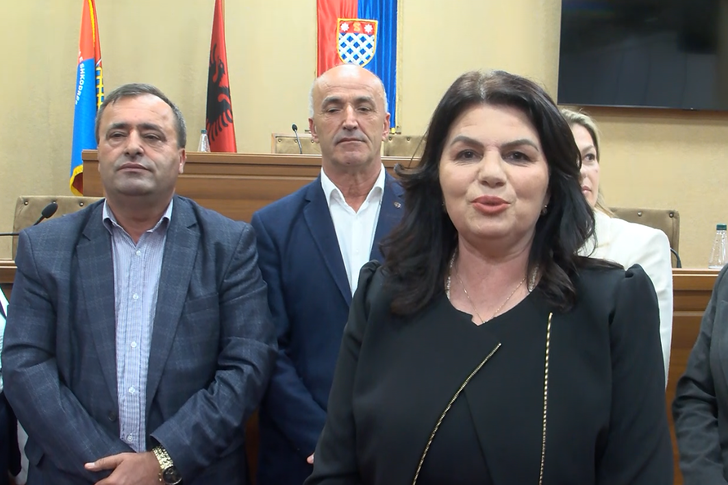
After the elections of May 11, the Shkodra Municipal Counc...
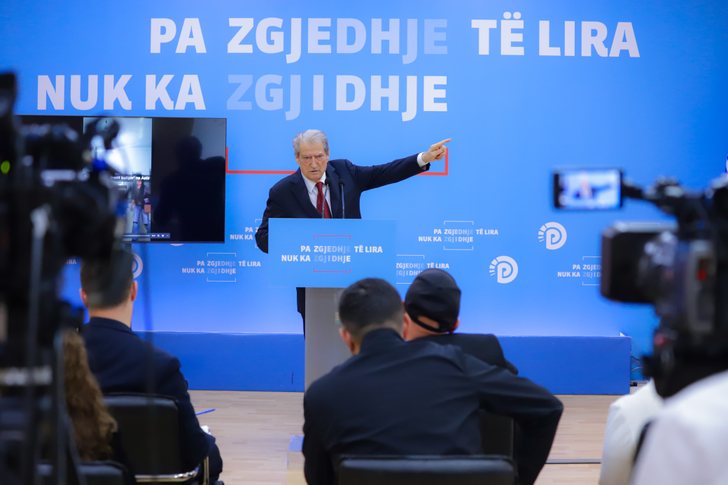
DP leader Sali Berisha has compared the 2021 elections to ...
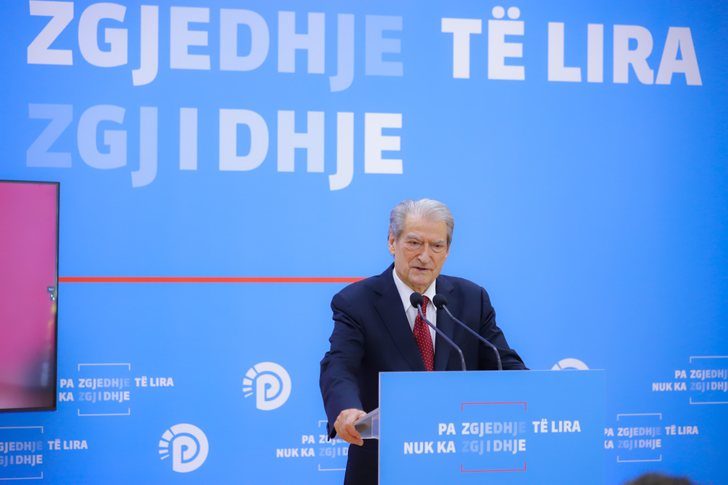
DP leader Sali Berisha has denounced with video footage th...
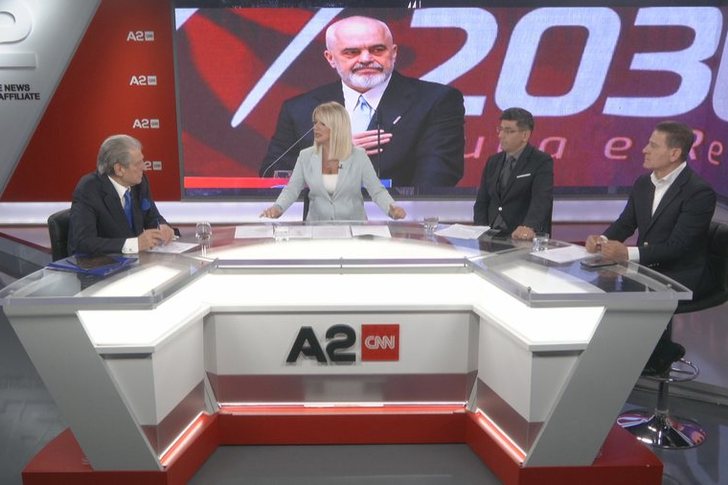
DP leader Sali Berisha has commented on the statement of M...

Ilir Alimehmeti, Mimoza Hajdarmataj and Lisandër Hoxha hav...

Famous Korçar Ilir Vrenozi has reacted harshly to the Demo...
Journalist Armand Shkullaku has stated that the opposition...
SP Secretary General Blendi Klosi spoke on MCN TV about th...
The Secretary General of the Democratic Party, Flamur Noka...
Journalist Armand Shkullaku spoke about the US Embassy's r...
Analyst Andi Bushati has stated that former President Joe ...
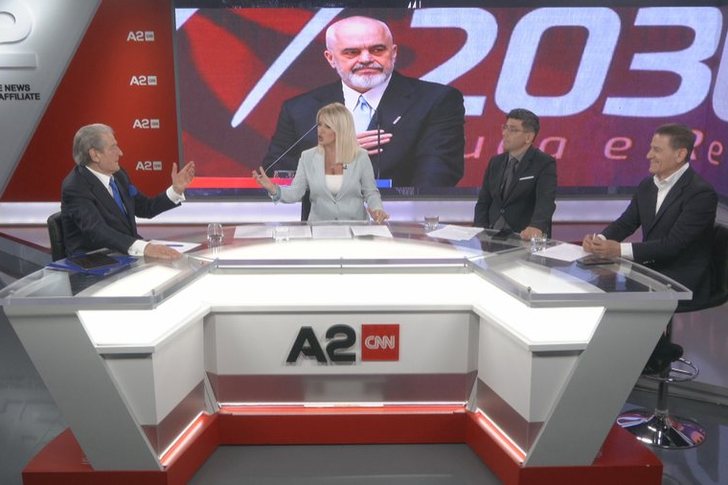
DP leader Sali Berisha has been adamant, saying he will no...

CNA has launched another investigation that could lead to ...

Irfan Hysenbelliu is a businessman that we call "Irfan the...

In March 2026, CNA launched another investigation centered...
The arrested mayor of Tirana, Erion Veliaj, with 13 charge...

The Special Board of Appeal (KPA) decided this Monday ...

The KPA vetting decided this Thursday to dismiss the p...

Suela Salavaçi, a prosecutor in the Prosecutor's Offic...

The Special Board of Appeal reinstated the prosecutor ...

A conflict occurred this Thursday evening in the toy area ...

A person has died today on Orikum beach. According to repo...

Footage emerges from the serious accident that occurred th...

A Shkodra traffic police officer was hit with hard objects...

Children without parental care, for whom alternative famil...

On Thursday, our country will be under the influence of st...

A serious accident that occurred this Wednesday with the c...

The Institute of Geosciences has shared a forecast for wea...
The European Union Office in Kosovo has called on all poli...
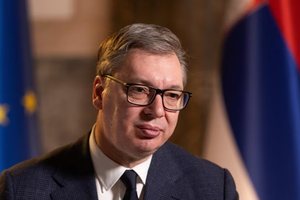
Serbian President Aleksandar Vučić, at a press conference ...
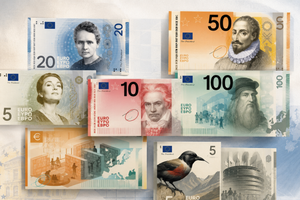
For the first time since the launch of the euro, European ...

Artificial intelligence (AI) models from the American comp...

At a time when industrial products are increasingly taking...

Trust among people is not just a three-syllable word. It c...

Master of humor Todi Llupi has passed away at the age of 7...
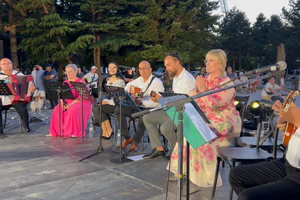
The ninth edition of "MIK Festival" kicked off with one of...

The average sale price of apartments in Tirana reaches rec...
This Thursday, one US dollar is bought for 81.5 lek and so...

The price of diesel reached 206 lek per liter from 198 lek...

Businesses will no longer be required to simply register t...