

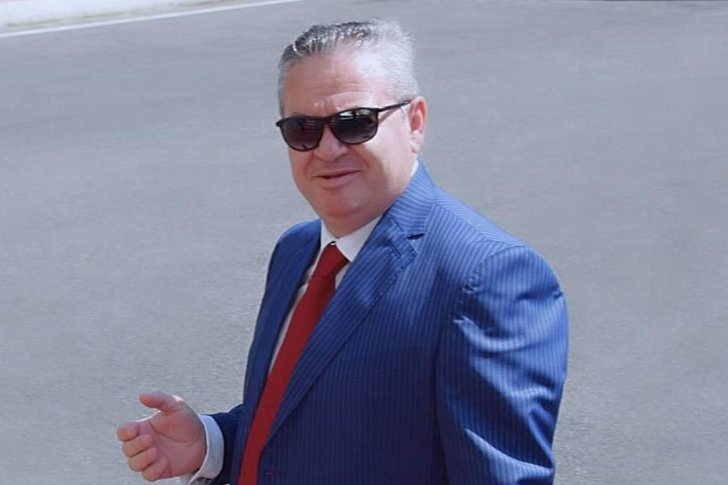
"America brought Noc Rock"/ Murrizi's letter to VanHor, deeply ironizes Rama
Former MP Myslim Murrizi reacted to Prime Minister Edi...


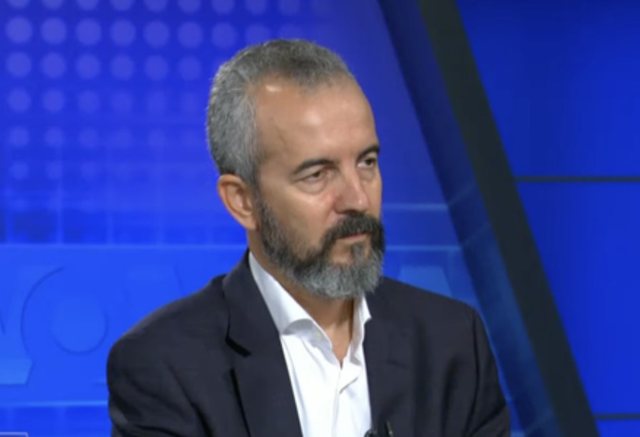
For the first time, Albania is expected to include the voting of immigrants in next year's elections, and the State Election Commissioner Ilirian Celibashi expressed optimism that the Regulatory Commission will approve the necessary acts to make this process possible.
"It is clear that the relatively tense political climate in Albania does not generally help the electoral preparation process, but until the moment we speak, it does not seem that this has affected the process of approval of acts by the Regulatory Commission and in general other regulatory aspects or preparatory, which the Central Election Commission has responsibilities delegated by the Electoral Code", he said.
While the political parties in Albania did not reach an agreement on the number of districts where voting and electronic counting would be carried out, in the interview for Voice of America, Mr. Celibashi said that he is working with the representatives of the Democratic Party and other parties who are skeptical, with the aim to implement electronic voting in the district of Tirana. "The condition remains that there is an agreement from the entire opposition spectrum regarding this process, even though the considerations of either the Democratic Party or anyone else regarding electronic voting are not related to the system itself, but to the approach of the technical staff to this system" , he said.
Voice of America: Mr. Celibashi, for the first time Albania is expected to include the vote of immigrants in next year's elections. How has the process of preparing the necessary infrastructure progressed so far when we are separated by about 6 or 7 months from the elections?
Ilirijan Celibashi: Considering the time we have to prepare this process, I can say without fear that it has gone well. At the moment we speak, the Regulatory Commission, which has certain powers assigned by the Electoral Code in terms of approving regulatory acts, has succeeded in approving two of the four or five acts that I, as State Commissioner, have proposed and will propose to this body that in the coming days three more acts will be passed.
Voice of America: Do you think there is a risk that the tense climate between the parties will affect the timely approval of technical voting procedures from abroad?
Ilirjan Celibashi: It is clear that the relatively tense political climate in Albania does not generally help the electoral preparation process, but until the moment we speak, it does not seem that this has affected the process of approval of acts by the Regulatory Commission and in general the aspects other regulatory or preparatory, which the Central Election Commission has delegated responsibilities by the Electoral Code.
Voice of America: Mr. Celibashi, as you have made it public, it seems that for another element, that of electronic voting and counting, there is no political agreement. You initially proposed extending it to 5 counties, you were forced to reduce this proposal to 2 such, but the Democrats seem to be against it. How will it be done, or is there a risk that such a vote will not be implemented?
Ilirjan Celibashi: Of course, the development of this process, of this voting method, is based on the demand for a broad consensus of the political factor. As long as the main opposition party, the Democratic Party, has not given support, I am afraid that we, as an institution responsible for the preparation of the election process, cannot move forward. Anyway, I will have to say and make it public that we will continue to work with the representatives of the Democratic Party and any other party, which has some kind of skepticism about electronic voting, to make it possible. It would be good for what the district of Tirana represents from a political and electoral point of view, but also for the fact that the vast majority of the political factor in Albania supports the development of electronic voting in Tirana, we can consider the option of developing electronic voting in the district of Tirana. However, the condition remains that there is an agreement from the entire opposition spectrum regarding this process, even though the considerations of either the Democratic Party or someone else regarding electronic voting are not related to the system itself, but to the approach of the technical staff to this the system. Again, I think it is important to address this concern and hope that in a second moment there will be an understanding and consensus of all about this process.
Voice of America: So, it is only about the district of Tirana?
Ilirjan Celibashi: For the time we have available, as well as considering that almost all other political parties, including the majority of the government, the Socialist Party and those of the opposition, have proposed and strongly recommended that electronic voting take place in Tirana , considering here also other elements, whether political, electoral or even logistical. First, with the time we have at our disposal, I think it would be useful to develop electronic voting in the district of Tirana. However, we will have this discussion in the coming days.
Voice of America: Mr. Celibashi, the financing of political parties has always been a weak point in Albania. How much does the current legislation guarantee the transparency of parties, especially during election campaigns, especially when the use of social platforms is seen more and more?
Ilirjan Celibashi: The law, Albanian legislation compared to the past has made a lot of progress and has created conditions for an imposition on electoral subjects to report and supervise the money they receive for the election campaign or in general for political activity. But experience shows that there is still room for improvement. We all have to admit, there are indicators that tell us this, that more money is spent than declared. This means that there is a need to improve the regulatory framework, but also for more efficient control and supervision mechanisms. Currently, the Central Election Commission evaluates where they get money from, where they get it and how the parties spend it on candidates, mainly based on their statements. But, not always the data they present are consistent with reality.
Voice of America: Mr. Celibashi, how far will these mechanisms that you suggest extend, including other actors and institutions? Will there be tightening of legal and punitive measures?
Ilirjan Celibashi: This is also an aspect that should be reconsidered. So the issue of measures and sanctions. But what is more important is the mechanization that we will have to have at our disposal, so that we can actually monitor and control and investigate this matter. Of course there are aspects of financing, mainly those related to foreign financing, which can be addressed by other state bodies, mainly those of criminal prosecution. But also in the administrative aspect, I think that the control and monitoring mechanism will have to be more efficient and not remain only in a formal framework of this monitoring and investigation.
Voice of America: Practically, you are saying that you need an extension of the legal tag for the institution you lead?
Ilirjan Celibashi: Exactly, that's right.
Voice of America : Will you take an initiative on this? Did you find support from the actors?
Ilirjan Celibashi: We made several proposals, we thought that in the framework of the electoral reform, the political parties, especially the two main ones, the Socialist Party and the Democratic Party, would address these recommendations of ours, but they remained only within the framework of addressing the decisions of the Constitutional Court and it does not address any of the other issues that were not addressed by the decisions of the Constitutional Court. It would have been very good, although again I have to say that the time to implement these rules was and remains quite tight, but it would be good because they would improve the standard of this aspect even more.
Voice of America: Mr. Celibashi, does the so-called decriminalization law guarantee the avoidance of candidates with criminal records. To be more clear, can the composition of the new parliament of Albania be cleaner?
Ilirjan Celibashi: It can be said with complete certainty that the decriminalization law has made the contribution it should have made and I think, at least in my judgment, this is a personal opinion, that the composition of the parliament is very different today from that of in the past and certainly in the future it will be qualitatively different, qualitatively in terms of what the decriminalization law tries to regulate.
Voice of America: The electoral reform was truncated and mostly a political compromise to implement, as you mentioned a little earlier, the decisions of the Constitutional Court. What are currently the most immediate issues that require intervention in the electoral law, in your opinion?
Ilirjan Celibashi: In addition to issues related to the financing of political parties and electoral campaigns, the issue of electoral administration remains important. Electoral administration will continue to remain the domain of political parties only. I have said many times publicly that the standard of the electoral process will not be positively impacted by this form of administration of the electoral process. Political parties have many rights, but take few responsibilities.
Voice of America : Do you think it would be an intervention in the law that would have a spirit of consensus in the midst of a tense climate or will it go as it has traditionally happened in Albania, that interventions in the electoral law are done in the last minutes, Mr. Celibacy?
Ilirjan Celibashi: The time does not promise to make changes of this nature because it will have to be a complete political consensus. On the other hand, I am not in favor of political parties being completely stripped of their right to be in the administration of the electoral process, but they should have limitations in the administration of the electoral process. Time does not promise. The timing doesn't look that good and we'll have to admit, let's be honest with that. But, he never knows./ VOA

Former MP Myslim Murrizi reacted to Prime Minister Edi...
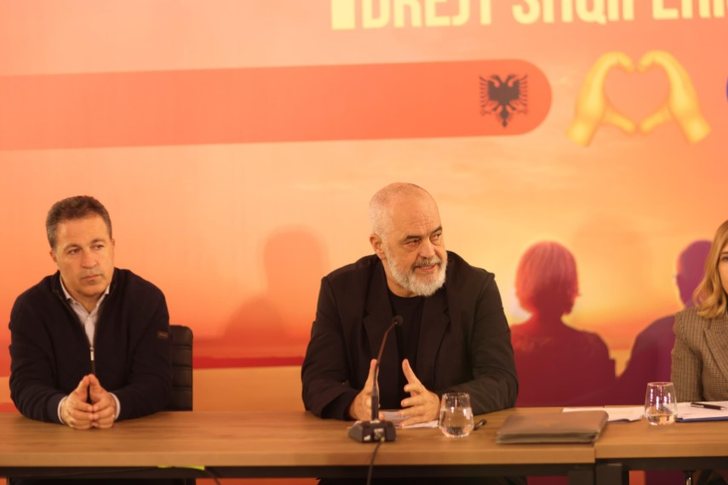
Prime Minister Edi Rama announced this Friday evening ...
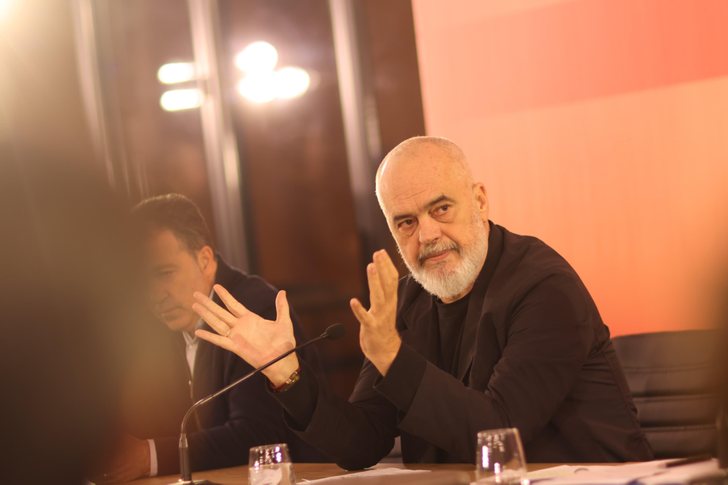
Prime Minister Edi Rama spoke in a meeting with pensio...
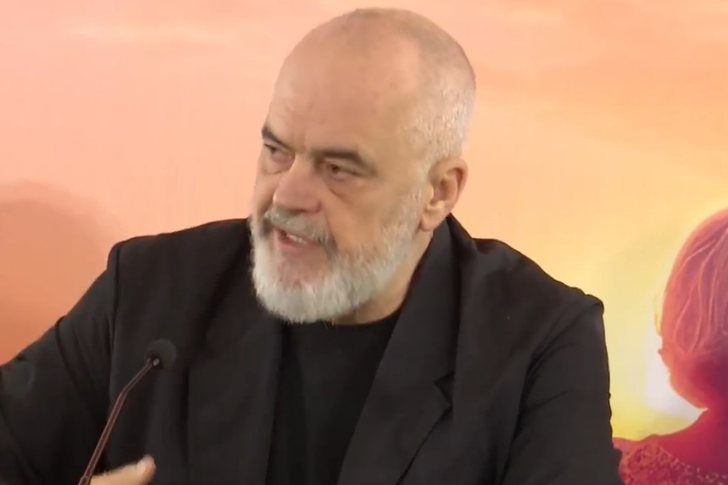
Prime Minister Edi Rama issued a warning to businesses...
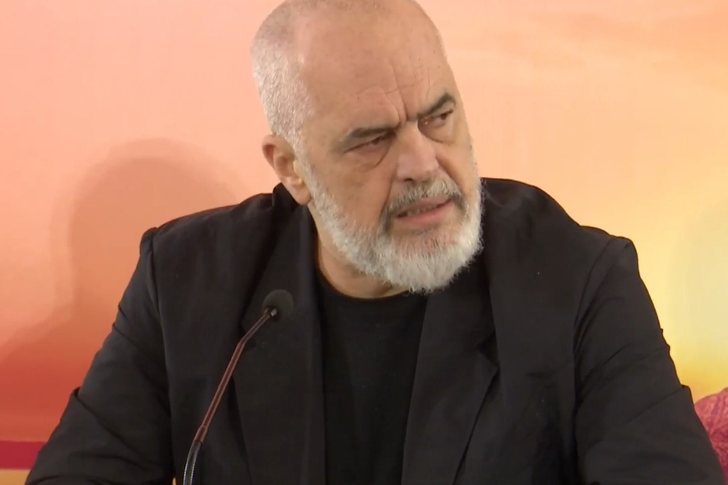
Prime Minister Edi Rama has commented on the schemes a...
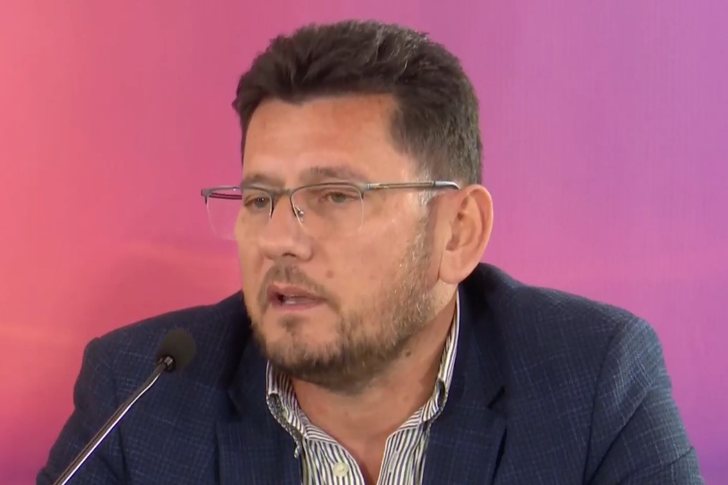
In Korça, pensions are higher than in other regions. ...
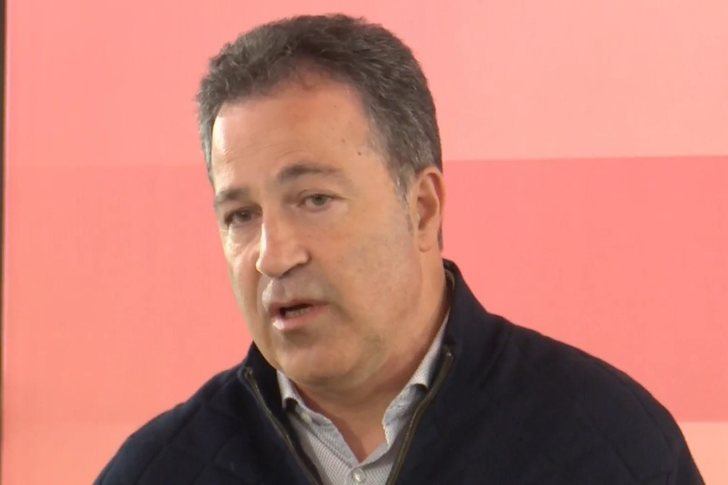
The leader of the SP for the Korça district, Niko Pele...

The mayor of Shkodra, Benet Beci, appeared this Friday...
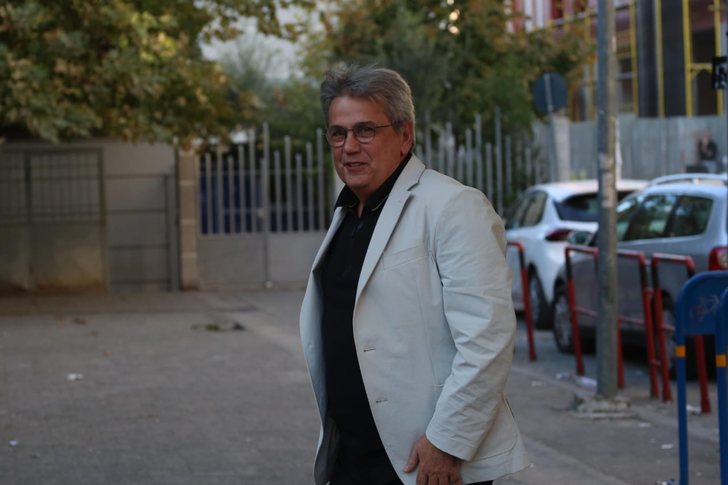
The Mayor of Shkodër, Benet Beci, appeared at the Spec...
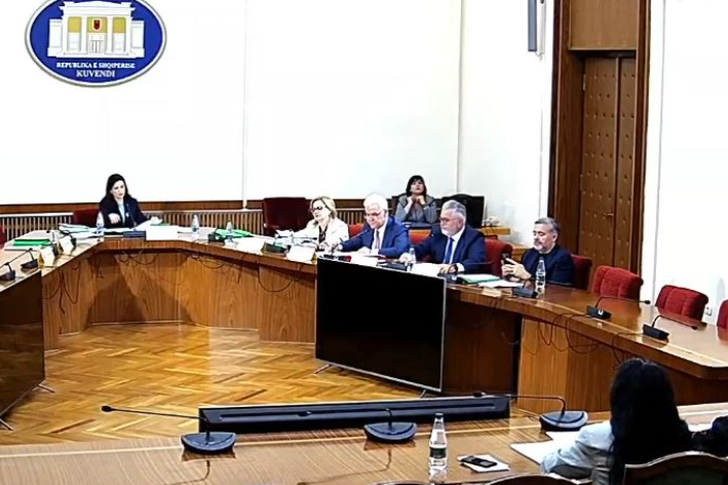
The Socialists in the Council of Legislation in the Assemb...
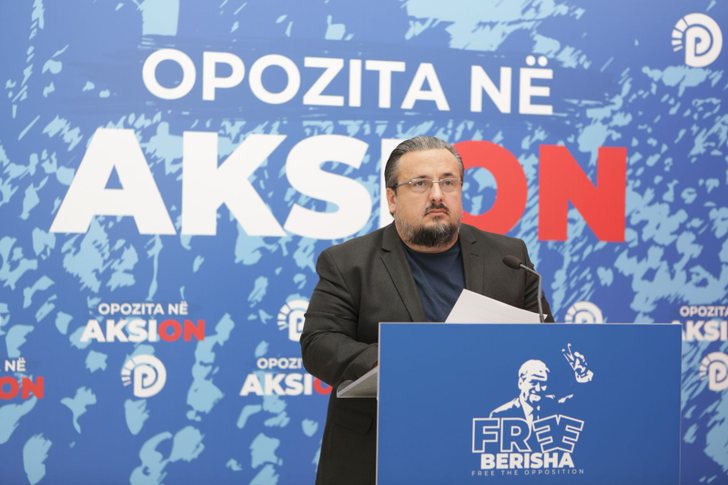
The advisor for economic issues in DP, Dorian Teliti, spok...
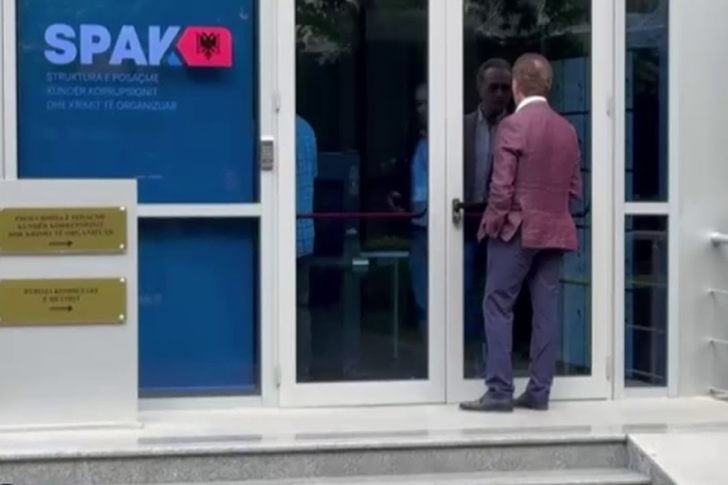
The DP MP, Luan Baçi, was summoned to the Special Prosecut...
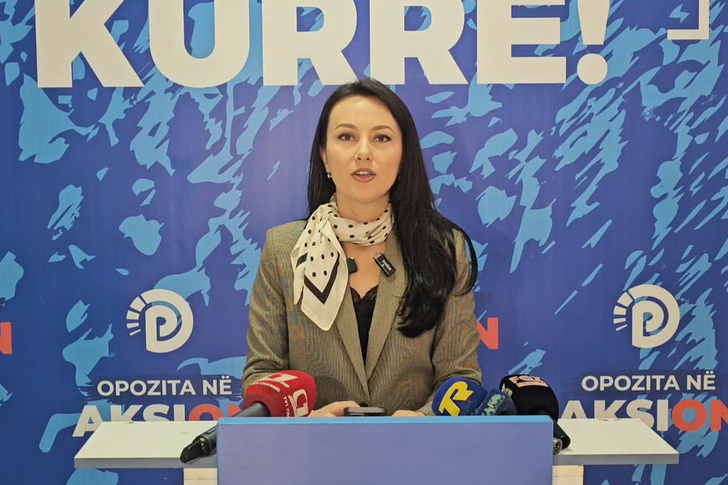
The councilor of the DP in the Municipality of Shkodra, Iz...
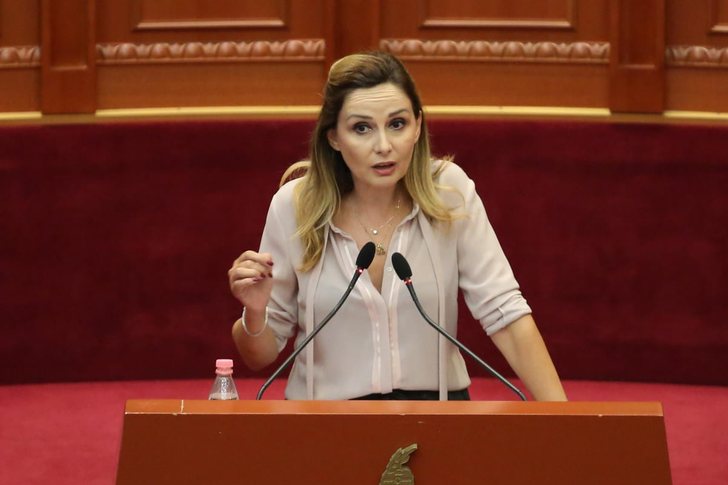
DP MP Jorida Tabaku has spoken about the progress repo...
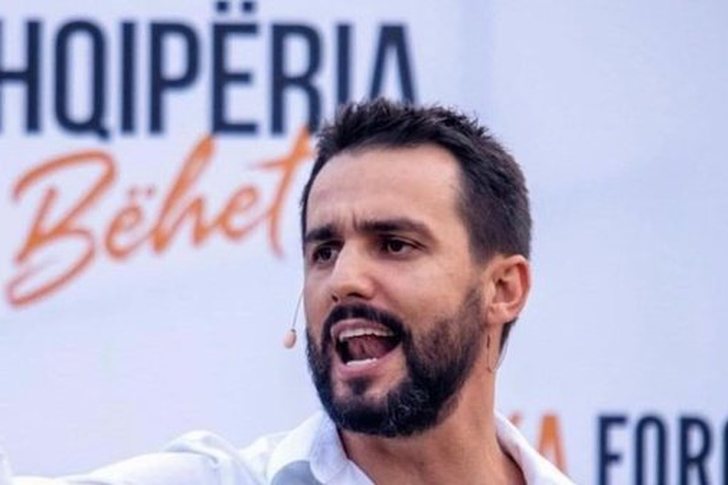
"Albania Becomes" is one of the new political movements, w...
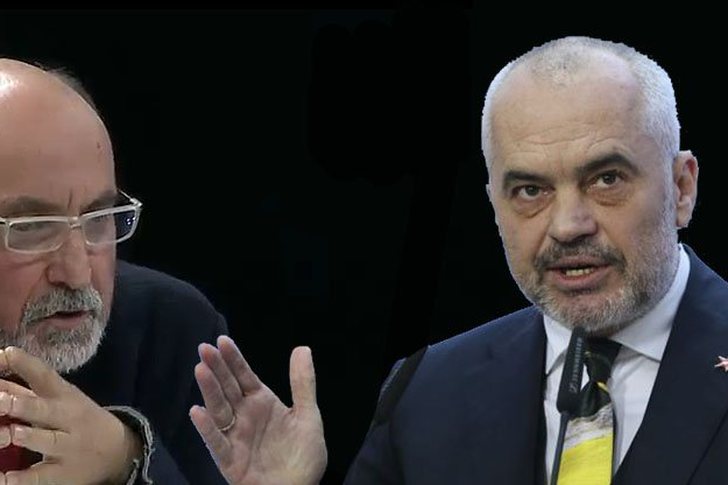
The largest French weekly, with a center-left tendency, "L...
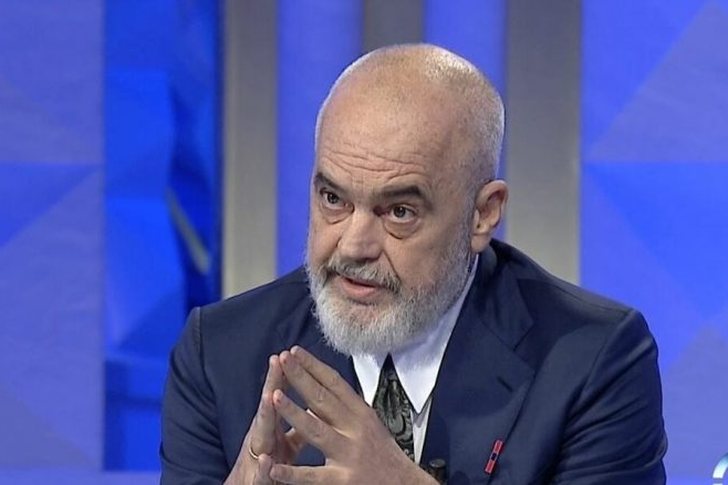
Prime Minister Edi Rama spoke this evening about his p...
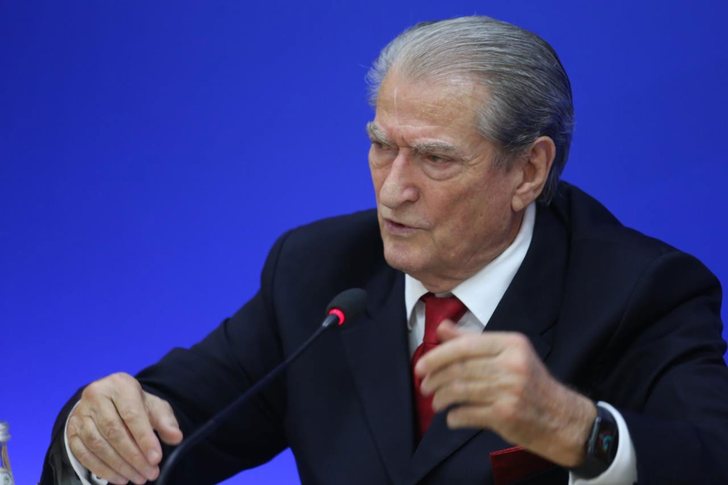
Invited to a Skype TV show, Sali Berisha said that the...
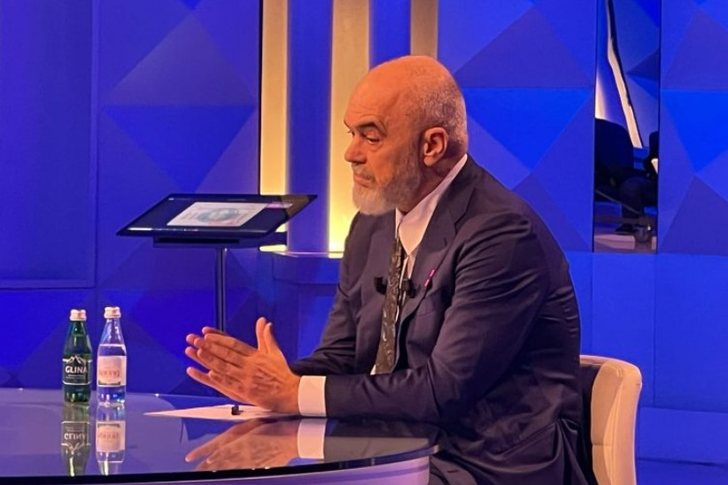
A week ago, Prime Minister Edi Rama was in the USA, wh...
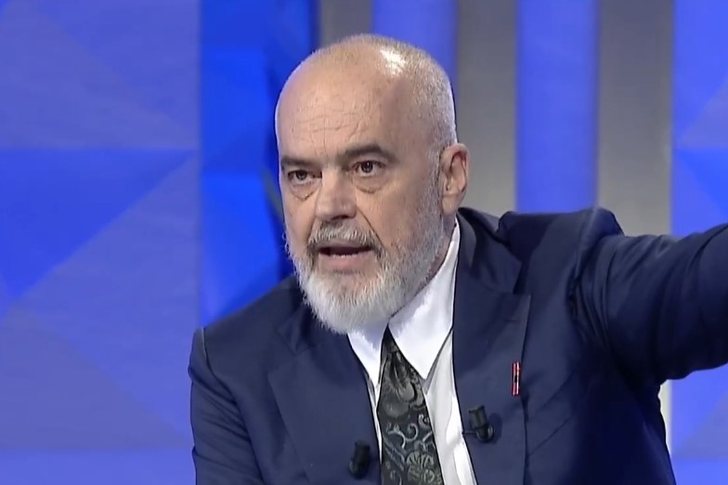
Prime Minister Edi Rama was asked this evening about t...

CNA has launched another investigation that could lead to ...

Irfan Hysenbelliu is a businessman that we call "Irfan the...

In March 2026, CNA launched another investigation centered...
The arrested mayor of Tirana, Erion Veliaj, with 13 charge...

The Special Board of Appeal (KPA) decided this Monday ...

The KPA vetting decided this Thursday to dismiss the p...

Suela Salavaçi, a prosecutor in the Prosecutor's Offic...

The Special Board of Appeal reinstated the prosecutor ...

A Shkodra traffic police officer was hit with hard objects...
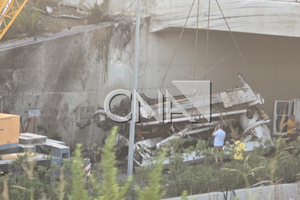
This Wednesday, around 4:00 PM, a serious accident occurre...
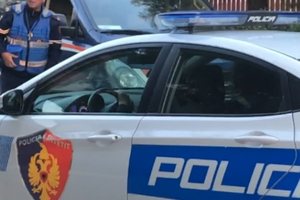
Tirana Police have shared details regarding the accident t...
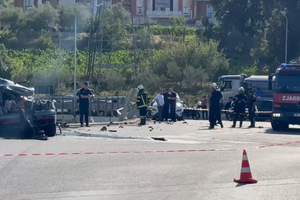
New details have emerged regarding the accident that occur...
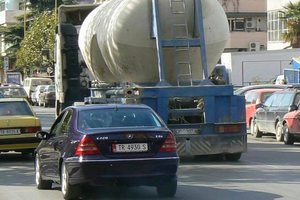
A serious accident that occurred this Wednesday with the c...

The Institute of Geosciences has shared a forecast for wea...
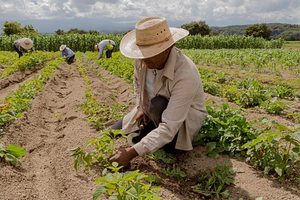
Rising energy and fertilizer prices are expected to contin...

Over 18,000 foreign citizens from 140 countries have appli...
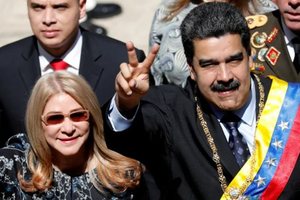
The trial of ousted Venezuelan President Nicolas Maduro on...
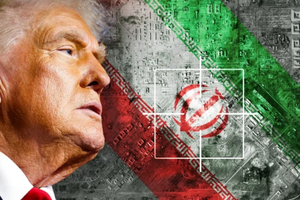
US President Donald Trump has issued another warning to Ir...
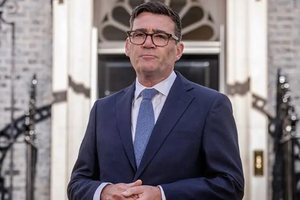
Prime Minister Andy Burnham has announced that most bus fa...

France's parliament has passed a law to ban social media f...

At a time when industrial products are increasingly taking...

Trust among people is not just a three-syllable word. It c...

Master of humor Todi Llupi has passed away at the age of 7...

The ninth edition of "MIK Festival" kicked off with one of...

The price of diesel reached 206 lek per liter from 198 lek...

Businesses will no longer be required to simply register t...

Despite economic growth and income in recent years, Albani...

This Wednesday, one US dollar is bought for 81.4 lek and s...