

Albanian!
One of the words I hate the most is "participation". Whoev...


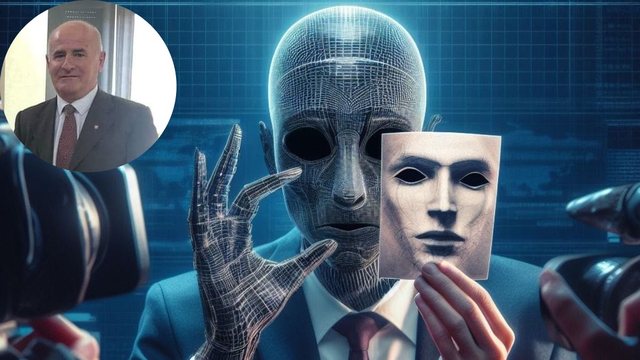
The list of opportunities as well as security risks is not only interdependent but is increasingly dominated by developments in the electronic industry. What exactly is "Deepfake" technology and how does it work? What are the opportunities that "Deepfake" offers and the risks that it carries?
What are some different cases/scenarios of its use or misuse? How to distinguish a real video from a fake video (?); How can Institutions, society and even individuals deal with "DeepFake"? How can the world, the region, the countries, and the States face these risks as well as address the opportunities well? What is her future? These and many other questions will be the subject of this article that is shaking the world and that is expected to have even greater impacts.
A brief history of the invention of "Deepfake". The term "deepfake" is a combination of the words "deep learning" and "fake", meaning false or not true. This new technology began to gain attention in 2017, when a user of the online forum Reddit started posting fake videos created through a new Artificial Intelligence (AI) technique. These videos, which looked completely authentic, but were actually manipulated, were the result of sophisticated algorithms in artificial networks, superimposing the faces of people including Heads of State, personalities, well-known journalists, etc. in different videos.
The origins of "Deepfake" can be traced back to advances in the field of "deep learning," a branch of artificial intelligence that focuses on building models that can learn from data to perform specific tasks. Basically, the technology uses a type of neural network called "generative adversarial networks" (GANs), which consists of two networks: a "generative" network that creates new content and a "discriminator" network that tries to distinguish whether the content is true or false. This competitive relationship between networks allows for the creation of images and videos that are increasingly reliable.
How does "Deepfake" work? Put more clearly, "Deepfake" is based on the use of artificial intelligence and "deep learning" to analyze and reproduce faces, voices and movements in such a way that they look real. The process begins with the collection of a large number of images or videos of the person to be used as a model. This data is then used to train a deep learning model that can generate this person's face in different contexts.
The software for creating Deepfake includes among others: Since 2017, the software (electronic systems) for the generation of "Deepfake" technology have been significantly improved. The most used so far are: FakeApp: One of the first programs designed specifically for "Deepfake", which became very popular in 2018. Faceswap: An open source project that allows users to swap faces in videos using cells and deep neural networks. DeepFaceLab: Another powerful tool used for Deepfake creation that is popular in the online community. It is worth noting that Deepfake technologies are developing at an unpredictable speed...
Today's use of Deepfake. At first, Deepfake was mainly used for entertainment, with users creating humorous videos by manipulating images for visual effects. However, over time, the use of this technology expanded and diversified. Currently, "Deepfake" is being successfully used in several areas:
In the Film and Entertainment Industry: "Deepfake" is being used to generate visual effects, resurrect dead actors or change the appearance of actors without the need for makeup or animation. We've all seen movies with scenes and special effects that are literally impossible. Today these effects are made possible thanks to the use of Deepfake technology.
In Marketing and Advertising: Companies are using Deepfake to create more personalized marketing campaigns and improve the customer experience.
In Education: Some educational institutions are exploring the use of Deepfake to create more engaging and interactive learning materials.
Some concrete cases of "Deepfake": Although "Deepfake" has great potential to bring positive innovations, there is a dark side of this technology that cannot be ignored. One of the biggest risks is its use by individuals or groups with bad intentions. For example, political leaders or public figures can become victims of fake videos that portray them saying or doing something they never did or in pejorative ways.
There have been several sensational cases of Deepfake usage that have sparked widespread discussion. Some of them that have left their mark recently are:
For example, such manipulative and blackmailing videos against Prime Minister Rama, against Prime Minister Meloni, or even those of the leaders of NATO countries with canes in their hands as warmongers. Also to Prime Minister Kurti of Kosovo, which can be easily found on social networks.
Deepfake videos have not escaped President Biden or Prime Minister Trudeau, as well as Putin or Kim Jong Un, actors Morgan Freeman or Tom Cruise, Mark Zuckenberg, Elon Musk, etc. In a world where news spreads rapidly through social media, a well-crafted Deepfake video can have serious consequences, spreading misinformation and causing political or military conflicts between countries.
Also, Deepfake can be used in attacks on the privacy of individuals. Creating fake porn videos with public figures or ordinary people is a terrible example of this technology. Using Deepfake to blackmail, spread false information or manipulate public opinion is a serious challenge for modern societies.
A fake video of the US president: A Deepfake video was released online, showing the US president announcing a radical slanderous policy. This video was revealed to be fake, but only after it had caused a huge public debate and an allergy to the president.
Election campaigns: In some countries, Deepfake technology has been used during election campaigns to manipulate the images of political candidates, creating false images that influence public perception, giving them a negative flavor, and even overturning the result of a free vote. accompanied by popular revolts that do not know how they will end.
Financial fraud: In some cases, deepfake has been used to manipulate videos of executives of large companies, leading to financial fraud and huge losses for companies and individuals. This has led to major clashes between banks and big businesses over excessive transfers and cases that have ended up in court.
Scenario 1. A "Deepfake" video is distributed where Putin declares that Russia has declared war on America and NATO, accusing them of supplying weapons to Ukraine. In the video that appears to be real, Putin says that he has activated the launch of nuclear warheads towards 32 capitals of NATO countries, including (or) excluding the USA. The world and the institutions of global, regional, and national security would be thrown into real chaos. Civilization and citizens will anxiously wait for what will happen next...
Scenario 2. It is the evening of November 4, the day before the US election. It is a day of electoral silence . This same evening, CNN, Fox News and YouTube show on television a video of former President Trump saying that he is resigning from the electoral race. His entire electorate, who had faithfully followed him during the electoral campaign, is extremely disappointed and revolted. What happened to him? Everyone is waiting to see what happens next. Time is very limited. A real chaos in the country that symbolizes the belief in world democracy!
Scenario 3. In a video released a year ago in Ukraine, we see President Zelenskiy calling on Ukrainian troops to surrender their weapons and make themselves available to Russian forces. This video created quite a bit of confusion in Ukraine and the armed forces about its authenticity. After analysis by NATO experts, it turned out that this video was a Deepfake and was produced by the Russians to create confusion in Ukraine.
We got only three possible scenarios, but like the above scenarios one can imagine dozens of other scenarios with global weight, in fragile regions of the Western Balkans, or nationally. This region, if the truth comes out, can ignite very quickly, and the situation can precipitate to such an extreme that there can be no turning back. We must also seriously prepare for such cases that come from the rapid development of information technology and "ddepfake.
But how can a Deepfake video be identified/distinguished? In its beginnings, many "Depfake" videos could be distinguished even with the naked eye, but recently they have become very sophisticated. Now more and more, there are many cases where the video becomes so original that even the best experts have difficulty distinguishing it.
Experts checking the authenticity of a video for DeepFake must be better than those who created it and must use better technology than their producers. Today you can make a video about anyone and you can cause significant damage to the individual, the state or even create unrest and confusion on a global level.
Human imagination is limitless in creating videos with dangerous content and causing unimaginable damage.
The future of "Deepfake". The future of "Deepfake" remains uncertain and depends a lot on how society will choose to face this technology. As we mentioned above, on the one hand, "Deepfake" has the potential to revolutionize the entertainment and marketing industry, bringing more personalized and sophisticated experiences to users. On the other hand, it increases the risks to privacy, security and democracy are considerable. There is an urgent need for the development of the legal package, rules of use and protection technologies that can identify and stop the spread of "Deepfake" content. This year and the next are an election year in many countries of the world.
Just two days ago, the state of Colorado in the US preceded it with a law against Deepfake cases in the November 5 election. This law envisages strict measures for those who abuse this technology. It also includes measures to use Deepfake detection algorithms, increase public education about the dangers of this technology and strengthen preventive measures to protect victims of Deepfake abuse.
In conclusion, "Deepfake" technology is a double-edged sword that can bring great benefits, but can also present great risks to society. Raising awareness and developing safeguards are key to ensuring that Deepfakes are used responsibly and ethically in the future. Likewise, the creation of mechanisms and a group of experts to manage "Deepfake" situations remains necessary.
There are never any countries or states that are immune, as "Deepfake" does not only affect America, Wall Street or Hollywood. Therefore, even the two sovereign states (RSh and R.Kosovo) of a single nation, have no time to lose, but we must think and act right now, not when or after something has happened.
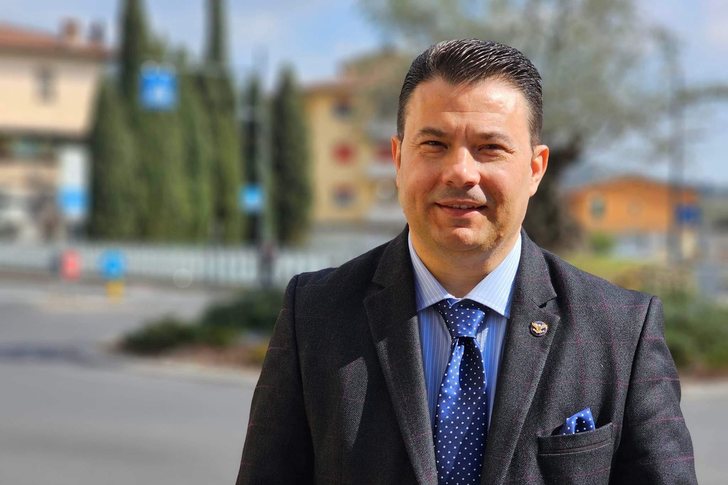
* Author: General Piro Ahmetaj:
Expert for SK, the Region and NATO,
Vice President of the Atlantic Council; & ex:
Advisor for National Security in DP,
Advisor to the President of RS; Deputy Minister of Defense,
Military Representative in SHAPE/NATO.

One of the words I hate the most is "participation". Whoev...

There is no limit to Bollino, or Carlo, with K or with...
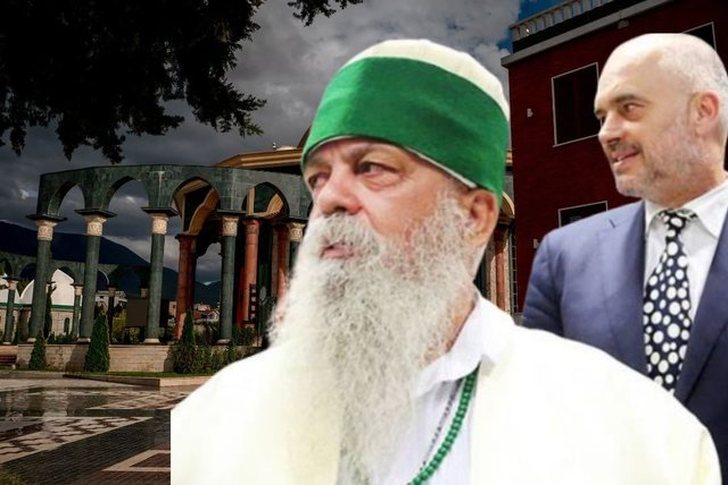
The work for the creation of the Bektashi State on the out...
The place where Catholics, Orthodox and Muslims sit cr...
What can you expect, that this stan will produce any other...
In flagrant excess of its competences, the Constitutio...
She almost lost her breath and almost passed out, when she...
In the episodic paragraphs with political submissions,...
The use that the left renaissance entourage has made of th...
Sali Berisha has not missed the opportunity to confirm him...
Edi Rama has responded flame by flame to the mocking storm...

This list of names came to mind after reading the full...
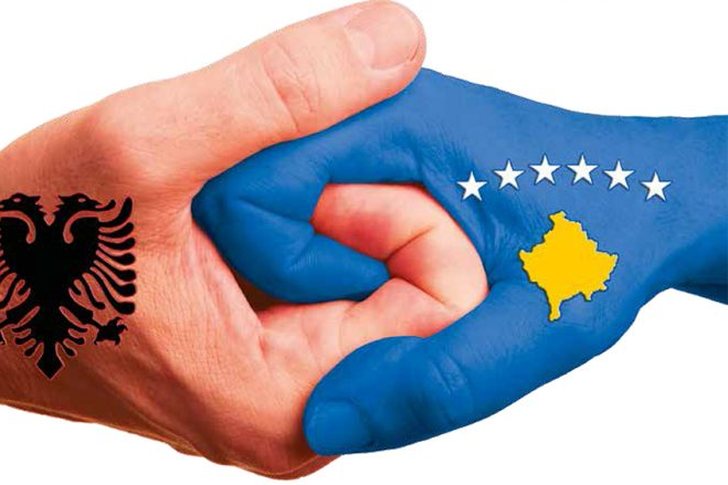
Of course, I follow with strategic interest, somewha...
I thank Leka Bungon, who found the time to answer me, on a...

Today, an absurd situation prevails in the Albanian opposi...
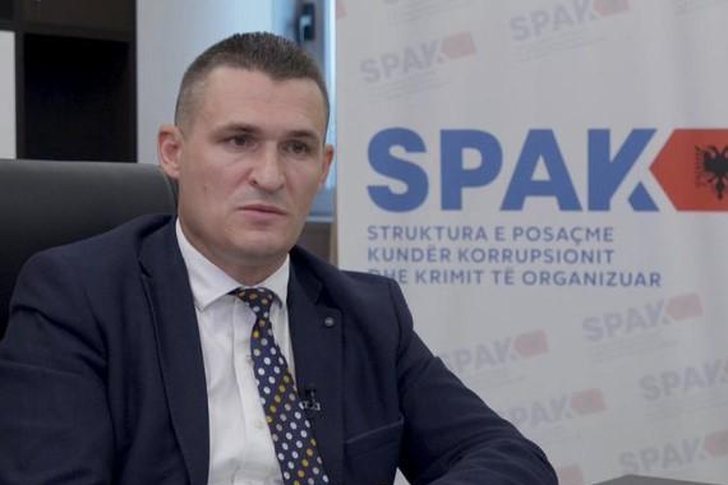
Altin Duman's SPAK has finally won the first serious publi...
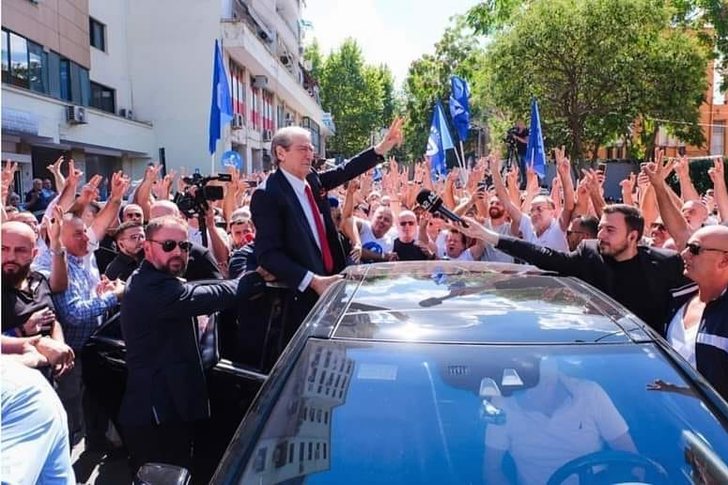
The new justice, which had a lot of expectations, so far i...
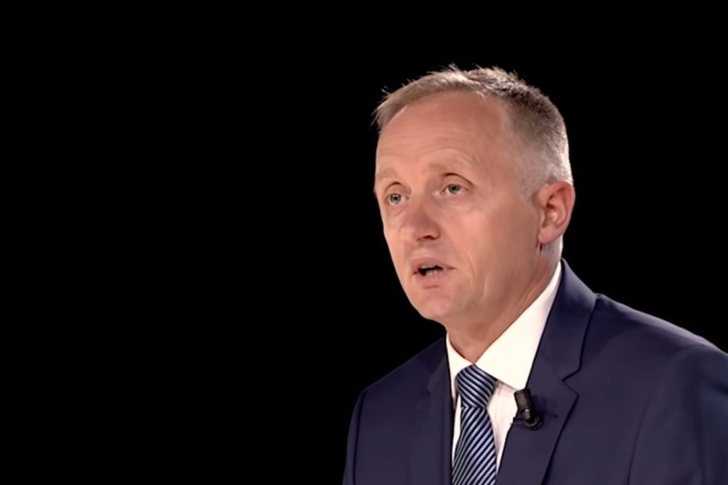
With unparalleled patriotic enthusiasm and inspiration, th...

The contract for the sale of combat aircraft as well as th...

On every "September 1", regardless of which date this ...

CNA has launched another investigation that could lead to ...

Irfan Hysenbelliu is a businessman that we call "Irfan the...

In March 2026, CNA launched another investigation centered...
The arrested mayor of Tirana, Erion Veliaj, with 13 charge...

The Special Board of Appeal (KPA) decided this Monday ...

The KPA vetting decided this Thursday to dismiss the p...

Suela Salavaçi, a prosecutor in the Prosecutor's Offic...

The Special Board of Appeal reinstated the prosecutor ...

A person has died today on Orikum beach. According to repo...
Footage emerges from the serious accident that occurred th...

A Shkodra traffic police officer was hit with hard objects...

This Wednesday, around 4:00 PM, a serious accident occurre...

Children without parental care, for whom alternative famil...

On Thursday, our country will be under the influence of st...

A serious accident that occurred this Wednesday with the c...

The Institute of Geosciences has shared a forecast for wea...
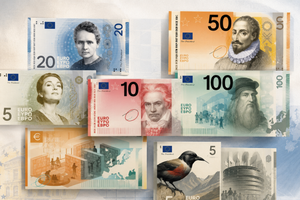
For the first time since the launch of the euro, European ...

Artificial intelligence (AI) models from the American comp...
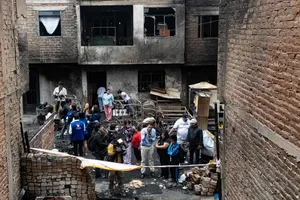
At least 10 people have died after a fire broke out in a h...
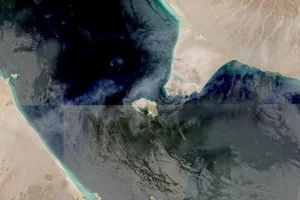
Yemen's Houthis have claimed to have attacked two Saudi oi...

At a time when industrial products are increasingly taking...

Trust among people is not just a three-syllable word. It c...

Master of humor Todi Llupi has passed away at the age of 7...

The ninth edition of "MIK Festival" kicked off with one of...

The average sale price of apartments in Tirana reaches rec...

This Thursday, one US dollar is bought for 81.5 lek and so...

The price of diesel reached 206 lek per liter from 198 lek...

Businesses will no longer be required to simply register t...