


Data on urban noise in Albania released/Here is the cause and the city that leads
The State of the Environment Report for 2025, published by...

The State of the Environment Report for 2025, published by...

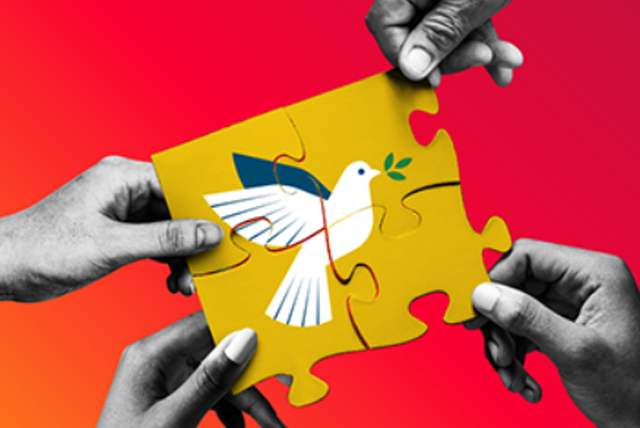
In September 2024, Albanian Prime Minister Edi Rama presented to the United Nations General Assembly the idea of creating a separate entity for the Bektashi community, an autonomous body that would preserve the spiritual heritage of this faith .
But even though it was advertised as such, this idea caused immediate and strong reactions within Albania and in the region. Of course, the reaction did not stem from opposition to Bektashism itself, but to its formatting as an “autonomous entity” that could pave the way for state privileges or unnecessary separations.
The Bektashi community, as an inseparable part of the great Albanian Islamic family, has never sought separation. Its members have prayed Eid with their Sunni brothers, celebrated with Christians, and have been an inseparable part of Albanian harmony. And they have done this without a flag, without division, but only with faith and humility.
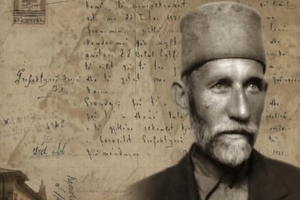
The main concern is that such a process, undertaken without broad and in-depth consultation with Albanian and regional religious communities, could bring unnecessary tensions and long-term consequences . Traditional Albanian Islam, rooted in the thought of scholars such as Hafiz Ibrahim Dalliu, Hafiz Sabri Koçi, but also in the mystical wisdom of Baba Reshat Bardhi, up to the current leader Baba Edmond Brahimaj, has always been a source of peace and not division.
Regional reactions against this initiative were immediate. Muslim communities in Kosovo, North Macedonia, Sandzak, and Bosnia and Herzegovina expressed deep concern, stressing that this project risks dividing more than uniting.
In Turkey, the Alevi-Bektashi Federation, which represents over 10 million believers, stated emphatically: “Bektashism can never be transformed into a state!” They emphasized that this philosophy knows no borders, and should neither be used for political division nor instrumentalized for geopolitical interests.
Even in Western Thrace in Greece, where the Alevi-Bektashi community was recently recognized as a separate entity, there were voices that openly opposed the idea of a “Bektashi state,” calling it a deviation from the universal Sufi spirit. These positions reflect a great sensitivity in the region about the role of religion in public life and the danger of its politicization.
A survey by BIRN, the prestigious Balkan investigative journalism agency, just a few weeks after Mr. Rama’s statement, showed that over 89 percent of respondents were against the idea of a “Bektashi State” in Albania. Even 71 percent of the Bektashis themselves who participated in the survey were against the proposal.
The majority of respondents considered the proposal frivolous, and expressed concern that it violates the religious balance in the country and undermines the harmony that the prime minister himself boasted about in front of member states at the UN General Assembly.
This highly controversial idea has also resonated in the international media . Some have supported and encouraged it, while others have criticized it. Thus, the German newspaper "Der Standard" would consider the creation of a religious mini-state in the heart of the Balkans a dangerous precedent, which violates the principle of separation of state and religion, but also carries other risks, especially misuse by foreign actors to incite conflicts in the region, within or between states.
The Bektashi World Order is an Islamic order that established its center in Albania in the years between the two World Wars. Among Albanians, they have always had an important presence, being considered the fourth largest religion and an important part of the state-building and National Renaissance processes.
So there has never been discrimination . On the contrary, the cultural and human values of this community have been recognized and promoted. Therefore, such ideas, clearly differentiating in relation to other communities, starting with the Muslim one who is the largest in the country, cannot be viewed with either kindness or indifference.
The Albanian state still owes a lot to religious communities - moral, institutional, and financial - and while it must do its utmost to repair the consequences of the blow it suffered during the dictatorship, it cannot become a follower, and even worse, a promoter, of such divisive initiatives.
Albania has been and is a model of religious coexistence , not because someone forced it, but because Albanians have lived their faith with humility and respect for each other. Religious peace is not the result of any political agreement, but a legacy built over decades, through cooperation between clergy and society.
And this coexistence does not need experiments or imported models. Bektashism does not need state emblems. Its flag is spiritual, human and deeply rooted in our history and collective consciousness.
Therefore, I humbly appeal and pray that we not alienate this great wealth that our ancestors have bequeathed to us generation after generation. Let us not place religion at the center of divisions or ideological competitions.
At a time when the Middle East is being consumed by sectarian clashes and the Balkan region remains vulnerable to any kind of religious deviance, Albania must not open new wounds. Mine is a call for humility, dialogue and for preserving the religious covenant that has kept us united in the most difficult times.
As the Messenger of God said: "O God, did I convey it? O God, bear witness."


Trillion dollar question: "Are we on the brink of World Wa...
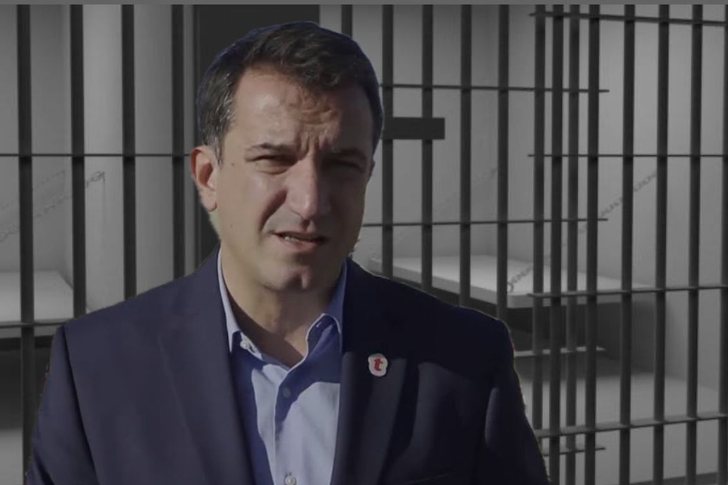
Erion Veliaj, the Mayor of Tirana, has been in prison for ...
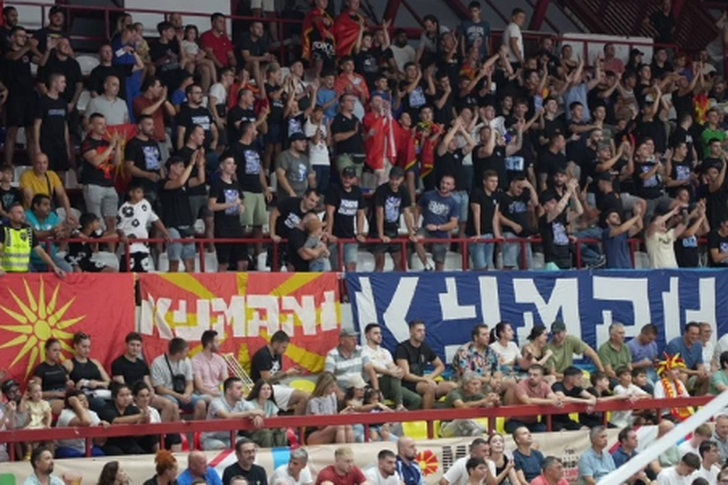
When calls for "death to Albanians" and "gas chambers" are...
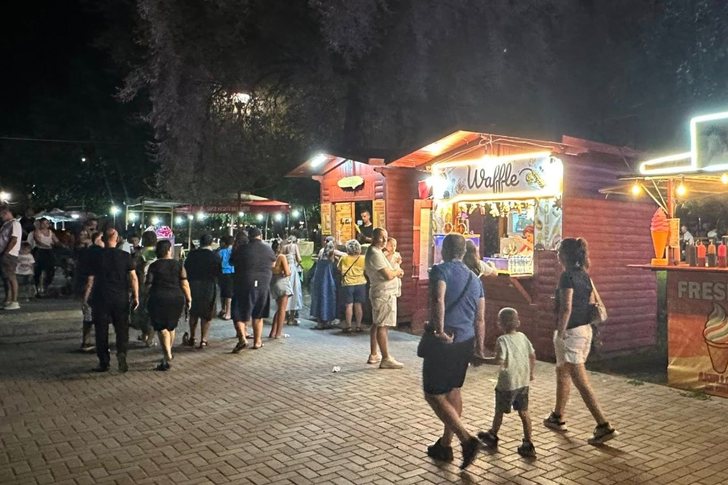
Tour operators should lower their prices! The government s...
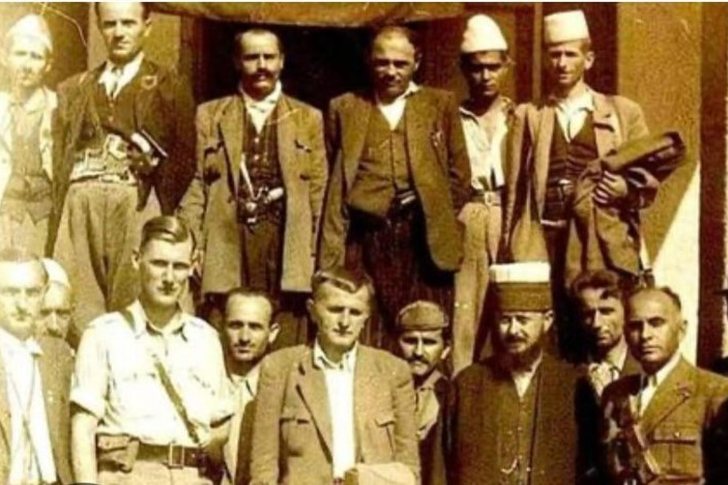
(on the occasion of the 82nd anniversary) The Mukje Agre...
Personally, I am in favor of cooperation between polit...
In a country where reality is often rejected as a mirror a...
The month of July is a blessed month for us Albanians, as ...

Reforms cannot wait for the satisfaction of parasites. Th...

The most slanderous propagandists of a government are thos...

In Ismail Kadare's novel "The Palace of Dreams", peopl...
In the middle of the heat, when everyone's problem is lack...

A policeman slaps an 18-year-old waiter. Lightning strikes...
Plutarch recounts in “Parallel Lives” that Caesar deci...

"If cannibals used forks, could we say that they had mad...
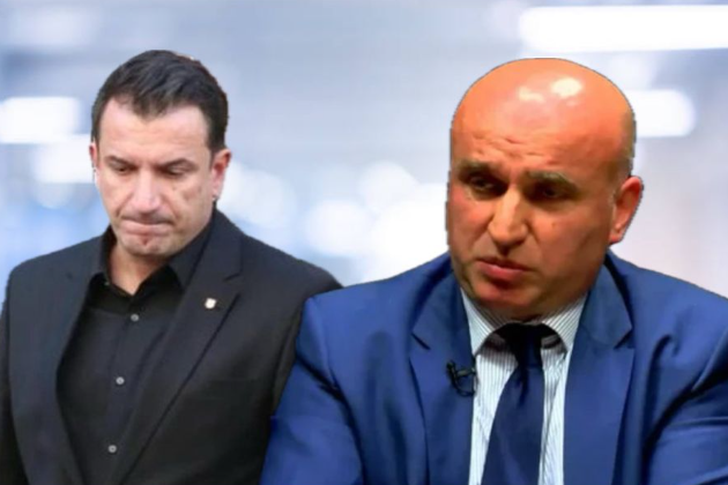
This article by Erion Veliaj for the newspaper "Tema" and ...
Yesterday, the European Union decided to include Ukraine a...
One of Sun Tzu's most famous expressions in "The Art of Wa...
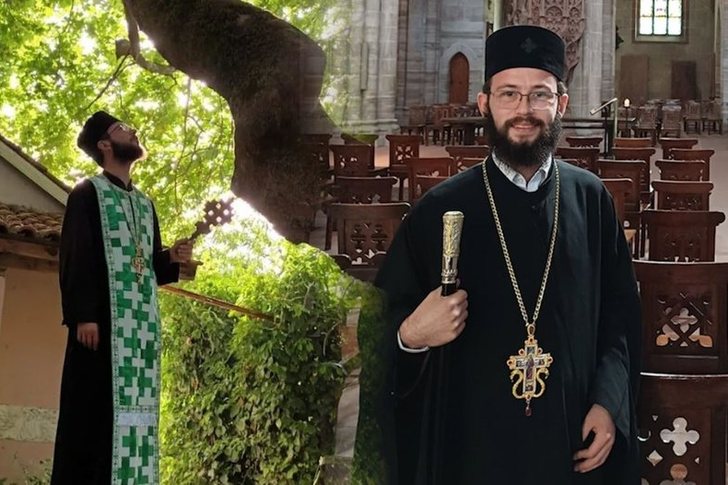
The war in Kosovo had ended, it must have been the spring ...
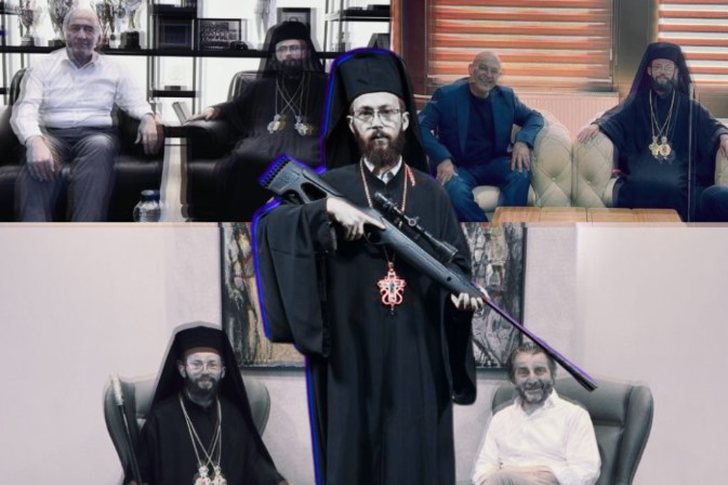
Former Prime Minister Albin Kurti is not the only one who ...
CNA has put under scanner the assets of Sokol Sadushi, the...
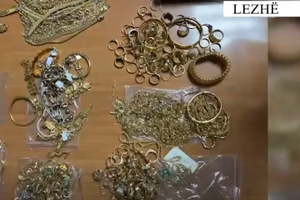
A 39-year-old citizen has been arrested in Lezha, after se...

CNA has launched another investigation that could lead to ...

Irfan Hysenbelliu is a businessman that we call "Irfan the...

The Special Board of Appeal (KPA) decided this Monday ...

The KPA vetting decided this Thursday to dismiss the p...

Suela Salavaçi, a prosecutor in the Prosecutor's Offic...

The Special Board of Appeal reinstated the prosecutor ...
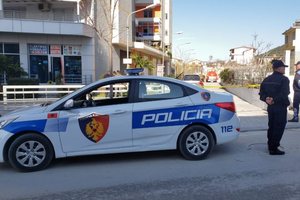
Police have revealed details of the incident that occurred...
According to preliminary information, a person in his 60s ...

A triple accident occurred on the Peqin-Elbasan axis n...
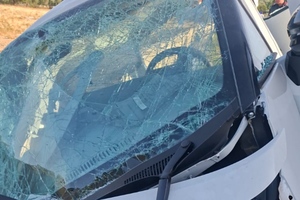
The police have provided details regarding the accident th...
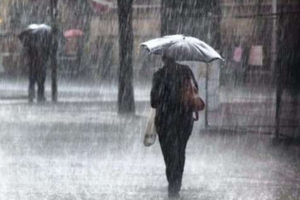
The Institute of Geosciences has today shared a forecast r...
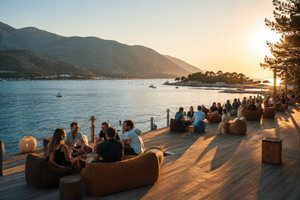
Company leaders can improve productivity by investing in a...

Today, our country will be under the influence of stable a...
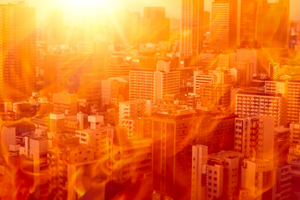
As the year 2026 is in its second half, the world is exper...
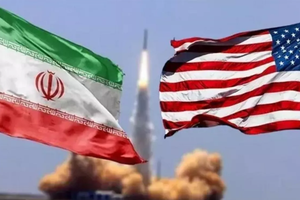
US Ambassador to the United Nations, Mike Waltz, said toda...
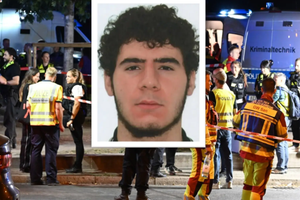
The suspect in the Berlin Pride attack was shot and killed...
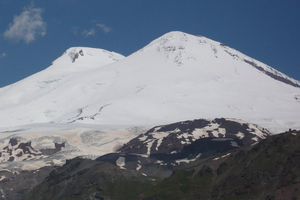
A tragic event occurred this Sunday on Mount Elbrus in the...
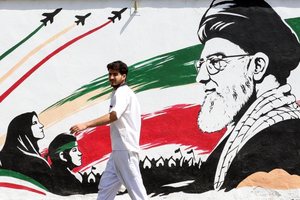
Tehran said it had halted retaliatory attacks against US a...
Two windows, a century of history and the metaphysics of p...
In my research at the Central State Archives, specifically...

At a time when industrial products are increasingly taking...

Trust among people is not just a three-syllable word. It c...

This Sunday, one US dollar is bought for 81.5 lek and sold...

This Saturday, one US dollar is bought for 81.7 lek and so...
War, weather and supply disruptions could send gas prices ...
The number of active enterprises in Albania continued to g...