


Armë, kokainë dhe cannabis në zonat bregdetare/ Arrestohen dy persona
Policia e Vlorës ka finalizuar operacionin e koduar “Sigur...

Policia e Vlorës ka finalizuar operacionin e koduar “Sigur...

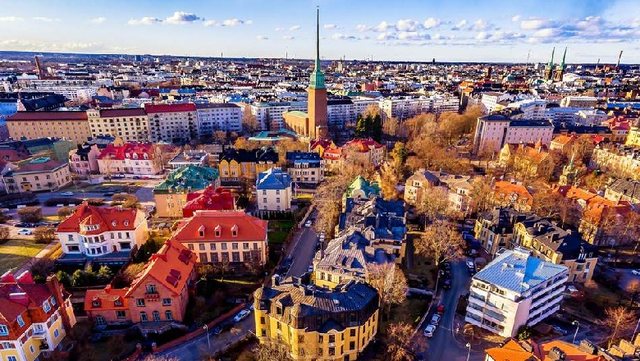
In December, Helsinki lives in twilight. There is only 2–3 hours of light.
Finland is the happiest country in the world. Not because there is so much light, but because there is so much trust. Early in the morning, before the city is fully awake, you hear footsteps on the street.
The Finnish national anthem says, “We are poor, we have only pine trees.” In fact, 72 percent of the territory is forest and about 20 percent of GDP is related to the wood industry. There should be more light in this country because there is so much to see and learn.
A Finnish professor, Tapio Varis, coined the term “media literacy” long before the rest of Europe made it fashionable. Today, for Finns, it is not a slogan, but state policy and everyday practice.
A Foreign Ministry official said with a chuckle, “we are used to living with bad weather, disinformation is a small thing.” Not because it doesn't exist, but because society is trained to deal with it.
Here lies the essential difference. Finland does not try to ban false information, but teaches consumers to recognize it. The philosophy is clear, it cannot shut down the Internet and social networks, but it teaches the mind. (A year ago, under false pretenses, TikTok was shut down in Albania. The result? Crime among teenagers (now real) increased and the number of TikTok users multiplied. Forbidden apples taste better.)
Media education in Finland has been part of school curricula for years, integrated into various subjects, to equip young people to survive the tsunami of information. Students learn to distinguish fact from opinion, news from propaganda, error from manipulation. They learn “critical thinking.”
Finland is a society built on trust. This is also reflected in the media. Few televisions, lots of content. In an average hotel you see three public television channels and some from neighboring countries. No bombings, no cacophony. Trust in the media is around 80%.
The budget of public television is about 400 million euros! The financing is done through a direct tax, not per device, not per family, about 180 euros per year. “It's worth it,” says Vesa, “less than one euro a day to be well-informed.”
Laura, a student, doesn't pay taxes yet. "But one day I'll happily pay taxes," she says.
The pact is clear: citizens pay taxes in exchange for quality services.
Education, education, education
In response to a question to list three main things from the two-day visit - almost all representatives of the Balkan region were in agreement: education, education, education.
There is much to learn from the Finnish education system. It is based on equality, universal access, trust in teachers, and a lack of artificial pressure. There are no school rankings, no stressful national tests, and a focus on learning rather than punishment.
Teachers are professionals with master's degrees, respected and autonomous. The national curriculum provides the main orientation, but implementation is decided by schools. Media education is supported by special institutions, such as the National Education Agency and the National Audiovisual Institute, in cooperation with various ministries and civil society.
(In Albania, although many things are different, the first steps have been taken. The Albanian Media Institute, together with the Ministry of Education, have launched initiatives to integrate modules on critical media reading in schools and training for teachers.)
Success in media education is the reason why Finland is not panicked by algorithms, deepfakes, information warfare, or Artificial Intelligence. Society is trained, not afraid.
The visit to Helsinki Upper Secondary School of Media Arts makes theory concrete. The most beautiful surprise were Ema and Sofia, two girls from Kosovo. One was born in Finland, the other has only been there for eight years.
The state offers children of immigrants the opportunity to preserve their native language. Identity is not seen as a problem, but as an asset.
Finland reminds us of something simple but essential. The fight against disinformation is not won through censorship, but through education. Not by panic, but by instilling trust.
In a world where algorithms decide what we see, Finland has chosen to invest in the mind.../ CNA


by Uran Butka The proclamation of the Albanian Self-Gove...
For more than three decades, Albanians have been told that...
I came across such a post online today. This is the bigges...

At the end of November, the National Security Strategy (NS...

Beyond the petty village vendettas, the games they play wi...
A news story appeared in the media yesterday about the rec...
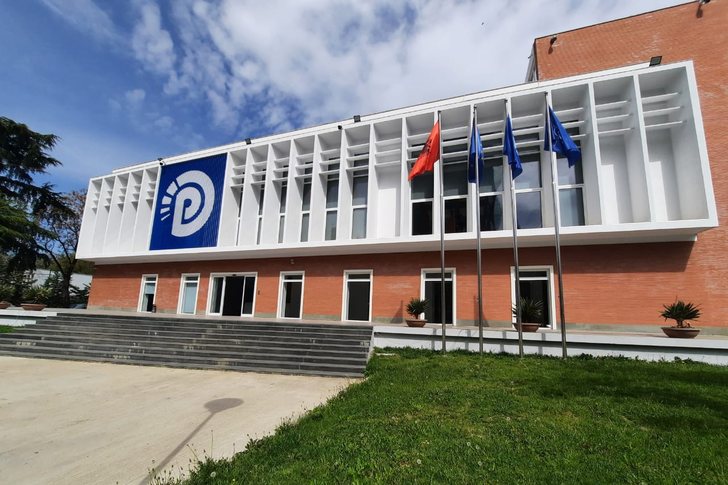
I have never been against the opposition. This is not a de...
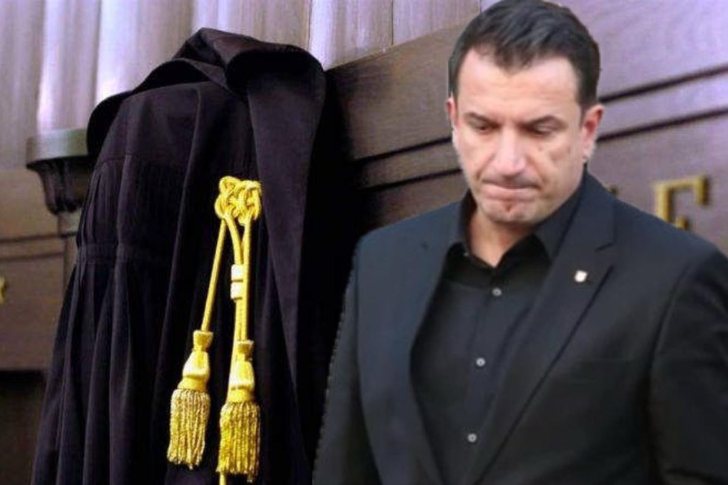
In the media, every time there is a court session at the G...
In my new novel "The Second Punishment of Eve" (Papirus Pu...
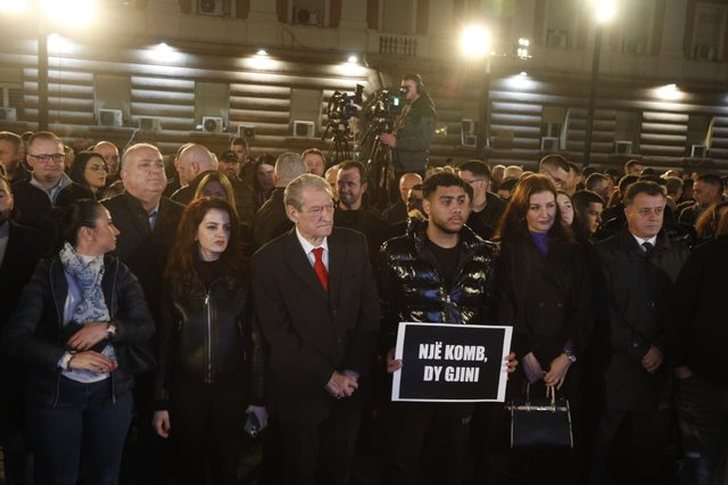
Three protests, the one by the DP, the one initiated by Ad...
“Nuk ka mjekë spitali. Shkojmë nga Përmeti në Tepelenë për...
1-Small parties do not accept candidates from the DP, ther...
There are moments in a country's history when laws are no ...
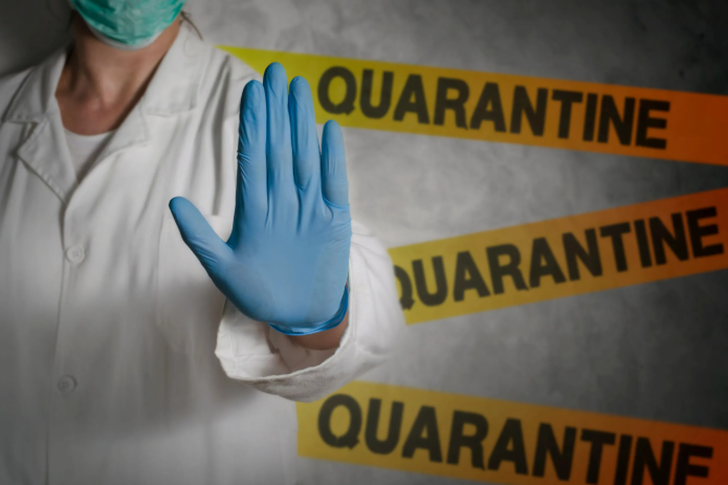
Myth Two: QUARANTINE Myth: Quarantine was "invented" to c...
The law clearly explains it: a candidacy for the People's ...

The Democratic Party has maintained a very good stance on ...
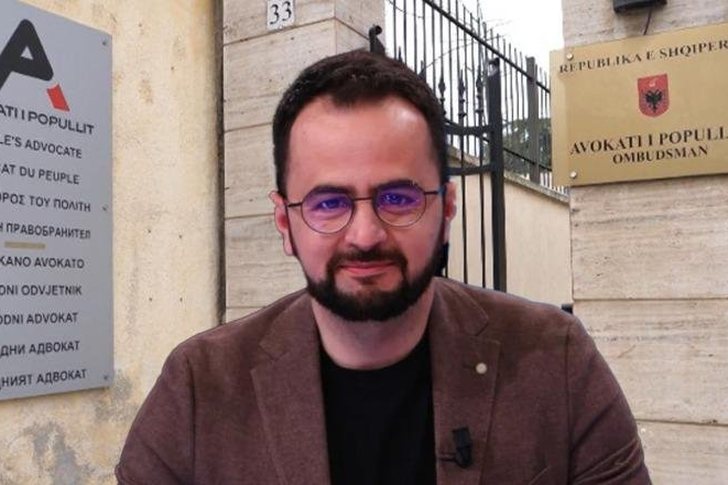
In the 1980s, the fashion for sleeveless dresses came into...

Once again about heroism and the collapse of the dictators...
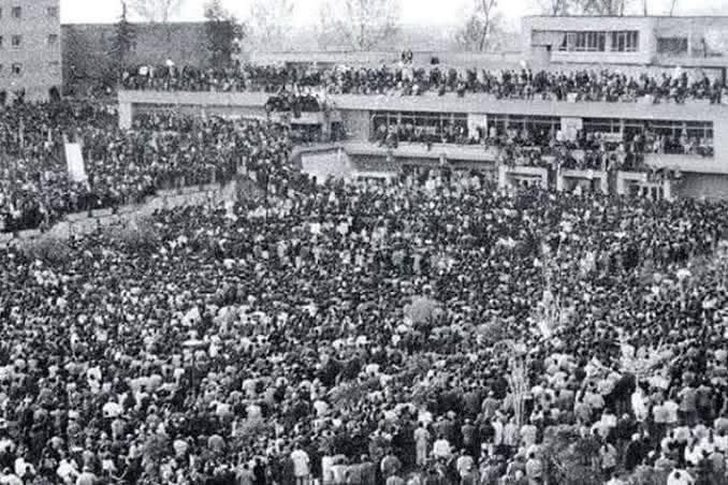
Albania marks today the 35th anniversary of the beginning ...
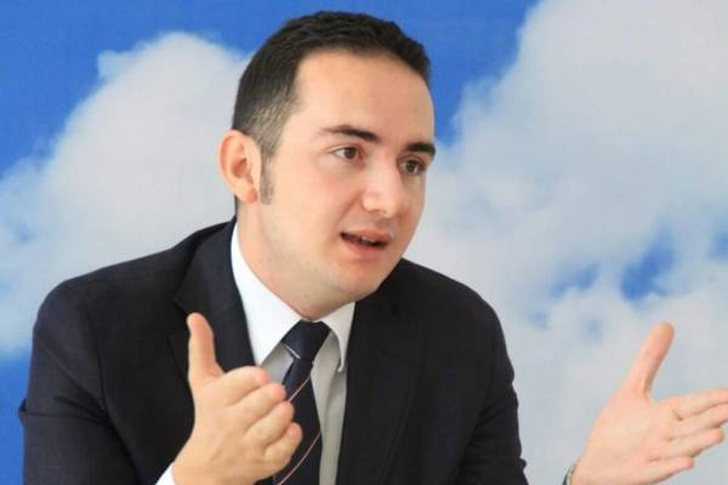
Once, with cynicism and black humor, Edi Rama sincerely be...
There have been 12 days of protests in the capital, which ...
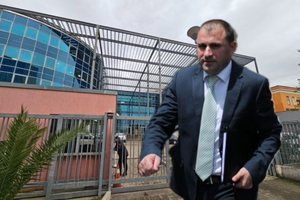
Dritan Prençi is the SPAK prosecutor who is sleeping on th...
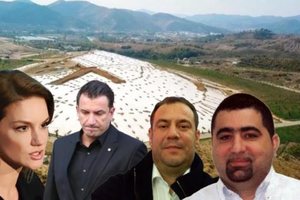
The in-depth investigations that SPAK conducted into Ajola...
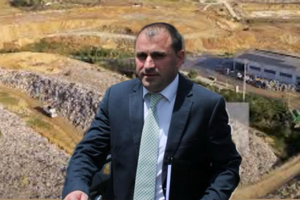
SPAK's standards, the way it investigates, how it secures ...

The Special Board of Appeal (KPA) decided this Monday ...

The KPA vetting decided this Thursday to dismiss the p...

Suela Salavaçi, a prosecutor in the Prosecutor's Offic...

The Special Board of Appeal reinstated the prosecutor ...
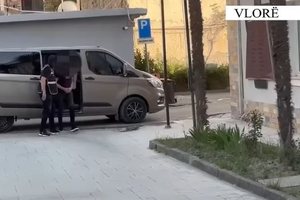
Policia e Vlorës ka finalizuar operacionin e koduar “Sigur...
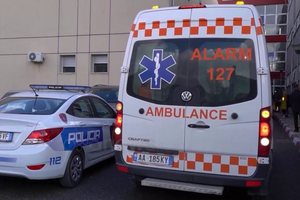
New details have emerged regarding the serious accident th...
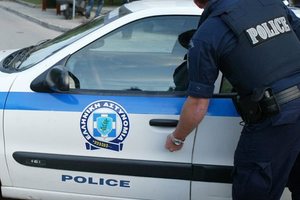
An Albanian businessman was arrested this afternoon in Gre...
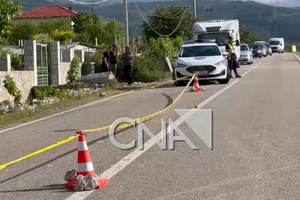
A serious accident has occurred on the Korça-Ersekë axis, ...
Today our country will be affected by stable weather condi...
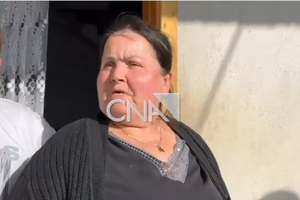
A tragic accident occurred this Friday afternoon in Kameni...

Today our country will be affected by unstable weather con...

On Thursday, our country will be affected by relatively un...
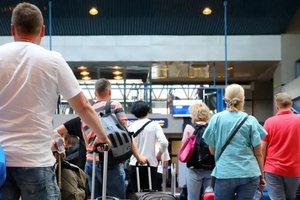
Good news for those who fly: After years of negotiations, ...
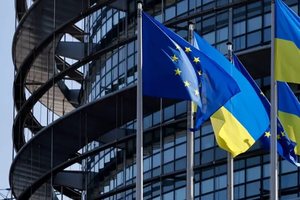
It took more than two years, but now the EU can begin acce...
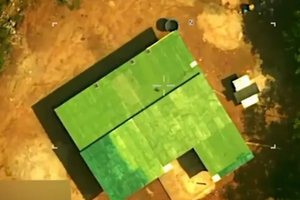
US President Donald Trump announced that the US military h...
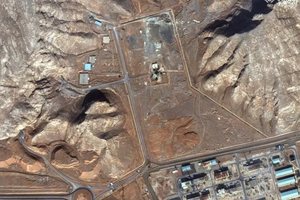
Iran has taken new measures to strengthen the protection o...
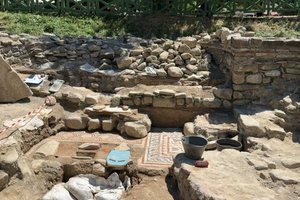
Several archaeological excavations conducted during this s...
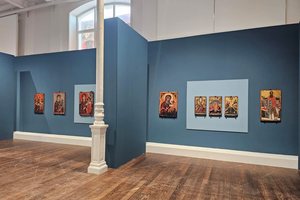
At the Museum of Fine Arts in Chambéry, France, an exhibit...
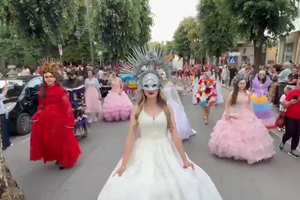
Korça has transformed this weekend into the capital of cel...
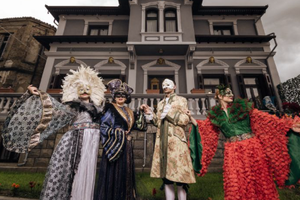
Korça is ready to open the summer season with one of the c...
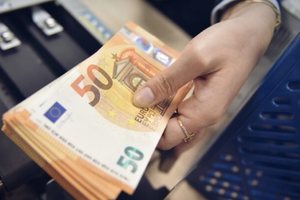
This Saturday, one US dollar is bought for 81.5 lek and so...
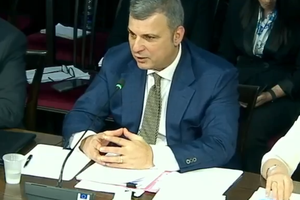
The Governor of the Bank of Albania, Gent Sejko, shared to...

Business lending has increased in the first half of this y...

The labor market has shown worrying trends in early 2026. ...