

Justice is not done with guns or men alone!
The first, in the photo, is American judge Frank Caprio, k...


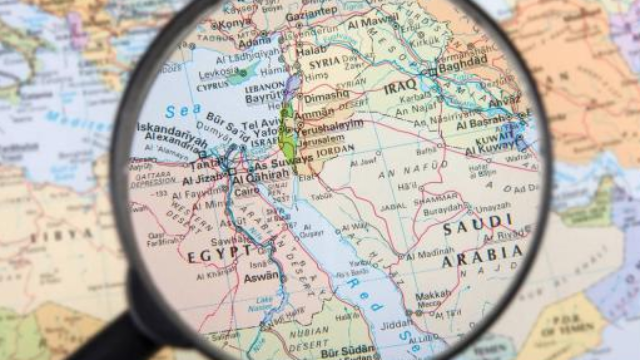
Two years ago, Hamas launched a terrorist attack on Israel, which responded with an unprecedented military campaign. The death toll is dramatic, the material damage is immense. The resurgence of the conflict has fundamentally changed not only Israel and Palestine, but also the dynamics and balance of power in the Middle East.
President Donald Trump has presented a roadmap for breaking the deadlock. The peace plan offers compromises for both sides. Hamas must hand over all Israeli hostages, disarm, and give up control. Arab countries will shoulder the burden of security and reconstruction in coordination with Israel. Israel has given up on annexing the West Bank and displacing Palestinians from Gaza. Gaza and the West Bank are recognized as part of the same political entity. Although it cannot be considered a done deal, the creation of a Palestinian state and the prospect of Israeli-Palestinian coexistence appear on the horizon.
Regardless of whether the plan put forward by President Trump is implemented, the effects of the two-year war will be felt for a long time for several reasons.
First, Israeli politics underwent a dramatic shift, shifting to the far right and becoming more hostile to the two-state solution. This is reflected in the expansion of control over Palestinian territories and the growth of settlements.
Prime Minister Benjamin Netanyahu survived the trials and popular protests as attention shifted to the war. However, he continues to be blamed for security failures. The governing coalition depends on far-right parties that oppose President Trump’s peace plan. For Netanyahu, the release of Israeli hostages from Hamas is important, as full implementation of the peace plan and the prospect of a Palestinian state on the horizon are beyond the imagination of the coalition he leads. Regardless of how events unfold, Netanyahu cemented his legacy by defeating Hamas, Hezbollah, and Iran.
Second , the political landscape in Palestine has changed radically. Hamas seems willing to hand over governance to a third party, but it rejects the proposal for an international trusteeship to oversee Gaza. Accepting external control runs counter to what Hamas claims to represent: “the liberation of Palestine.” Taking the reins from the Palestinian Authority is an option, with all the weaknesses it presents.
Third, as peace talks progress, neither Netanyahu nor the various political players in Palestine have clarity on the future governance of Gaza. The West Bank faces its own crisis, stemming from settlement expansion. 5 of the 21 ministers in Israel’s government are West Bank settlers, despite settlers making up only 5% of Israel’s population. Meanwhile, the Palestinian Authority is on the verge of collapse, unable to administer the West Bank.
Fourth, Israel’s demonstrated military superiority has led to a realignment of forces in the region. Iran’s influence has been reduced as a result of Israel’s devastating strikes, with direct consequences for Hamas in Gaza, Hezbollah in Lebanon, and the Houthi rebels in Yemen.
But there are also side effects. After the Israeli attacks on Qatar, Saudi Arabia signed a mutual defense pact with Pakistan, which possesses nuclear weapons. Egypt and Turkey are conducting joint naval exercises in the Eastern Mediterranean. These are clear warnings to Israel.
Finally, it must be acknowledged that the core of the Palestinian cause, or their right to self-determination, was marginalized by the Abraham Accords, brokered by President Trump in 2020, which aimed to normalize relations between Israel and the United Arab Emirates. The humanitarian catastrophe in Gaza and Israel’s attacks on Qatar call the Abraham Accords into question. The subsequent guarantees offered by President Trump to Qatar reflect his determination not only to preserve one of the greatest foreign policy achievements of his first term in the Middle East, but also to consolidate them through the process of normalizing relations between Saudi Arabia and Israel.
Clearly, President Trump's plan offers a unique opportunity to end one of the greatest conflicts the world has ever known. However, the choreography of implementing the plan and building trust among the actors involved remains essential to ensuring a lasting peace in the Middle East.

The first, in the photo, is American judge Frank Caprio, k...
Two words for those ignorant people who commented yesterda...
A serious event, perhaps the most serious in 35 years, occ...
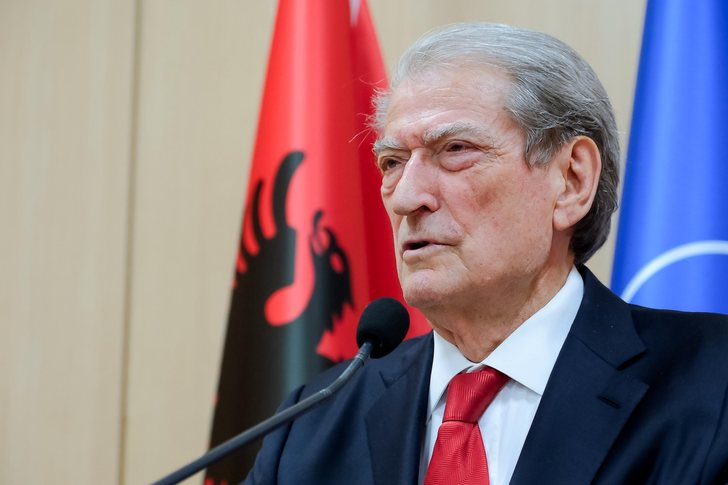
The masks fell. Politics is experience and principle! At...
Retrospective, August 1998. The Prosecutor General accuse...
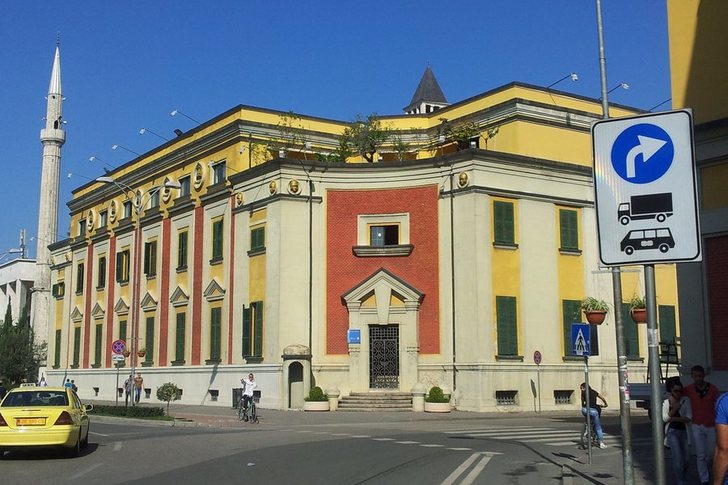
The race for the municipality of Tirana is not, in fact, a...

How is it explained that for over ten years the Democratic...

In politics, it is often said that leaders are born that w...
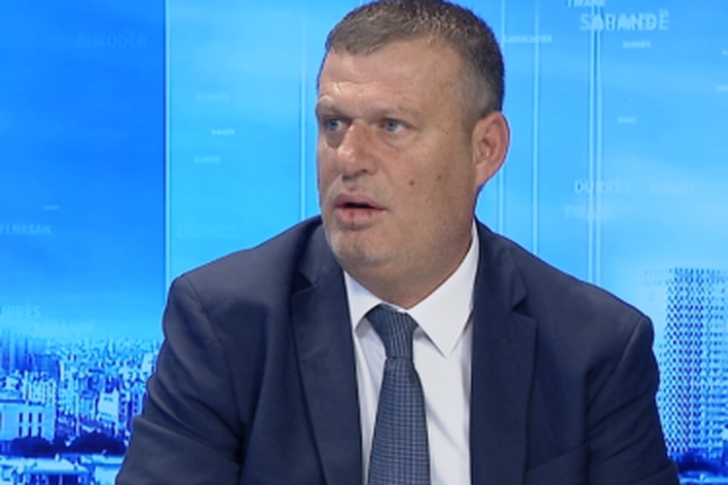
At the beginning of the week, the Assembly of the “Tirona”...
Young people who pledge to a different policy have not been ...
I would like to speak for myself, since I myself have expres...
by Iris BEQIRI September has started full of developments...

The United Nations has been in a difficult situation for s...
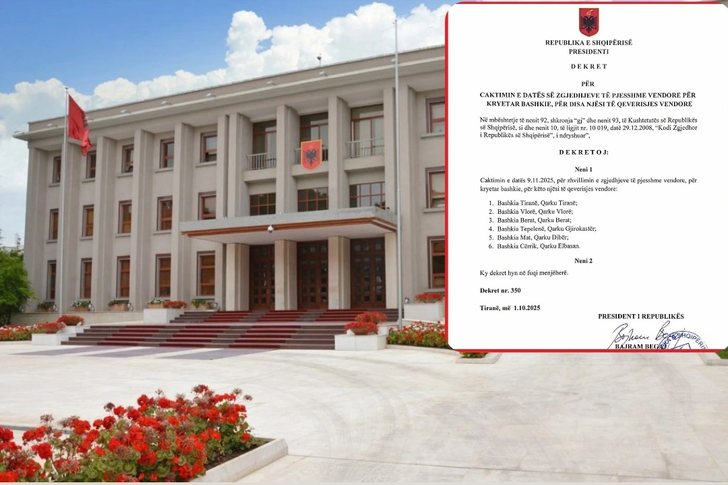
President Bajram Begaj's decree, published on October 1, a...
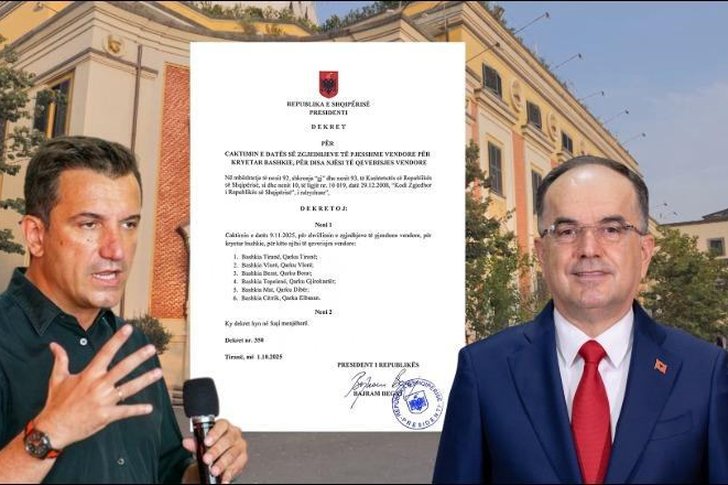
The decree of the President of the Republic for elections ...
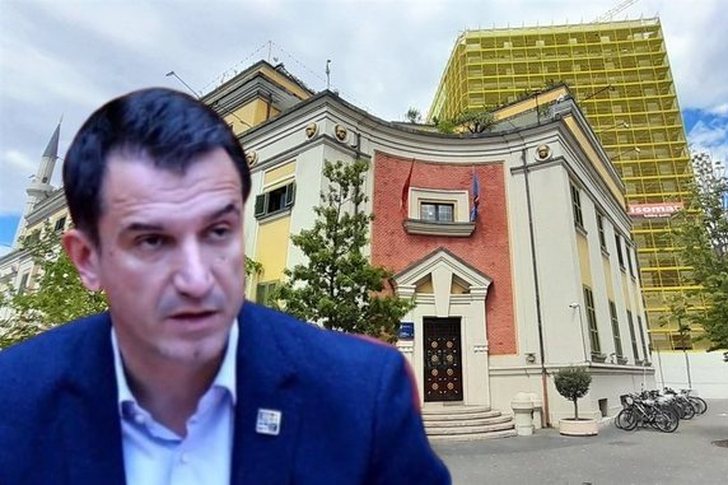
Erion Veliaj was dismissed based on Article 62 of the Law ...
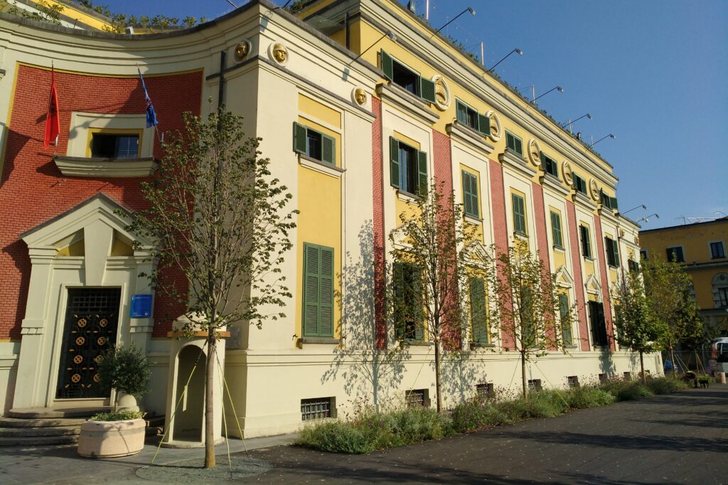
The elections for the Municipality of Tirana will never be...
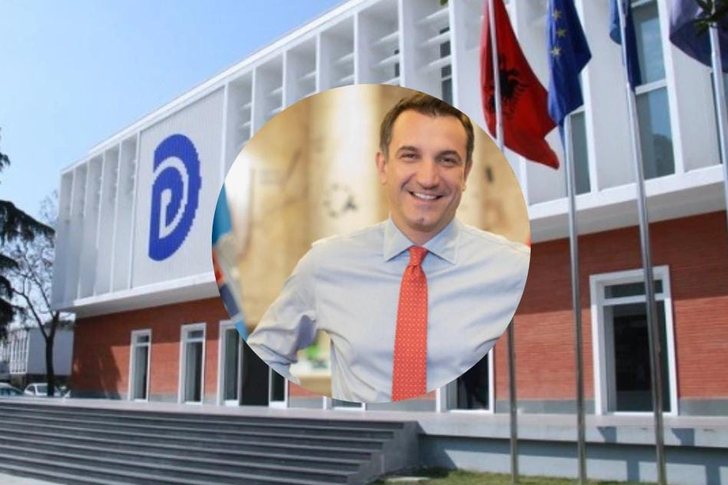
The Albanian opposition seems to be still unclear and has ...
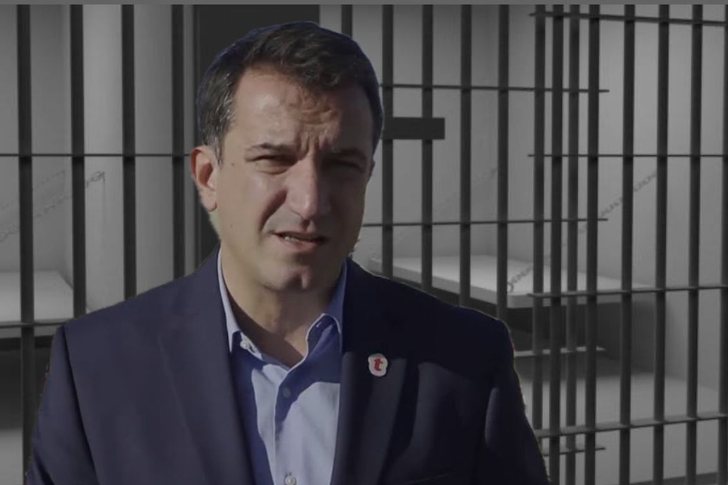
The intrigues surrounding the arrest and dismissal of Erio...
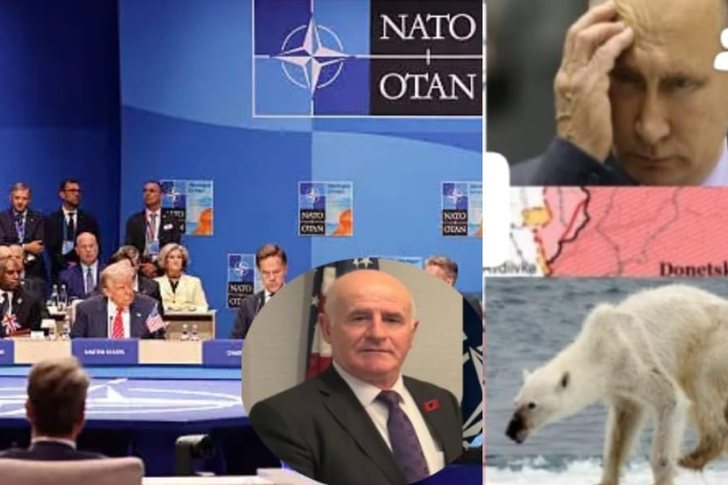
The brutal violations of Poland's and Estonia's air sovere...

The murder of officer Enea Mekolli in the line of duty has...

The next case broadcast on the show "Stop", this Thursday,...

The case published this Thursday, June 4, on the show "Sto...
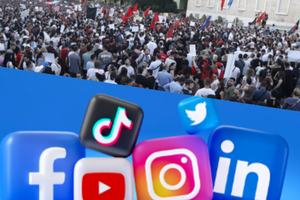
The protests of recent days related to the situation in Zv...

The Special Board of Appeal (KPA) decided this Monday ...

The KPA vetting decided this Thursday to dismiss the p...

Suela Salavaçi, a prosecutor in the Prosecutor's Offic...

The Special Board of Appeal reinstated the prosecutor ...

A money changer in Durrës lost 60 thousand euros after bei...
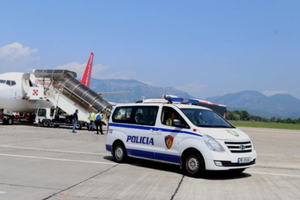
The 6 citizens captured in Dubai, members of criminal grou...

A serious accident occurred on the Kardhiq-Delvinë axis, i...

Authorities have conducted a large-scale anti-drug operati...

Today our country will be affected by stable weather condi...

For many children and teenagers, the long summer holidays ...

Albania is facing an unprecedented demographic transition,...

On Thursday, our country will be affected by unstable weat...
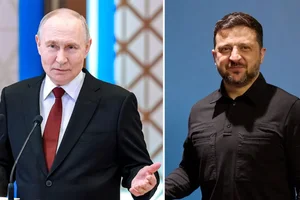
Russian President Vladimir Putin said the war in Ukraine c...
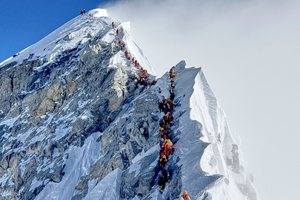
An extraordinary story of survival has been recorded in Ne...
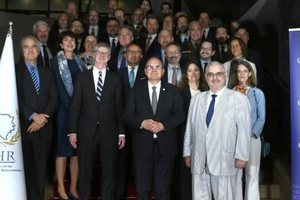
The Peace Implementation Council in Bosnia and Herzegovina...
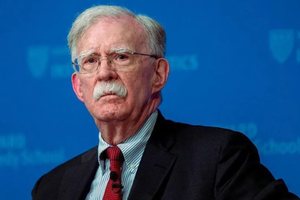
John Bolton, the former national security adviser to US Pr...

Korça is ready to open the summer season with one of the c...
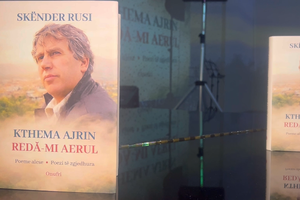
Two years after his passing, the renowned Korçë poet Skënd...

The Ethnographic Museum of Berat has opened its doors to v...
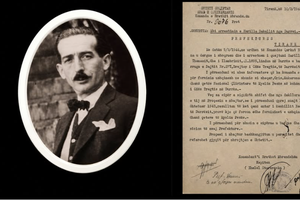
The story of Harilla Bakalli is one of the most chilling t...

Despite years of efforts at regional cooperation and free ...

Albania is the country with the highest level of severe ma...

This Friday, one US dollar is bought for 81.3 lek and sold...
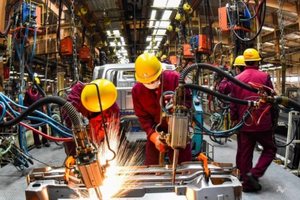
The government aims to transform the country's industrial ...