


Protected areas and the Zvërnec project/ What does the amendment approved by the EP say?
The European Parliament approved this Wednesday the progre...

The European Parliament approved this Wednesday the progre...
Politika shqiptare po përballet me një moment të vështirë, ku sfidat e mazhorancës dhe opozitës po bëhen gjithnjë e më të dukshme. Përmes disa qëndrimeve CNA, thekson se ndërsa qeveria përballet me konsumimin moral dhe politik pas më shumë se një dekade në pushtet, opozita vazhdon të vuajë nga mungesa e besueshmërisë tek qytetarët. Opozita nuk arrin të bindë se përfaqëson një alternativë më të mirë qeverisëse. Edhe pse sulmet dhe denoncimet ndaj qeverisë janë të vazhdueshme, mungesa e figurave të reja, e një projekti të qartë politik dhe e një vizioni bindës për të ardhmen e vendit e kanë vështirësuar rikthimin e besimit publik. "Qytetari kërkon më shumë se revoltë. Kërkon organizim, program dhe garanci se rotacioni nuk do të sjellë vetëm riciklim të emrave të njëjtë", thuhet në analizë. Nga ana tjetër, mazhoranca vazhdon të ruajë avantazhin politik jo vetëm përmes numrave në Kuvend, por edhe përmes kontrollit të ritmit të debatit publik. Sipas analizës pushteti ka aftësinë të imponojë agjendën politike dhe të menaxhojë perceptimin publik, shpesh duke devijuar vëmendjen nga skandalet apo akuzat për korrupsion. Një tjetër element i rëndësishëm i analizës është roli i SPAK-ut dhe drejtësisë së re. Hetimet dhe procedimet ndaj figurave të njohura politike kanë ndryshuar klimën në vend, duke sfiduar kulturën e pandëshkueshmërisë. Megjithatë, theksohet se drejtësia nuk duhet të përdoret si instrument politik dhe se standardet e dyfishta ndaj institucioneve të drejtësisë mbeten problematikë. Analiza ndalet edhe te proceset zgjedhore, duke ngritur shqetësime për pabarazinë e burimeve, ndikimin e pushtetit lokal dhe përdorimin e administratës si avantazh elektoral. Sfida nuk është vetëm zhvillimi i zgjedhjeve, por garantimi i një gare të barabartë dhe i lirisë së votës. Vlerësohet se kriza më e madhe e politikës shqiptare mbetet mungesa e përfaqësimit. Problemet që prekin drejtpërdrejt qytetarët, si pagat, emigracioni, kostot e jetesës, shëndetësia dhe arsimi, shpesh mbeten në periferi të vendimmarrjes politike. Sipas analizës, rënia e besimit tek politika dhe tek aftësia e votës për të prodhuar ndryshim përbën një nga sfidat më serioze për demokracinë shqiptare në vitet e ardhshme. Në analizë theksohet se politika shqiptare sot nuk zhvillohet vetëm në Parlament apo në seli partie. Zhvillohet në ekran, në portale, në rrjete sociale dhe në fabrikimin e narrativës. Kush kontrollon ritmin e informacionit, fiton terren edhe kur humbet në përmbajtje. Kjo e bën median jo thjesht pasqyrë të politikës, por pjesë të përplasjes. Pikërisht këtu lind detyrimi për gazetari më të ashpër, më pak dekorative dhe më pak të trembur nga pushteti. Në një ambient ku propaganda vishet si informacion dhe spin-i shitet si analizë, publiku ka nevojë për media që nuk ulin kokën para zyrës së shtypit./ CNA
5 artikuj për këtë temë.
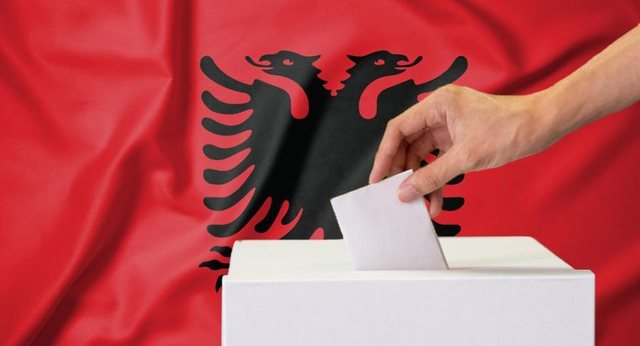
In Albania, elections are usually read as a duel of leaders. This is only half the truth. The other half, the most problematic, has to do with the administration of the process, with the inequality in resources, with the influence of local government, with the use of the state as an electoral advantage and with the deformation of the will through sophisticated pressures.
Therefore, any discussion of free elections must go beyond standard statements. The issue is not just whether people vote. The issue is how free citizens are when they vote, how level the playing field is between the contestants, and how credible the political counting of public will remains.
Here Albania continues to remain in a gray area. There are stronger formal procedures than before, but also more refined mechanisms of influence. So, yes, the system is more modern in appearance. This does not mean that it is fairer in content.
Underneath all the noise of the day lies a more serious problem: many Albanians do not feel represented. This is not simply dissatisfaction with a government or an opposition. It is something deeper. It is the conviction that politics constantly speaks on behalf of the citizen, but very rarely with his real problems.
Wages, immigration, the cost of living, health, education, property, delayed justice, poverty in the suburbs and the emptying of entire areas do not receive the weight they deserve in decision-making. They appear in speeches, but are lost in practice. When this is repeated for years, the citizenry either withdraws, or becomes radicalized, or leaves the country.
This is the most serious blow to Albanian democracy. Not just corruption, but the gradual erosion of trust that voting and participation produce honest change. When the system no longer convinces rather than listens, it begins to rule on public cynicism./ CNA

Albanian politics today does not take place only in Parliament or in party headquarters. It takes place on the screen, on portals, on social networks and in the fabrication of narrative. Whoever controls the pace of information gains ground even when they lose in content. This makes the media not simply a mirror of politics, but part of the conflict.
This is where the need for tougher journalism, less decorative and less afraid of power arises. In an environment where propaganda is disguised as information and spin is sold as analysis, the public needs media that does not bow to the press office.
This is why a media outlet like CNA, with a direct and critical profile, remains relevant in a terrain where many choose comfort over confrontation.
But even the media has its challenges. Speed ??often pushes analysis to the background. Clicking often tempts over substance. This is a daily battle and there is no simple solution. However, without insisting on facts and context, public debate remains hostage to noise./CNA
Asnjë analizë politike shqiptare sot nuk ka kuptim pa rolin e SPAK-ut dhe drejtësisë së re. Këtu është çarë për herë të parë një pjesë e murit të paprekshmërisë. Hetimet, arrestimet dhe dosjet ndaj figurave të fuqishme kanë ndryshuar klimën politike. Jo sepse sistemi është pastruar, por sepse elita politike e di se nuk është më krejt e sigurt.
Megjithatë, edhe këtu ka vend për realizëm. Drejtësia nuk mund të shndërrohet në alibi për politikën dhe politika nuk mund të fshihet pas drejtësisë për të larë duart nga përgjegjësia. Ka një tundim të fortë në të dy krahët: kur goditet kundërshtari, drejtësia shpallet heroike; kur afron te vetja, shpallet e kapur.
Ky standard i dyfishtë është pjesë e sëmundjes sonë politike, kryesisht e theksuar nga opozita, e cila në vend që të kapitalizonte punën dhe rezultatet e SPAK-ut, është vënë përballë duke e akuzuar edhe si grup të strukturuar kriminal. Po këto grupet e drogës, krimit, pastrimit të parave, zyrtarët e korruptuar kush i ka vënë përpara drejtësisë?
Për qytetarin, prova nuk është te spektakli i prangave. Prova është nëse hetimi prek zinxhirin e përgjegjësisë dhe nëse korrupsioni ndëshkohet përtej emrit të radhës. Shkon te pasuritë dhe punës i futet me themel. Inceneratori që nuk ekziston dhe krimet e gjobëvënia në media si pjesë e përgjegjësisë së SPAK-ut për hetimin e korrupsionit dhe shtrëngimit për dhënie pasurie, apo komplekset e SPAK-ut me pronarë të korruptuar mediash, përfitues nga aferat e korrupsionit, janë problem që duhet adresuar.
Ndryshe, kemi vetëm episode tronditëse, por jo reformim të kulturës së pandëshkueshmërisë dhe të barazisë përpara ligjit./CNA
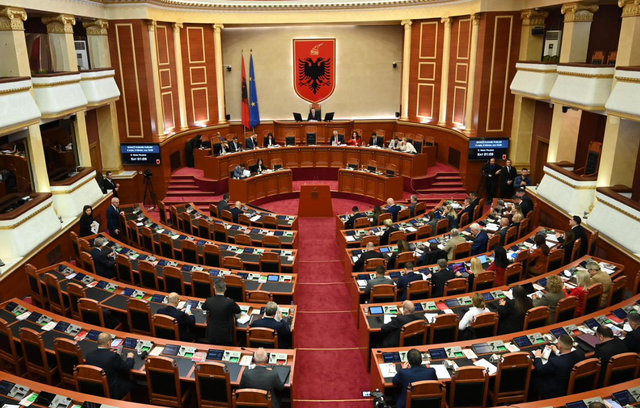
When it comes to Albanian political analysis today, the question is no longer who has the turn to speak louder in the studio, but who really bears the weight of decisions that affect the citizen. Politics in Albania is not suffering from a lack of statements. It is suffering from an excess of propaganda, from the consumption of figures and from an ever-widening gap between what is promised and what happens on the ground. We are not going into the scandals, affairs, corruption and many issues that in Albania are consumed like children once consumed “Fairy” candies.
This is the essence of the Albanian political moment. On the surface we have movements, conferences, clashes, arrests, investigations, temporary alliances and a fight for narrative.
Beneath the surface, there is a clear public fatigue, a crisis of representation, and a widespread sense that the system is moving primarily to protect itself. This makes the picture harsher than it appears on screen.
The majority continues to hold the main advantage, not only in numbers, but in control of the political rhythm. This is the real weapon of the government. It chooses when to open a topic, when to close it, when to produce news and when to drown the debate with another, stronger event. At this point, power in Albania is not only fed by votes. It is fed by administration, by centralized communication and by the ability to impose the public agenda.
The problem for the citizen is that this control does not automatically translate into better governance. On the contrary, it often becomes a defense mechanism against accountability. Every time a scandal breaks, attention is diverted to the opponent, to an old conflict or to a carefully pumped-up success. This is not efficient and transparent governance. It is perception management.
This is where the government's main contradiction comes in. On the one hand, it seeks to present itself as a force for stability, especially in front of international partners. On the other hand, domestically it bears the brunt of accusations of clientelism, institutional capture, political arrogance and lack of accountability. Stability, when not accompanied by standards, quickly turns into an excuse for not changing anything.
A large part of political power is not measured in the Assembly, but in the municipalities, in regional directors, in tenders and in the appointment system. That is where the connection between party and interest is created. On paper we have institutions. In practice we often have networks of influence that keep politics connected to the administration and the administration to the vote.
This is why any serious analysis cannot stop at the rhetoric of leaders. One must look at how power is distributed at the grassroots level and how it is used for electoral mobilization, pressure, or social control. This is the terrain where democracy is silently deformed and the government regains mandates and the opposition shrinks under the strain./CNA
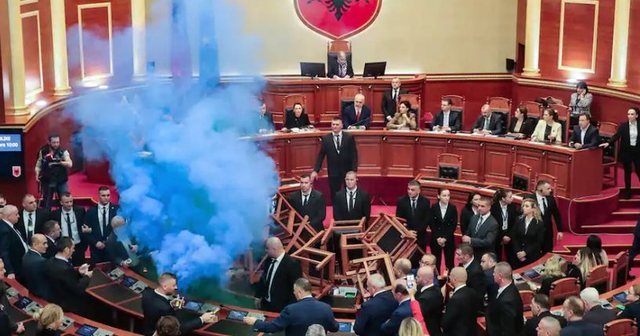
If the majority has the problem of moral and political exhaustion after 13 years in power, the opposition has the problem of credibility. It continues to attack hard, but does not always convince. And this is the most serious blow for an opposition that claims to come to power.
It's not enough to denounce the government.
You need to convince that you are the better, purer and clearer alternative, that you have a vision and strategy that will change the country, and beyond words, you also need personalities that will lead voters to the ballot box.
The opposition also sorely lacks names that make a difference to the government and restore credibility.
Today, the Albanian opposition remains fragmented between internal conflicts, the shadow of old figures, and the lack of a project that goes beyond mechanical opposition to the government.
There is anger, there are accusations, there is episodic mobilization. But the citizen demands more than revolt. He demands organization, a program, and a guarantee that rotation will not only bring recycling of the same names. Therefore, rotation becomes impossible when the voter sees it as hopeless recycling.
This is why the opposition often gains attention, but not automatically trust. In a country where voters have become skeptical, every contradiction, every back-channel bargain, every worn-out figure immediately diminishes credibility.
Today's opposition faces a brutal test; to convince that it is not simply anti-government, but pro-state. /CNA

Documents that incriminate Dritan Prençi ...
Veliaj through Arta Dade rejects Edi Rama'...
How the fraudster Irfan Hysenbelliu boycot...

Product abuse massacres the market and ste...
"Sidi education", the virtual assistant fo...
Contraband wines "crush" the Albanian mark...
The threads are revealed/ How Jet Bank is ...
Sokol Sadushi's bazaar with Mero Bazen and...

Veliaj files another lawsuit, alibi for de...

Which relative of Carlo Bollino and Erion ...
Sokol Sadushi's interim decisions/Internat...
Tirana Municipality Scandal/Hides official...
EXCLUSIVE/ What is happening in Durrës Pri...
Mero Baze and Veliaj attack Rama/Corrupt p...
Facts/ How Sokol Sadushi "raped" the Crimi...
Degradation of Veliaj's propaganda/ Attack...
https://www.cna.al/aktualitet/detaje-nga-operacioni-si-u-a...
What is happening in the QSUT?/ When hospi...
SCANDAL/ Agim Ismaili signed the tender fo...
KPP is violating national security/ IT pro...
Erion Isufi is the man known in the media as Lulzim Basha'...
There have been 12 days of protests in the capital, which ...
Dritan Prençi is the SPAK prosecutor who is sleeping on th...
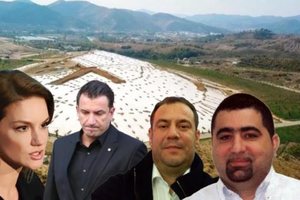
The in-depth investigations that SPAK conducted into Ajola...

The Special Board of Appeal (KPA) decided this Monday ...

The KPA vetting decided this Thursday to dismiss the p...

Suela Salavaçi, a prosecutor in the Prosecutor's Offic...

The Special Board of Appeal reinstated the prosecutor ...
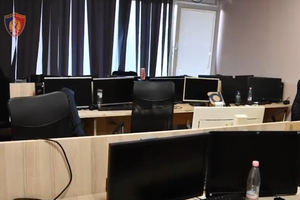
7 Albanian, Paraguayan and Angolan citizens are arrested a...
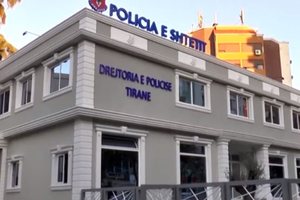
Criminal proceedings have been initiated against 16 protes...

SN, who was raped today with his wife near his apartment i...
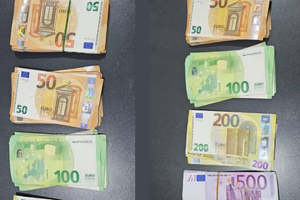
An operation carried out by Durres Customs in cooperation ...

On Wednesday, our country will be affected by relatively s...

Meteorologist Tanja Porja shared some predictions today re...
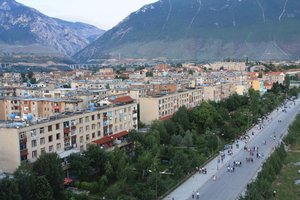
The large regions of Northern Albania are experiencing a s...

On Tuesday, our country will be affected by relatively sta...
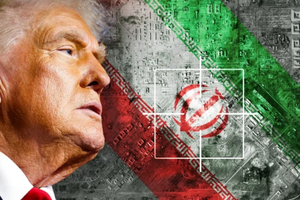
Just 2 days before the signing of the agreement, scheduled...
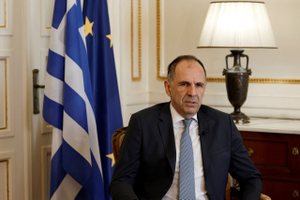
The Foreign Minister of Greece, Giorgos Gerapetritis, shar...
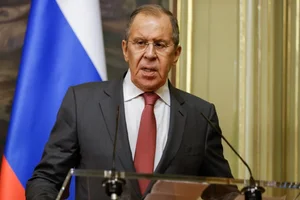
Moska mbështet marrëveshjen midis Shteteve të Bashkuara dh...
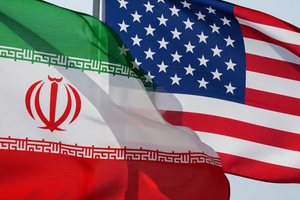
The US and Iran are expected to officially sign a memorand...
This Wednesday, the prominent actor of Albanian cinema, Gj...
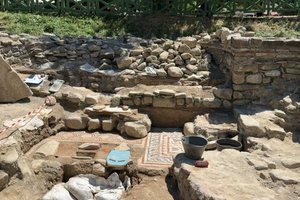
Several archaeological excavations conducted during this s...
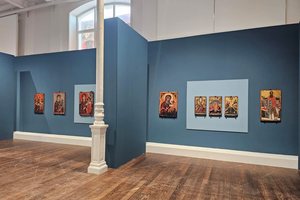
At the Museum of Fine Arts in Chambéry, France, an exhibit...
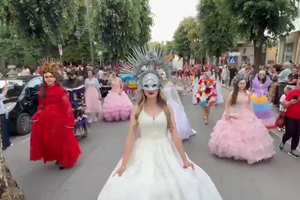
Korça has transformed this weekend into the capital of cel...
In 2025, eight EU countries recorded a current individual ...

The Albanian economy is facing a new increase in inflation...
Total revenues for the period January-May 2026 reached aro...

In a sector where the number of visitors continues to grow...