


Serious incident in Kukës/ Officer commits suicide with gun in village cemetery
A serious incident has occurred in Morina, Kukes. Citizen...

A serious incident has occurred in Morina, Kukes. Citizen...

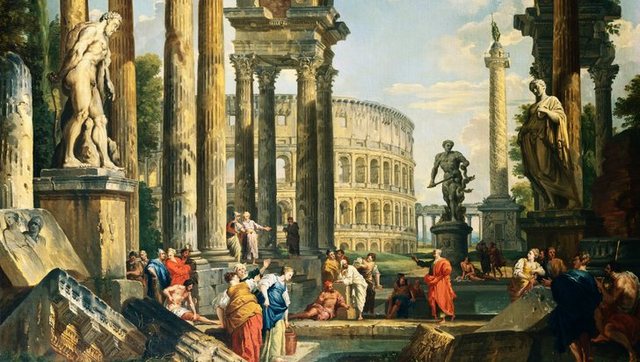
1. Foundation: Rome was founded on April 21, 753 BC according to legend. This date is still celebrated today as the Feast of Rome (Natale di Roma).
2. Romulus and Remus: According to Roman mythology, Romulus, one of the founders of Rome, was raised by a wolf, along with his brother Remus.
3. Roman Republic: Rome transitioned from a monarchy to a republic in 509 BC after the overthrow of its last king, Tarquinus Superbus.
5. The Senate: The Roman Senate was one of the most important institutions of the republic and had an advisory role for the leaders.
5. Punic War: Rome fought three wars against Carthage, known as the Punic Wars, lasting from 264 to 146 BC.
6.Latin: Latin, which was the language of ancient Rome, is the basis of many modern languages, including Italian, Spanish, French and Portuguese.
7. Pax Romana: The period of "Pax Romana" (Roman Peace) included a period of stability and peace that lasted about 200 years, from 27 BC to 180 AD.
8. Emperor Augustus: Gaius Octavius, known as Augustus, was the first emperor of Rome and declared the end of the republic and the beginning of the Roman empire.
9. The Colosseum: The Colosseum, built in the first century AD, was the largest arena ever built in the world and could hold up to 80,000 spectators.
10. Romanism: Ancient Rome faced a process called Romanism, where Roman culture and administration spread to the conquered territory.
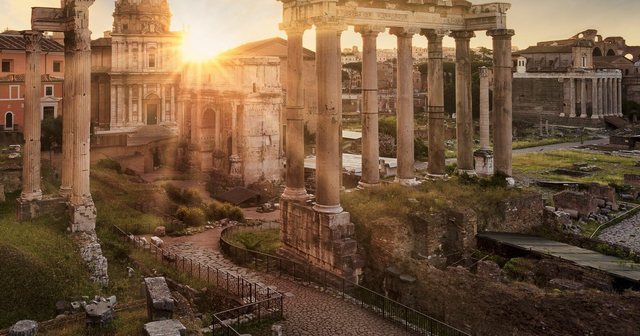
11. And urbanism: Roman road networks were quite developed, enabling the movement of soldiers and merchants. The Kriug Road contains many famous roads such as the Appian Way (Via Appia).
12. Roman Baths: Roman baths were much more than just places to wash; they were social centers where people exchanged ideas and information.
13. Aqueduct System: The Romans built a large aqueduct system to bring fresh water to the city, using aqueducts.
14. Critical and Heroic: The Romans created many temples to honor their gods, such as Jupiter, Juno, and Neptune.
15. Most Important Year: In 49 BC, Julius Caesar crossed the Rubicon, an act that marked the beginning of the Roman civil war.
16. Death of Julius Caesar: Julius Caesar was assassinated on March 15, 44 BC in a conspiracy organized by other senators.
17. Crime and Punishment: Roman law stipulated that severe punishments, including crucifixion, were common for the most serious crimes.
18. Roman Cults: The Romans had a complex cult system where they worshiped many gods and goddesses and believed that their help was necessary for the welfare of the state.
19. Ekuipazhi i Gladiatorëve: Gladiatorët ishin luftëtarë të trajnuar që luftonin në arena për argëtimin e publikut, shpesh ishin robër ose kriminelë.
20. Shkrimtarët romakë: Shkrimtarë të njohur romakë përfshijnë Virgjilin, Ovidin, dhe Horac, të cilët kontribuan ndjeshëm në letërsinë dhe kulturën romake.
21.Pendlennik": Rreth 158 të njohur në Romë vlerësohen si nëntë reprizë dhe janë të kufizuar.
22.Lutja dhe Rite: Romanët organizonin shumë festa dhe ceremonitë fetare për të nderuar perënditë dhe për të siguruar mbështetje nga ato.
23.Gladiatorët dhe Rrethi: Gladiatorët shpesh kishin një jetë të vështirë, por disa arritën të bëheshin të famshëm dhe të ngrisnin shumë përkrahës.
24. Kultura e Teatrit: Romakët e donin teatrin. Kjo përfshinte komedi, tragedi, dhe drama, shumë prej të cilave janë ende të njohura sot.
25. Rruga e Qytetit: Rrugët e Romës ishin të ndara me barriera dhe ishin të ndara nga kahu.
26. Qyteti i Rrethuar: Roma ishte e rrethuar nga mure dhe kishte shumë porta të mëdha që lejonin hyrjen dhe daljen nga qyteti.
27. Sistemi Monetar: Romakët ishin të njohur për krijimin e një sistemi të avancuar monetar, duke përdorur monedha si denari dhe aureusi.
28. Vendi i Qytetit: Roma u ndërtua rreth 7 kodrave, përfshirë Kodrën e Palatinës, kodrën e Kapitolinit dhe kodrën e Aventinit.
29. Qyteti Robtë: Njerëzit u bënë qytetarë romakë përmes një procesi të quajtur "civitas", që kishte si kusht përfitimin nga privilegje dhe të drejta.
30. Teatri dhe Arti: Romakët ishin të njohur për arkitekturën e bukur dhe ndërtimin e monumenteve dhe teatrove.
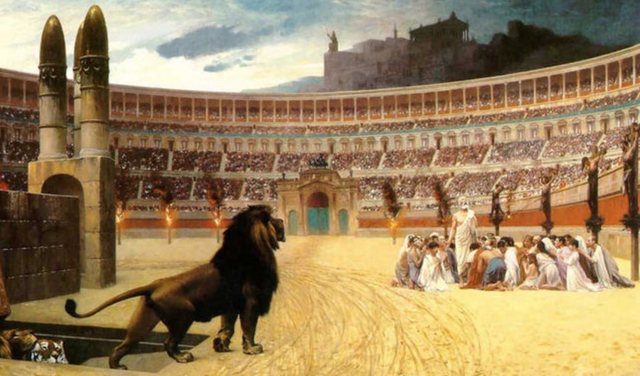
31. Periudha e Hellenizmit: Gjatë periudhës së Hellenizmit, kultura greke ndikoi në zhvillimin e artit dhe kulturës romake.
32. Planifikimi Urban: Roma kishte një sistem të planifikuar dhe të organizuar urbanistikisht, për të lehtësuar qarkullimin dhe jetesën e qytetarëve.
33. Dhenia e Emrave: Shumë nga emrat e qyteteve dhe vendeve të njohura sot janë të lidhur me Romën e lashtë.
34. Njohur për Kadijen: Një nga udhëheqësit e ashpër të Romës ishte Marku Antoniu, i njohur për lidhjen e tij me Kleopatran.
35. Gladiatorët: Gladiatorët shpesh luftonin njëri-tjetrin në arenë dhe ndonjëherë ishin të ushqyer dhe stërvitur për të arritur një nivel të lartë të aftësive.
36. Monumenti: Koloseu është një nga monumentet më ikonike të Romës dhe një simbol i kulturës dhe histori romake.
37. Parakushtet e Demokratizmit: Mënyrat e qeverisjes romake ishin themelore për zhvillimin e sistemëve demokratikë modernë.
38. Rrethimi i Romës: Në vitin 410 pas Krishtit, Roma u sulmua nga vizigotët, duke shënuar një nga momentet më të rëndësishme në rënien e Perandorisë Romake.
39. Kush ishte Arka: Arka e Gjykatës Romake ishte një strukturë e rëndësishme që përfshinte disa funksione administrative dhe gjyqësore.
40.Lugina e Romës: Roma ndodhet në lumin Tiber, i cili luajti një rol të rëndësishëm në zhvillimin e qytetit dhe tregtinë.
41. Roman Clothing: Romans wore togas as a symbol of citizenship, and other clothing was common for merchants and soldiers.
42.Government and Law: The Justinian Code was one of the most popular codes of justice and influenced the development of legal systems in Europe.
43. Persecution of Christians: In the first centuries of Christianity, many Christians faced persecution for their beliefs.
44. Roman Philosophy: The philosopher Seneca and Marcus Aurelius were some of the famous Roman thinkers who contributed to Stoic philosophy.
45. Dance and Music: Music and dance were an important part of Roman festivals and cultural events.
46. ??Engineering Developments: The Romans were known for building aqueducts, roads and intricate construction that are still popular today.
47. Politics and Science: Julius Caesar had a great influence on the history of Rome and on the development of Roman politics.
48. Roman Map: The map of Rome and its trade networks showed an extraordinary organization and developed administration.
49. Feasts: Roman feasts were known for food, music and entertainment, creating connection and community.
50. Tiber Island: Tiber Island in the river was known for its important place in Roman history and for the construction of temples and monuments./CNA


Have you ever wondered why oranges are often sold in t...
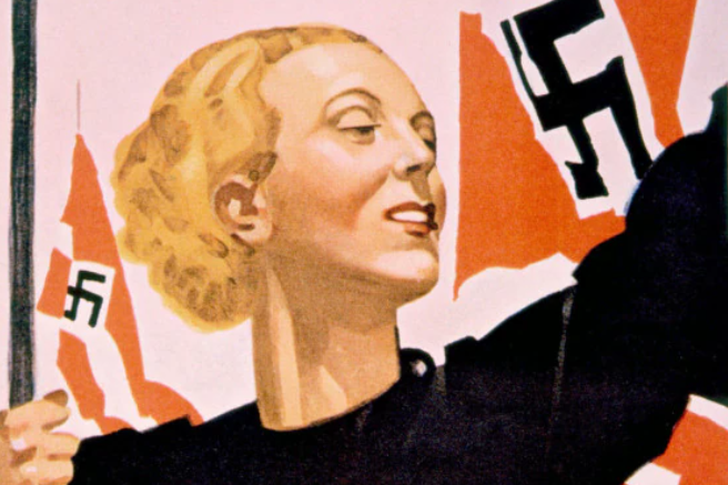
Hitler and his hierarchs, despite having very traditio...

An investigation of human skeletons from the 17th-century ...
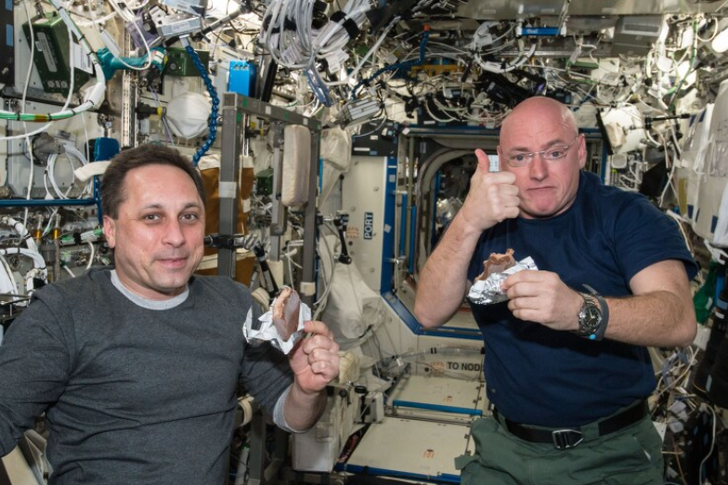
Some astronauts emphasize this: the food in space is o...
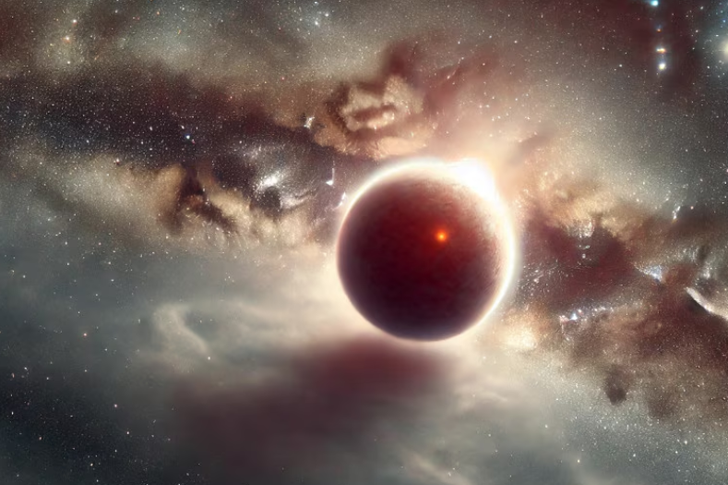
A group of astronomers discovered an extraordinary obj...

In general, spiders are not dangerous. There are 45,000 sp...
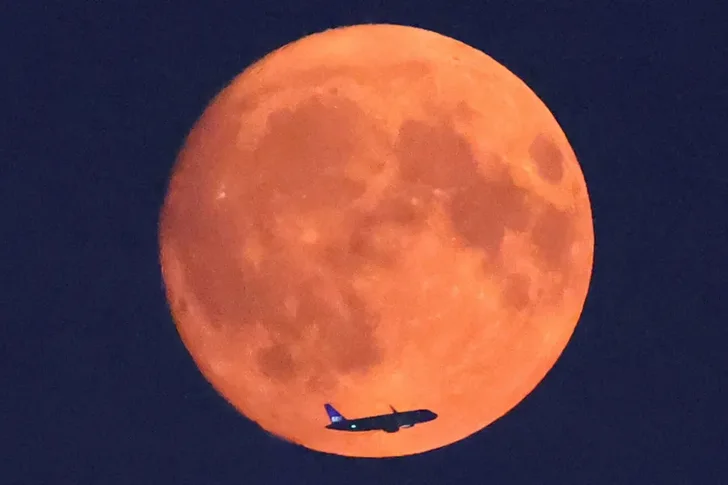
Yesterday evening the giant blue moon appeared, an ext...
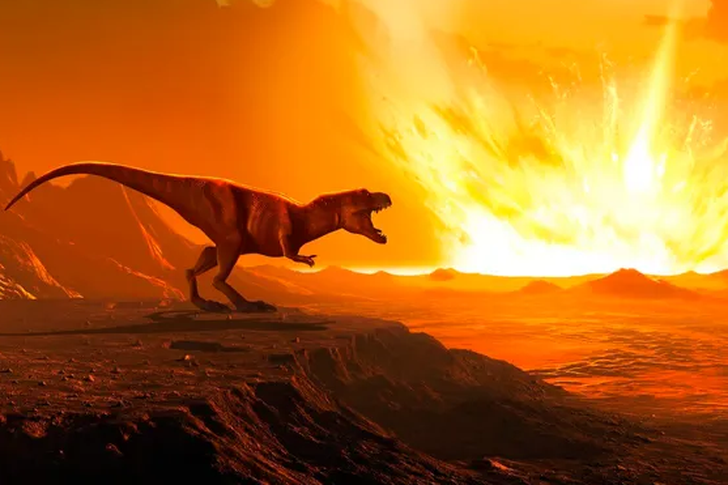
When an asteroid hit the Gulf of Mexico 66 million years a...

Hair loss is a problem that causes concern, even in some c...
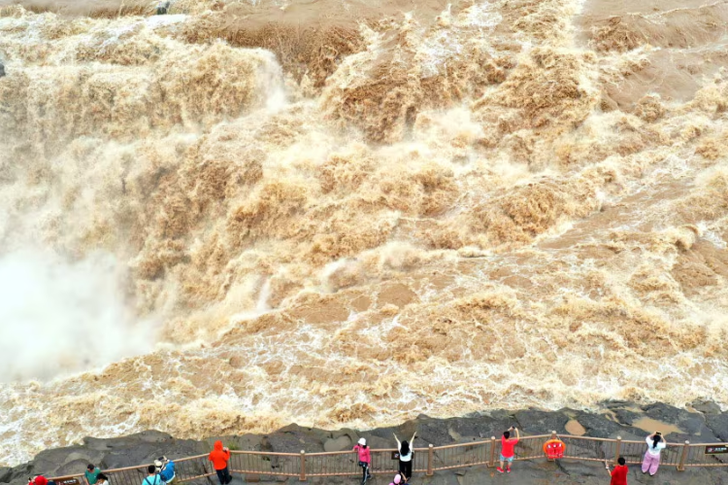
Perhaps the photos partly convey the idea of the spectac...

The habit of pilots not to wear beards responds to a r...
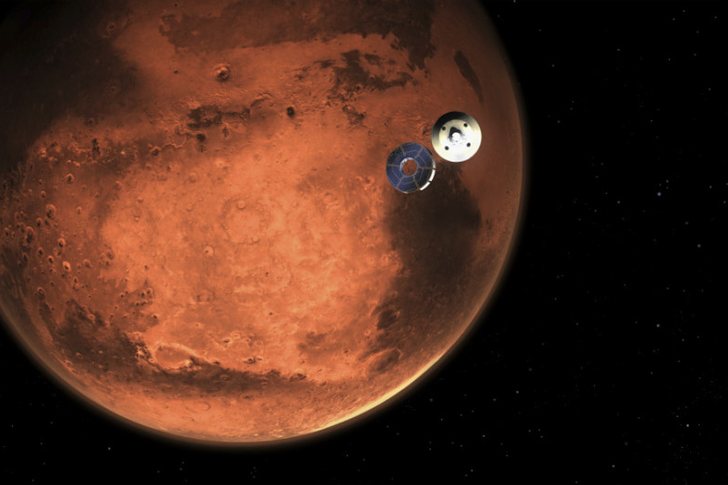
There is a possibility that a large reservoir of water...
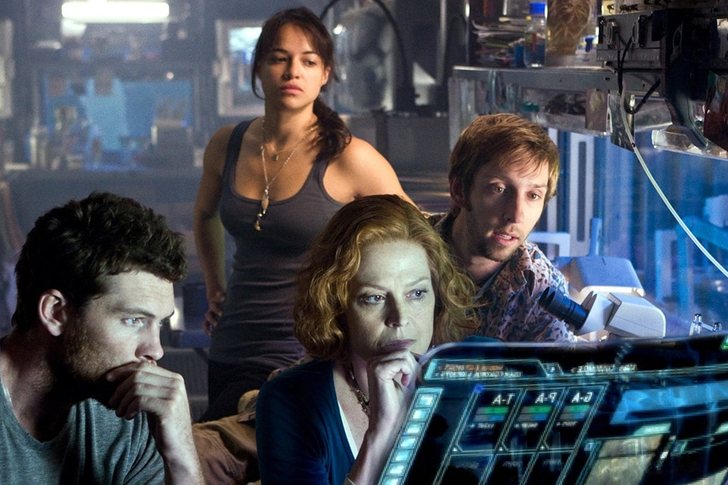
Director James Cameron has announced the title of his new ...

A new study has found that teenagers who use their smartph...

Packaged greens are a grocery list staple for a reason. Th...
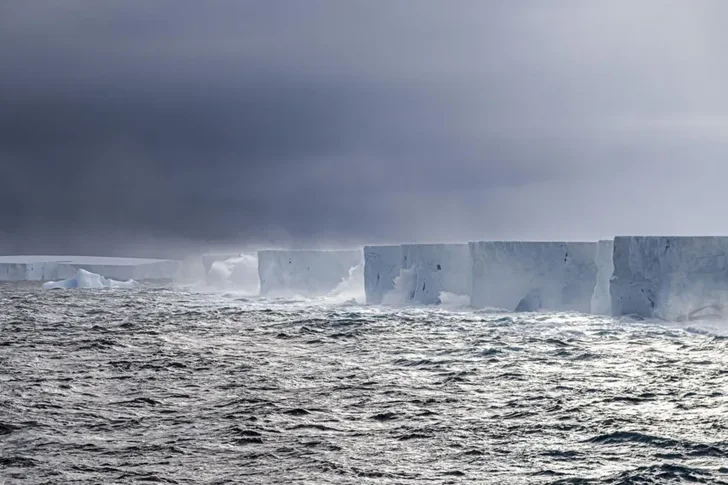
Something extraordinary has happened to "A23a", the larges...

A mysterious monolith was discovered again in the moun...

Sweat is necessary for the body. It is not a bad sign at a...

Smelling stress in humans affects dogs' emotions and can c...
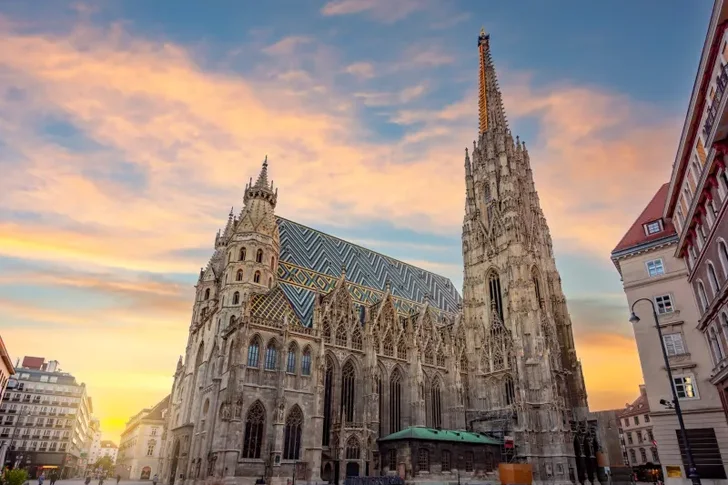
Vienna has been declared the best city in the world to...

CNA has launched another investigation that could lead to ...

Irfan Hysenbelliu is a businessman that we call "Irfan the...

In March 2026, CNA launched another investigation centered...
The arrested mayor of Tirana, Erion Veliaj, with 13 charge...

The Special Board of Appeal (KPA) decided this Monday ...

The KPA vetting decided this Thursday to dismiss the p...

Suela Salavaçi, a prosecutor in the Prosecutor's Offic...

The Special Board of Appeal reinstated the prosecutor ...
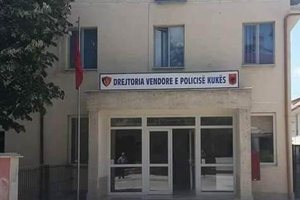
A serious incident has occurred in Morina, Kukes. Citizen...
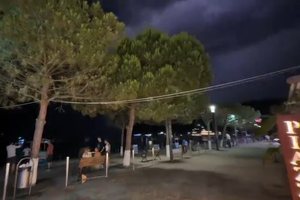
The bad weather that swept the country on Tuesday evening ...

A road accident occurred this evening on Nikolla Zoraqi St...

Three people were shot and wounded in Elbasan last night b...

This Wednesday, our country will be under the influence of...
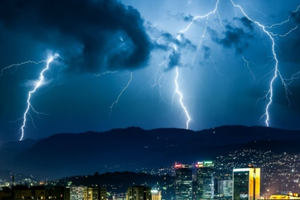
All of Southern Europe will face changing weather conditio...
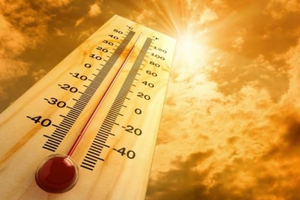
Albania was hit by temperatures significantly higher than ...
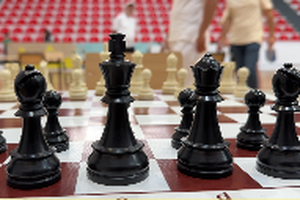
For the first time, Pogradec welcomed the Inter-Lake Chess...

Prime Minister Andy Burnham has announced that most bus fa...

France's parliament has passed a law to ban social media f...

US Secretary of State Marco Rubio arrived in Manila on Jul...
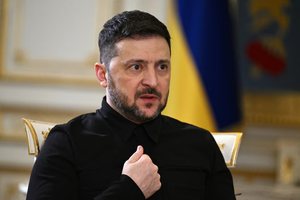
In the space of a few days, Ukrainian President Volodymyr ...

At a time when industrial products are increasingly taking...

Trust among people is not just a three-syllable word. It c...

Master of humor Todi Llupi has passed away at the age of 7...

The ninth edition of "MIK Festival" kicked off with one of...

Businesses will no longer be required to simply register t...

Despite economic growth and income in recent years, Albani...

This Wednesday, one US dollar is bought for 81.4 lek and s...

Construction company licenses will have a validity period ...