

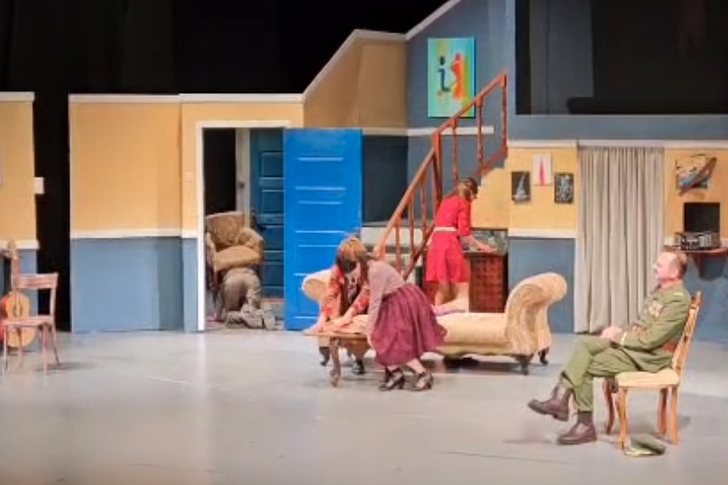
Koko Fest closes amid emotions and triumph of artists in Korça
After seven nights filled with humor, emotions and art, th...


The traces of Tirana as a settlement are ancient and date back to the ancient period. Among its oldest monuments is the castle built during the reign of Justinian (527-565).
Likewise, constructions and reconstructions made by the Byzantine emperors are also the castles and fortresses of Dajti, Shëngjin, Tujani, Petrela, Ndroqi, Lalmi, etc. Meanwhile, as other monuments of this time located around Tirana, several former cult objects are also mentioned. Destroyed by time and abandonment, they would be discovered mainly through accidental finds, to be studied later by archaeologists.
Such are the ruins of the churches of Prush, Brar, Linza and Mullet .
But let's look at these medieval objects one by one. Thus, in 1975, the ruins of an old church were accidentally discovered in a place called ''Church Hill'', in the village of Prush in Kombinat. Other objects were also found near its remaining walls. These included several tombs, worked stones, bricks, tiles, a small marble column, a round base, a marble slab with an inscription, a piece of stone slab, etc. Meanwhile, the marble slab was of particular interest. According to archaeologists, it belonged to the 4th-5th centuries and had a dedicatory inscription, below which was engraved a cross carved in relief measuring 30 x 18.5 cm.
Likewise, a second small cross was carved at the beginning of the first line of the inscription, from which epigraphers would read the text: ''In this place rests as a good memory Andreas ... ''. While the fourth line would remain undeciphered. This slab, the small marble column, the round base, part of the stone slab and a complete brick, are preserved in the funds of the Archaeological Museum in Tirana. Meanwhile, by chance, the ruins of the church of ''Saint Mary'' in the village of Brar would be discovered in 1981. Archaeological excavations would result that the object belonged to a single-nave church built of stones bound with mortar. Once covered with a wooden roof, this shrine consisted of a nave measuring 16 x 8 m, a narthex measuring 8 x 5.36 m and a bell tower. But the most valuable discovery in its ruins would be a monumental tomb located in the northeastern part of the narthex.
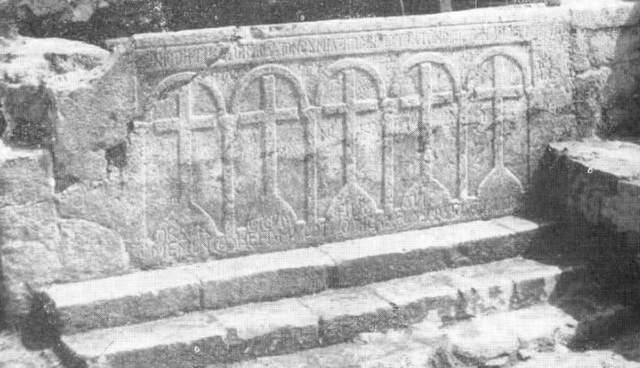
Objekti ishte ndërtuar mbi një varr tjetër më të vjetër dhe ngrihej mbi një bazament prej tre shkallësh. Ai mbështetej në murin e kishës dhe kufizohej anash prej një sofati dhe një pllake guri gëlqeror. Kurse në të dy anët e murit mbështetës ishin vendosur dy pilastra, midis të cilave ngrihej një nike e stilizuar e pikturuar me afreske. Por pjesa më me interes e këtij varri monumental ishte pllaka anësore, në të cilën ishte gdhëndur në reliev një harkadë prej pesë harqesh, brenda të cilëve ndodhej nga një kryq. Ndërsa në të katër këndet e këtyre kryqeve ishte gdhëndur monogrami i Krishtit.
Sipas të dhënave epigrafike këtu ishin varrosur pesë persona, anëtarë të familjes fisnike Zguro, vdekur njëherësh dhe në rrethana të panjohura.
Do të ishin dy mbishkrime në gjuhët greke dhe latine, gdhëndur në pjesën e sipërme dhe të poshtme të pllakës, që dëshmonin një fakt të tillë. Kështu, në mbishkrimin e parë dedikues në greqisht, ishte vendosur edhe data e llogaritur sipas kalendarit bizantin, që korrespondonte me vitin 1201. ‘’Kujto o zot shërbëtorin tënd sevastin Mihal Zguron me bashkëshorten e tij dhe fëmijët. Viti 6709, indikti 10’’, shkruhej në të. Ndërkohë në pjesën e poshtme ishte gdhëndur në gjuhën latine përkthimi i mbishkrimit të parë por pa datë. Gjatë gërmimeve arkeologjike dhe restaurimit të monumentit, në naos dhe muret e narteksit, u gjetën edhe një sërë fragmente afreskesh të dëmtura, me mbishkrime greke dhe latine. Nga studimi i tyre u evidentuan dy skena të njohura të pikturës ikonografike, si ajo ‘’Deisis’’ dhe ‘’Dasma në Kanë’’. Skena e parë që përfaqësonte edhe pikturën më të vjetër të kishës, sipas arkeologëve ‘’ … ishte me teknikë bizantine, por me frymë perëndimore’’. Po kështu, arkeologët dhe restauratorët, evidentuan edhe disa faza të ndërtimit të kishës dhe të pikturimit të afreskeve. Prej konkluzioneve të nxjerra, rezultoi se kisha e ‘’Shën Mërisë’’ duhet të ishte ndërtuar në shek. X-XI, ndërkohë që shtresa më e vjetër e pikturës së saj i përkiste fundit të shek. XI . Më pas ky objekt do ti nënshtrohej disa rikonstruksioneve ku do të kalonte edhe disa faza pikturimi. Një gjë e tillë do të kostatohej te afresket, mbishkrimet latine të së cilave dëshmojnë se kjo kishë do ti shërbente më pas ritit latin. Një gjë e tillë mund të ketë ndodhur diku pas gjysmës së dytë të shek. XII, për të vijuar deri në mesin e shek. XVII, kohë kur kisha duhet do të braktisej për shkak të kthimit të banorëve në fenë islame (9). Por në këtë zonë, në Linzë, ruhet një pjesë e rrënojave të kishës së dikurshme të ‘’Shën Mërisë’’, shpallur si monument kulture në vitin 1970.
Despite the fact that there is no proper study about this object, from the age of the remains we can judge that we are dealing with another church from the medieval period. Meanwhile, another monument from the Byzantine period is the paraclese called by the locals as ''Kisha e Manxharës''. Located near the Tirana-Elbasan motorway, in Mullet, opposite the Petrela castle, the object must have been built sometime in the 13th-15th centuries. From it, the lower part of the walls is preserved, within which part of the masonry and the vault have fallen. The church, whose name has remained unidentified, once consisted of a single-nave paraclese, with a rectangular plan and a circular apse on the eastern side. The object was built with pumice and river stones bound with mortar, a technique that is found according to researchers in the field in late Byzantine churches. Meanwhile, the lower part of the southern wall consists of bricks placed in a regular shape. Likewise, bricks were also used as material for the construction of the upper leveling row of the wall, exactly where the vaults covering the church began. This building had only one main entrance on the west side and a small light window in the middle of the apse.
These were some of the cult monuments of the Byzantine period in Tirana. From this time, the names of the villages Shëngjergj, Shëngjin, Shënkoll, Pashkashesh, Shërmi, etc. have been preserved to this day.
Likewise, a series of other medieval church buildings, identified by archaeologists in Bovilla, Priska e Vogël or Priska e Madhe, await excavations and extensive studies. Meanwhile, it should be noted that the oldest archaeological monument of the capital, the ''Tirana Mosaic'', is not a literal mosaic as noted in guides, road maps and various promotional publications. In this case, we are dealing with nothing more than the mosaic of the floor of a church from the Paleochristian period, from the 4th century. It is precisely this building that is considered one of the oldest churches ever built in the territory of Albania.

After seven nights filled with humor, emotions and art, th...
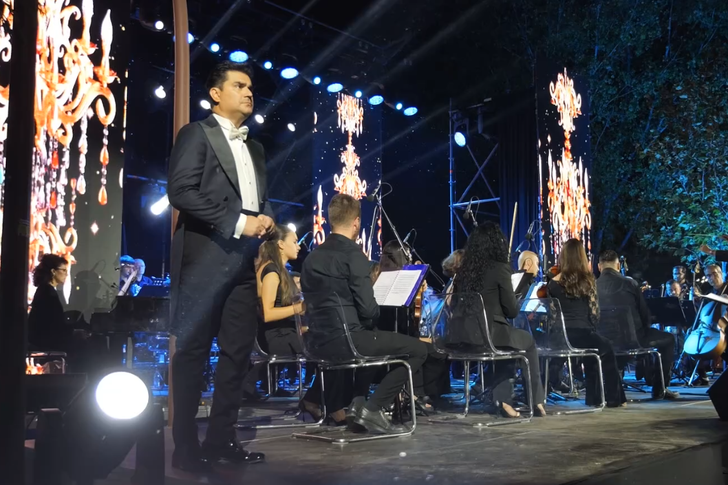
Shiroka was filled with emotions and high musical art duri...
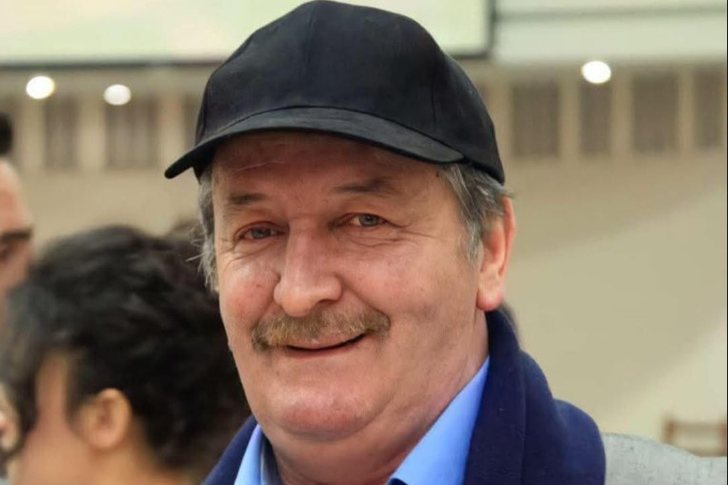
The Korçë serenader Astrit Koçibelli passed away today. T...
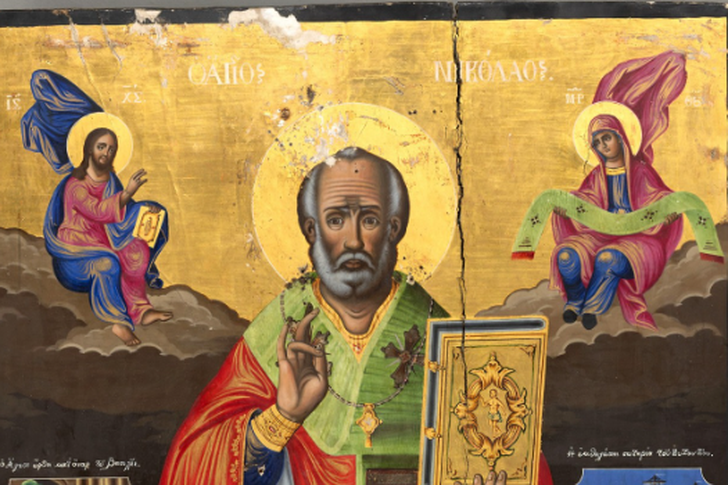
The "Saint Kolli" icon will soon be fully restored. This ...
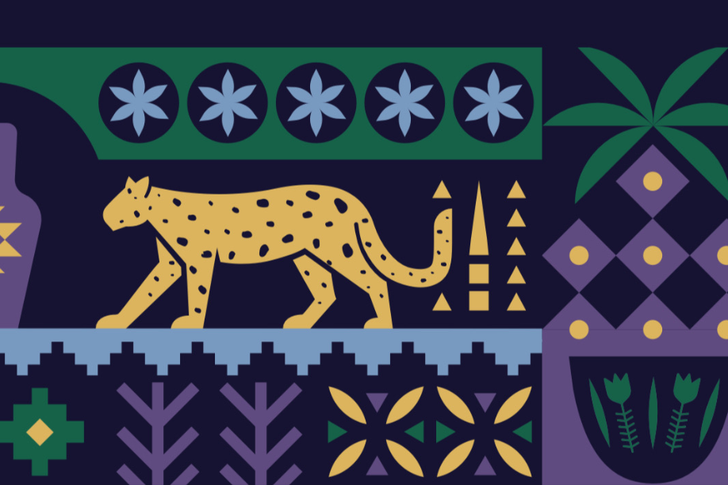
On September 16-20, the Saudi Cultural Week in the Republi...
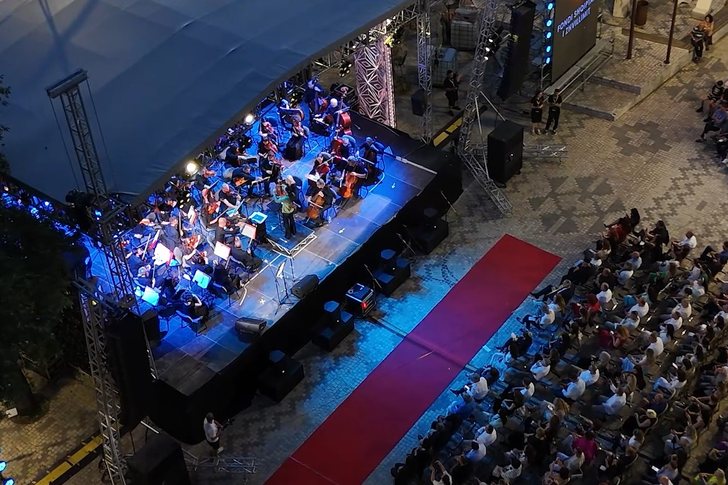
For the first time, the children's choir of the "Kujtim Al...
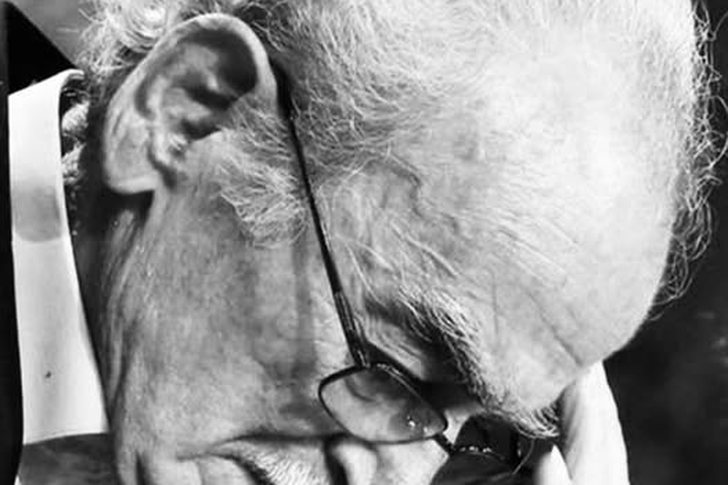
Tributes are being paid to director Dhimitër Anagnosti in ...
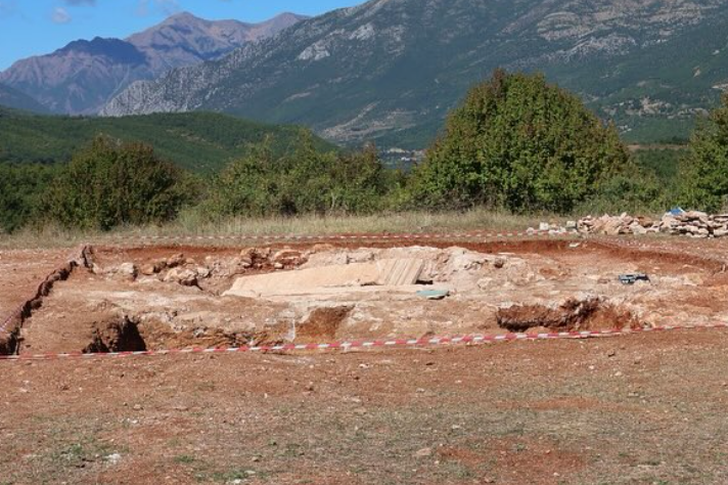
A rare archaeological discovery has been made in the villa...
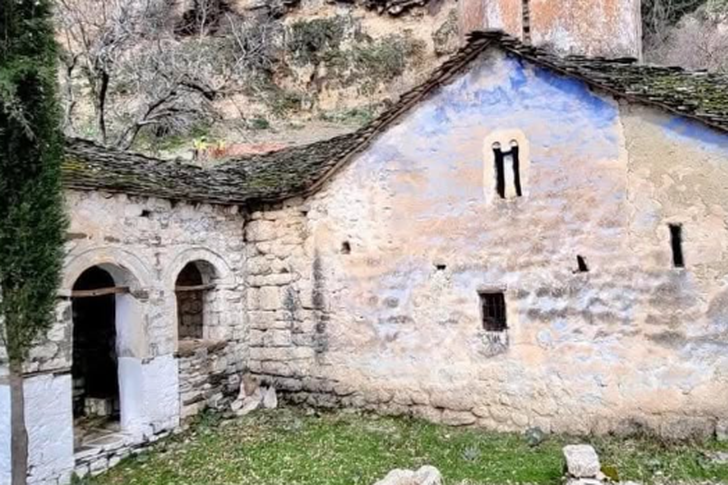
Lunxhëria is an ethnographic region that lies in the western...
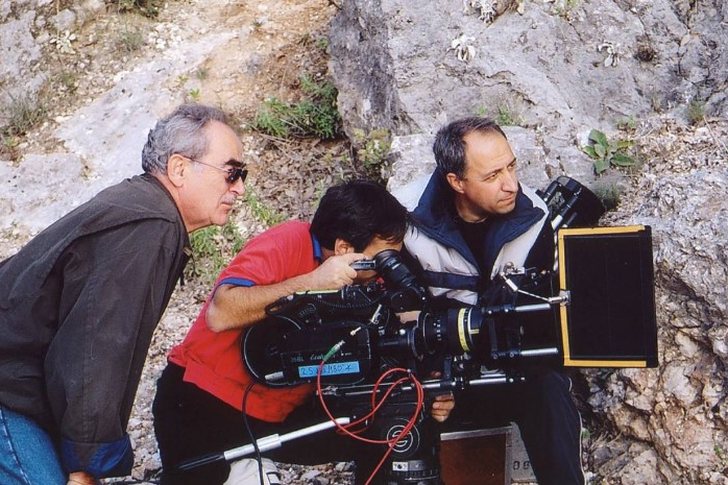
Renowned filmmaker Dhimitër Anagnosti, one of the greatest...
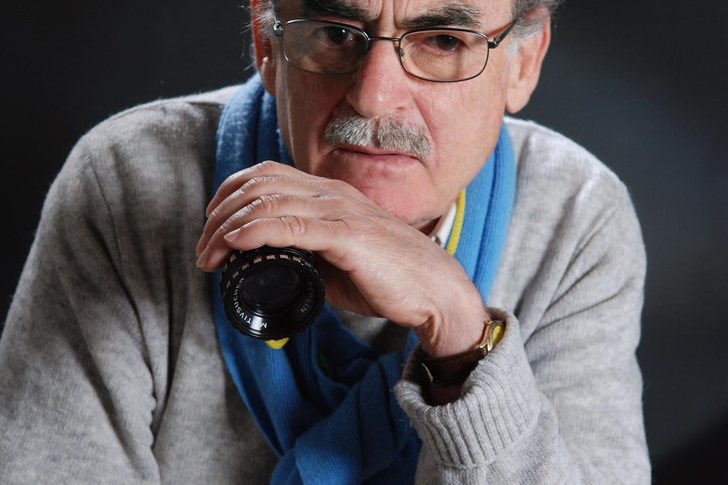
Renowned director Dhimitër Anagnosti has passed away at th...
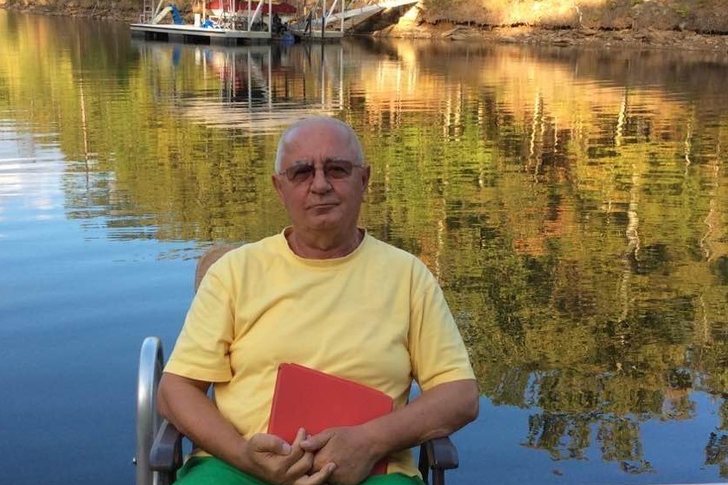
It happened a few years ago, I remembered it today, I ...
This weekend, the International Documentary Festival is be...
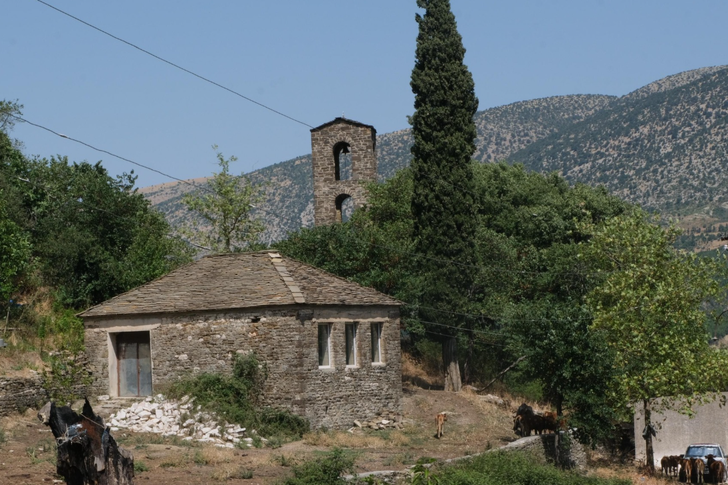
In the south of Albania, at the foot of Mount Dhembel, hid...
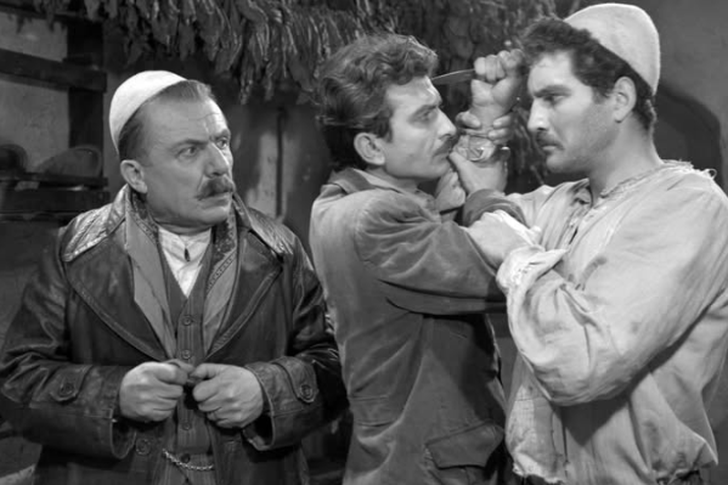
In the history of Albanian theater, few figures have left ...
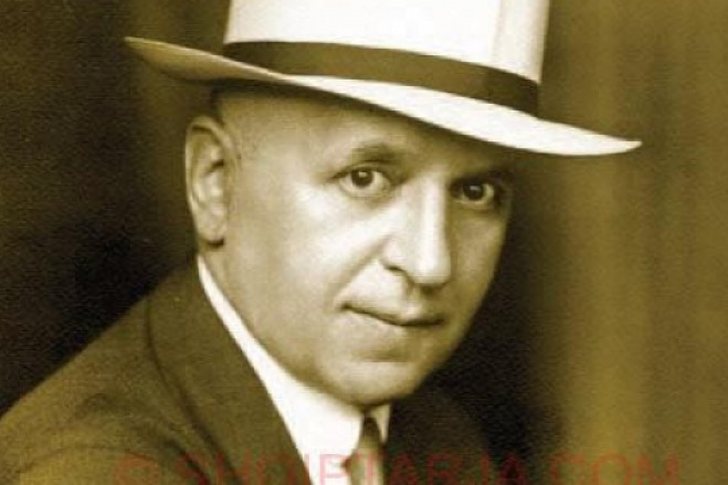
In January 1914, when Prince Vidi was preparing to come to...
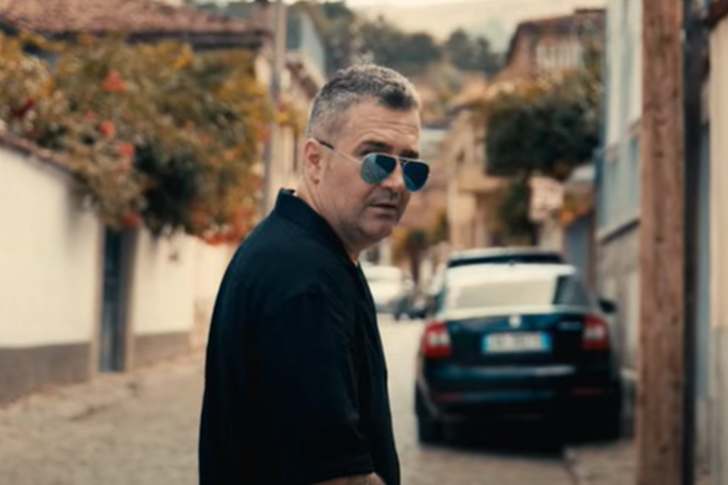
The famous singer, Devis Xherahu, has released his newest ...
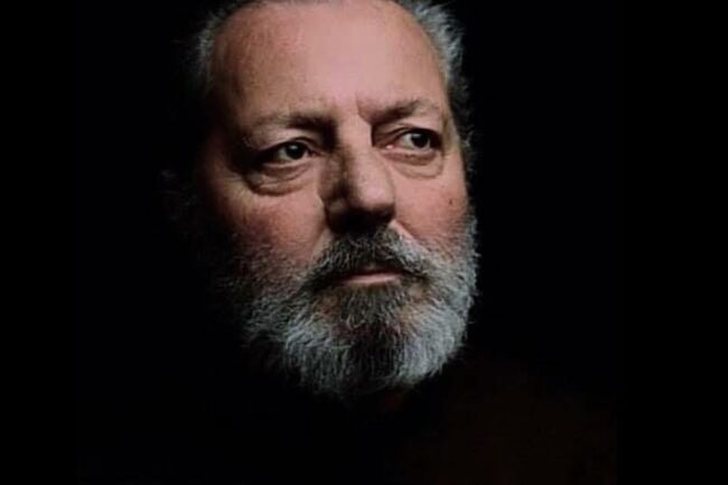
Actor, director, and playwright Naun Shundi passed away tod...
Actor, director and playwright Naun Shundi Vojon has passe...
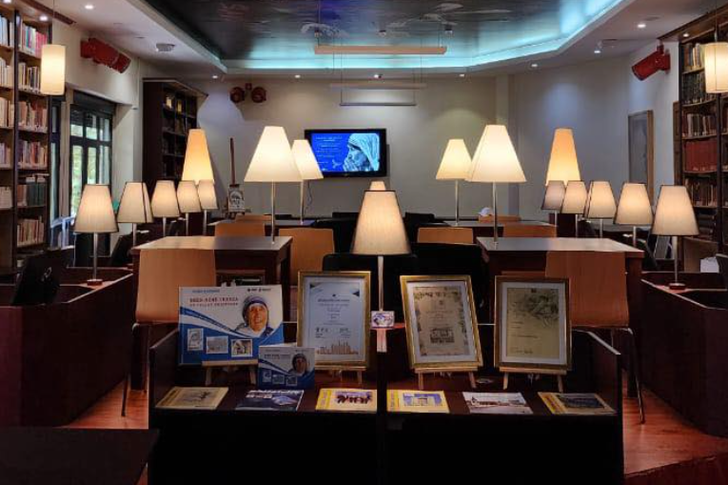
At the National Library of Albania, the 115th anniversary ...

CNA has launched another investigation that could lead to ...

Irfan Hysenbelliu is a businessman that we call "Irfan the...

In March 2026, CNA launched another investigation centered...
The arrested mayor of Tirana, Erion Veliaj, with 13 charge...

The Special Board of Appeal (KPA) decided this Monday ...

The KPA vetting decided this Thursday to dismiss the p...

Suela Salavaçi, a prosecutor in the Prosecutor's Offic...

The Special Board of Appeal reinstated the prosecutor ...
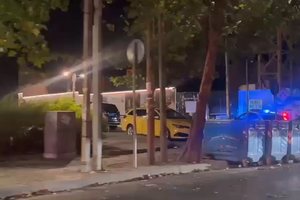
A road accident occurred this evening on Nikolla Zoraqi St...
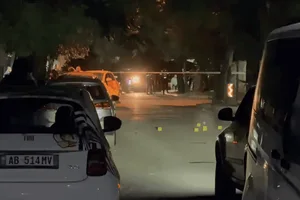
Three people were shot and wounded in Elbasan last night b...
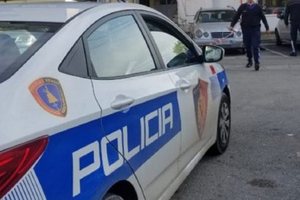
A serious incident occurred this Tuesday in the Yrshek are...

An accident occurred this Tuesday on "Dituria" street in K...
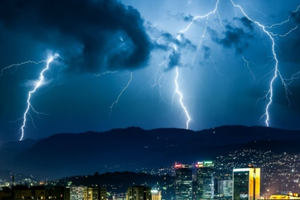
All of Southern Europe will face changing weather conditio...

Albania was hit by temperatures significantly higher than ...

For the first time, Pogradec welcomed the Inter-Lake Chess...
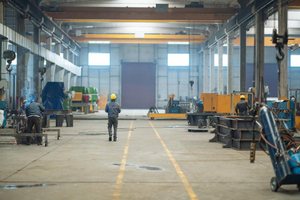
Albania has achieved a record for the employment of foreig...

US Secretary of State Marco Rubio arrived in Manila on Jul...

In the space of a few days, Ukrainian President Volodymyr ...
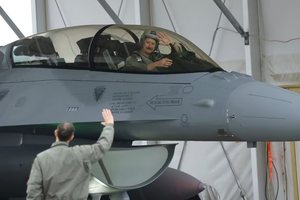
The spokesman for the Iranian Foreign Ministry warned Bulg...
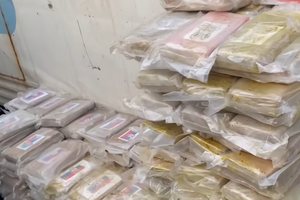
Autoritetet italiane sekuestruan pako me afër 800 kilogram...

At a time when industrial products are increasingly taking...

Trust among people is not just a three-syllable word. It c...

Master of humor Todi Llupi has passed away at the age of 7...

The ninth edition of "MIK Festival" kicked off with one of...
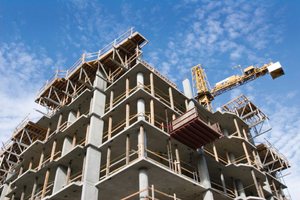
Construction company licenses will have a validity period ...

The Centralized Purchasing Operator recently opened a tend...
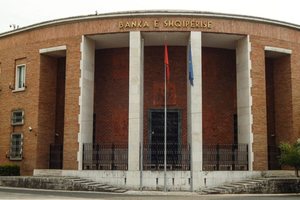
The new draft law "On the Bank of Albania" provides that t...

This Tuesday, one US dollar is bought for 81.2 lek and sol...