

The dream that burst like a soap bubble
In January 1914, when Prince Vidi was preparing to come to...


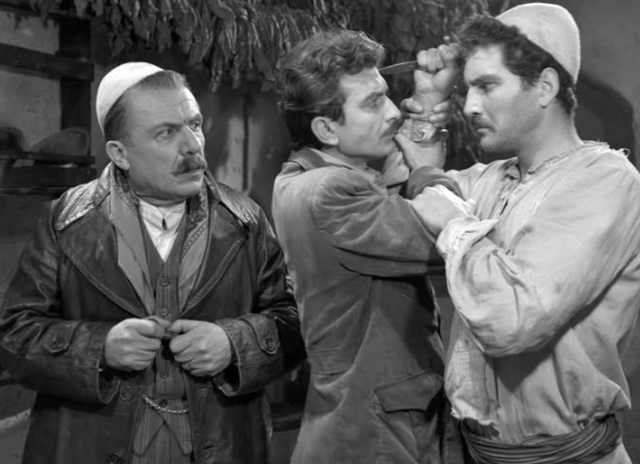
In the history of Albanian theater, few figures have left such a deep and lasting mark as Loro Kovaçi.
Born on August 30, 1903 in Shkodra, into a family of craftsmen, he grew up amidst hardships, but with an unquenchable passion for art. Orphaned at the age of 12, he was forced to become the breadwinner of the family with his mother, working as a tailor to provide the income that kept them alive. At the same time, he found spiritual refuge in the cultural circles opened by the Catholic clergy, such as the “Bogdani” Theater, where his early talent began to be discovered.
With the help of Fratel Pantalia, a prominent cultural figure, Loro was sent to Innsbruck, Austria, to attend a two-year tailoring school. But his true passion was neither needle nor scissors, but art. He devoted himself wholeheartedly to the violin, music, and theater. He dropped out of school to return to his hometown, where he became his mother's right-hand man as a tailor, but also a name in the amateur scene of the city of Shkodra.
His first debut as an amateur actor took place in 1919, at the age of 16, with the company "Vllaznia" and then "Bogdani".
He was a lively and insatiable soul, who, in addition to theater, was involved in sports and music, and even owned the guitar. He reached the peak of his first artistic maturity with the troupe "Rozafat", under the direction of Henrik Lacaj, where he performed in dramas such as Rruga e humnerave, Moisi Golemi - princi i Dibrës, Dy princa për ënhe gajëz, and especially in Kthimi i Gj. K. Skënderbeu në Krujë (1937), where he played the role of the national hero with strength, dignity and greatness. This role made him known throughout the country.
With the fascist occupation, Loroja was cut off from artistic life. He refused to become part of the fascist party and withdrew into commerce, maintaining his integrity away from the occupiers and the politics of the time. After liberation, he returned to the stage with the city's amateurs and on September 1, 1946, together with Pjetër Gjoka and others, he became part of the Army Theater. Only a year later, in 1947, he was called to the People's Theater as a professional actor, where he excelled in works such as The Prefect, Deep Roots, The Provincial Governor, The Character of a Moscow Man and many others.
But life did not spare him blows. In 1948, after the arrest of his son, Gjon, for participating in the anti-communist youth groups of Shkodra, Loro Kovaçi was ceremonially expelled from the People's Theater and sent to hard labor in a brick factory. For several years, this giant of the stage was forced to struggle with poverty and face injustice, until the intervention of his friends Tuk Jakova and Spiro Koleka brought him back to Tirana. In 1949, he again took to the stage of the People's Theater, where his rare talent was reconfirmed.
His return was enthusiastically welcomed by Albanian and Russian directors, who considered him a sculpted actor, capable of embodying difficult roles with extraordinary naturalness. He was included in Russian-Albanian co-productions such as Skanderbeg and Furtuna, earning his place in the Russian encyclopedia of art.
Albanian cinema found a powerful figure in Loro Kovaçi .
In 1957, Hysen Hakani entrusted him with a role in the first Albanian film Her Children, and then came the films Debatik, Detyrë e posaçme and Toka jonë. In the latter, the role of Tuç Maku remained one of his most memorable performances. His friend and colleague, Mario Ashiku, recalled an extraordinary episode: during a performance at Bregun i Matës, an old man stood up from the hall, excited by his acting, and wanted to shoot him when Tuç Maku pushed Loke (Marie Logoreci). This episode testifies to the power of Kovaç's performance, so vivid and believable that the boundaries between art and reality were completely erased.
In 1961, Loro Kovaçi was honored with the high title of “People’s Artist”, alongside Naim Frashëri, Pjetër Gjoka and Mihal Popi. It was a well-deserved recognition for a man who had dedicated his entire life to art.
Even when his illness worsened, he did not leave the stage. His last role was that of the Italian colonel in the drama Three Rifle Shots, which he performed only twice. In July 1966, after a delayed operation, Loro Kovaçi passed away, leaving behind a rich legacy and a name that does not fade with time.
Loro Kovaçi was not just an actor. He was an institution, a soul that gave Albanian theater dignity, strength and class. His life, from the childhood hut where he staged plays, to the stage of the People's Theater, from the sewing machine to the roles of Albanian cinema, is a testament to the power that art has to overcome difficulties and to make immortal those who dedicate themselves to it.
Younger generations have much to learn from Loro Kovaçi, not only the art of interpretation, but also dedication, integrity and love for the country and culture. He remains one of those rare people who did not use art to live, but lived through art.

In January 1914, when Prince Vidi was preparing to come to...
The famous singer, Devis Xherahu, has released his newest ...
Actor, director, and playwright Naun Shundi passed away tod...
Actor, director and playwright Naun Shundi Vojon has passe...
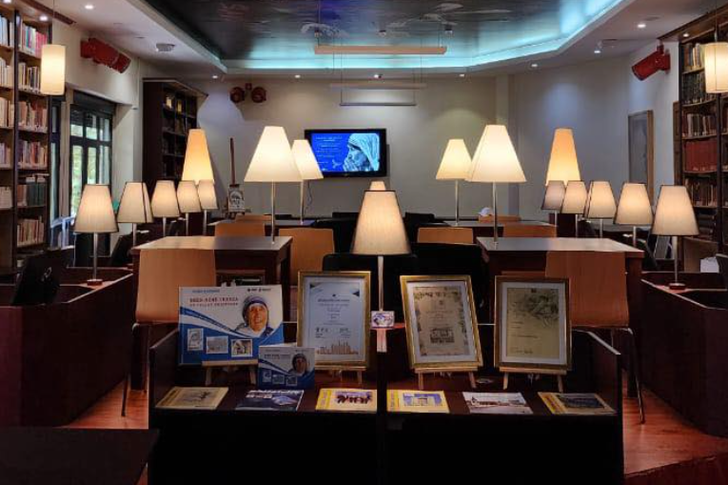
At the National Library of Albania, the 115th anniversary ...
Prime Minister Edi Rama shared this evening footage from t...
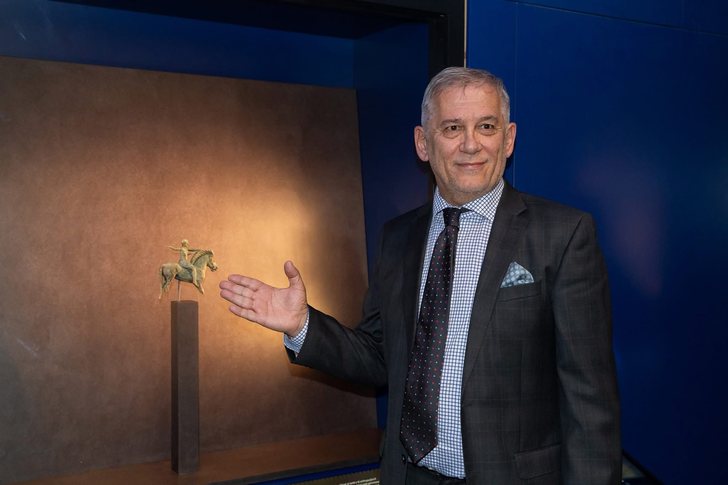
The Ambassador of the Republic of Albania to Austria, Fate...
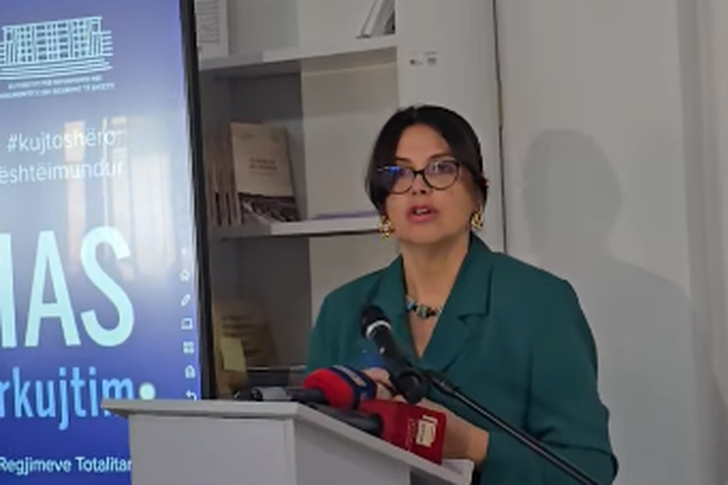
An activity titled "Valias, from camp to remembrance" was ...
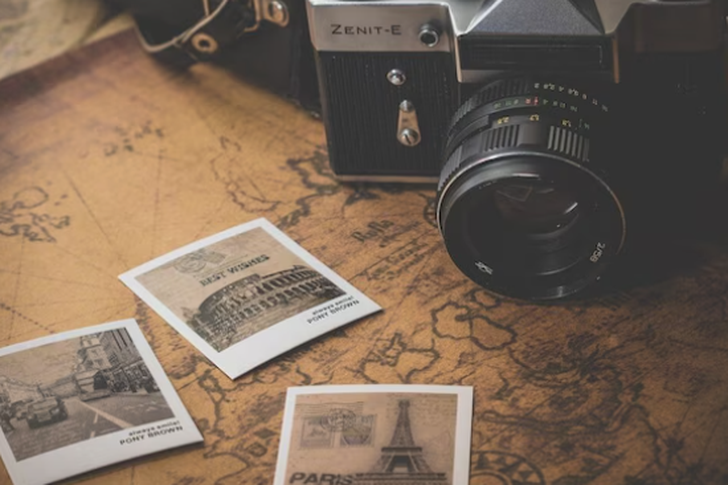
Photography is more than just capturing images; it is a po...
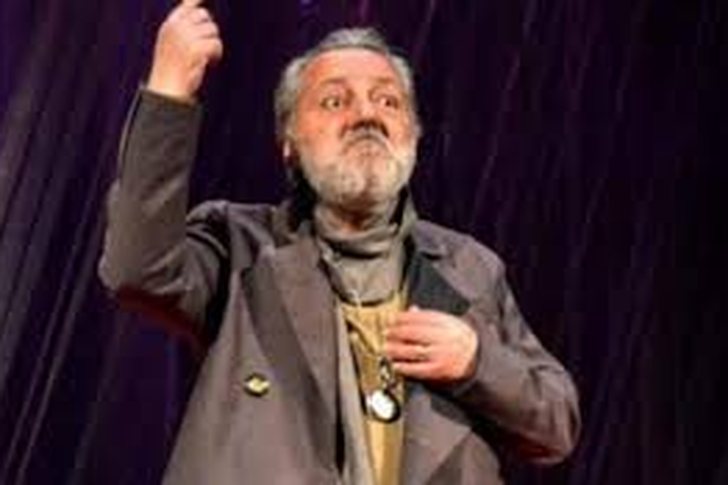
Renowned playwright, actor, and director Naum Shundi is fa...

In its third edition, the Gjon Mili International Video Ar...
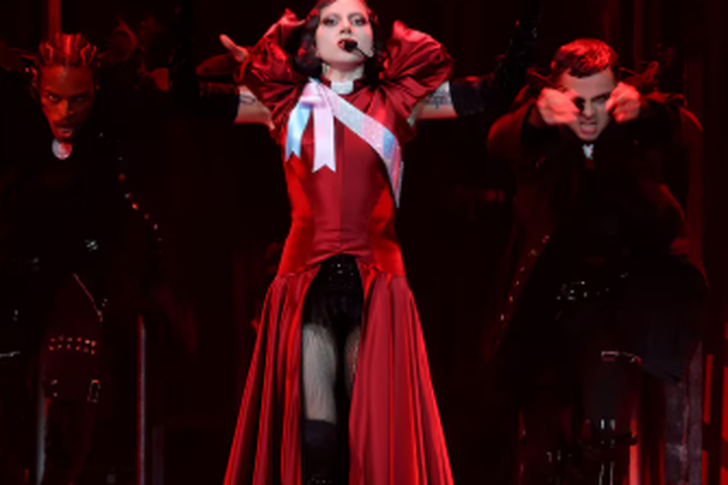
Lady Gaga leads the list of nominees for the 2025 Video Mu...
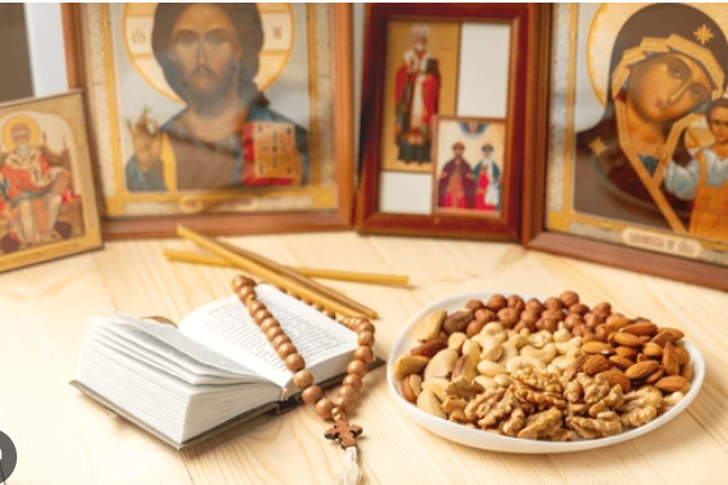
The Lent of the Theotokos is a 15-day period of fasting an...
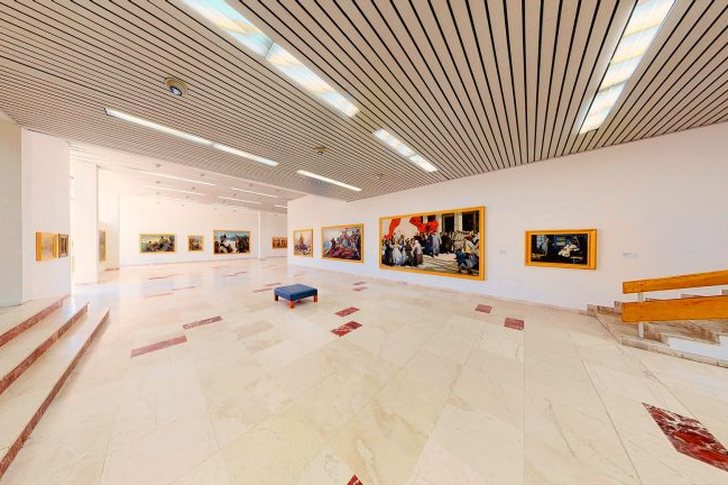
The Council of Ministers, in today's meeting, decided to a...
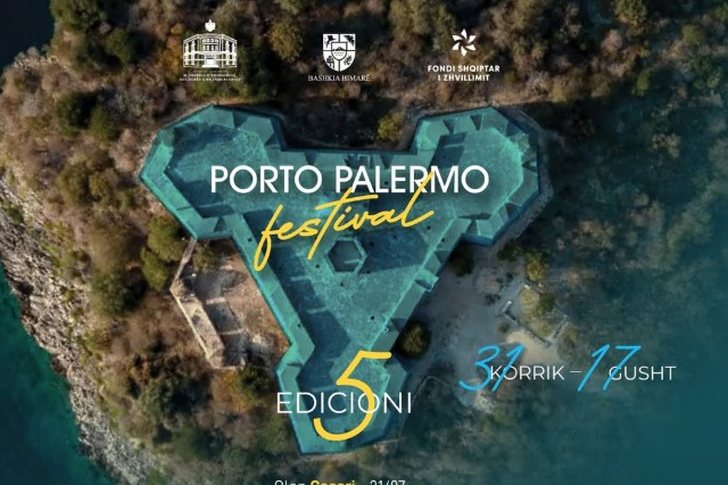
"Porto Palermo Festival" kicks off its 5th Edition this we...
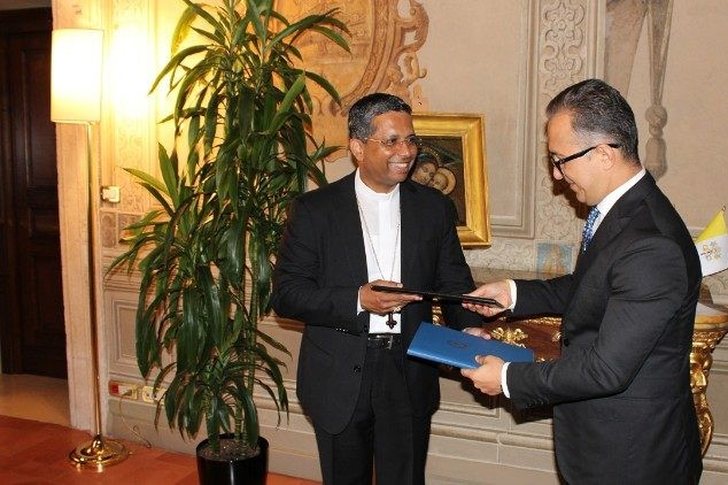
A long journey, rooted in the Second Vatican Council, mark...
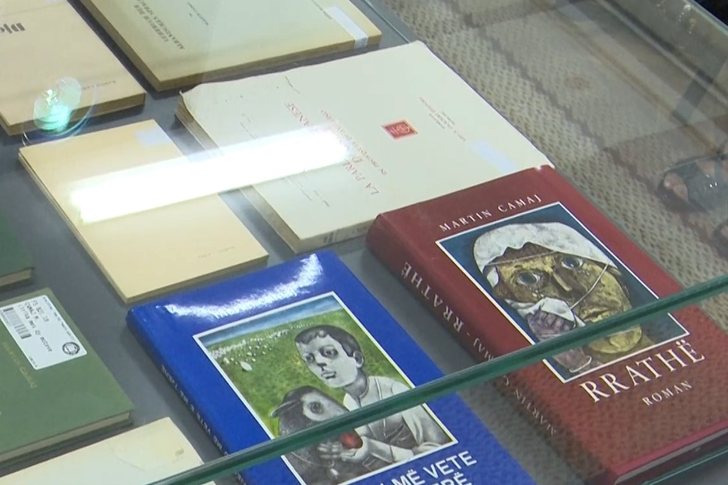
A literary evening entitled "With the feathers of the whit...

The Albanian Toast Rite has been declared a National Cultu...
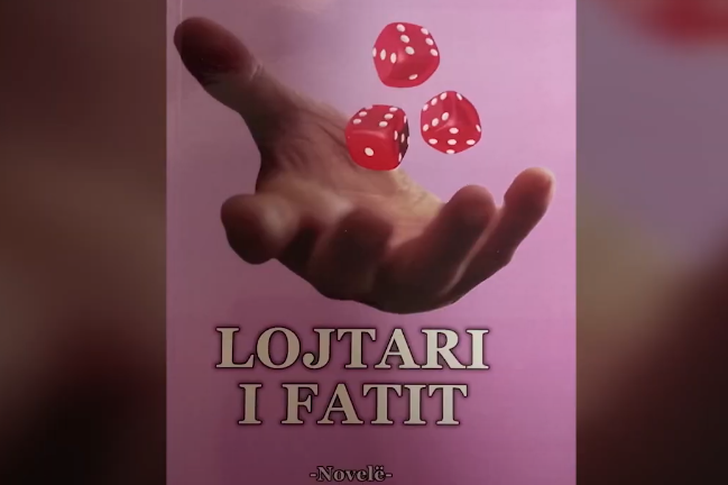
"The Gambler", this is the title of the seventh publicatio...
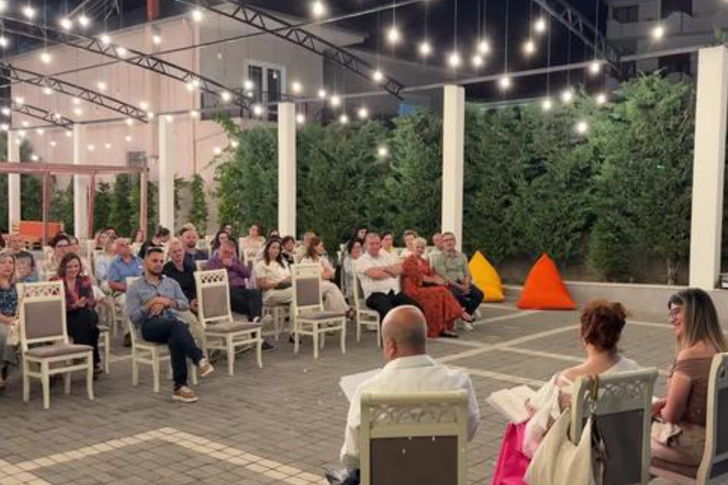
In honor of the famous poet and lyricist from Devoll, Skën...
Four months ago, on March 11, CNA sent an official letter ...
Sokol Sadushi, the president of the Supreme Court, is the ...
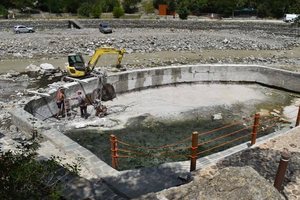
Journalist Elton Qyno has made a complaint regarding the w...
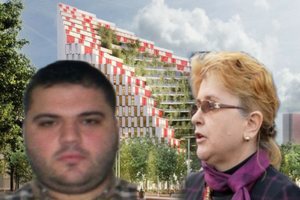
After the first denunciation, the Plug show has continued ...

The Special Board of Appeal (KPA) decided this Monday ...

The KPA vetting decided this Thursday to dismiss the p...

Suela Salavaçi, a prosecutor in the Prosecutor's Offic...

The Special Board of Appeal reinstated the prosecutor ...

Tirana Police have solved the incident that occurred yeste...
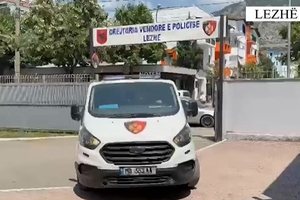
The Specialists for the Investigation of Crimes against th...
New details have emerged from the incident that occurred t...
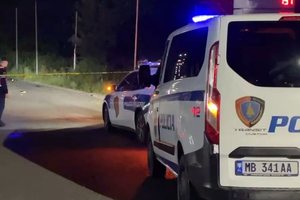
Gunshots were recorded on Friday evening in the Kamza area...

On Sunday, our country will be affected by stable weather ...
Today our country will be affected by stable weather condi...

Today, mainly stable weather conditions. According to the...
Today, our country will be affected by almost the same met...
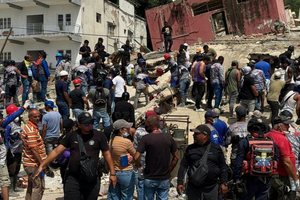
The United Nations estimates that up to 6.76 million peopl...
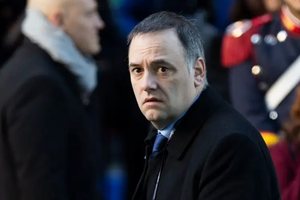
Shefi i kabinetit të presidentit argjentinas Javier Milei ...
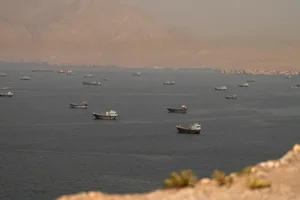
Tensions between the United States and Iran have escalated...
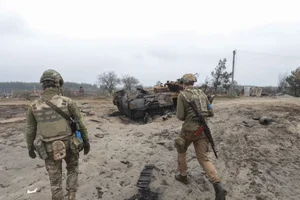
At least two people were injured in a Russian attack on Ki...

This year's edition of the Gjon Mili International Video A...
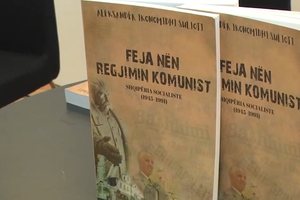
The promotion of the book by author Aleksandër Ikonomidhi ...
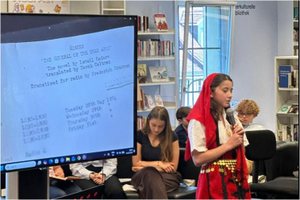
The Albanian Embassy in Switzerland has organized an eveni...
This Wednesday, the prominent actor of Albanian cinema, Gj...

This Sunday, one US dollar is bought for 82 lek and sold f...

The fishing sector has recorded a worrying performance dur...

This Saturday, one US dollar is bought for 81.8 lek and so...

The insurance market is growing at a slower pace this year...