Territorial Reform/ Berisha warns Rama: We will get Albania back on its feet
DP leader Sali Berisha has spoken about extending the dead...

DP leader Sali Berisha has spoken about extending the dead...

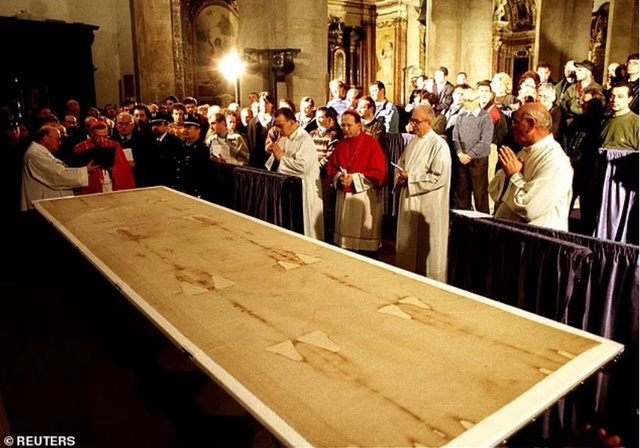
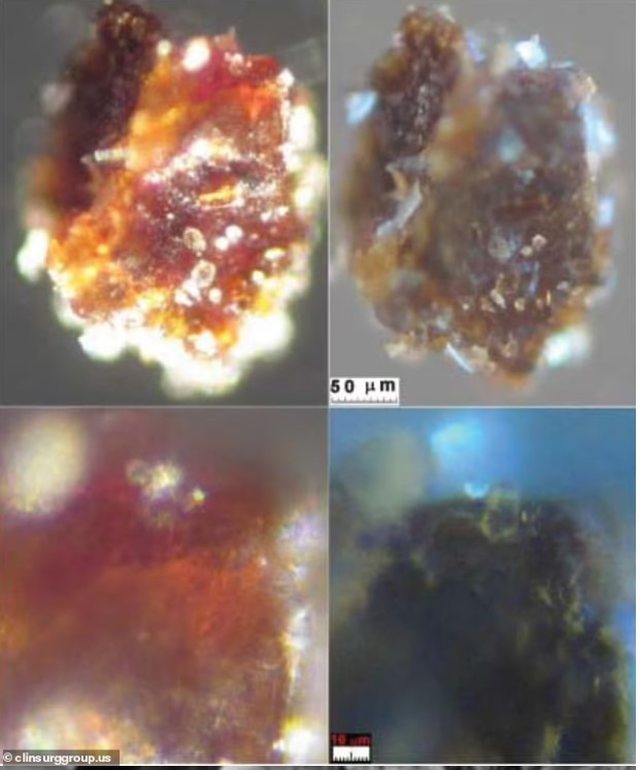
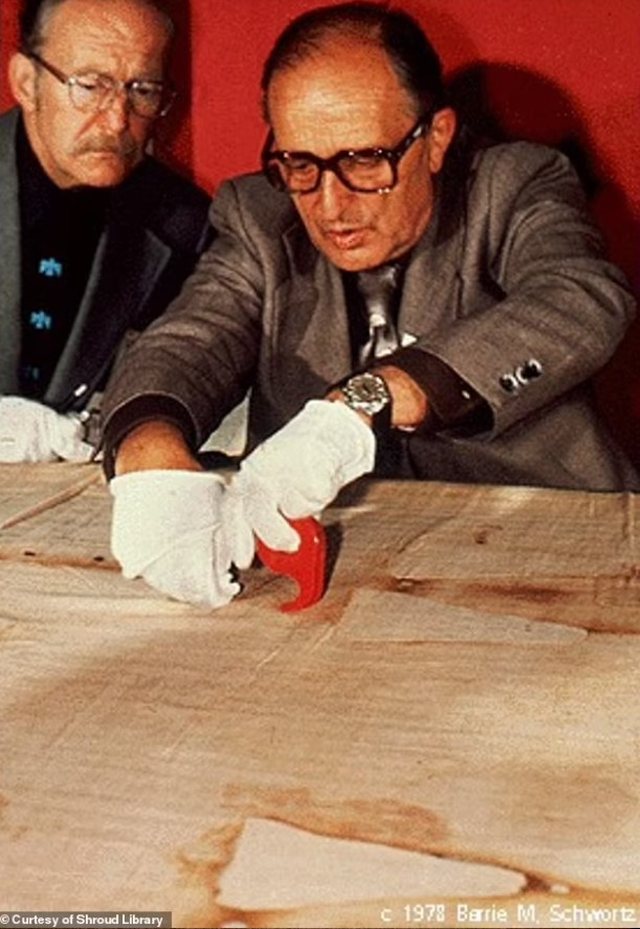
A new analysis of the Shroud of Turin, a 4-meter long linen cloth believed by many to have covered Jesus after his crucifixion, claims to support the historical accuracy of the crucifixion as described in the Bible. Using modern technology, Giulio Fanti, an engineer from the University of Padua, reanalyzed samples taken from the shroud in the 1970s, revealing tiny blood particles that suggest the shrouded person suffered severe trauma, organ failure and possibly exposure. to radiation.
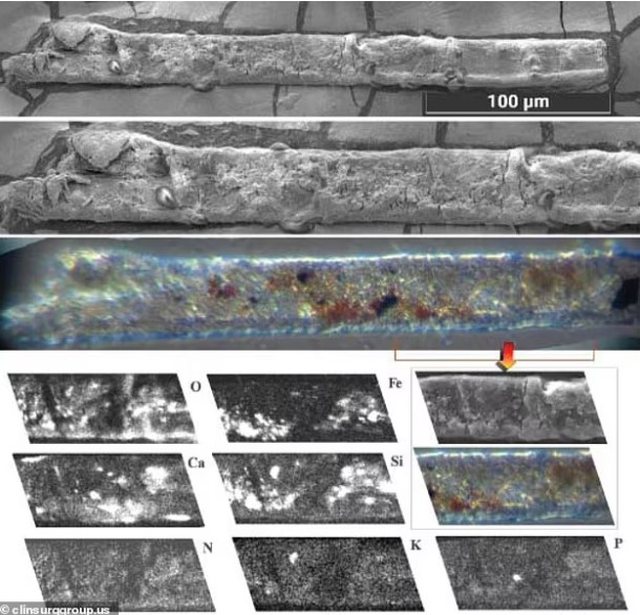

The study, published in the Archives of Hematology Case Reports and Reviews, identified traces of hemoglobin, a key blood component, and two blood types, named Type A and Type B. These findings suggest the cloth was used on someone with blood injuries. significantly rather than being forged using artificial means. Fanti also discovered traces of creatine, which the body releases during muscle breakdown or trauma. He believes this matches the biblical account of Jesus' crucifixion, particularly the severe physical suffering he endured.
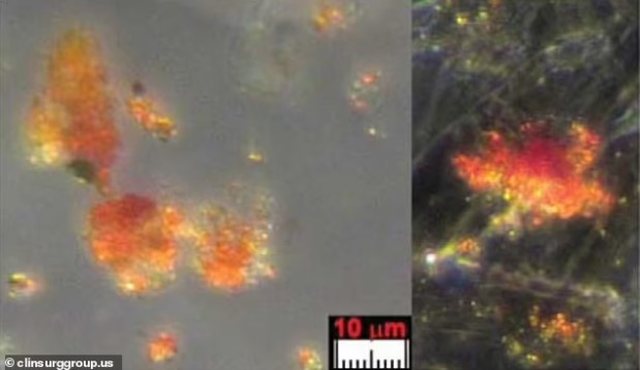
The origins of the Shroud have long been debated, with skeptics arguing that it is a medieval forgery. However, Fant's analysis found materials typical of ancient Jerusalem, such as clay and limestone, suggesting that the Shroud may have originated in the region. His findings challenge a 1988 study that dated the Shroud to between 1260 and 1390 AD, supporting the possibility that the Shroud is about 2,000 years old.
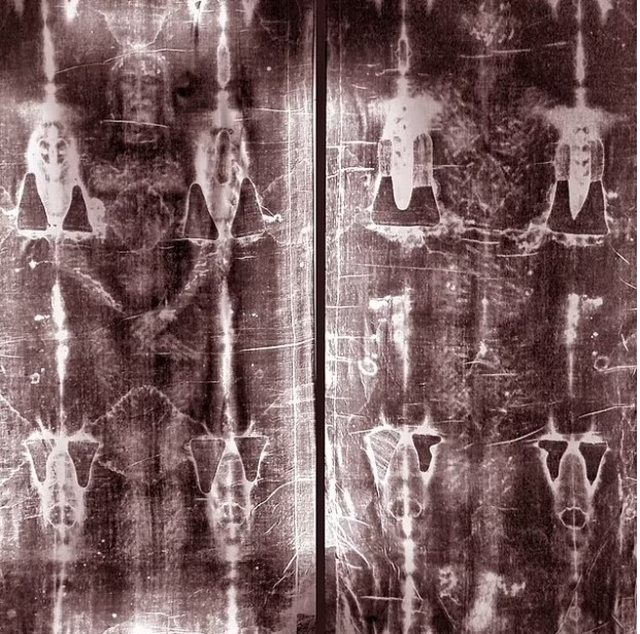
Despite these claims, independent experts remain skeptical. Dr. Lawrence Kobilinsky, a forensic scientist, suggested the blood could have been a secondary addition, noting that previous analyzes found pigments and other materials consistent with medieval art. A 2018 study also questioned the authenticity of the shroud, showing that the bloodstains were not consistent with those of a crucified body, suggesting instead that they were made by a standing figure.
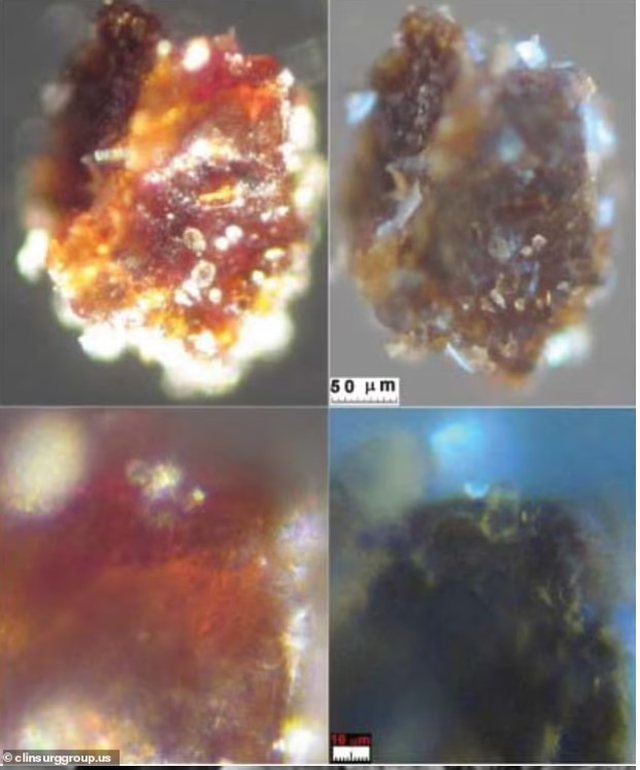
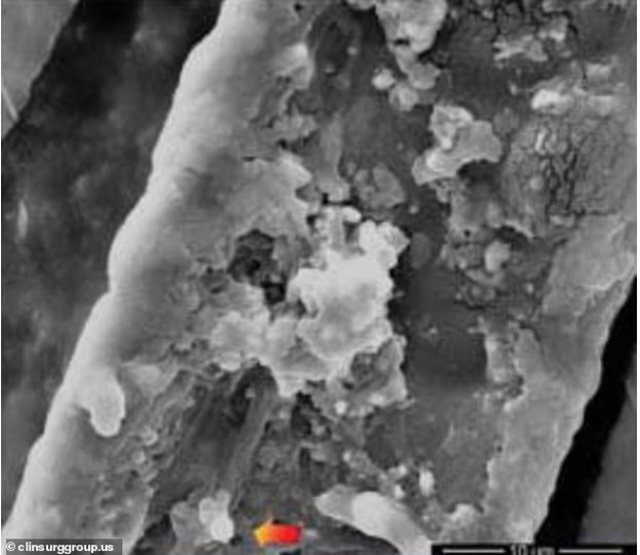
Fant's research adds to the ongoing debate over the authenticity of the Shroud of Turin. While some see it as evidence supporting the crucifixion of Jesus, others argue that more rigorous testing is needed before definitive conclusions can be drawn./DailyMail-CNA

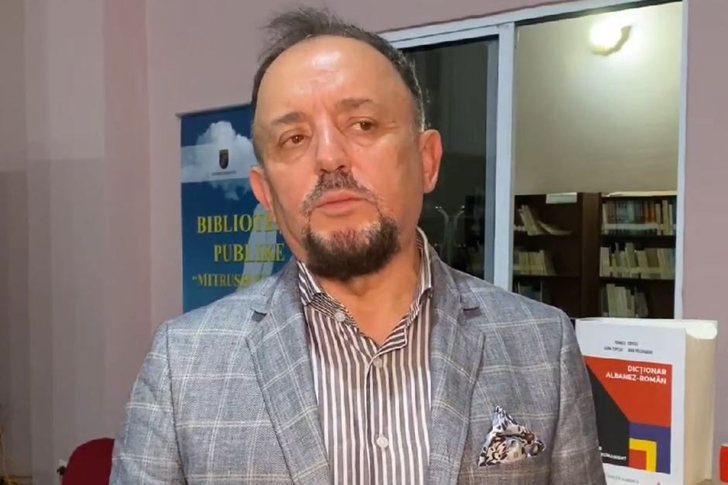
Yesterday evening, the book "Difficult Poet Lasgush Po...

After a long career that brought him legions of fans, and ...
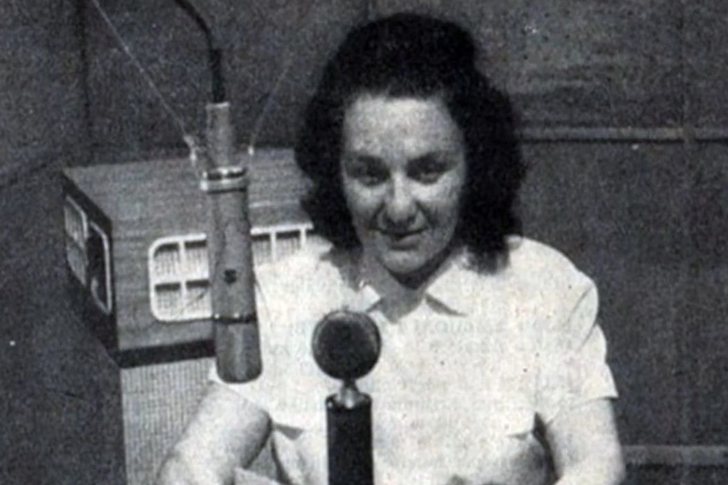
Albanian film and theater actress, Vera Zheji, one of the ...
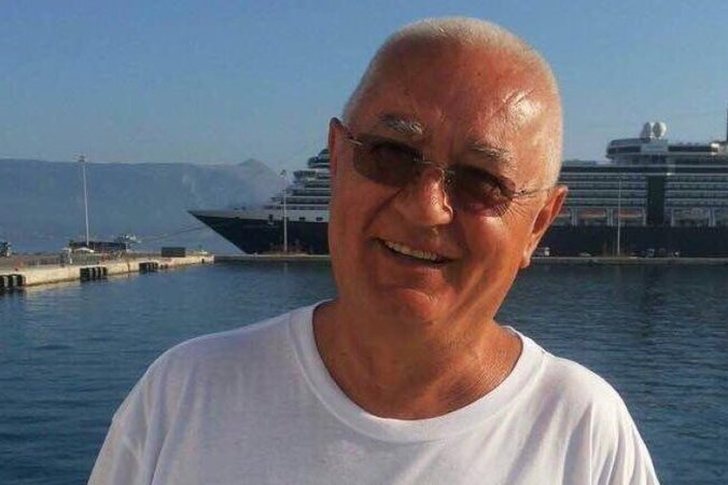
From the house of my parents who left years and years ...

The westernmost point of Albania, Cape Gjuhëza, is one...
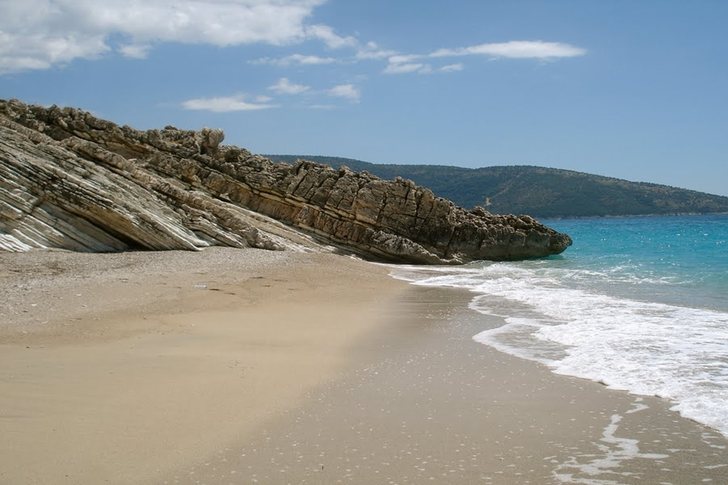
Lukova, the coastal village in the district of Saranda...

Maybe there is no sea like a good part of the destinat...
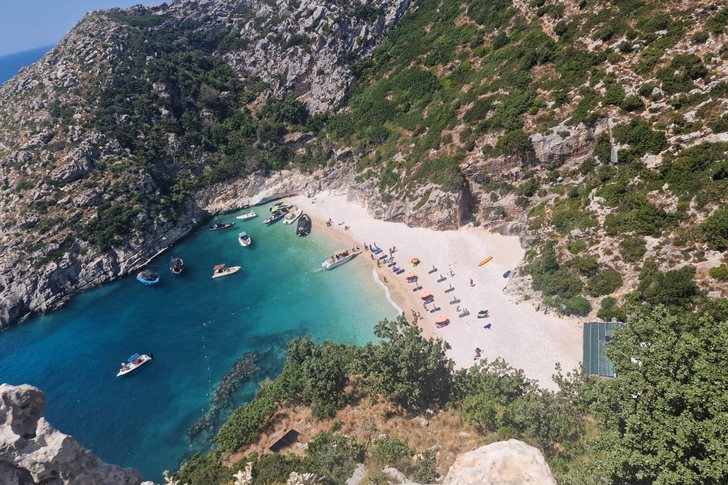
The Albanian Riviera has beaches and bays that leave you s...
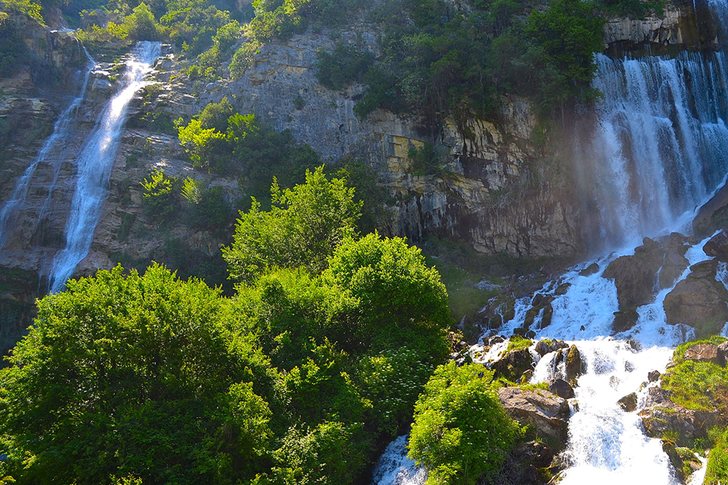
Only 16 kilometers from the city of Gramsci is the Sot...
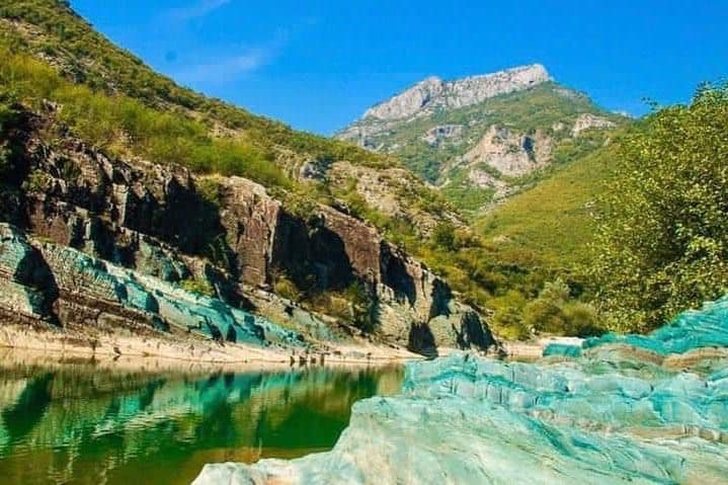
Kiri canyon is located about 15 kilometers from Shkodra. ...
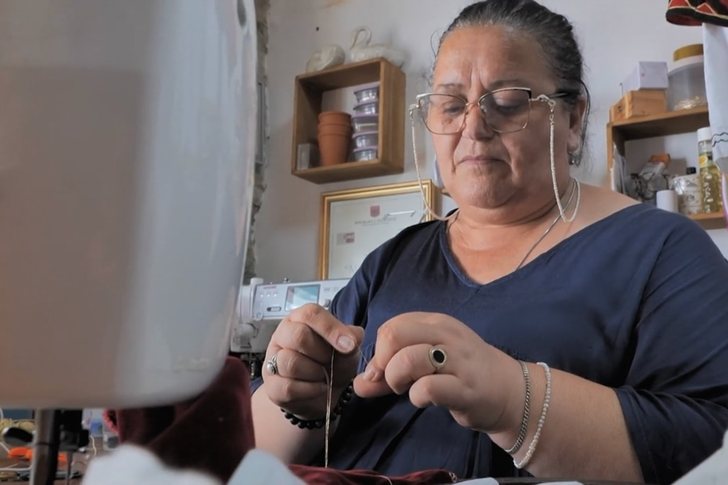
In Albania, many women and girls are keeping the tradition...
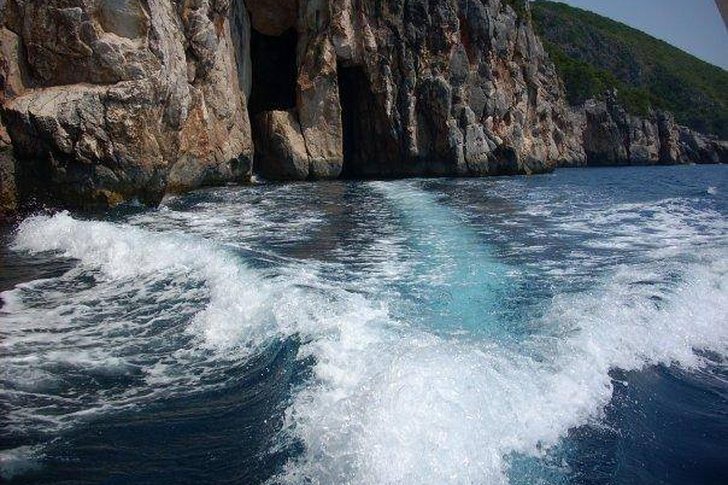
Very close to the Monastery of Saint Theodhor and the ...
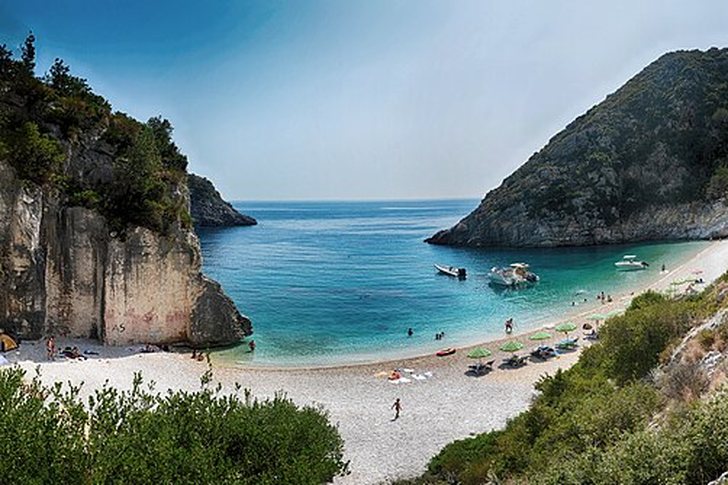
A few kilometers away from the city of Vlora is Grama ...
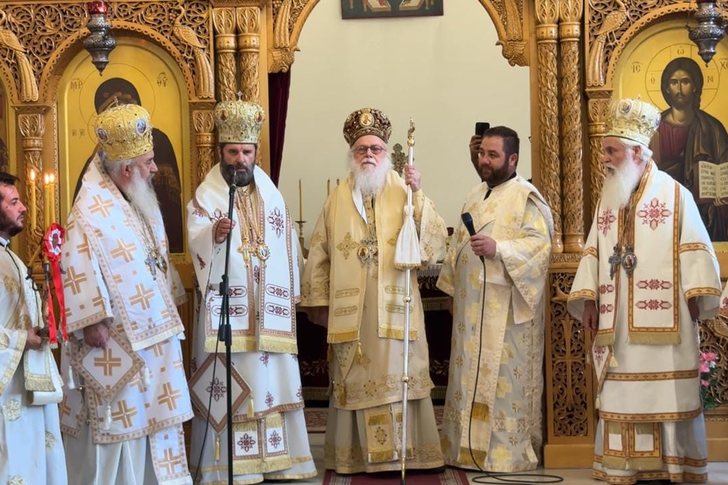
Today, Friday, August 2, 2024, 32 years have passed since ...
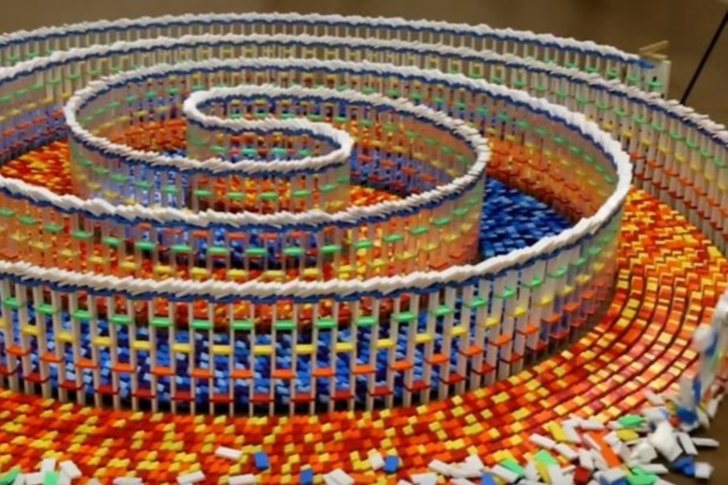
YouTube star Lily Hevesh has been wowing viewers with her ...
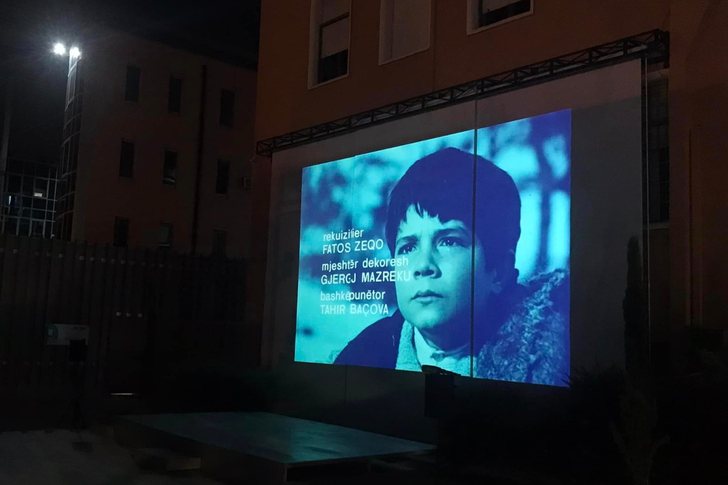
On the screen of the Summer Cinema of the General Director...

For the first time in Albania, with the selection of t...
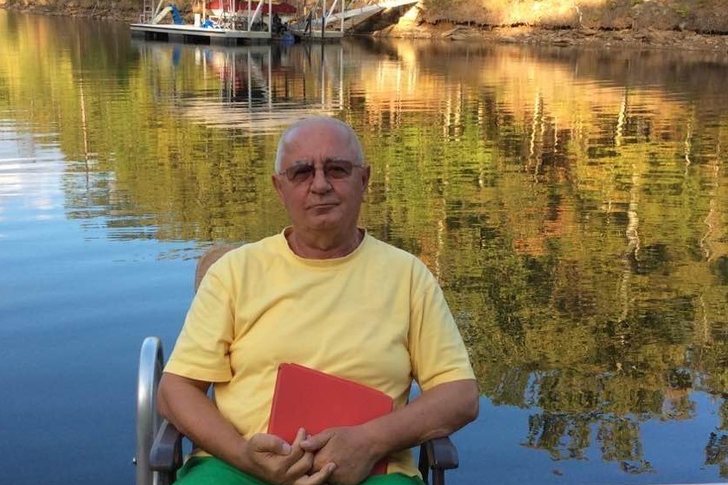
Paskali and Rozi were the most popular couple in the unive...
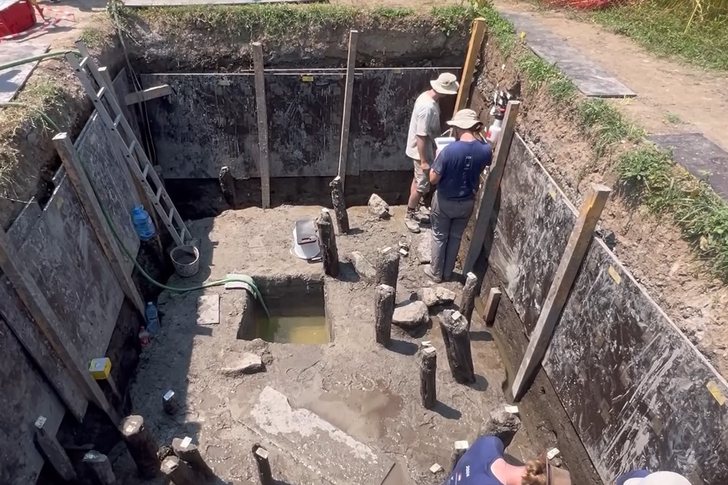
This Friday morning, the continuing phase of the work ...
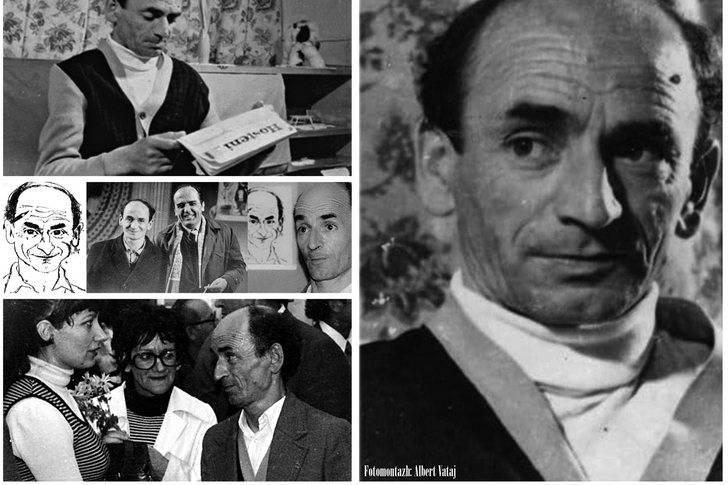
Shkodra has inherited a rich tradition of humor, satir...

CNA has launched another investigation that could lead to ...

Irfan Hysenbelliu is a businessman that we call "Irfan the...

In March 2026, CNA launched another investigation centered...
The arrested mayor of Tirana, Erion Veliaj, with 13 charge...

The Special Board of Appeal (KPA) decided this Monday ...

The KPA vetting decided this Thursday to dismiss the p...

Suela Salavaçi, a prosecutor in the Prosecutor's Offic...

The Special Board of Appeal reinstated the prosecutor ...
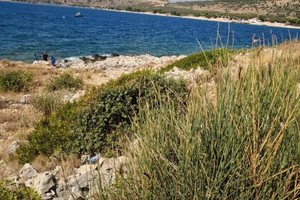
Citizen MH, 61, a fisherman, was found dead near the islan...
Another phase of the international operation, codenamed "T...
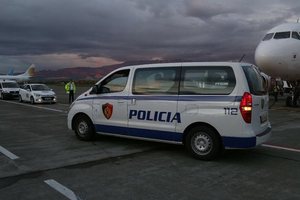
Police have arrested a 34-year-old woman at Rinas Airport ...

A serious accident has occurred on the Lezhë-Shëngjin axis...
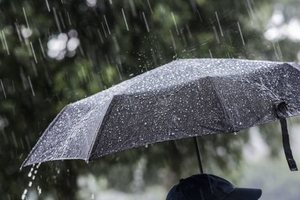
This Wednesday, our country will be under the influence of...

All of Southern Europe will face changing weather conditio...

Albania was hit by temperatures significantly higher than ...

For the first time, Pogradec welcomed the Inter-Lake Chess...

Prime Minister Andy Burnham has announced that most bus fa...

France's parliament has passed a law to ban social media f...

US Secretary of State Marco Rubio arrived in Manila on Jul...

In the space of a few days, Ukrainian President Volodymyr ...

At a time when industrial products are increasingly taking...

Trust among people is not just a three-syllable word. It c...

Master of humor Todi Llupi has passed away at the age of 7...

The ninth edition of "MIK Festival" kicked off with one of...

Businesses will no longer be required to simply register t...

Despite economic growth and income in recent years, Albani...

This Wednesday, one US dollar is bought for 81.4 lek and s...

Construction company licenses will have a validity period ...