

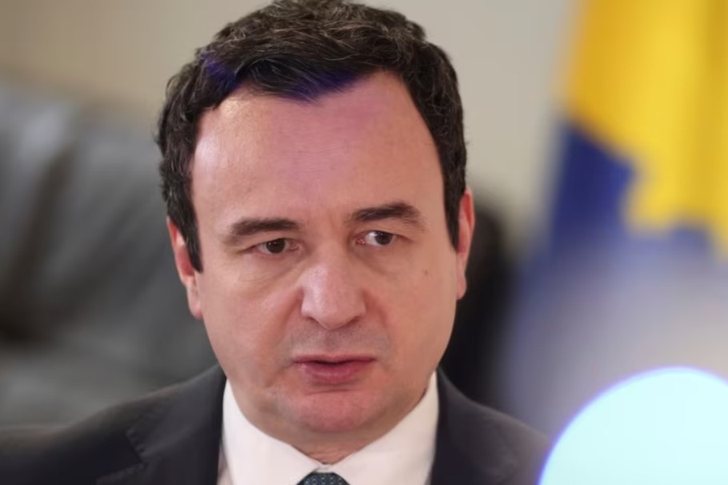
The attack on the municipality of Mitrovica/Kurti: I call on Serbia to immediately stop inciting violence
Prime Minister Albin Kurti reacted to the attack on th...


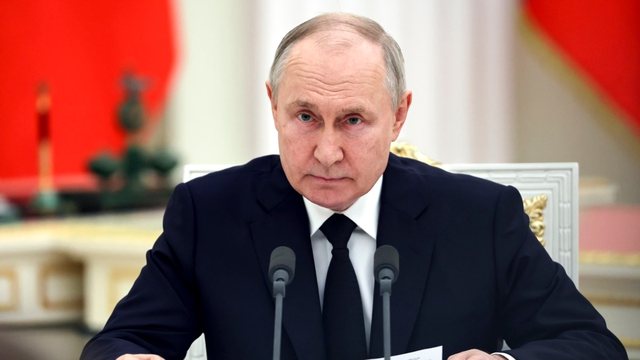
Russian authorities announced on Tuesday that they had closed a criminal investigation into the armed rebellion led by mercenary leader Yevgeny Prigozhin, without charging him or other participants. Russia's Federal Security Service said the investigation found that those involved in the rebellion "stopped activities leading to the commission of this criminal offense." Over the weekend, the Kremlin vowed not to press charges against Mr Prigozhin and his fighters after he put down the rebellion on Saturday, although President Vladimir Putin had meanwhile called them traitors. This moment constitutes the first direct challenge to Vladimir Putin since taking power in 1999.
Russian President Vladimir Putin thanked his countrymen for their unity after a brief rebellion over the weekend by armed mercenaries.
"Dear friends, today I again address all Russian citizens. I thank you for your stability, solidarity and patriotism. "Civil solidarity showed that any blackmail, any attempt to organize internal unrest, is destined to fail ," he said in a televised speech.
The Russian president reiterated that all necessary measures have been taken to protect the country and the Russian people. Before mercenary leader Yevgeny Prigozhin announced the withdrawal, President Putin called the rebellion "a stab in the back for our country and our people."
Vladimir Putin has always maintained the image of a man of steel, cold and always in control of everything.
He rose to power at a pivotal time in the country's history. In the 1990s, Russia was going through turbulent times; communism had fallen and in 1991 Mikhail Gorbachev resigned as President of the Soviet Union. His successor, Boris Yeltsin, was a controversial figure, a populist who nevertheless led the country through political and economic crises. Researcher Emily Ferris, of the Royal United Services Institute in London, says that Vladimir Putin did not come from the elite strata of Russian society, but from a very humble background.
"I think some of the details of Putin's childhood are known. He grew up in Leningrad, now Saint Petersburg, and came from a family that was relatively poor. I think what gave him up was when he joined the KGB ," says Mrs. Ferris.
However, Vladimir Putin did not shine in the KGB.
Professor of Russian studies at the University of Manchester, Vera Tolz-Zilitinkevic, says that during an interview in 1991, Mr Putin himself revealed that he had found KGB documents in which he was deemed ineligible for promotion.
"It turns out that Putin failed to meet the psychological criteria in two cases. The first point was the complete lack of sensitivity to others, and the second was the inability to properly assess the risk. It is a shocking discovery and it is surprising that Putin himself made it known as information" , says Professor Tolz-Zilitinkevic.
However, his period of service in the KGB was important in establishing new relationships with colleagues, which he would maintain throughout his career. Mr. Putin took a more active role as a political aide to St. Petersburg Mayor Anatoly Sobchak, a role that helped him reach the highest political circles of former Presidents Mikhail Gorbachev and Boris Yeltsin. His loyalty to Mayor Sobchak was appreciated by Boris Yeltsin.
"It was clear that Yeltsin had to leave because of his health and the Russian elites did not have any plans for free and fair elections. They actually wanted some kind of transfer of power, where with the help of media manipulation, a candidate was appointed and there were negotiations between Yeltsin and his assistants about who this person should be. For Yeltsin, loyalty was very important" , says Professor Tolz-Zilitinkevic.
Ms Ferris says that even Vladimir Putin appreciates loyalty.
"Many of the people who are around him today in really high positions in the security services, in the National Security Council and the people closest to him are really from the middle period of his career. I think that tells how important it was to him ," says Ms. Ferris.
But she says that many of his colleagues don't always tell him the things he needs to know and therefore he doesn't have a complete picture of developments.
"I think there's a great reluctance to give the president bad news, or intelligence that could portend trouble for him. "I think there is a culture of not highlighting, or somehow embellishing, the most uncomfortable aspects of daily Russian life, as no one wants to be the person who brings them unhappiness," says Ms. Ferris .
The first appointment he has made from outside the St. Petersburg district is Defense Minister Sergei Shoigu, the main rival of the head of the Wagner Group.
"What he values ??first is longevity of service and second is loyalty and those are hard things to build. There are very few people around him who have not climbed the stairs of the 'St. Petersburg District', and Defense Minister Sergei Shoigu is an exception ," says Mrs. Ferris.
Professor Tolz-Zilitinkevic says that Mr. Putin has deliberately created various bases of power, which are controlled by him, both in industry and in the military sector.
"I think his position is weak and this weakness was shown very, very publicly. And with this kind of aborted coup and while he is humiliated, I think he will try to show all these clans that they still need him as an arbiter" , says Professor Tolz-Zilitinkevic.
Ms. Ferris says it is also difficult for Russian society to fully know what is going on, because of new laws that prohibit public complaints from security personnel, the military and police./ VOA

Prime Minister Albin Kurti reacted to the attack on th...
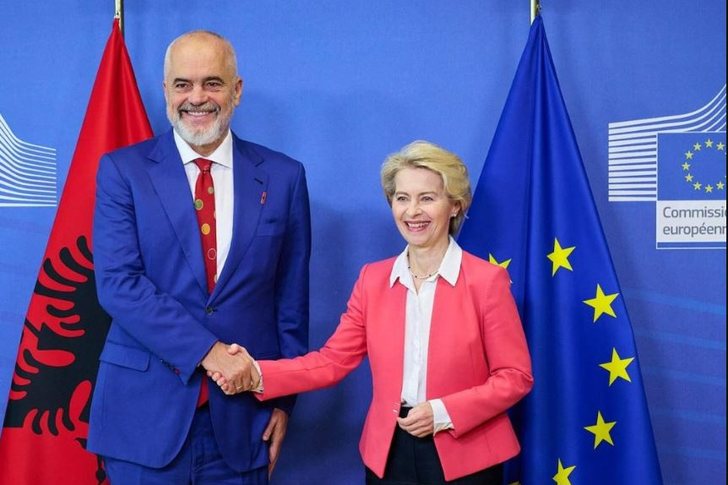
Prime Minister Edi Rama held a meeting with the President ...
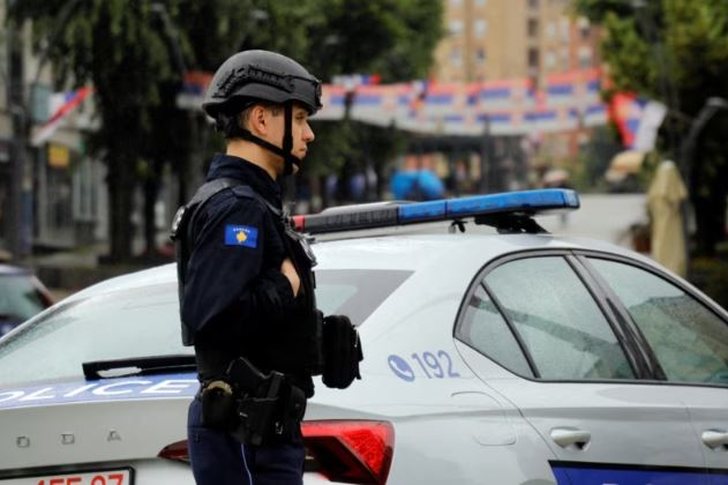
The Kosovo Police has confirmed that in the late hours of ...
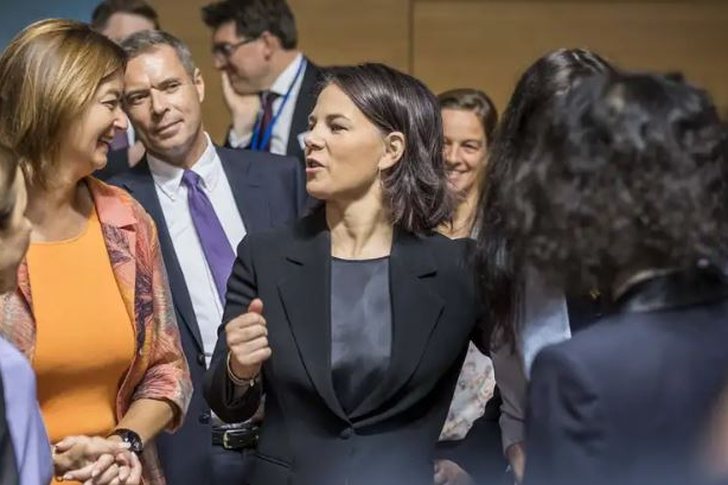
At the meeting of the EU Foreign Ministers, there was an a...
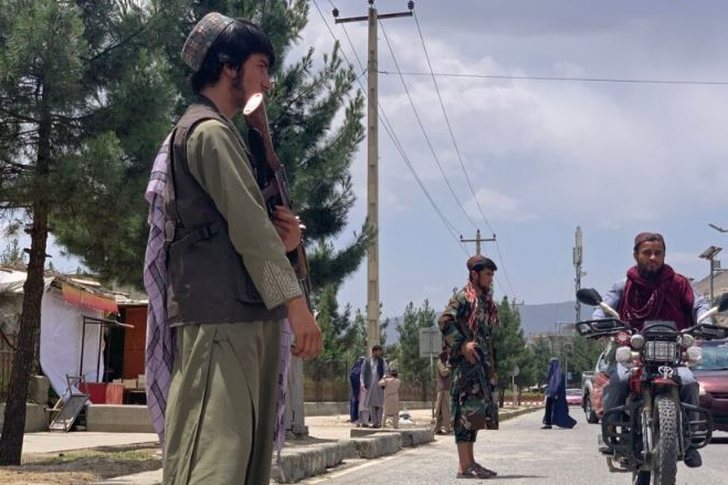
More than 1,000 Afghan civilians have died in bombings and...
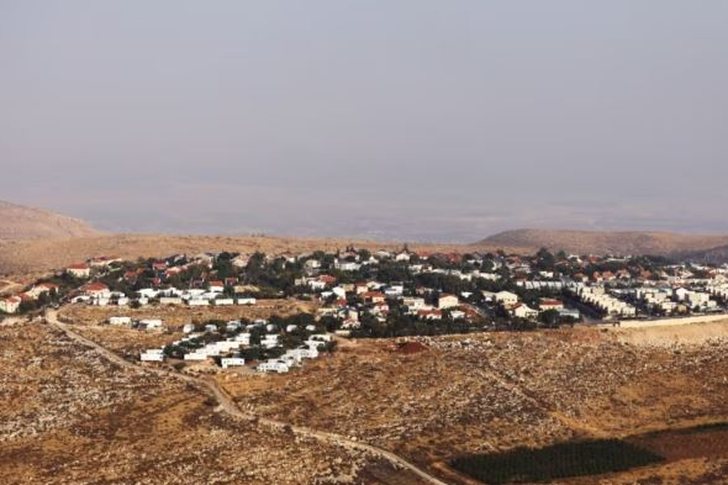
The Israeli government has advanced plans to build around ...
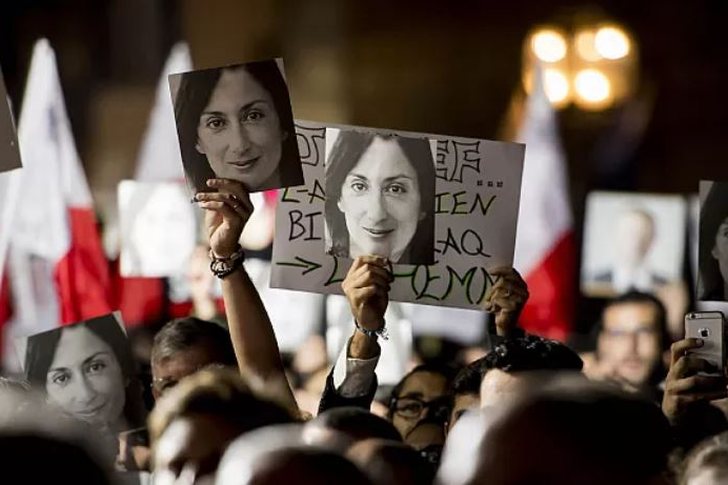
European Union member states are trying to soften the dire...
The American Secretary of State, Antony Blinken, has held ...
The parents of actor Alban Ukaj from Prishtina have visite...
The head of the European Union's foreign policy, Josep Bor...
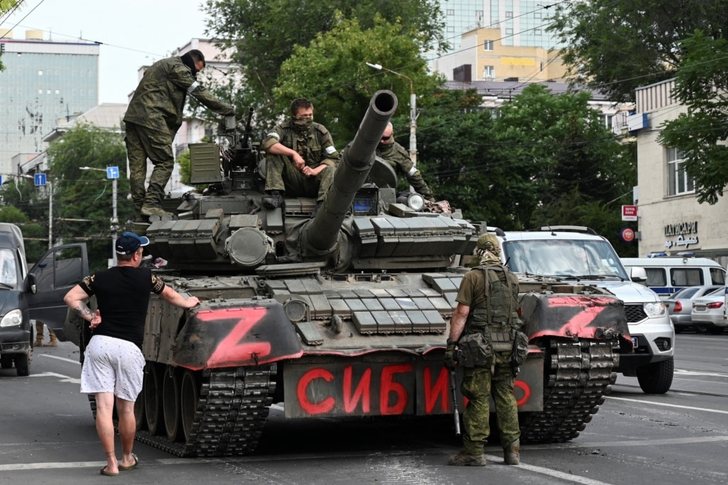
The European Union has decided today to add 3.5 billion eu...
NATO will hold talks with Sweden on alliance membership be...
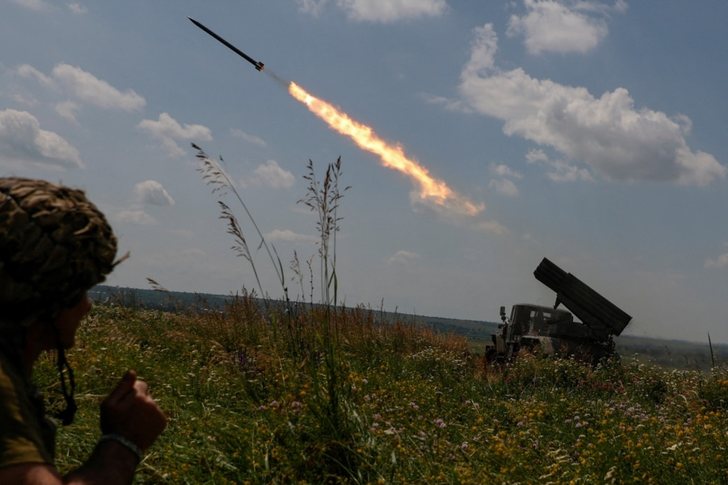
Ndërsa tensionet u rritën brenda Rusisë midis qeverisë dhe...
Kryetari shqiptar i komunës së Strugës Ramiz Merko ka ...
Prime Minister Albin Kurti has confirmed that three Ko...
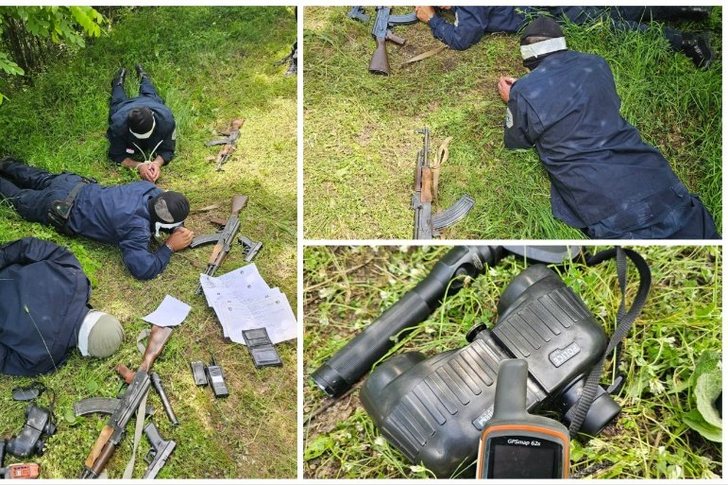
Gjykata në Kralevë është duke e përgatitur vendimin për li...
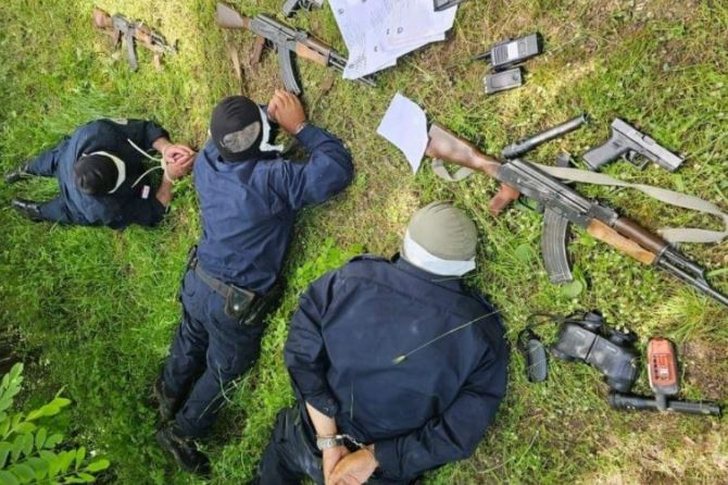
Tre efektivët e Kosovës të rrëmbyer pak javë më parë në te...
More people are injecting illegal drugs than previously th...
The Foreign Ministers of the European Union will discuss o...
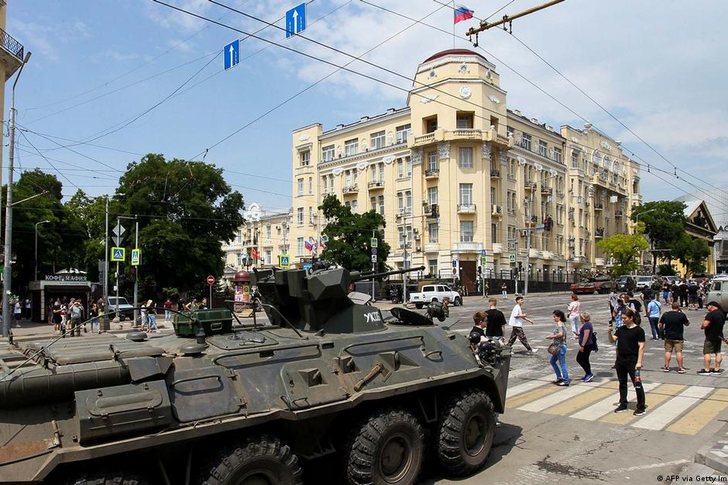
From rebellion to withdrawal in 24 hours - the uprising of...

CNA has launched another investigation that could lead to ...

Irfan Hysenbelliu is a businessman that we call "Irfan the...

In March 2026, CNA launched another investigation centered...
The arrested mayor of Tirana, Erion Veliaj, with 13 charge...

The Special Board of Appeal (KPA) decided this Monday ...

The KPA vetting decided this Thursday to dismiss the p...

Suela Salavaçi, a prosecutor in the Prosecutor's Offic...

The Special Board of Appeal reinstated the prosecutor ...
A person has died today on Orikum beach. According to repo...
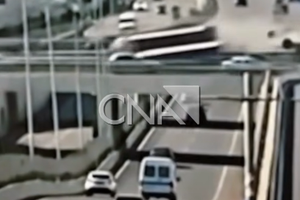
Footage emerges from the serious accident that occurred th...
A Shkodra traffic police officer was hit with hard objects...
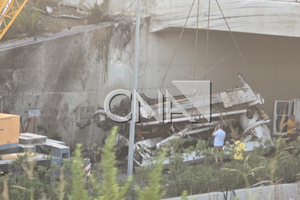
This Wednesday, around 4:00 PM, a serious accident occurre...

Children without parental care, for whom alternative famil...

On Thursday, our country will be under the influence of st...

A serious accident that occurred this Wednesday with the c...

The Institute of Geosciences has shared a forecast for wea...

Artificial intelligence (AI) models from the American comp...
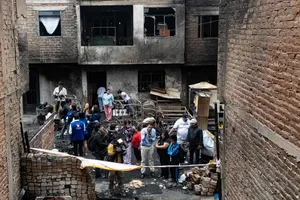
At least 10 people have died after a fire broke out in a h...
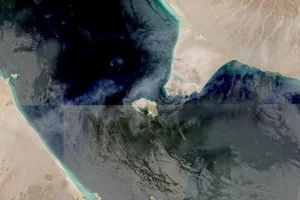
Yemen's Houthis have claimed to have attacked two Saudi oi...
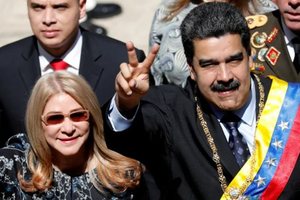
The trial of ousted Venezuelan President Nicolas Maduro on...

At a time when industrial products are increasingly taking...

Trust among people is not just a three-syllable word. It c...

Master of humor Todi Llupi has passed away at the age of 7...
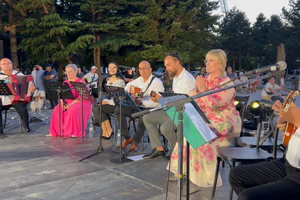
The ninth edition of "MIK Festival" kicked off with one of...
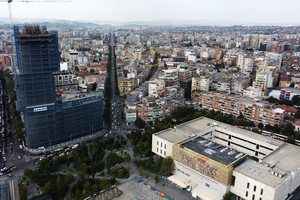
The average sale price of apartments in Tirana reaches rec...

This Thursday, one US dollar is bought for 81.5 lek and so...

The price of diesel reached 206 lek per liter from 198 lek...

Businesses will no longer be required to simply register t...