Rama government's "BESA" document revealed
The strategic document "Besa" that was presented yesterday...

The strategic document "Besa" that was presented yesterday...

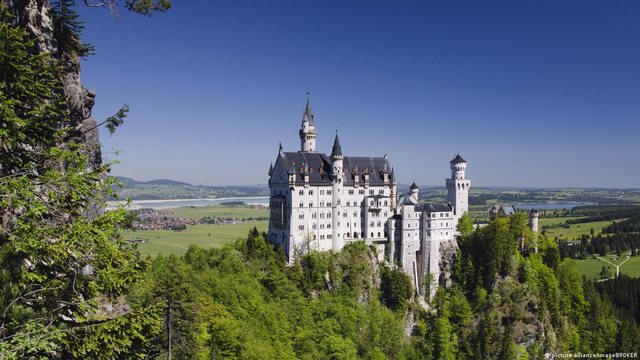
People with disabilities who want to travel to Germany do not have it easy. Because Germany is not really a country with barrier-free tourism infrastructure for people with disabilities.
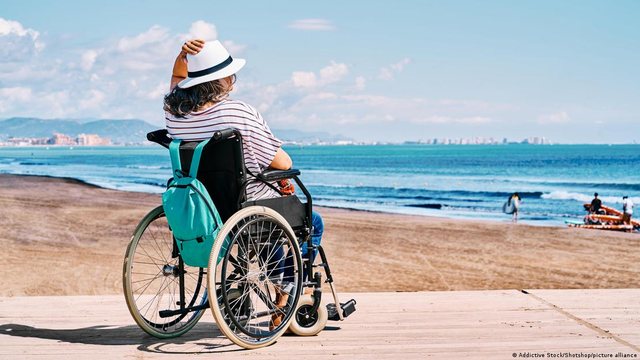
Bernhard Endres knows this from his own experience, he can only move with a wheelchair.
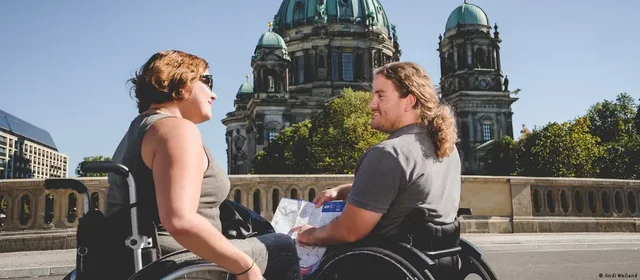
"When I make plans to take a vacation, it's like I'm playing hide and seek, because I search a lot until I find the right thing," he says. difficult to find. "Many say: Yes, our building is barrier-free. But when you go to the country you see that it is not true." For example, the stroller cannot fit in the bathroom, or somewhere there is a staircase that it cannot overcome.
Condition is "little better than nothing"
Endres is a member of the tourism specialist team at the nationwide association of people with disabilities "Selbsthilfe Körperbehinderter" and knows very well how the situation in the tourism sector is in terms of free movement for people with disabilities. "Friendly words: The situation is a little better than nothing", he says. This is also the opinion of Jonas Fischer, referent for barrier-free movement in the social association VdK: "We in Germany are still far from creating a nationwide barrier-free tourism structure for people with disabilities." This means that the barriers for people with disabilities are very high.
For the perspective of people with limited mobility to be seen as a priority, measures should be taken to create opportunities for free movement, which are often construction measures or other similar measures. "But we also criticize that many museums, parks and other institutions do not work according to the principle of receiving information with more than one sense, so they do not offer opportunities for people with limited senses," says Fischer. Therefore the social association VdK seeks that the creation of opportunities for free movement is not an obligation only for public institutions, but also for private institutions.This has been happening in the USA for a long time.
Difficult to plan vacations in detail
One of the biggest obstacles for people with disabilities to travel without barriers is the lack of reliable information. They are essential for planning vacations in detail. To help with this, since 2011, the Ministry of Economy has put into use the search system with "Travel for all" signs. On the designated website called travel for all, (www.reisen-fuer-alle.de) tourist offers can be shown that are not completely barrier-free, but have passed the certification process.
On this page you can learn, for example, that the cobblestones around the Brandenburg Gate in Berlin have a slope of one percent in the direction of the permitted movement, or that the Naumburg Basilica has guides for the blind and that the road from the parking lot to Hambach Castle is 100 meters tall. There you can also read the precise measurements of the public baths of the Gutenberg Museum in Mainz. But also detailed information about hotels, campsites, restaurants, shops, beaches and much more.
Reliable information is scarce
The key to this is that the "Travel for All" website currently has a list of 2,828 institutions, places and companies throughout Germany. The total number of tourist facilities in Germany is, according to the estimates of the Federal Association of Tourism Economics, out of 200 000 to 250 000. Reliable information about the status of free movement is provided only for a small part of them. One of the reasons why this happens has to do with the fact that the certification costs a lot of money. In addition, it must be obtained from the beginning a once every three years.
So travelers with disabilities in Germany have no choice but to continue to gather information on their own about barrier-free travel to, for example, a tourist destination or a tourist accommodation. Who is going to visit, for example, the Cologne Cathedral or the Neuschwanstein Castle, finds the most important information on their website, although even this is not as detailed and standardized as in "Reisen für Alle", "travel for all".
Even the German Tourism Center, which advertises Germany internationally as a tourist destination, emphasizes the importance of highlighting the offers that offer the possibility of free movement for people with disabilities. Germany should be positioned as a country that creates opportunities for all people to participate in tourism. This is also seen by the German Association of Hotels and Gastronomies (DEHOGA). "It is part of the DNA of hoteliers and gastronomes to be as welcoming as possible to all who come. This certainly also applies to visitors with disabilities," says Sandra Warden, director of the federal association DEHOGA.
"Therefore the importance of free movement for people with disabilities has increased in recent years and the topic is included from the start in new construction." But in existing constructions it is very difficult to create opportunities for free movement, often even impossible. It is also often not taken into account that rooms for people moving in wheelchairs require more space than ordinary rooms. This is a factor that affects construction costs.
22 percent of all train stations are reached without stairs
Disabled passengers at least know well what awaits them at German airports. According to an EU law, free assistance in baggage claim, boarding and disembarking can be requested. If necessary, passengers must register with the airline in advance. Even when changing trains, assistance is provided, at least in major train stations. According to the social association VdK, by 2020 the entrances of 22 percent of Germany's 5,400 train stations were not accessible without stairs.
Therefore people like Bernhard Endres will continue to experience surprises. He himself has heard people say that they can lift him by the arm to climb some stairs, on one occasion when he faced the stairs in a hotel despite being told otherwise. "I don't need to be held by my side", he says. "We also have our dignity"./ DW


The Prime Minister of Kosovo, Albin Kurti, in an inter...
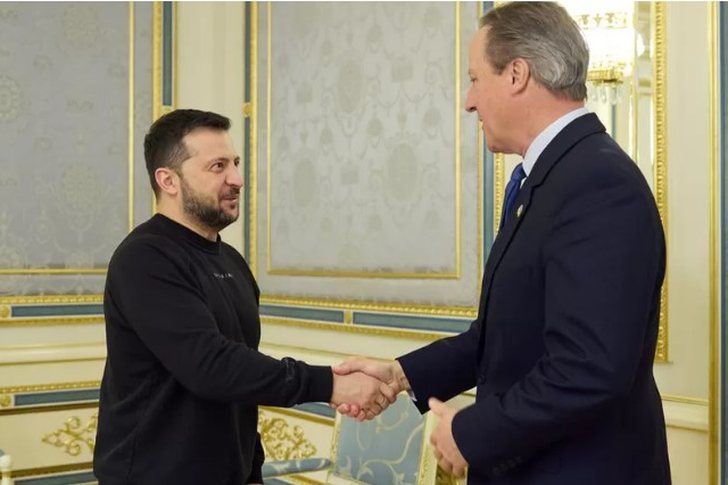
David Cameron made his first visit to the post of new ...
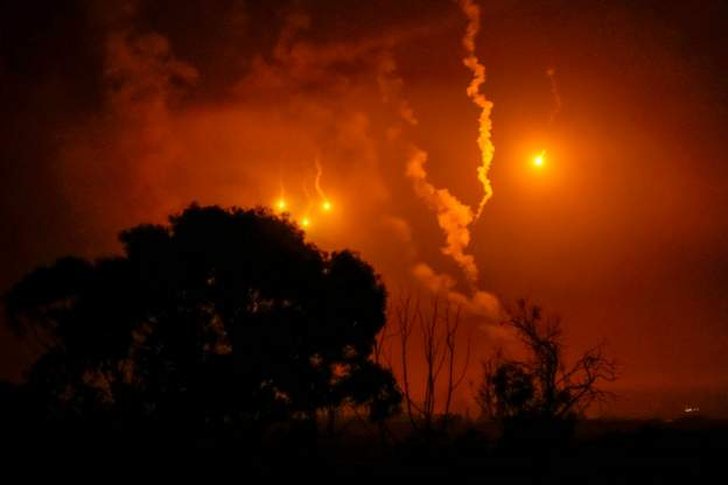
Forcat izraelite kanë njoftuar se kanë sulmuar shtëpinë e ...
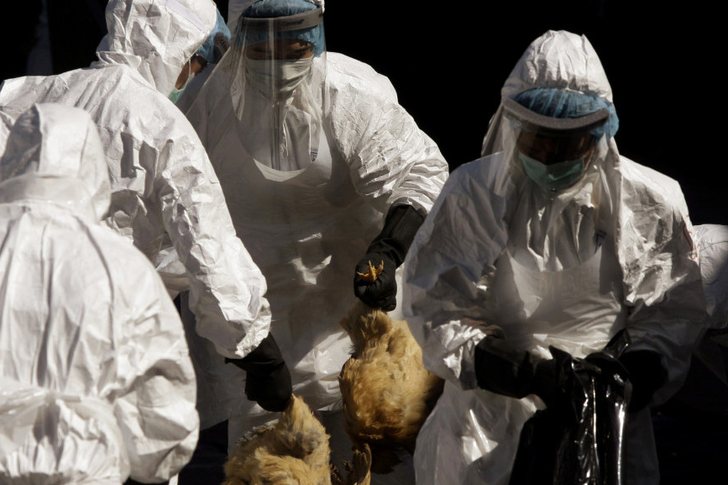
Italy has reported an outbreak of highly pathogenic H5...
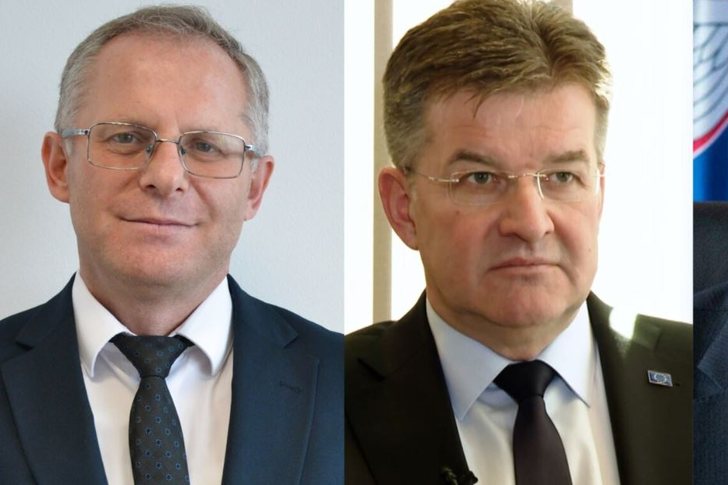
Ditën e sotme do të zhvillohet në Bruksel takimi i radhës ...
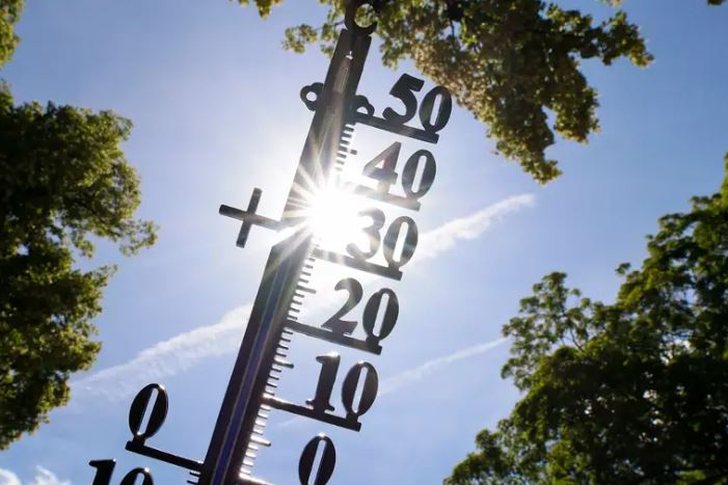
October 2023 worldwide was the hottest month ever reco...
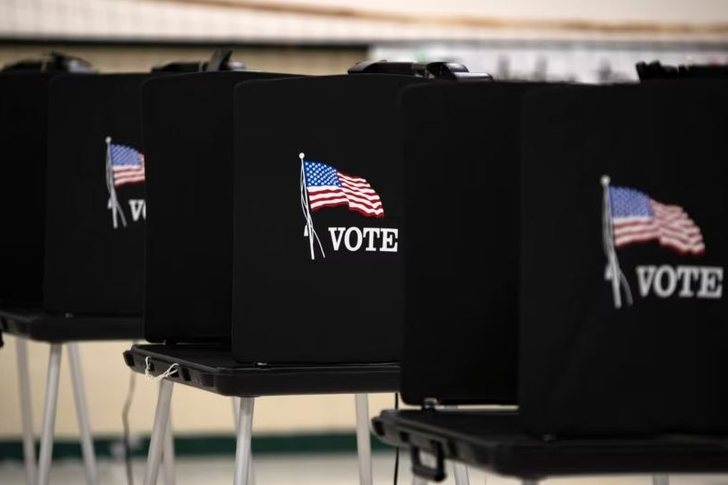
The 2024 US presidential election promises to be unlik...
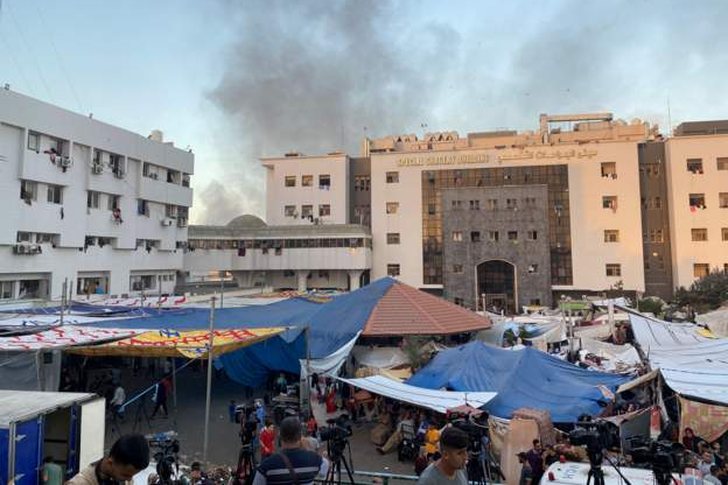
The chaotic situation in the territory makes it extremely ...
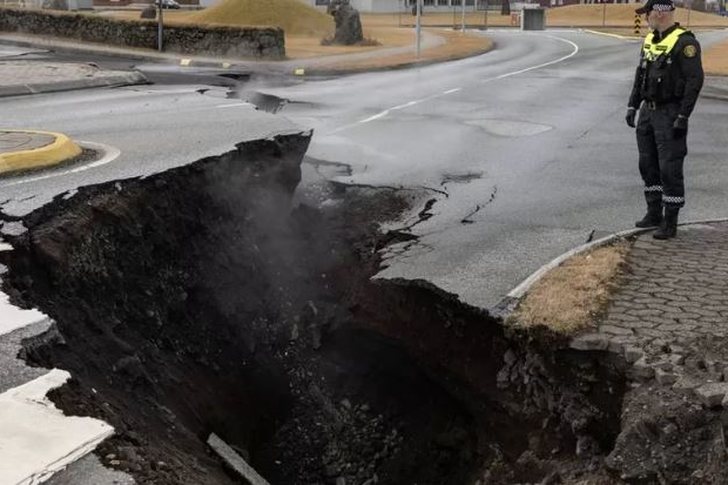
Iceland's southwestern peninsula could face decades of...
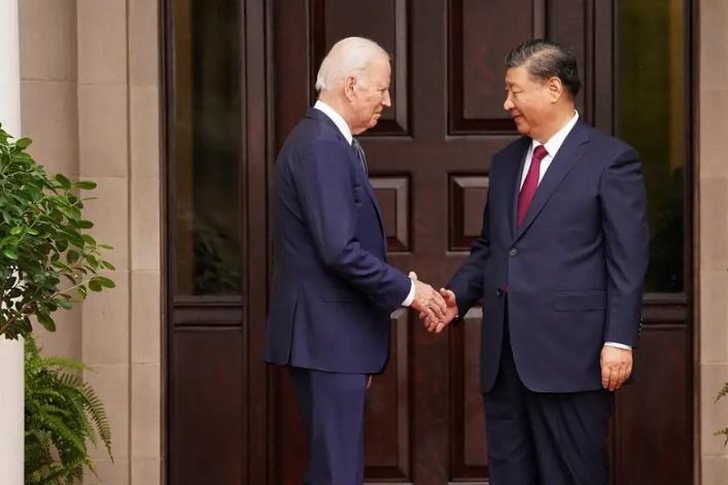
Chinese President Xi Jinping had a rare one-on-one mee...

Cambridge Dictionary has announced "hallucinate" as its wo...
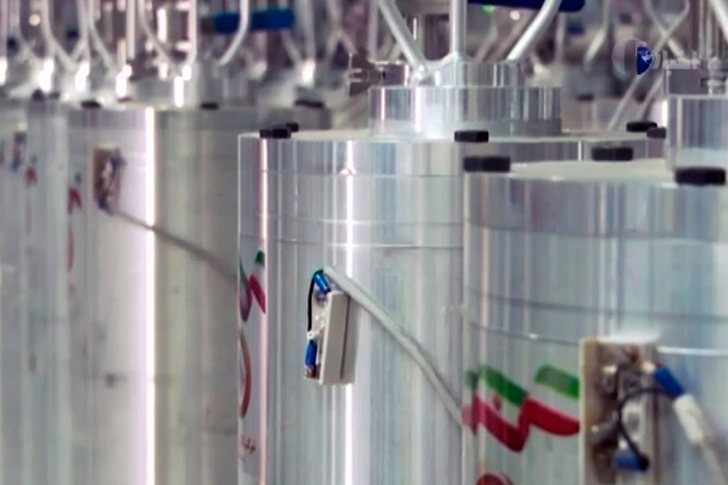
Iran has enriched uranium to 60 percent purity. This level...
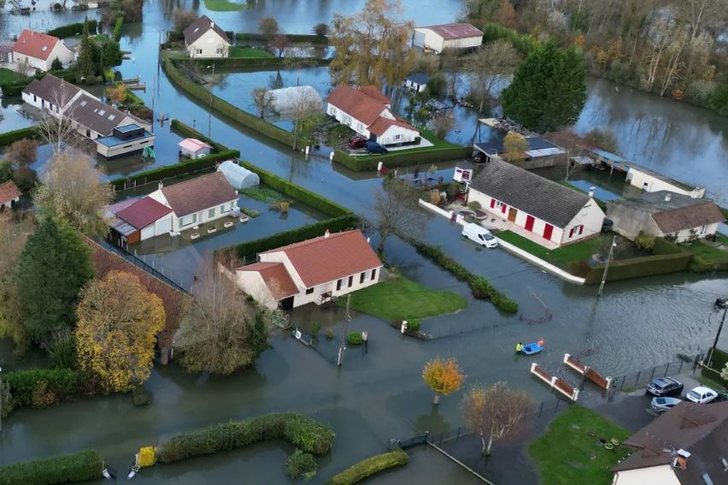
Widespread flooding in northern and eastern France has for...

The well-known Nigerian rapper Oladips has passed away at ...

The OSCE mission in Kosovo informed the media that on Nove...
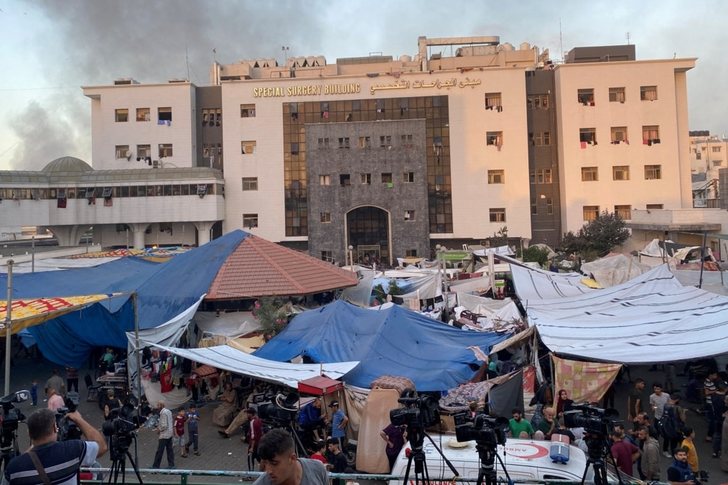
Only a quarter of Gaza's hospitals are still operation...
A 2-year-old child has died after being left on a school b...
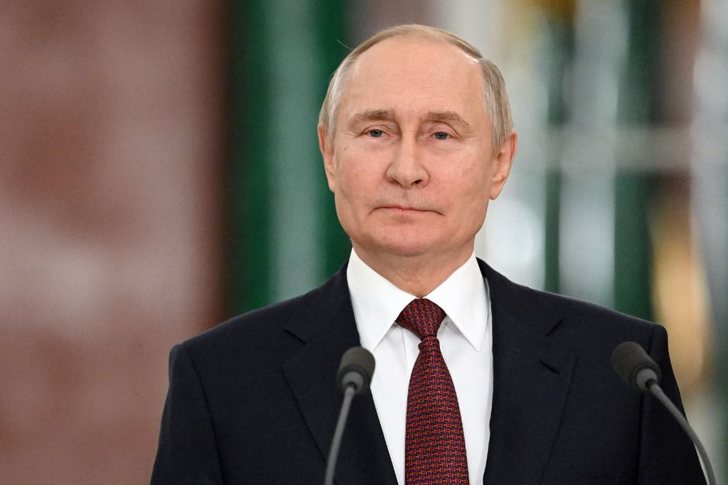
Russia has said Ukraine's admission to the US-led NATO...
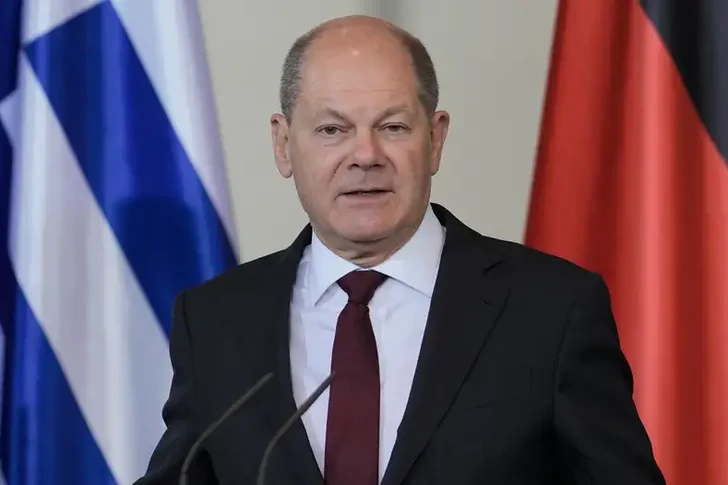
German Chancellor Olaf Scholz said on Tuesday that it ...
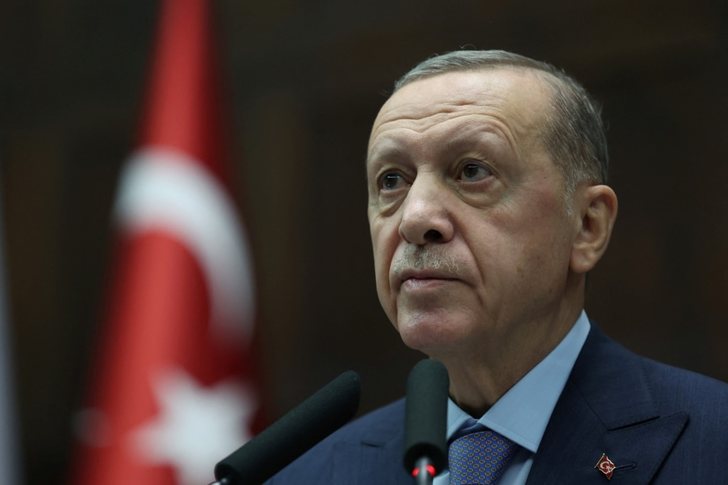
The President of Turkey, Recep Tayyip Erdogan, has inc...

A 39-year-old citizen has been arrested in Lezha, after se...

CNA has launched another investigation that could lead to ...

Irfan Hysenbelliu is a businessman that we call "Irfan the...

In March 2026, CNA launched another investigation centered...

The Special Board of Appeal (KPA) decided this Monday ...

The KPA vetting decided this Thursday to dismiss the p...

Suela Salavaçi, a prosecutor in the Prosecutor's Offic...

The Special Board of Appeal reinstated the prosecutor ...

Following the successive operations carried out by the ope...
The Police Supervision Agency has seized the service weapo...
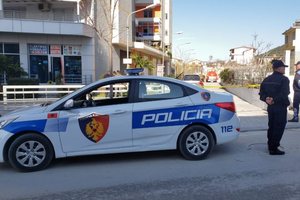
A serious incident occurred in Lushnje, where citizen IY, ...
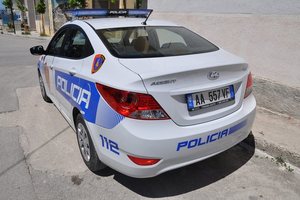
As a result of the investigative and procedural actions ca...
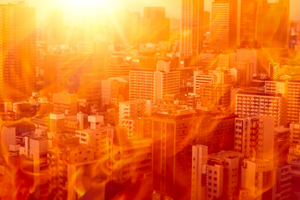
As the year 2026 is in its second half, the world is exper...
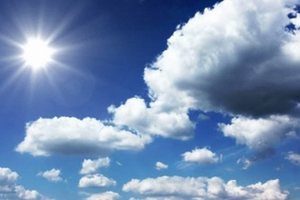
Today, our country will be under the influence of stable a...

By noon, cloudiness is expected to prevail in almost all o...
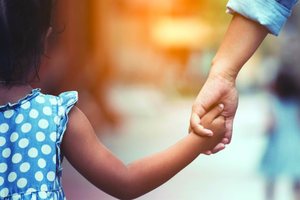
Children without parental care, for whom alternative famil...
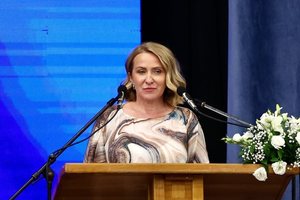
Serbia's Minister of State Administration and Local Self-G...
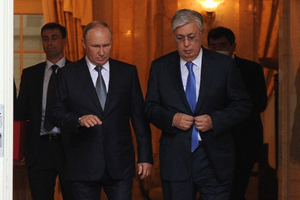
Kazakh President Kassym-Jomart Tokayev shared some critici...
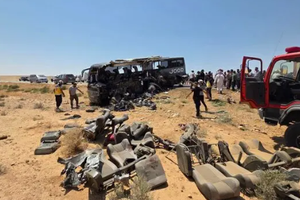
Thirty-five people were killed and 30 others were injured ...

US President Donald Trump has announced that he will seek ...
Two windows, a century of history and the metaphysics of p...
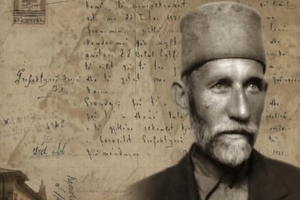
In my research at the Central State Archives, specifically...

At a time when industrial products are increasingly taking...

Trust among people is not just a three-syllable word. It c...
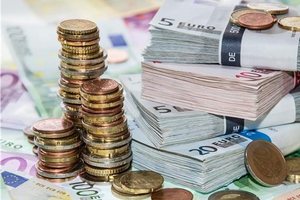
This Saturday, one US dollar is bought for 81.7 lek and so...
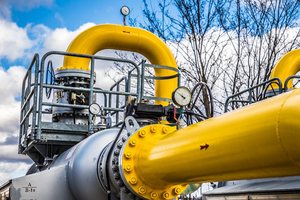
War, weather and supply disruptions could send gas prices ...
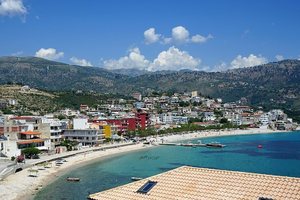
The number of active enterprises in Albania continued to g...
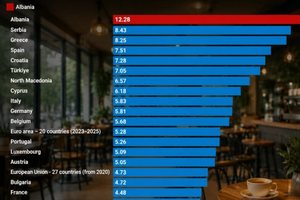
In Albania, the bar-cafe has long become an almost unique ...