


Air passenger rights expanded
Good news for those who fly: After years of negotiations, ...

Good news for those who fly: After years of negotiations, ...

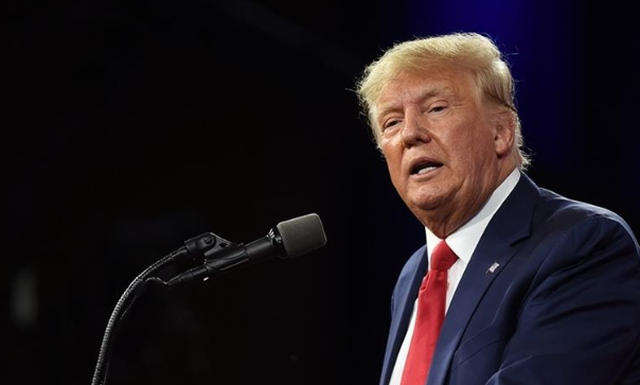
US courts have struck down some of Donald Trump's plans. The president has been vocal about, and sometimes even ignoring, judicial decisions. How much does this threaten the rule of law?
It was Wednesday, March 19, when the dispute escalated to its full extent: "If a president does not have the right to deport murderers and other criminals from our country because a crazy radical leftist judge wants to take over the presidency, then our country is in big trouble, then it is doomed to fail," Donald Trump wrote angrily on his Truth Social network regarding a decision by US federal judge James Boasberg. Trump and several Republican congressmen even called for his impeachment.
How did the escalation come about?

The Trump administration had previously deported hundreds of Venezuelans. The Americans claimed they were members of a drug gang. Despite fierce protests from Venezuelan President Nicolás Maduro, they were flown to El Salvador and held there in the notorious CECOT maximum-security prison.
Trump cited a 1798 law that allows "enemy aliens" to be deported. Federal Judge Boasberg of Washington had blocked the deportations - it was first necessary to check whether the law was enforceable. But the Trump administration ignored the judge's ruling. The reason given was that the planes were already in the air at the time of the judicial stay.
Some apples of contention
This is by no means the only case where the Trump administration and the US judiciary have clashed. For example, a US federal judge has ordered a halt to the closure of the development assistance agency USAID, which was sought by Trump and his adviser Elon Musk. A federal judge in Maryland has blocked, at least for the time being, Trump's Defense Secretary Hegseth's expulsion of transgender people from the US military. Another Washington judge has ordered the government to pay $14 billion in restitution in grants to three climate protection organizations.
"We have out-of-control judges who are destroying our country," Trump complained in an interview with US broadcaster Fox News. Asked if he would challenge a court ruling, Trump said: "No, you can't do that."
Illegal evictions?
Really? "At the moment, Trump is suffering one defeat after another in court," says Johannes Thimm, deputy head of the Americas research group at the Berlin-based Foundation for Science and Politics (SWP). "There are now first signs that he is either ignoring or openly questioning certain court decisions and is not implementing them in practice." At the moment, this seems to be happening particularly with deportations.

Just days ago, Rasha Alawieh, a Lebanese-born doctor at Brown University in Rhode Island, was deported to her country via France, despite a federal court in Boston blocking the move. A similar fate now threatens Palestinian-born student Mahmoud Khalil, who was detained and deported for participating in pro-Palestinian demonstrations on the Columbia University campus. In this case, too, there is a court order against deportation.
In recent days, it has become clear how little Donald Trump and his supporters think about such decisions by judges. Trump-appointed “border czar” Tom Homan told Fox News: “I don’t care what the judges think.” If “terrorists are taken out of the country,” then “that should be a reason to celebrate in this country.”
Even Attorney General Pam Bondi criticized the suspension of deportation orders as a "disregard for President Trump's executive powers." Such decisions endanger the public and law enforcement, Bondi said.
Separation of powers at risk
For Johannes Thimm, these are worrying signals. The SWP expert sees the entire system of separation of powers in the US at risk. On the one hand, immigration because with Congress, "the legislature has practically deregistered itself as a controlling power that can also stop the president." Since the election, Republicans have a majority in both houses of Congress - and they are "practically 100 percent loyal to Trump," said Thimm.

So justice remains. "And here the fundamental problem is that the courts cannot effectively enforce their decisions, especially not against the government. Because they have no police force - the whole system is based on other powers respecting the authority of the courts," the expert emphasizes.
This is precisely what is currently being eroded at an alarming rate. "The fact that Trump has just begun to ignore or defy court decisions has the potential to cause a constitutional crisis. And that is putting it mildly." In a constitutional state, the police and security authorities are primarily there to enforce law and order. But they ultimately report to the president. If there are conflicting instructions from both sides - who should they obey?
Criticism from the Supreme Court
Perhaps that's also one of the reasons why John Roberts, the Supreme Court chief justice, unusually rejected Trump's request to simply remove unpopular judges. "It's been clear for more than two centuries that impeachment is not an appropriate response to a dispute over a judicial decision," Roberts said. "That's why we have appellate courts."
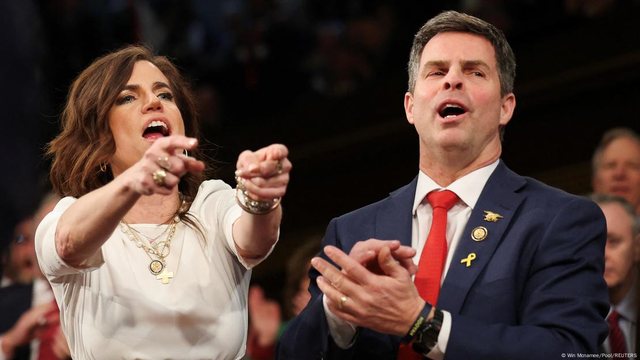
One should not "make the mistake of believing that the Supreme Court, with its conservative majority, will vote for Trump in all cases," says Johannes Thimm. The Aa has not always done this in the past - thus reaffirming the independence of the judiciary. The SWP expert believes that "there is now a kind of power struggle going on. Trump is testing what he can do. And then it really depends on the Supreme Court to support the courts, as John Roberts has now done."
Towards autocracy?
It is unlikely that the US president will dare to openly confront the Supreme Court, where Donald Trump himself has played a key role in filling vacant seats. "But the basic problem that the Supreme Court cannot enforce its decisions is the same as in other courts," says Thimm. "Theoretically, Trump could also stand there and say: I don't know this or that decision."
After the recent developments regarding deportation flights to El Salvador, Johannes Thimm believes that in the future "it can no longer be ruled out that Trump will simply not enforce certain things through the judiciary and that no one will really do anything or will not be able to do anything about it." "Thus the US takes a big step towards the abolition of the democratic constitutional state."/ DW


As military chiefs from 30 European countries and beyond g...
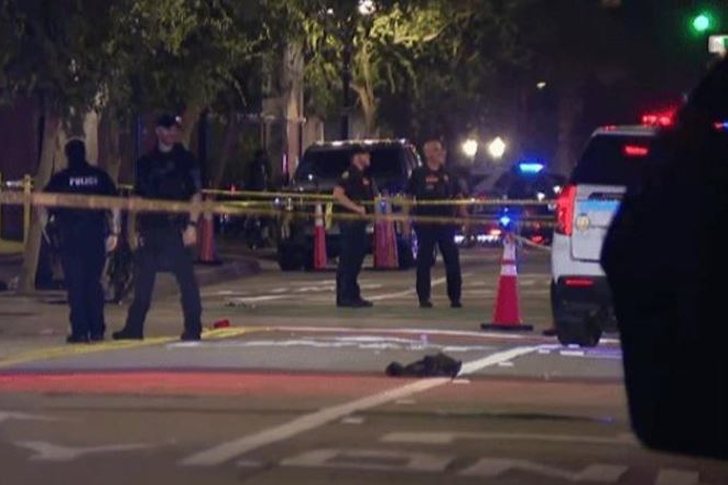
A tragic incident in Young Park, Las Cruces, New Mexico, w...

A serious incident occurred in Evosmos, Thessaloniki, where...
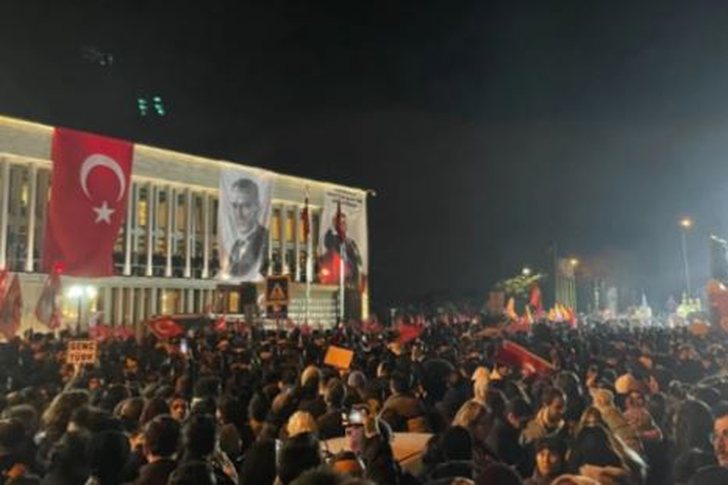
Istanbul Mayor Ekrem Imamoglu was taken to court this evenin...
Vladimir Putin has shown special concern for Donald Trump af...
Qindra banorë, përfaqësues të autoriteteve lokale dhe bizn...

Israel struck targets in Lebanon on March 22 in response t...
The President of the United States of America, Donald Trum...
United States President Donald Trump has revoked the secur...
The administration of US President Donald Trump is monitor...
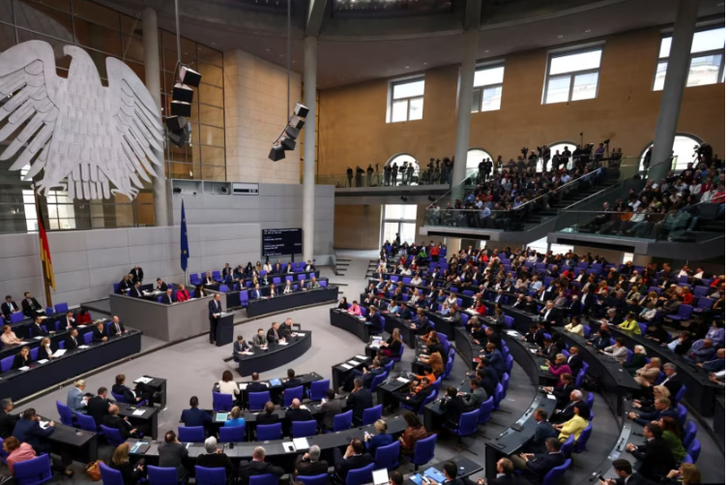
Germany's budget committee has cleared the way for a new m...
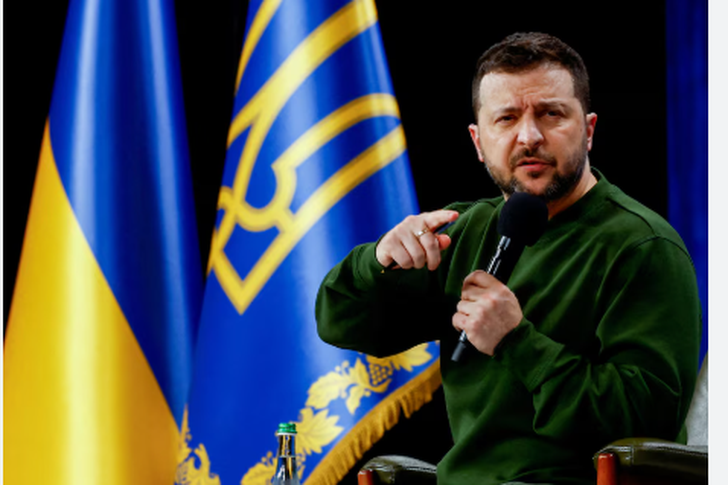
Ukrainian and American officials will meet in Saudi Arabia...
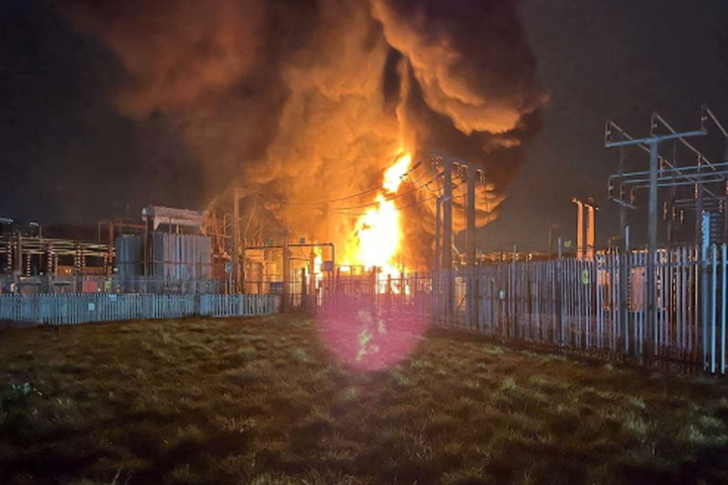
A massive fire broke out near London's Heathrow Airport on...

Accompanied by special police forces and armored vehicles,...

The EU Commission presented in a strategic document how th...
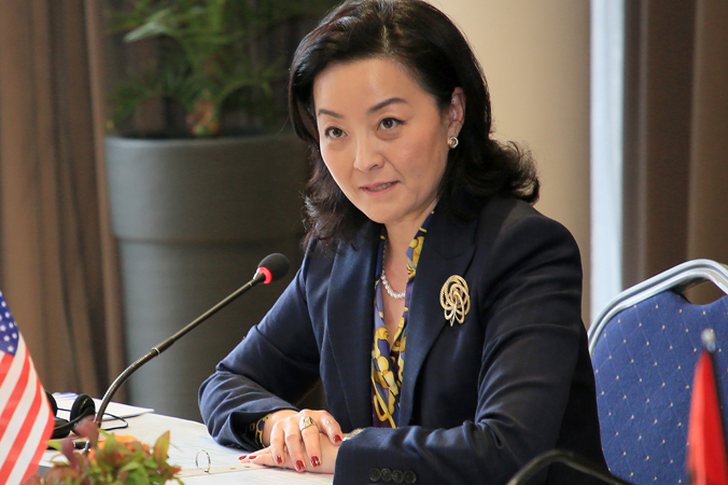
The US State Department has restored Yuri Kim's name and r...

Ukrainian and American officials are expected to meet in S...
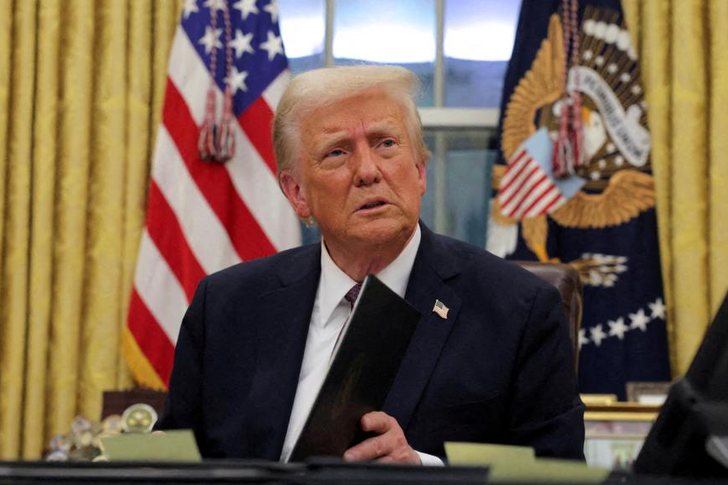
US President Donald Trump is expected to sign an executive...
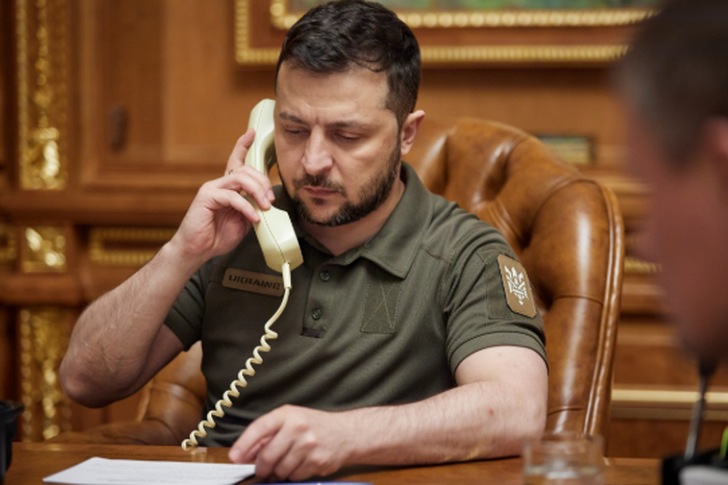
Ukrainian President Volodymyr Zelensky was holding a press...
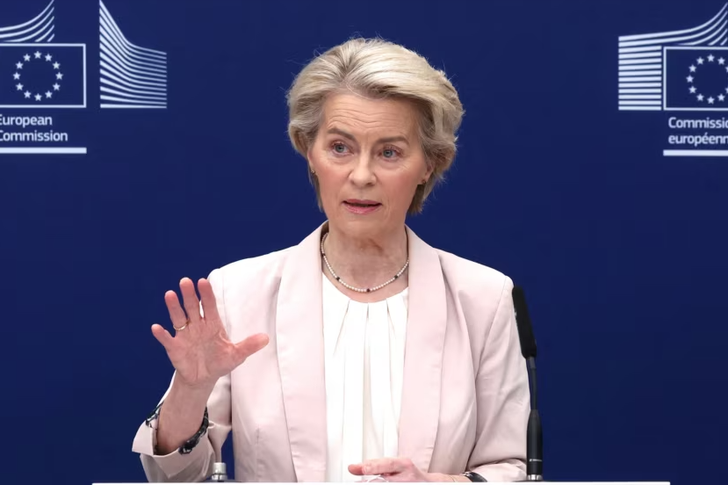
European Commission President Ursula von der Leyen reacted...
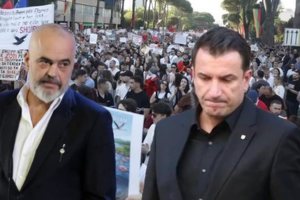
There have been 12 days of protests in the capital, which ...
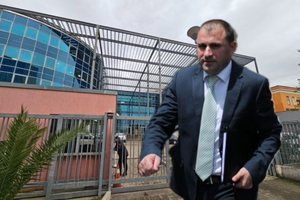
Dritan Prençi is the SPAK prosecutor who is sleeping on th...
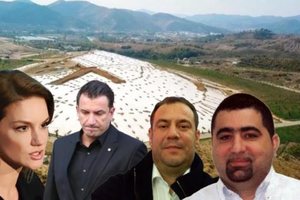
The in-depth investigations that SPAK conducted into Ajola...
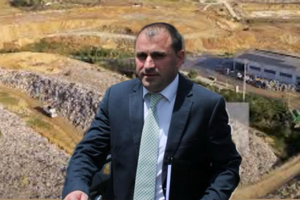
SPAK's standards, the way it investigates, how it secures ...

The Special Board of Appeal (KPA) decided this Monday ...

The KPA vetting decided this Thursday to dismiss the p...

Suela Salavaçi, a prosecutor in the Prosecutor's Offic...

The Special Board of Appeal reinstated the prosecutor ...

New details have emerged regarding the serious accident th...

An Albanian businessman was arrested this afternoon in Gre...

A serious accident has occurred on the Korça-Ersekë axis, ...

Fier Police has announced the measures taken this week for...

Today our country will be affected by stable weather condi...
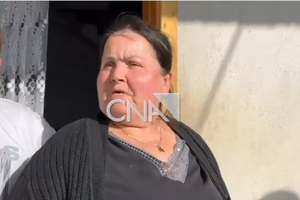
A tragic accident occurred this Friday afternoon in Kameni...

Today our country will be affected by unstable weather con...

On Thursday, our country will be affected by relatively un...
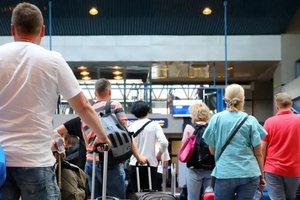
Good news for those who fly: After years of negotiations, ...

It took more than two years, but now the EU can begin acce...

US President Donald Trump announced that the US military h...
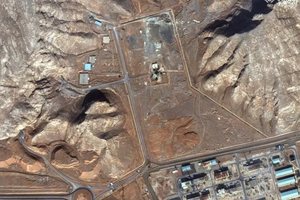
Iran has taken new measures to strengthen the protection o...

Several archaeological excavations conducted during this s...

At the Museum of Fine Arts in Chambéry, France, an exhibit...

Korça has transformed this weekend into the capital of cel...

Korça is ready to open the summer season with one of the c...

This Saturday, one US dollar is bought for 81.5 lek and so...
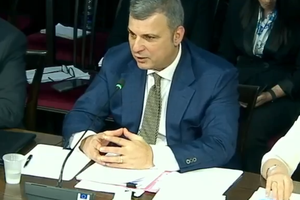
The Governor of the Bank of Albania, Gent Sejko, shared to...

Business lending has increased in the first half of this y...

The labor market has shown worrying trends in early 2026. ...