

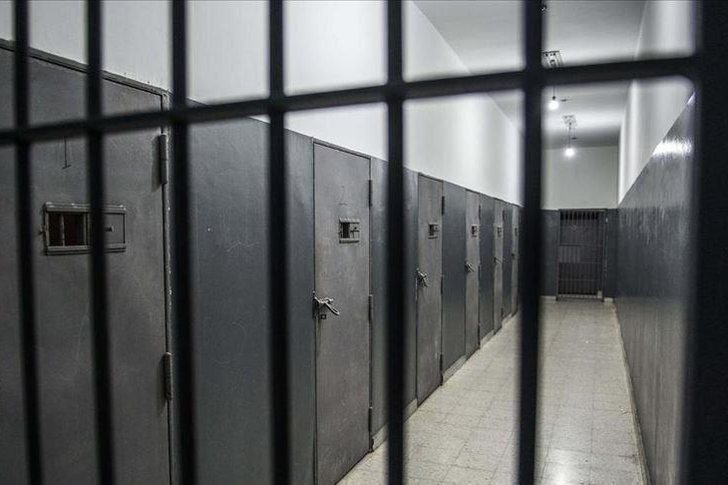
Albanian prisoners in Greece go on hunger strike, complain about rights violations
Albanians who are serving sentences in Greek prisons h...


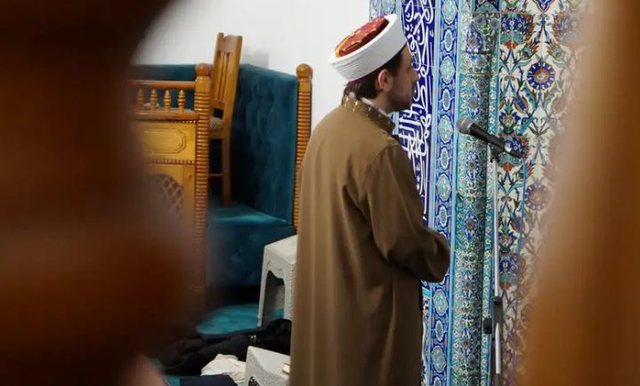
Islamism in Bosnia and Herzegovina and the Sand?ak region in southwestern Serbia is considered cosmopolitan and tolerant. Here Sunni Muslims have lived for centuries with Christians and Jews and created their own form of European Islam. But since the 1990s, this Islam has been constantly under the influence of external pressures. An attack on a guard of the Israeli embassy in Belgrade on 29.06.2024 adds to the fear that a new wave of radicalism may be created.
Before the war in Bosnia (1992-1995), there were no Salafists or Wahhabis in the Balkans, says Vedran Dzihic from the Austrian Institute for International Politics in Vienna. "They don't have roots in the Balkans." To this day, radical groups are a small minority among Muslims.
The influence of radical groups during the war in Bosnia
During the war in Bosnia, Muslim Bosniaks received significant military support, especially from Islamic countries, and along with foreign fighters, radical currents of Islam also entered the country, which did not disappear after the end of the war. They constitute the "basis of political Islamism" in Bosnia-Herzegovina, writes Karsten Dümmel in an analysis for the Konrad-Adenauer Foundation (KAS). Dümmel was the head of KAS office in Sarajevo from 2014 to 2018.
About 4,000 mujahedeen from Arab countries fought on the Bosnian side at the time, many of them remained there after the Dayton Peace Agreement in 1995. With open aid from Saudi Arabia, radical groups were established in the late 1990s. in some regions of Bosnia-Herzegovina and Sanjak. Salafist mosques were built and cultural institutions were maintained with Saudi money.
During the war in Syria and Iraq, the Islamic State served as an orientation for young people who were frustrated by society and went to fight for jihad in Syria and Iraq, said political scientist Dzihic. Bosnia-Herzegovina was at the time one of the European countries with the largest number of IS fighters in relation to the population. These IS sympathizers mostly came from some well-monitored Salafist villages in Bosnia. After the fall of IS in Syria and Iraq in 2019, this form of radicalization faded again; since then there have been no more Islamist attacks in the Western Balkans.
The withdrawal of the Saudis
But radical organizations continue to exist, although Saudi Arabia has reduced its financial aid. The perpetrator in Belgrade, a Serbian convert, was radicalized by them, according to the media. He recently lived in the Muslim-majority town of Novi Pazar in the Sand?ak region of southern Serbia.
In January 2020, Saudi Crown Prince Mohammed bin Salman announced that he will no longer help build mosques abroad. In a televised speech in 2021, the country's de facto ruler described the "ultra-conservative interpretation of Islam as transcended".
Here, in fact, a pillar of extremism collapsed, but new factors play a significant role. The ongoing war in the Middle East may become a new impetus for radicalization. "So far there has been little impact of the Gaza war on the Balkans," says Giorgio Cafiero, an expert on the Balkans at the US think tank Gulf State Analytics. "But the longer the situation in Gaza drags on, the more the risk increases." The war in Gaza is contributing more than any conflict in the world to the radicalization of young Muslims. "In the Arab and Islamic world we have strong emotions because of the many deaths in Gaza that happen every day." This can push many young people into the hands of radical forces.
Radicalization by the war in Gaza?
Even the political scientist Vedran Dzihic thinks that the current events in the Middle East could create a new wave of radicalization, although the number of new radicals cannot be said exactly. In the Western Balkans, the war in Gaza is perceived as a worldwide campaign against Muslims.
"The West mourns dead children in Ukraine, is silent about Gaza." This leads to bitterness, anti-Western sentiment and anti-Semitism.
Serbia's policy is also perceived as ambivalent. On the one hand, the country supports the concerns of the Palestinians, on the other hand, it also supplies Israel with weapons since 7.1.2023.
Social inequality and dissatisfaction
Most Muslims in Bosnia-Herzegovina and Sand?ak reject the extreme trends as an abuse of their religion. The Islamic community clearly distanced itself from the terrorist attack in Belgrade. But in addition to the war in Gaza, social inequality and the unfulfilled promise of a better future after the end of the war in Bosnia constitutes a breeding ground for radicalism.
"The whole region in the 1990s experienced a great social and economic decline," says Vedran Dzihic. "Hopes for an 'improvement process' have not been fulfilled." What has benefited is only a small elite, close to the regimes. The vast majority of Bosniaks struggle with marginalization, poverty and a low standard of living almost on the verge of Among young people there is great dissatisfaction with their situation. Hundreds leave the region every year.
"This situation causes dissatisfaction and feeds the ground for extreme ideologies, not only Islamist ones, but also for Serbian nationalism." Muslims in Sanjak see themselves as disadvantaged and discriminated against by the Serbs. After the attack in Belgrade, the risk of anti-Muslim sentiments in Serbia is increasing. This in turn would further fuel the spiral of disillusionment and radicalization. /DW

Albanians who are serving sentences in Greek prisons h...
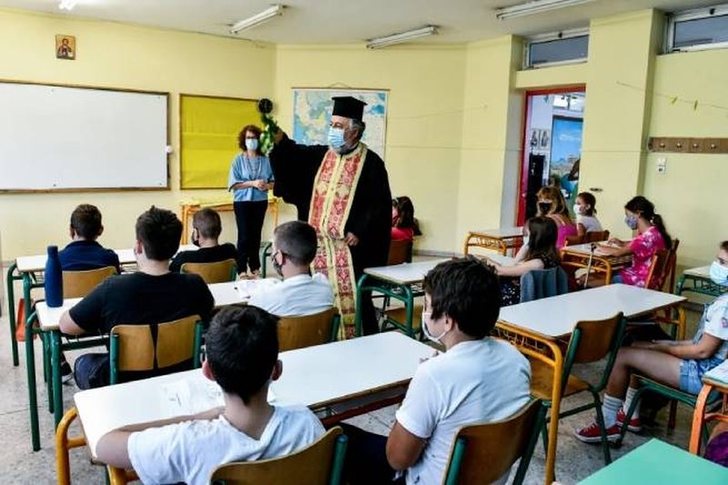
The Greek government has thought of taking a step towa...

k Republican presidential candidate Donald Trump held h...
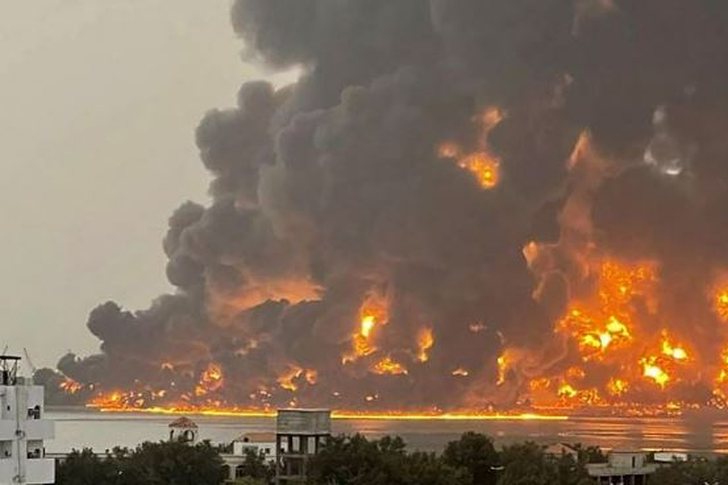
Israeli airstrikes targeted Houthi rebels in Yemen a day a...

Poland is calling on the European Union to launch a campai...
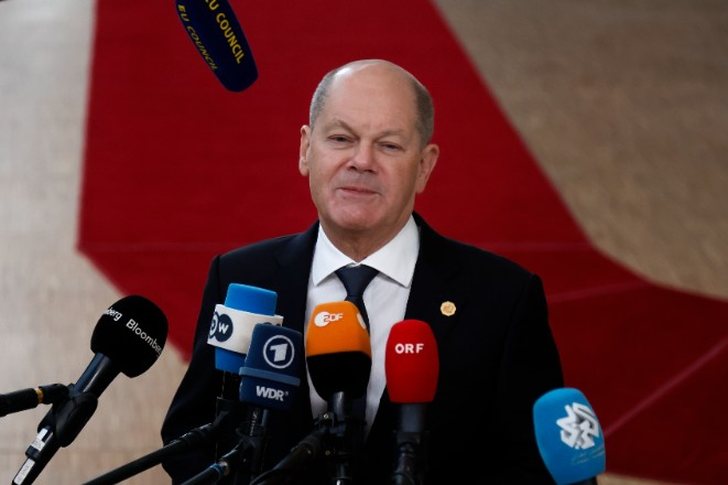
The German Chancellor, Olaf Scholz, in an activity on ...
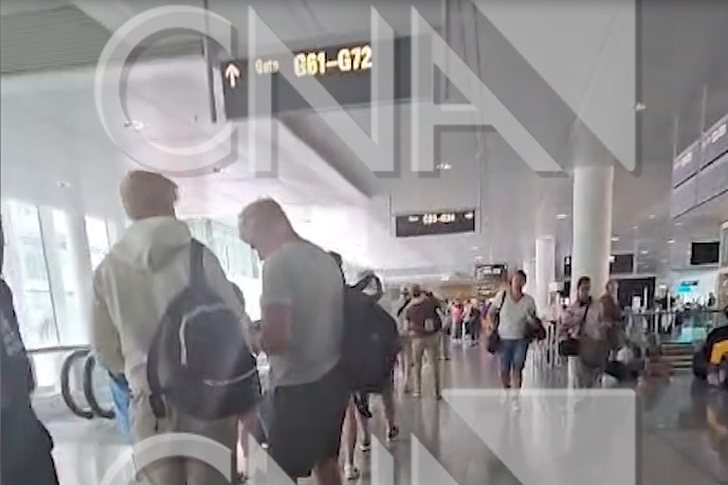
Worldwide problems in computer systems have caused cha...
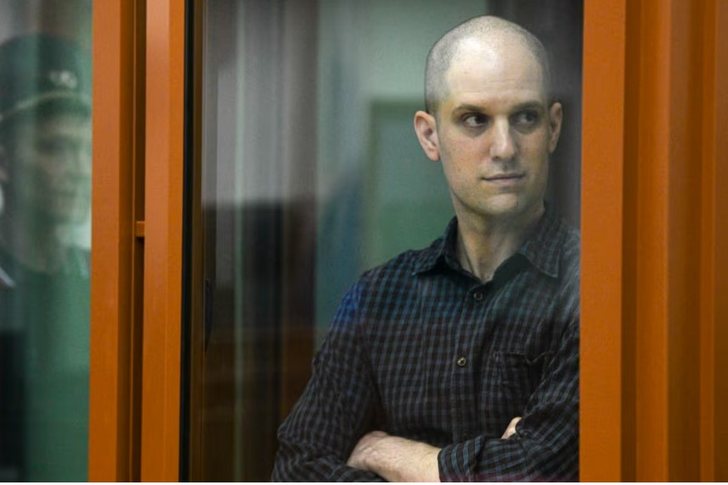
Russia sentenced American journalist Evan Gershkovich ...
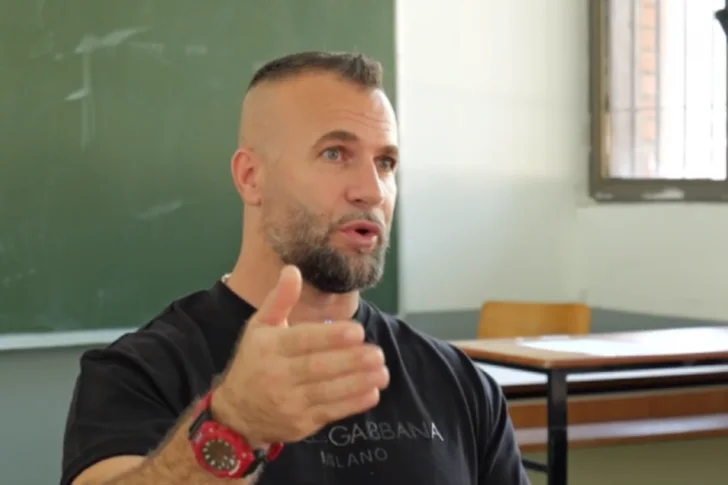
The authorities in Belgrade will arrest any possible p...
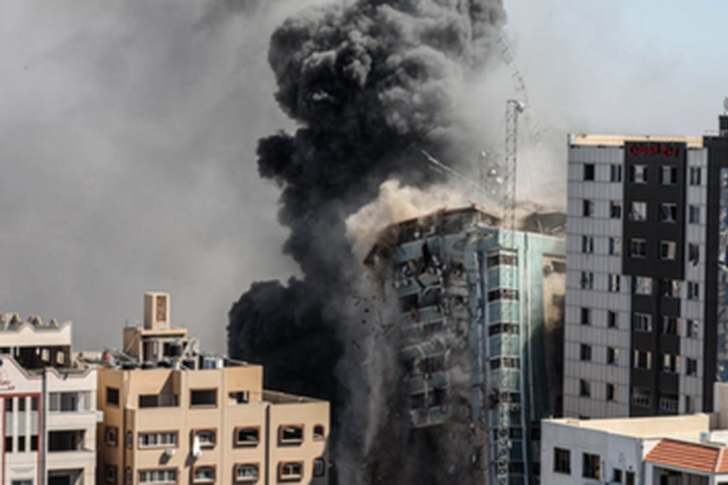
At least 27 people have been killed in the last 24 hours i...

While top Democratic officials are pressuring Presiden...
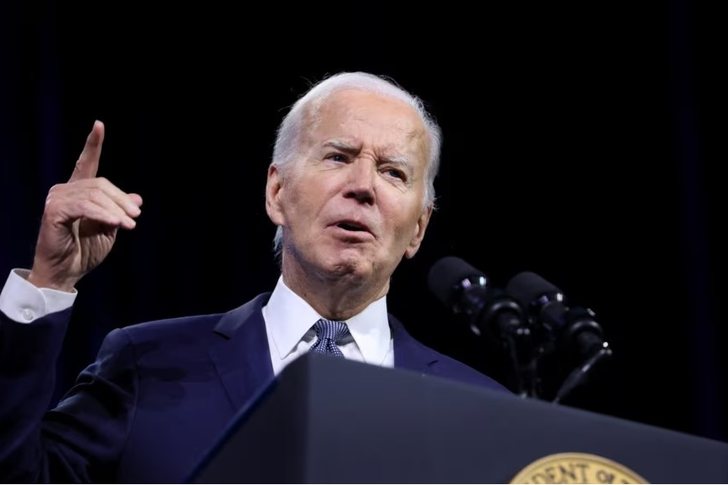
On Friday, President Joe Biden's campaign team announc...
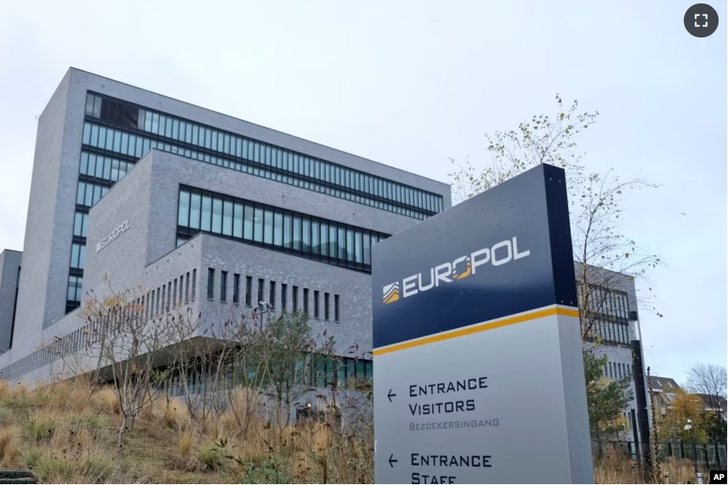
Organized crime is spreading across Europe, according ...
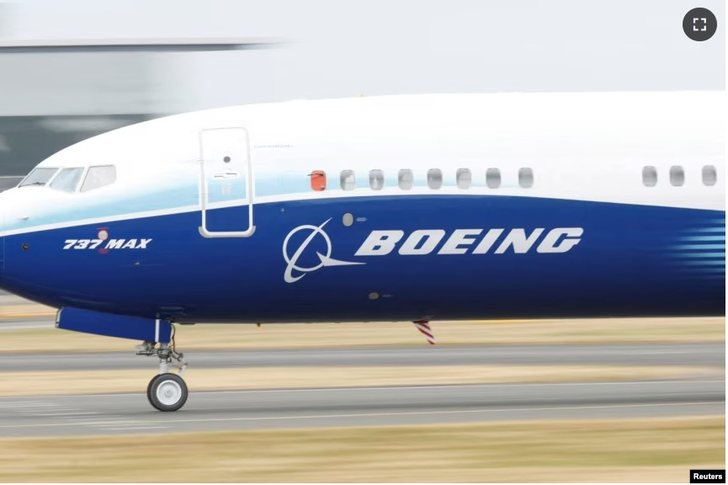
American manufacturer Boeing predicts that the aviatio...
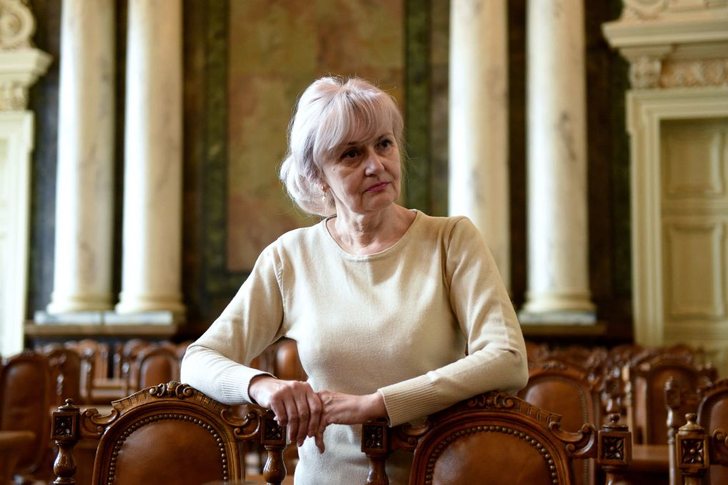
Ukraine's former nationalist MP Iryna Farion, known fo...
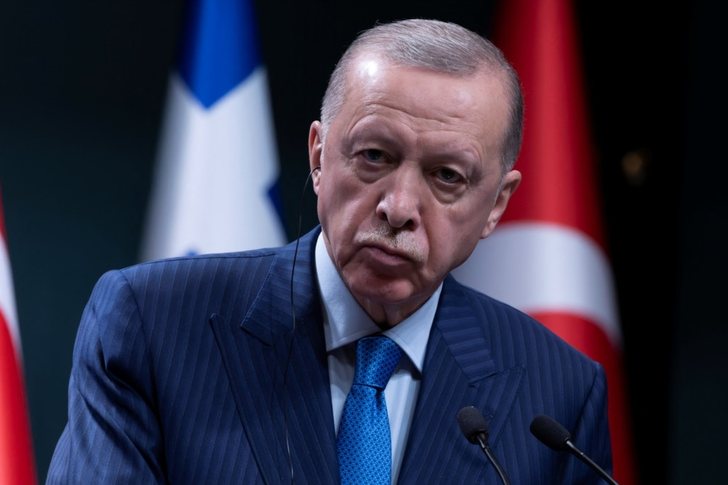
Turkey continues to oppose the creation of a united Cyprio...
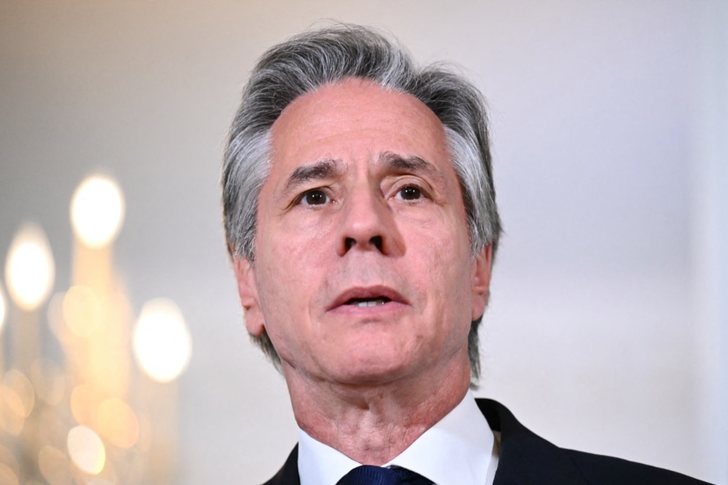
US Secretary of State Antony Blinken said he will meet...
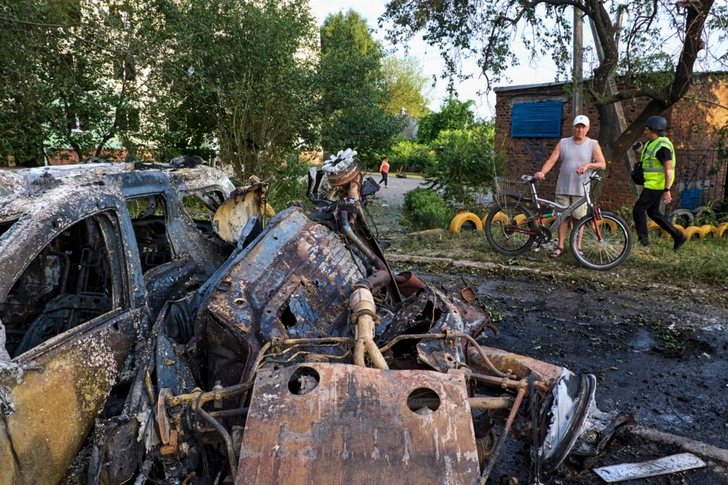
Ukrainian officials have said that two civilians were ...
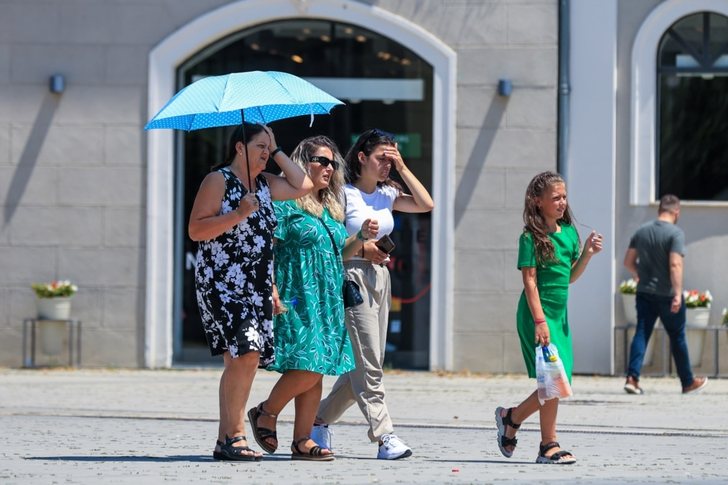
The Ministry of Health in Kosovo announced on Saturday...
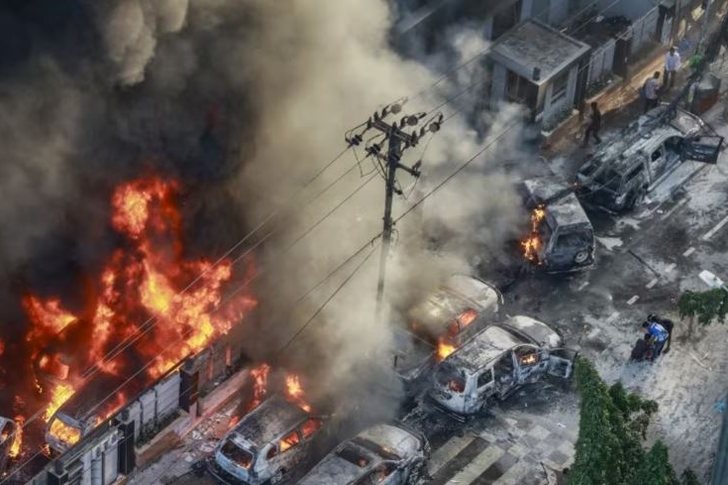
Soldiers in Bangladesh are patrolling the streets of t...
Journalist Elton Qyno has made a complaint regarding the w...
After the first denunciation, the Plug show has continued ...
Today, CNA has published a complaint from residents of the...
A complaint from residents of the village of Gjashtë in Sa...

The Special Board of Appeal (KPA) decided this Monday ...

The KPA vetting decided this Thursday to dismiss the p...

Suela Salavaçi, a prosecutor in the Prosecutor's Offic...

The Special Board of Appeal reinstated the prosecutor ...
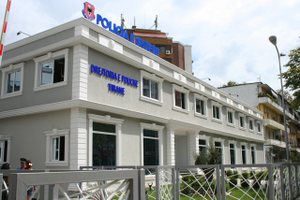
Tirana Police announce that 11 citizens have been identifi...
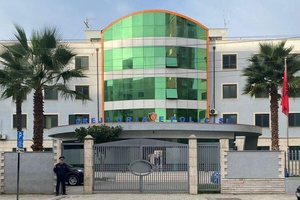
A police officer at Durres prison has been arrested in fla...
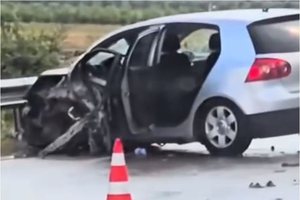
An accident occurred this afternoon on the Elbasan-Peqin a...
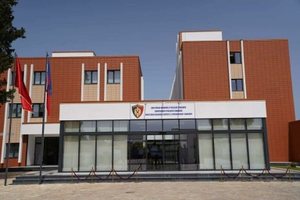
The Police Supervision Agency has suspended the former dir...
Today, our country will be affected by almost the same met...
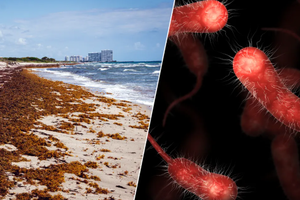
As climate change warms coastal waters in northern Europe,...
Today, our country will be affected by almost the same met...

Turkish police said on Tuesday they had arrested more than...
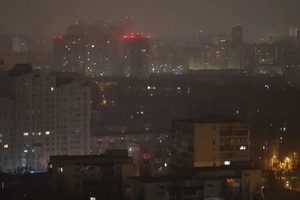
Multiple explosions are reported by foreign media in the U...

Prime Minister Mark Carney spoke today with US President D...
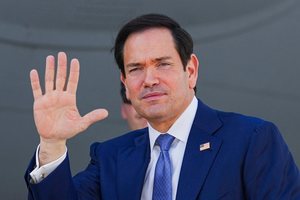
US Secretary of State Marco Rubio concluded a three-day vi...
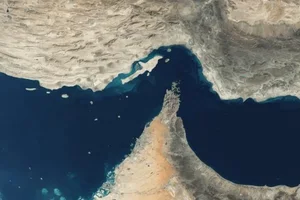
A cargo ship was damaged this Thursday after being hit by ...

The promotion of the book by author Aleksandër Ikonomidhi ...
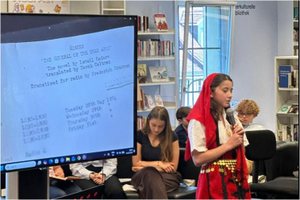
The Albanian Embassy in Switzerland has organized an eveni...
This Wednesday, the prominent actor of Albanian cinema, Gj...
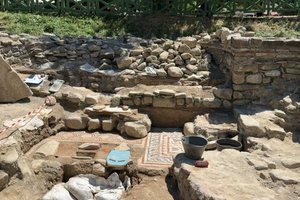
Several archaeological excavations conducted during this s...

Austria was the leading foreign investor in Albania in the...
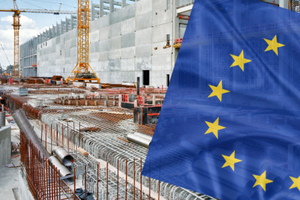
Between 2015 and 2025, residential construction prices inc...
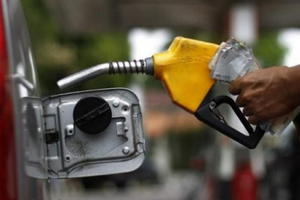
Oil prices have fallen to levels not seen since before the...

The seasonally adjusted unemployment rate in the euro area...