

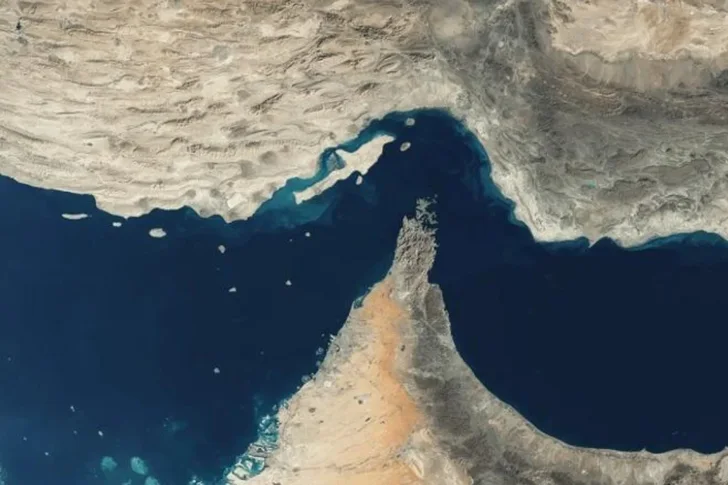
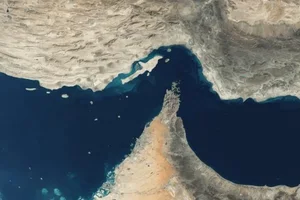
A missile hits a cargo ship in the Strait of Hormuz
A cargo ship was damaged this Thursday after being hit by ...


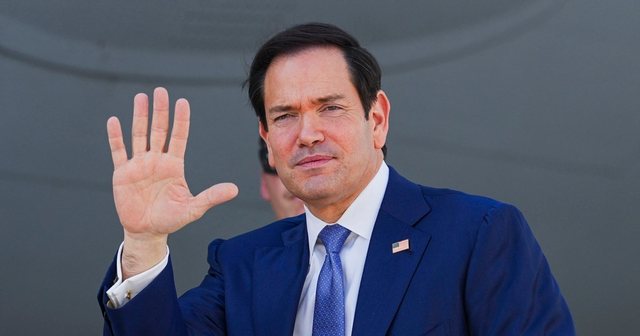
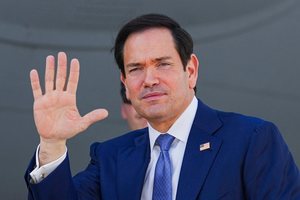
US Secretary of State Marco Rubio concluded a three-day visit to the Persian Gulf on June 25 with messages to reassure Washington's allies in the region, reiterating the intention to pursue the path of diplomacy with Iran and insisting on freedom of navigation in the Strait of Hormuz.
Speaking after a Gulf Cooperation Council (GCC) ministerial meeting in Bahrain, he sought to allay concerns over the framework of the US-Iran deal, stressing that regional partners would be informed "at every step of the process" of the talks.
This visit, his first to the Persian Gulf since the US-Iran interim deal was signed last week, highlighted both the fragility of the developing peace process and the concerns of Arab allies still reeling from Iranian attacks during the conflict.
"It is important to emphasize some things that are priorities for us. We want a deal, but not at any price. We want a good deal," he said during the GCC meeting - which includes Bahrain, Kuwait, Oman, Qatar, Saudi Arabia and the United Arab Emirates.
"We want to make sure that every decision made during this negotiation process always includes the interests of our partners and allies in the region," said Marco Rubio.
The main message of Rubio's tour was reassurance: any final understanding with Tehran would have to address not only nuclear issues, but also Iran's network of proxies, ballistic missile activity, and maritime threats.
Speaking to reporters in Manama, Rubio said Iran's support for armed groups in the region should be addressed in broader talks.
"When you give money, for example, to Hezbollah to act as a rival to the sovereign government of Lebanon, you interfere in their politics. When you support militias in Iraq, you interfere in Iraq. When you support Hamas or the Houthis, or whoever, you interfere in the sovereignty of those countries," Rubio said.
He added: "There will be no peace and stability in this region as long as non-state actors operate within the borders of sovereign states and are funded by Iran."
In saying this, he addressed one of the Gulf states' main fears: that Washington could reach a narrow nuclear deal, leaving them exposed to renewed fighting by armed groups.
The memorandum of understanding (MOU) signed by US President Donald Trump and his Iranian counterpart, Masoud Pezeshkian, makes no mention of armed groups such as the Houthis in Yemen or Hezbollah in Lebanon. It also makes no mention of Iran's ballistic missile program.
If there was one issue that Rubio emphasized above all else during the tour, it was the Strait of Hormuz.
“Një gjë që u bë shumë e qartë është se nuk ka asnjë mbështetje, zero mbështetje mes vendeve të Gjirit për çdo lloj takse apo tarife për përdorimin e ujërave ndërkombëtare”, tha Rubio.
Ai e ashpërsoi paralajmërimin më vonë: “Nëse po vendosni taksë për përdorimin e ngushticës, ne nuk do ta mbështesim, nuk do ta tolerojmë, nuk do ta lejojmë”.
Rubio përsëriti refuzimin për të bërë dallim mes “tarifave” dhe “taksave”.
“Mund ta quani tarifë, mund ta quani taksë, quajeni si të doni. Nëse po vendosni tarifë për përdorimin e ngushticës, ne nuk do ta mbështesim”, theksoi ai.
MOU përcakton se Irani do të bëjë “përpjekjet më të mira” për të siguruar kalim pa tarifa për “vetëm 60 ditë”, në pritje të një marrëveshjeje përfundimtare.
Prej se u nënshkrua, zyrtarët iranianë kanë deklaruar vazhdimisht se Irani do të vendosë “tarifa shërbimi” për kalimin e anijeve. Përpjekjet për të afirmuar kontrollin iranian mbi ngushticën vazhduan më 25 qershor, pasi Garda Revolucionare e Iranit theksoi se anijet mund të kalojnë vetëm nëpër ujërat iraniane, jo përmes rrugës jugore në ujërat e Omanit, për të cilën Uashingtoni ka bërë thirrje të përdoret për transportin detar.
Kërcënimi i nënkuptuar ndaj transportit detar u hodh poshtë nga Rubio, i cili tha se Uashingtoni do ta gjykonte Iranin jo nga retorika e tij, por nga fakti nëse transporti vazhdon pa ndërprerje.
“Ajo që na intereson është nëse anijet po lëvizin”, tha Rubio. “Nëse anijet po lëvizin siç duhet, atëherë këtë do ta marrim si kriter”.
Por, ai shtoi një paralajmërim: “Nëse kjo ndalet, atëherë do të kemi një problem”.
Deri tani, transporti detar është rritur ndjeshëm qëkurse u nënshkrua MOU, edhe pse mbetet ende shumë më poshtë niveleve të para luftës.
Kompania e inteligjencës së mallrave Kpler vuri në dukje 70 kalime në të dy drejtimet më 24 qershor, shifra më e lartë që nga 1 marsi. Po atë ditë, kompania e inteligjencës detare Windward raportoi një rritje prej 48 për qind në trafikun përmes ngushticës.
Retorika e Rubios ndaj Iranit mbeti e ashpër edhe pse diplomacia po avancon.
I pyetur nga Radio Evropa e Lirë se çfarë do të bënte Uashingtoni nëse Irani i hedh poshtë kushtet amerikane për Hormuzin ose kufizimet bërthamore, Rubio theksoi se administrata mbetet e përkushtuar ndaj negociatave.
Por, ai e shoqëroi këtë me një paralajmërim: “Nëse nuk funksionon, presidenti i di opsionet e tij”./REL

A cargo ship was damaged this Thursday after being hit by ...

A 23-year-old TikTok influencer accused of killing her boy...
The Supreme Court has ruled that migrants arriving at the ...
Më shumë se 10,000 persona janë raportuar të zhdukur nga t...
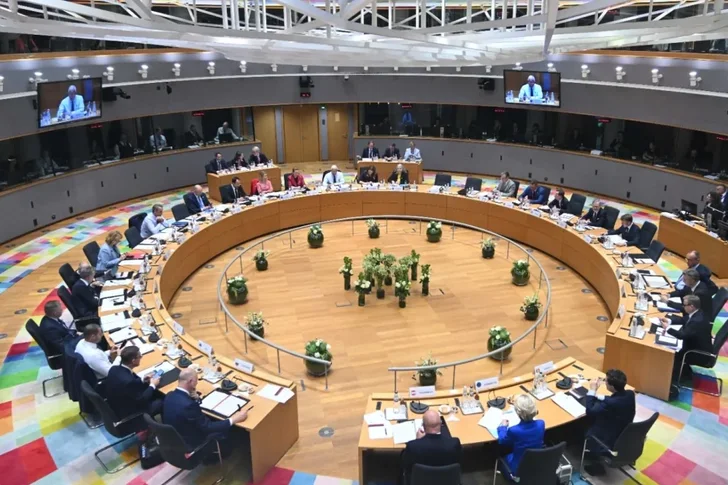
The Council of the European Union today gave final approva...
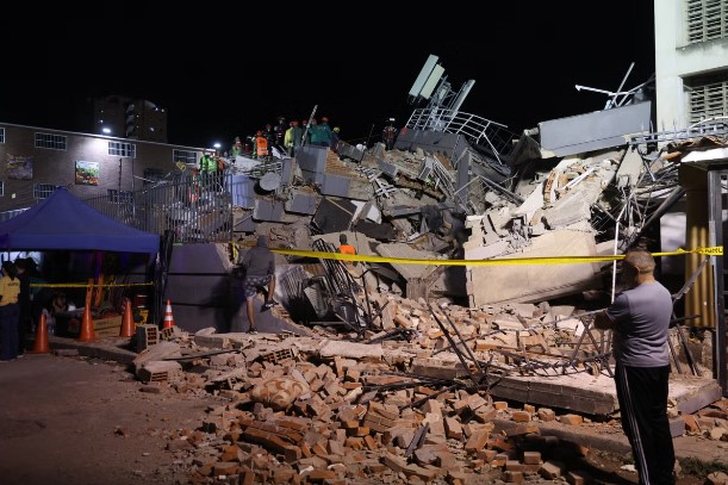
Shtetet e Bashkuara të Amerikës, Kinë, Kili dhe vende të t...
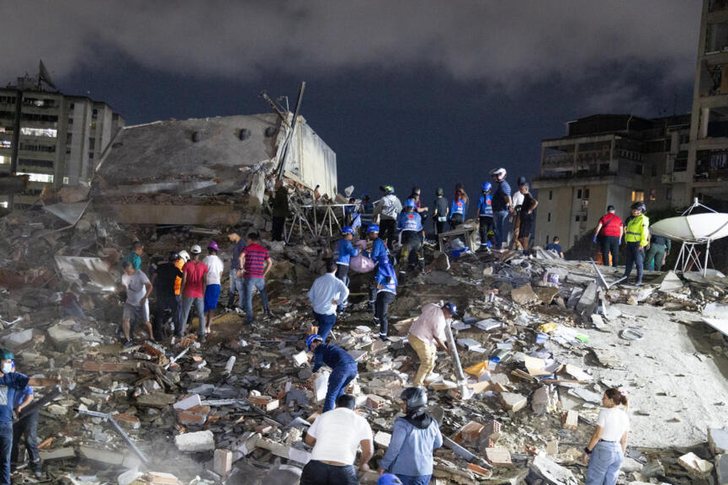
The death toll from devastating earthquakes in Venezuela h...
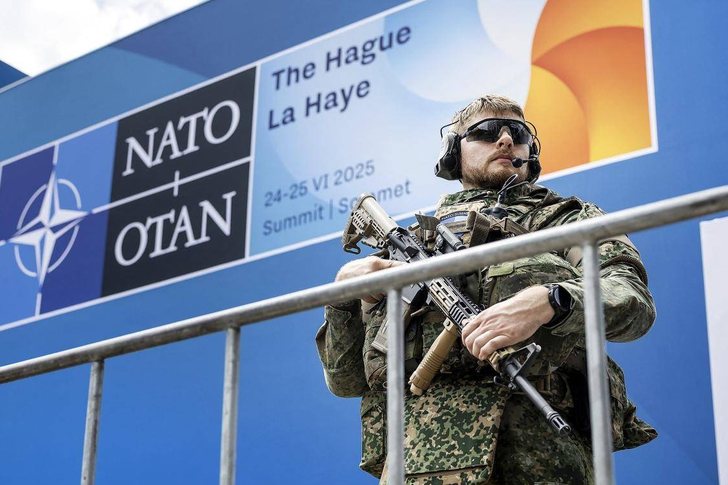
Iran's Foreign Ministry described the statements of NATO c...
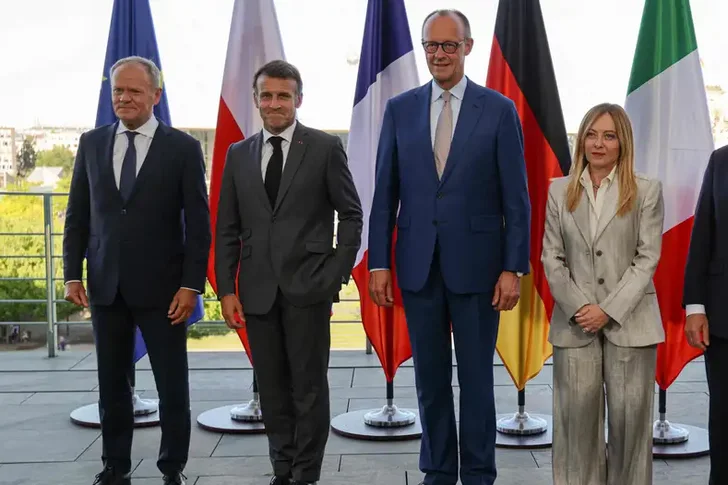
NATO's five most powerful member states in Europe gathered...
Iceland's opposition leader, Gudrun Hafsteinsdottir, has s...
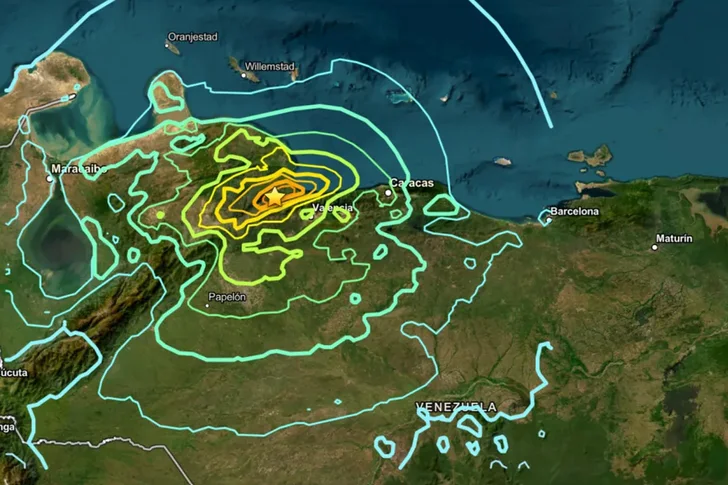
Wednesday's earthquake was the largest to hit Venezuela i...

A severe heat wave sweeping across Western Europe has brou...
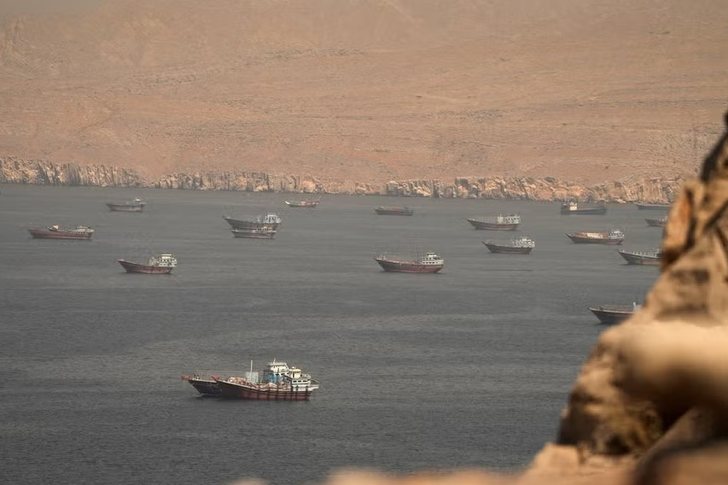
Iran's Revolutionary Guard has warned all ships in the Str...
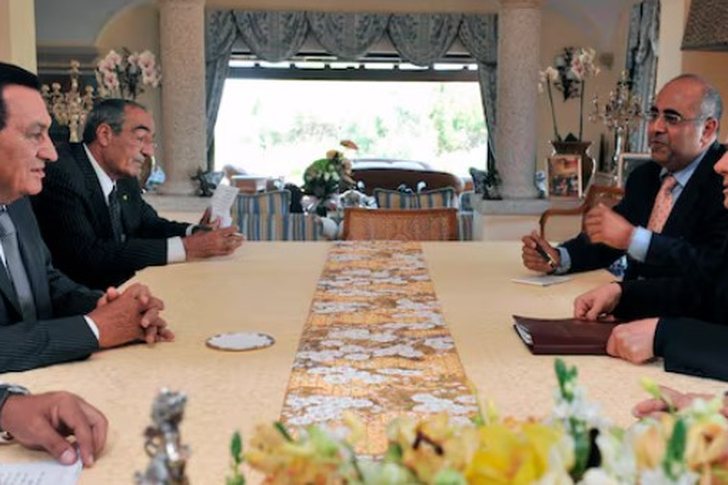
Trashëgimtarët e ish-kryeministrit italian, Silvio Berlusc...
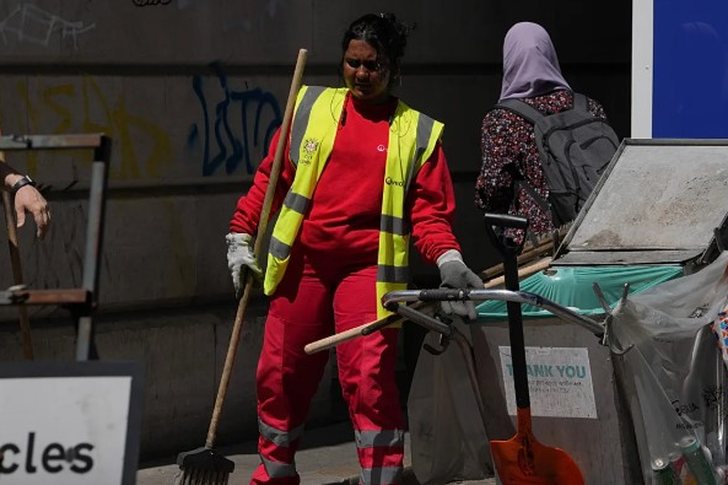
Parts of Europe are experiencing up to 40 extra days of se...

Only four EU countries have implemented the EU's Pay Trans...
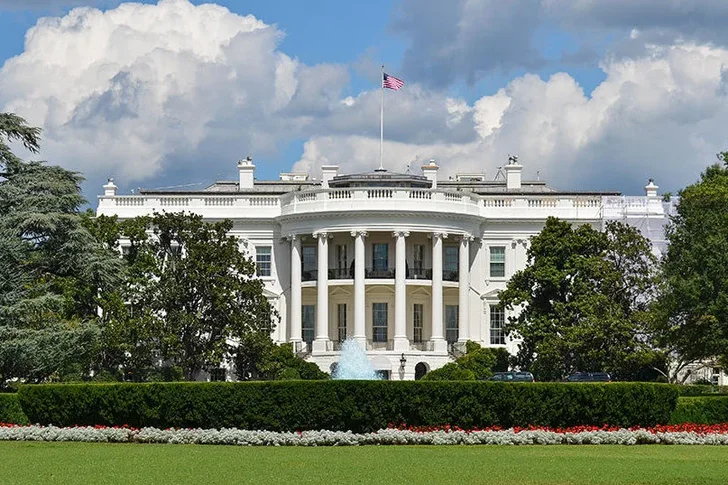
The White House has asked Congress to approve an $87.6 bil...
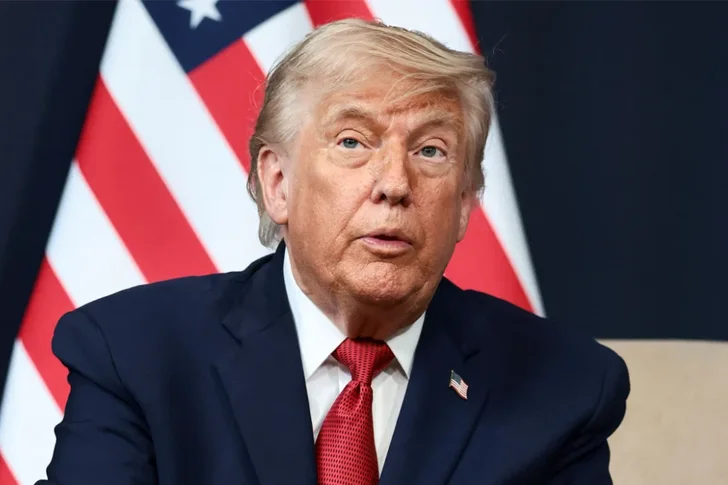
United States President Donald Trump said his country is r...
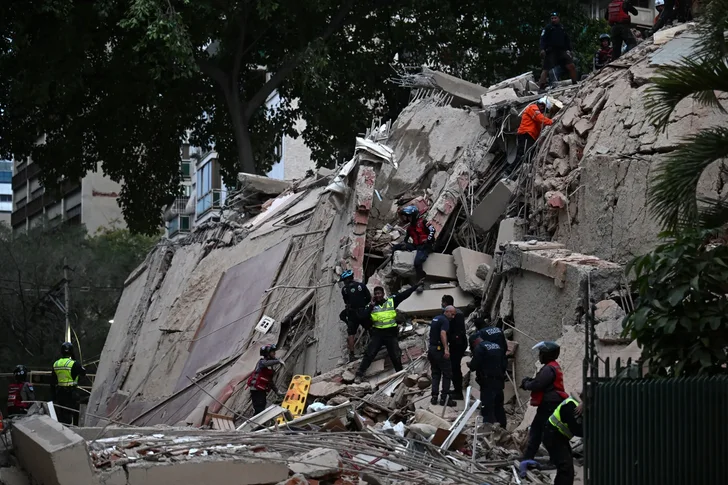
Two powerful earthquakes measuring 7.2 and 7.5 on the Rich...
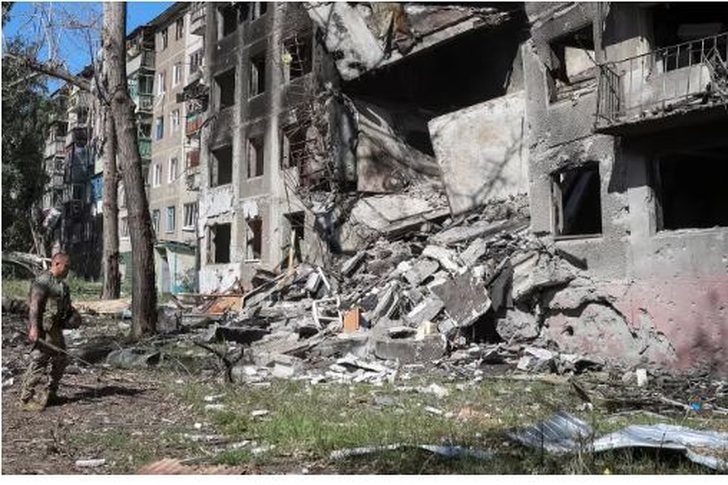
Russia is still advancing slowly in the Donetsk region of ...
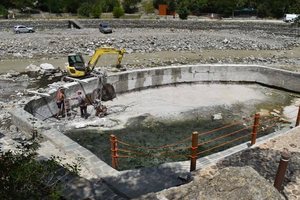
Journalist Elton Qyno has made a complaint regarding the w...

After the first denunciation, the Plug show has continued ...
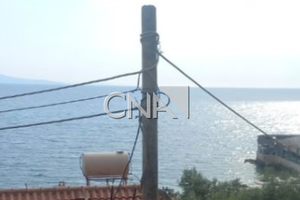
Today, CNA has published a complaint from residents of the...
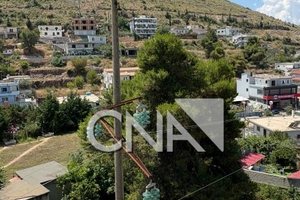
A complaint from residents of the village of Gjashtë in Sa...

The Special Board of Appeal (KPA) decided this Monday ...

The KPA vetting decided this Thursday to dismiss the p...

Suela Salavaçi, a prosecutor in the Prosecutor's Offic...

The Special Board of Appeal reinstated the prosecutor ...
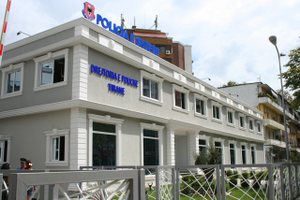
Tirana Police announce that 11 citizens have been identifi...
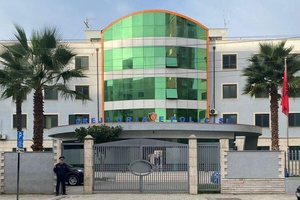
A police officer at Durres prison has been arrested in fla...

An accident occurred this afternoon on the Elbasan-Peqin a...
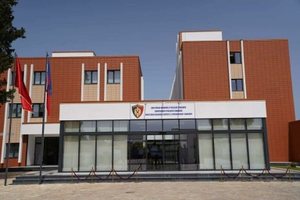
The Police Supervision Agency has suspended the former dir...

Today, our country will be affected by almost the same met...
As climate change warms coastal waters in northern Europe,...

Today, our country will be affected by almost the same met...

Turkish police said on Tuesday they had arrested more than...

Multiple explosions are reported by foreign media in the U...
Prime Minister Mark Carney spoke today with US President D...
US Secretary of State Marco Rubio concluded a three-day vi...
A cargo ship was damaged this Thursday after being hit by ...

The promotion of the book by author Aleksandër Ikonomidhi ...
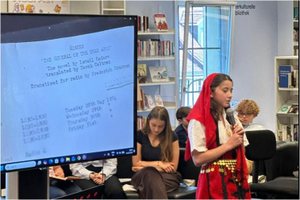
The Albanian Embassy in Switzerland has organized an eveni...

This Wednesday, the prominent actor of Albanian cinema, Gj...
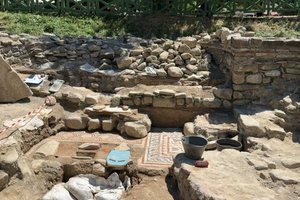
Several archaeological excavations conducted during this s...

Between 2015 and 2025, residential construction prices inc...
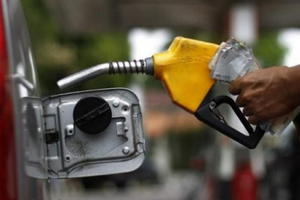
Oil prices have fallen to levels not seen since before the...

The seasonally adjusted unemployment rate in the euro area...
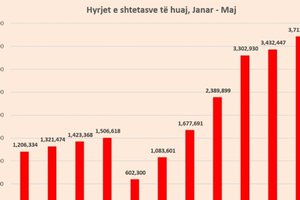
Tourism marked an acceleration in growth during May, refle...