




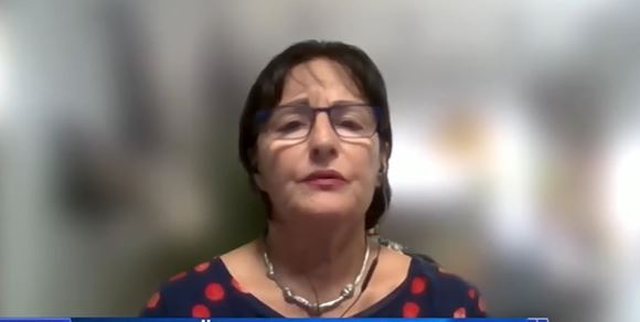
The unprecedented attack by Hamas, the heaviest ever for the state of Israel, has fundamentally changed the lives of the country's residents. The constant threat of strikes and the state of war declared in response affects every citizen who has lost any sense of security.
Albanian-Israeli Feliçita Jakoel, president of the Israel-Albania friendship association, told VOA about the situation there in an interview.
Jakoel said that in the 30 years he has been living in Israel, since he left Albania, this is the most serious situation in the country. Just an hour before the interview, the sirens had sounded in Tel Aviv and she, like all the other residents, had entered the security rooms, where she had heard a powerful explosion.
Journalist: To talk about the created situation, we contacted the Albanian-Israeli citizen, Felicita Jakoel, who is also the president of the Israel-Albania friendship association, directly from Tel Aviv. Mrs. Jakoel, it has been a week since the Hamas attack. Can you describe to us your feelings as an Israeli citizen since that day?
Felicita Jakoel: For me and for all Israelis that day and the whole week are extremely difficult. But the first and second day were a surprise, a trauma, a state that we did not believe we were living in reality, and it seemed to all of us that we were living in a horror movie. The whole country was in an extraordinary trauma, but after two or three days, just as it happens with human beings, people started to recover, the country started to recover, the state started to recover and now there is a unanimity and a readiness. , that we all try to get through this period together, which for me, who have been living in Israel for 30 years, is undoubtedly the most difficult period. Israel is not an easy country. We have been through many dramatic and tragic events in these 30 years, but without much discussion, this is the most serious event.
Journalist:: Ms. Jakoel, can you describe the situation in Tel Aviv, which, although further from the southern border, is also targeted by Hamas?
Felicita Jakoel: Yes. An hour ago I was here in the lounge and suddenly I heard the siren, and I immediately got up, like everyone else and went into the security room, and then there was an explosion, which was extremely close. It seemed like it was over our heads, so close it sounded. It was a rocket from Gaza, but we are used to that too. Here we also have the iron dome, which until today has saved thousands and thousands of human lives. The condition is very fair. The first two or three days everything was closed, everyone was at home, there were no people, no cars, you didn't hear children's voices. Now here in the center, the situation seems to have eased a bit: some cafes have opened, people are going out, but still we are all careful because we know that the situation can get worse.
Journalist:: Mrs. Jakoel, the scale of human losses is bringing comparisons with the most painful chapters of the history of the Jewish people, even with the Holocaust. What does this mean for you and the society there emotionally and psychologically?
Felicita Jakoel: In Israel, Holocaust Day is commemorated as in the whole world, but here that day is remembered with the memories of people who have gone through those things. These events are so painful and so traumatic that, believe me, every year I tell myself this year I will not turn on the TV or listen to the radio. But it is impossible, because the Holocaust is part of the DNA of this people. These days, without listening to the media, but only listening to the stories of those who survived this massacre, reminiscences of the Holocaust naturally come. Terrible scenes, untold stories, journalists who cry talking to the rescued, or seeing the condition of those destroyed villages, with the slaughtered corpses. Among others, they were taken prisoners in Gaza and it is not known now what is done with them. All this is like the return of an unusually deep and heavy trauma for the Jewish people.
Reporter: Ms. Jakoel, Israel responded with airstrikes and called for the evacuation of residents from Gaza in anticipation of a ground attack. How do you respond to concerns about the fallout among Palestinian civilians, which are being voiced even by those who feel strongly that Israel has the right to retaliate against these attacks?
Felicita Jakoel: Israel's situation is hopeless. It is a surrounded country, now we have peace with Egypt and Jordan, but in the north we have Hezbollah, on the border near us is Hamas, a terrorist organization, which everyone compares to ISIS and which is financed and supported by Iran. All of us were hopeful in this period for several reasons. First: Many workers from Gaza came every day and worked in Israel, made a living and returned to their families for dinner, and this helped to improve their economic situation. On the other hand, we were very hopeful that with the intervention of President Biden, Saudi Arabia would also reach an agreement with Israel that would undoubtedly bring relief to the Palestinian population. In fact, a peace process had begun. Just as the peace process started in Oslo and was destroyed by Hamas after the death of J. Rabin, with buses being blown up in Tel Aviv, Jerusalem and so on, Hamas is doing the same now. We have in front of us a narrow strip where 2 million people live, many of whom I believe are innocent, but the underground is completely militarized by Hamas. Where do these rockets come from? Where do all these munitions come from that we still don't believe how they got there? There is a city with underground labyrinths, which like it or not, must be destroyed, otherwise this state will return again.
Israel has warned the civilian population to evacuate in order to destroy this militarization. I have one thing to add here. Do you remember when Kosovo happened? What did Albania do? He opened the doors to accept the Kosovars who came from the war to take refuge in Albania. What is Egypt doing today, the close friend of the Palestinians? I'm closing the border. This is unacceptable. Instead of opening the border and creating refugee camps, which I'm sure would be helped by the whole world, he is locking the Palestinians in an even tighter prison and that makes the situation even more difficult. The problem is not only us and Hamas. The problem is: Us and Iran. And Iran is a more dangerous enemy today not only for Israel, but also for the United States of America and all of Europe. Therefore, the problems should be seen in a wider perspective. As a person, I belong to the left of Israel, who think that there should be a Palestinian state, where they can live in peace and security, as we live. But we have come to a point where we are dealing with a heartless, brutal, extreme and fanatical organization./ VOA


The Israeli military has warned the 1.1 million people liv...
The US State Department said on Saturday that it has autho...
The Minister of Internal Affairs of Kosovo, Xhelal Sve...
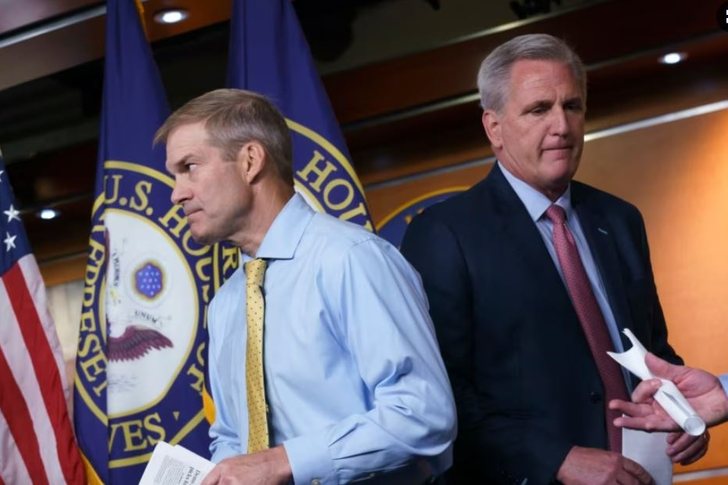
Republicans on Friday chose conservative lawmaker Jim Jord...
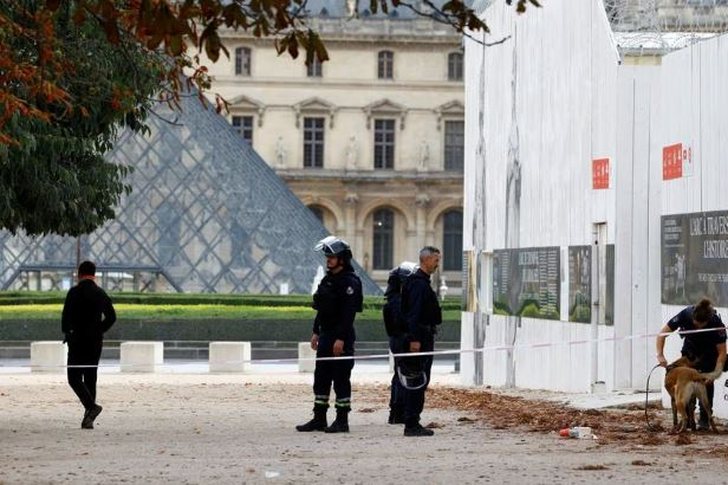
French President Emmanuel Macron has ordered up to 7,000 s...
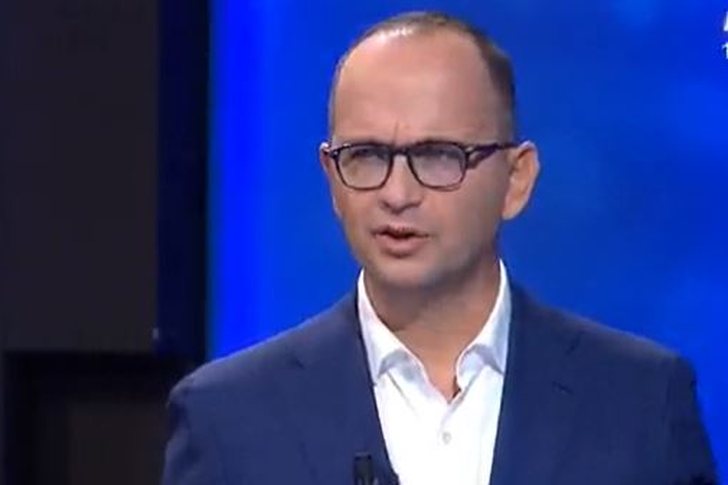
Former Foreign Minister Ditimir Bushati spoke about th...

Interior Minister Taulant Balla at the Civil Society Forum...
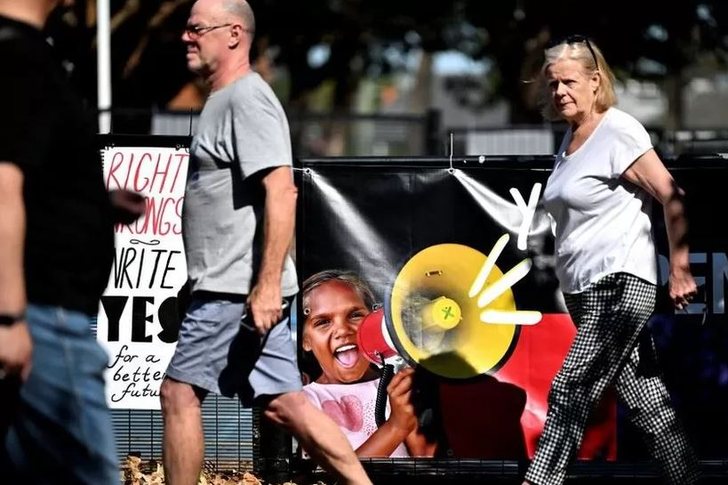
Australia has flatly rejected a historic referendum to rec...
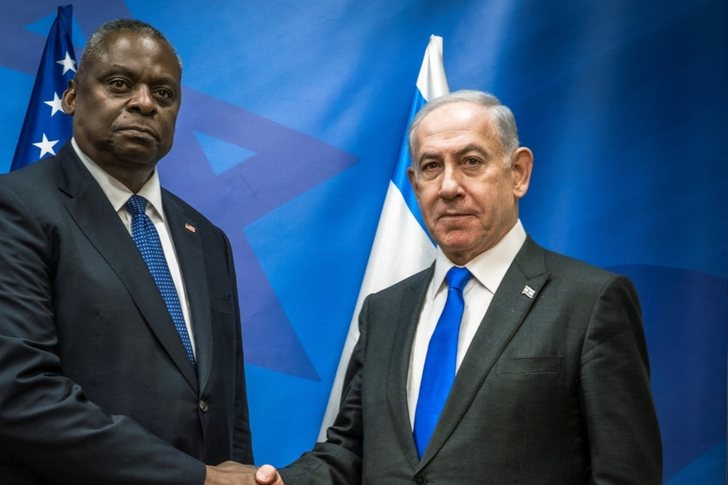
The United States continues diplomatic efforts in response...
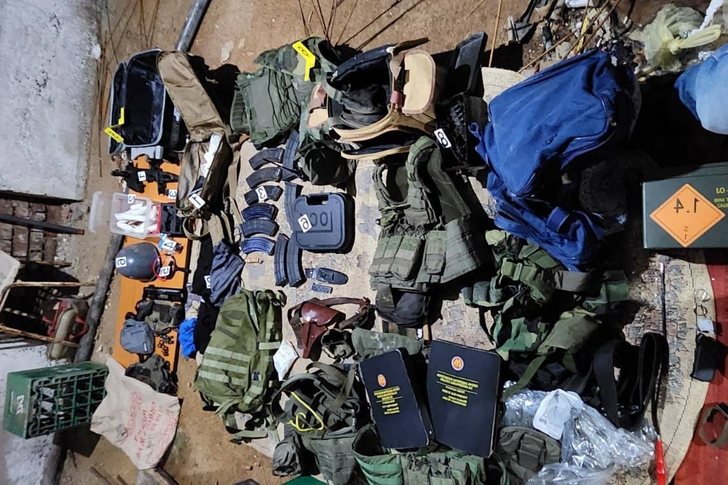
The Special Prosecutor's Office and the Police of Kosovo i...
On October 21, representatives of five major countries...
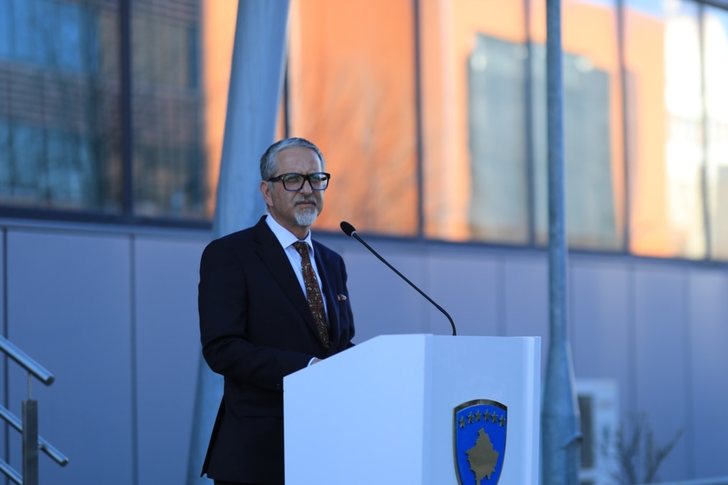
The Minister of Health in Kosovo, Arben Vitia, said on Sat...
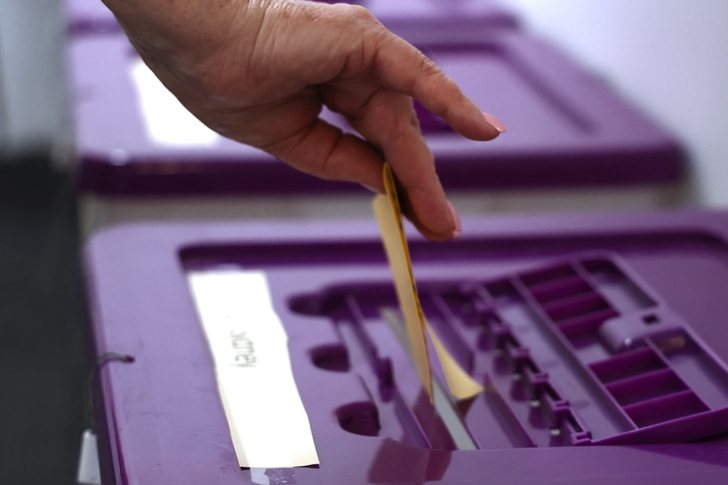
Voters in Australia on Saturday rejected a proposal to cha...
The number of people poisoned by food in a restaurant in M...
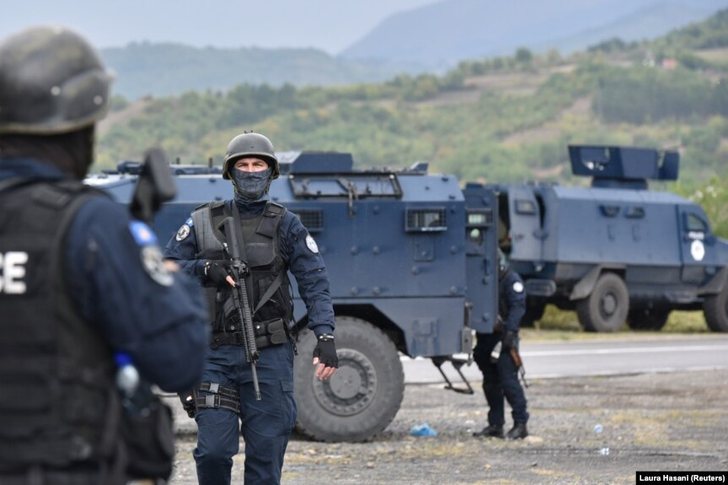
On Saturday, the Kosovo Police is carrying out checks ...
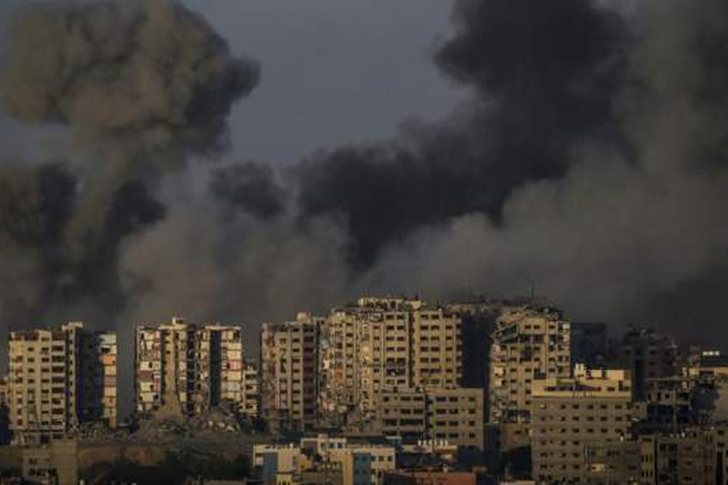
Israel's air force has announced it has killed Ali Qadhi, ...

In many cities in the Middle East thousands of people have...

Policia e Kosovës ka nisur një operacion blic në veri të v...
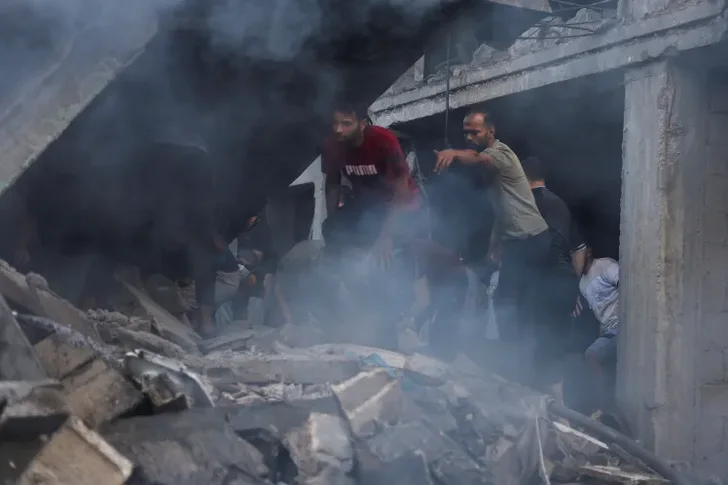
In a week of fighting, Hamas has caused more than 1,300 ca...
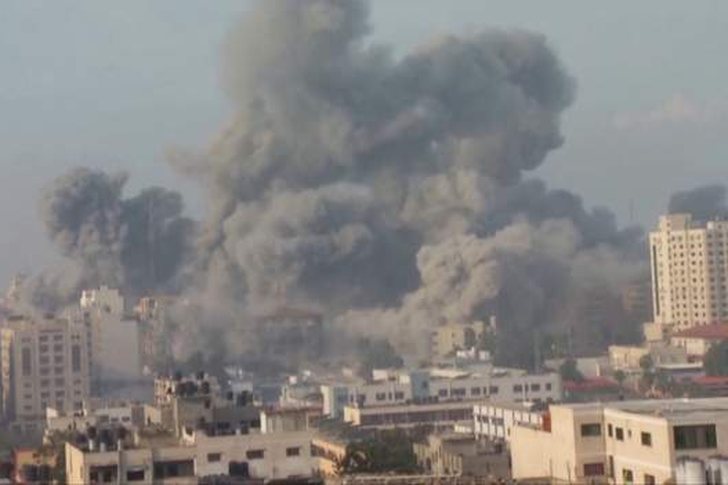
7 other Albanians who lived in Israel have returned to Alb...

The 50 million euro tender for the maintenance of national...
Today we will bring another article that breaks down the w...
CNA has put under scanner the assets of Sokol Sadushi, the...
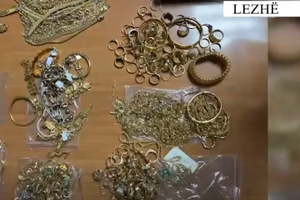
A 39-year-old citizen has been arrested in Lezha, after se...

The Special Board of Appeal (KPA) decided this Monday ...

The KPA vetting decided this Thursday to dismiss the p...

Suela Salavaçi, a prosecutor in the Prosecutor's Offic...

The Special Board of Appeal reinstated the prosecutor ...

During the checks carried out by the State Police for envi...
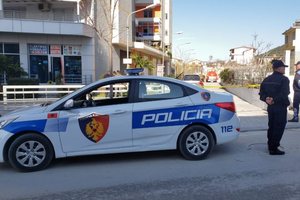
Police have revealed details of the incident that occurred...

According to preliminary information, a person in his 60s ...

A triple accident occurred on the Peqin-Elbasan axis n...

The public sector took the lead in absorbing the workforce...

Today, our country will be under the influence of unstable...
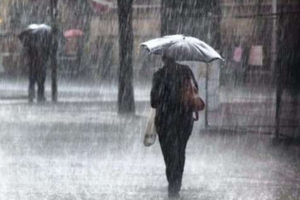
The Institute of Geosciences has today shared a forecast r...

Company leaders can improve productivity by investing in a...

The Austrian government announced on Monday that it plans ...

Shots were fired outside the US consulate in Toronto today...

US President Donald Trump said today that he could order n...

The Pentagon revised its official casualty count from the ...
Two windows, a century of history and the metaphysics of p...
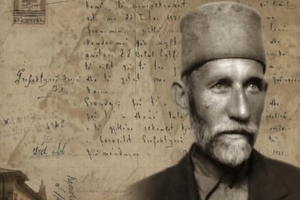
In my research at the Central State Archives, specifically...

At a time when industrial products are increasingly taking...

Trust among people is not just a three-syllable word. It c...

The Ministry of Finance will hold the reopening of the 15-...

After strong savings growth in the years following the pan...

This Monday, one US dollar is bought for 81.5 lek and sold...

This Sunday, one US dollar is bought for 81.5 lek and sold...