

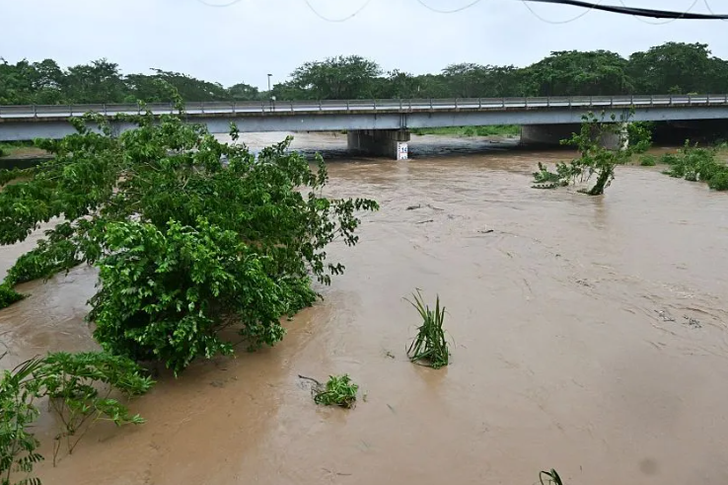
Hurricane Melissa hits Jamaica
Hurricane Melissa is wreaking havoc in Jamaica as the Cari...


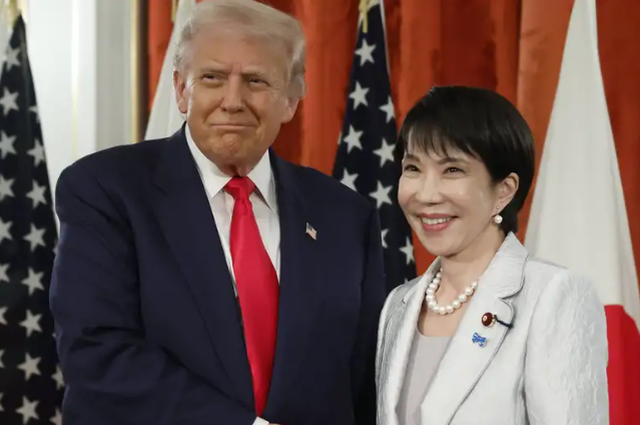
With a state visit to Tokyo, US President Donald Trump demonstrates strength towards China ahead of his meeting with President Xi Jinping.
A "new golden age" is approaching for the US-Japan alliance that will make both countries "stronger and more prosperous," according to a statement signed by US President Donald Trump and Japanese Prime Minister Sanae Takaichi on Tuesday (October 28, 2025) in Tokyo. There, Trump made the second stop on his Asian trip, after Kuala Lumpur, Malaysia, and then also South Korea. The two politicians signed an agreement on strategically important raw materials. In addition, the two sides published a list of projects in the fields of energy, artificial intelligence and critical technologies. Japanese companies want to invest up to $ 400 billion in the United States.
Trump used the visit to the US's closest ally in East Asia to show his strength ahead of his meeting with Chinese President Xi Jinping in South Korea. Together with Takaichi, he flew to the nuclear-powered aircraft carrier USS George Washington in the port of Yokosuka. In front of US Navy soldiers, Takaichi called for a "free and open" Indo-Pacific, and Trump declared: "Nobody has our weapons, and very soon our country will be even stronger and more powerful than ever before." He ended the performance by dancing to the song "YMCA."
Takaichi, good host
Host Takaichi spared no effort to establish a good relationship with Trump in their first personal meeting. To achieve this, the 64-year-old repeatedly played the strong card of her predecessor, Shinzo Abe. Prime Minister Abe, who was assassinated in 2022, was a close friend of Trump during his first term, and Trump continues to honor his memory to this day. The nationalist Abe was a mentor to Takaichi, who considers herself his political heir. At their first meeting, she gave Abe’s golf club to Trump. The two politicians had played golf together on several occasions. Other small gestures were intended to show that Japan had paid attention to the White House’s signals.
During the lunch, Trump and Takaichi were served American rice for risotto and an American beef steak. This was a symbol of Japan's desire to import more American agricultural products, something Trump had requested, especially in the case of rice and beef. Specifically, Japan offered the US the opportunity to buy more soybeans and natural gas, as well as a fleet of American pickup trucks.
Weapons spending increases
For the rest, the Japanese side stroked the president's ego whenever possible. Takaichi praised Trump's role in securing ceasefire agreements between Cambodia and Thailand, as well as between Israel and Hamas. According to her, these were "unprecedented" achievements. According to the White House, Takaichi will also nominate Trump for the Nobel Peace Prize.
The conservative politician has previously made a good case for Trump. On Friday (October 24, 2025), she announced in parliament that Japan would increase defense spending to 2% of GDP in the fiscal year ending in March. Until now, Japan had not planned to reach that goal until 2027. Trump was quick to praise Japan for "significantly" increasing its military capabilities.
The United States has already received Japanese orders "for a large amount of new military equipment," he said. Deliveries of US missiles for Japan's long-awaited F-35 fighter jets will begin this week. At the same time, he assured Japan of the US's full support: "We are allies at the highest level." He has always loved and respected Japan very much. He praised Takaichi on several occasions for being elected Japan's first female prime minister.
Elimination of trade barriers
In addition to the many mutual compliments, Trump and Takaichi signed a cooperation agreement on strategically important raw materials. The two countries want to identify “projects of mutual interest” to close “gaps” in the supply chains of critical minerals and rare metals. They also want to mobilize the private sector to reduce dependence on China for these raw materials. They are needed for the production of electronics, semiconductors, batteries, wind turbines and weapons. On the first stop of his Asia trip, Trump signed similar agreements with Malaysia, Cambodia, Vietnam and Thailand in Kuala Lumpur.
On Sunday, US Commerce Secretary Howard Lutnick and Japan's new Economy and Industry Minister Ryosei Akazawa met in Tokyo. The two politicians negotiated a trade deal in the summer, under which Japan will invest $550 billion in the US. Trump will be able to decide how this money will be spent. In return, the president subsequently reduced US import tariffs on Japanese goods to 15% in early August. Takaichi's government is now trying to ensure that the billions are also invested in Japan's interests. That is why Takaichi worked so hard during this visit to earn Trump's trust and sympathy./ DW

Hurricane Melissa is wreaking havoc in Jamaica as the Cari...
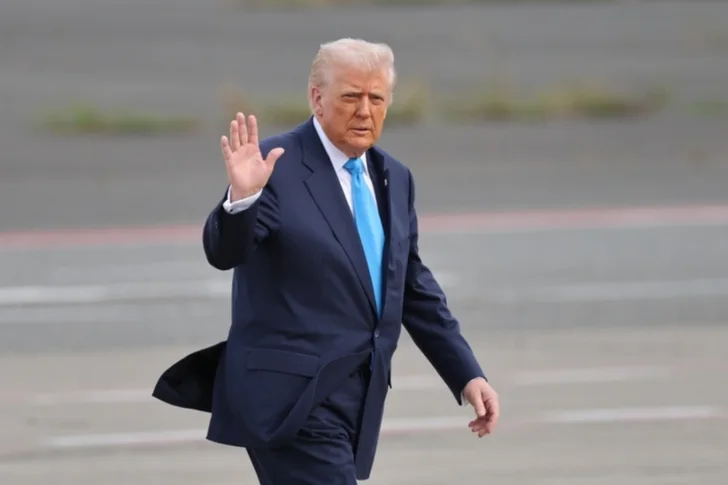
The ceasefire between Israel and Hamas is not in danger of...
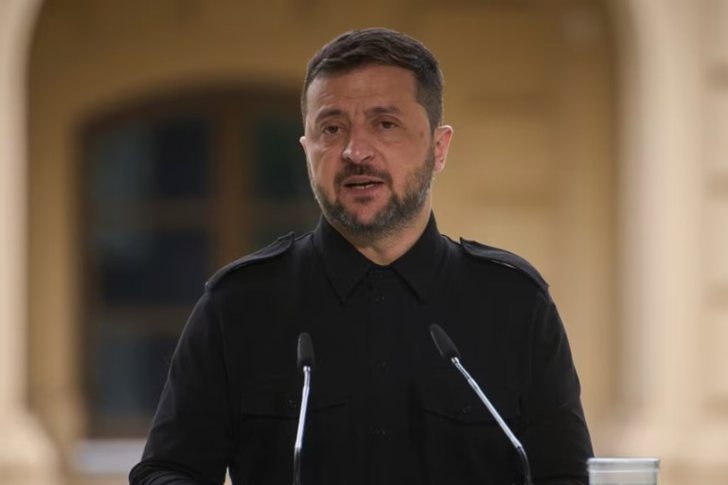
Presidenti i Ukrainës, Volodymyr Zelensky , deklaroi se ës...
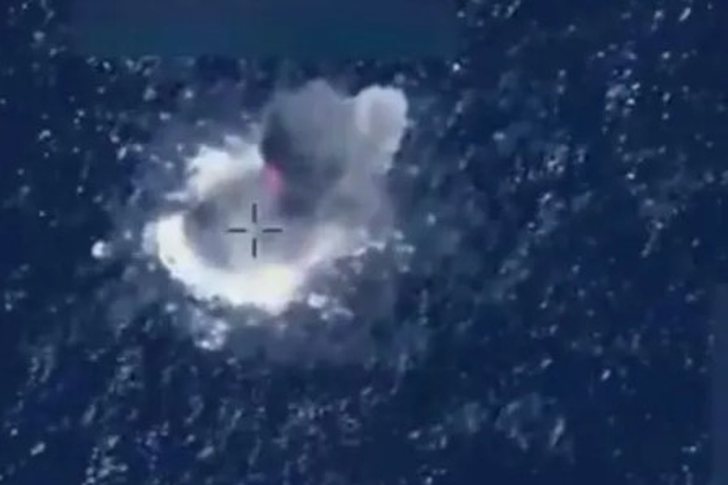
Defense Secretary Pete Hegseth said US forces have killed ...
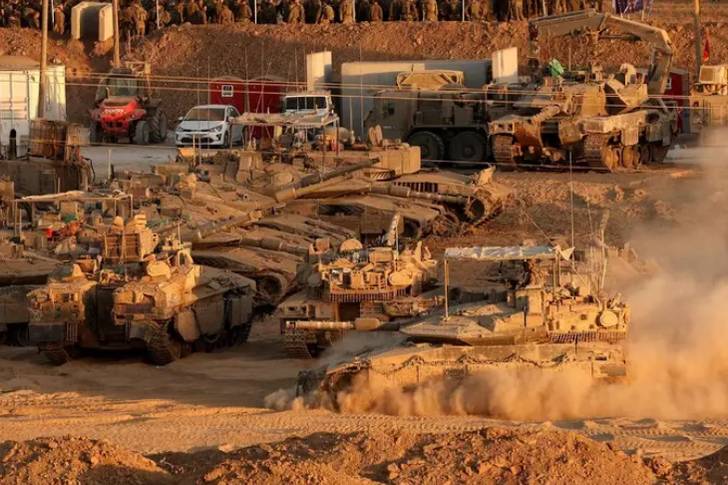
Hamas rejected accusations that its fighters attacked Isra...
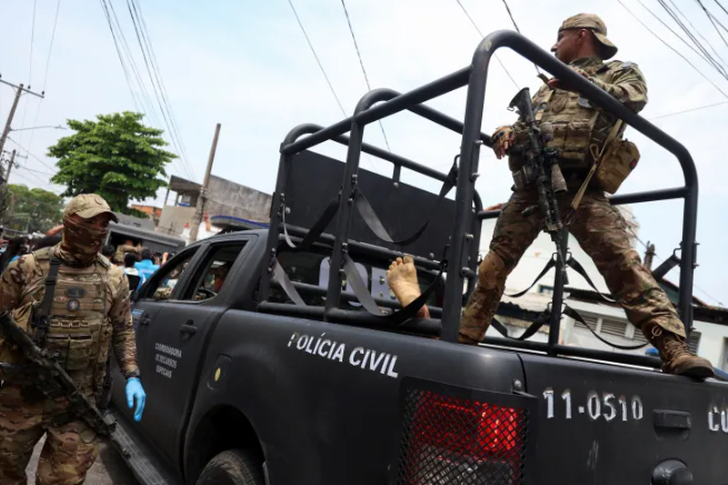
64 people, including four police officers, have been kille...
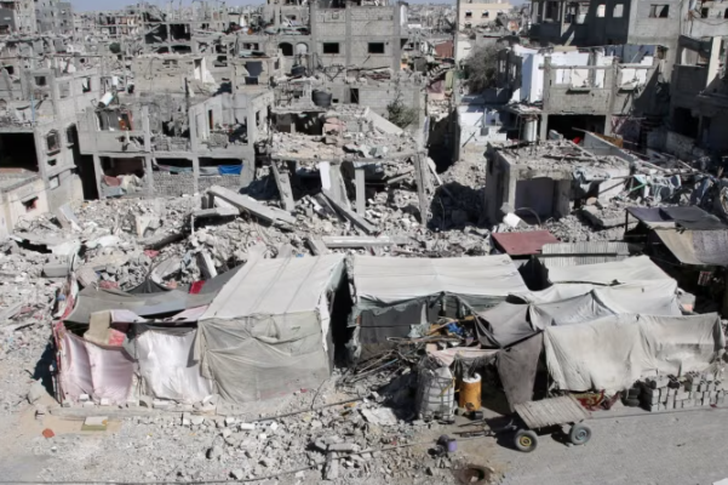
Israel says it will carry out intensive attacks on Hamas i...
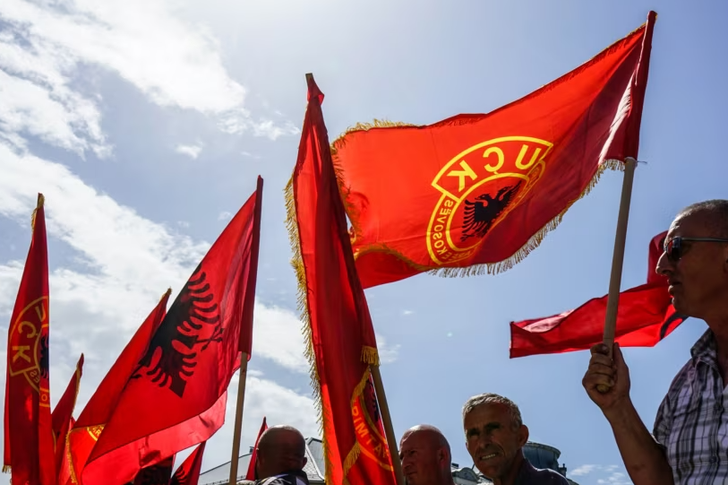
The Supreme Court of Kosovo on Tuesday repealed an article...
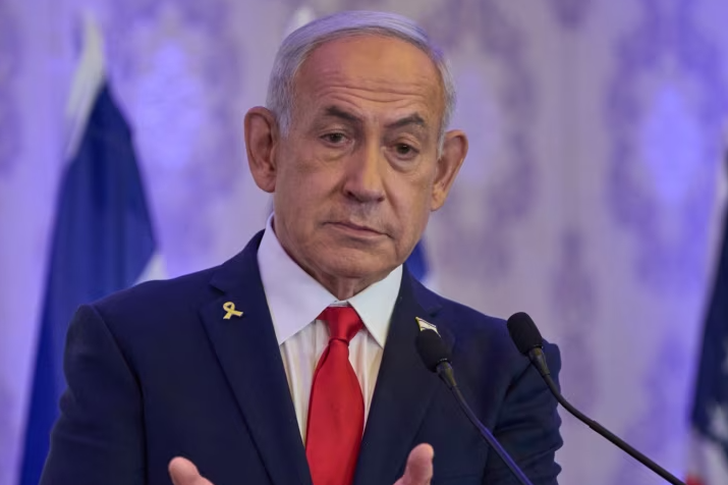
Israeli Prime Minister Benjamin Netanyahu ordered the army...
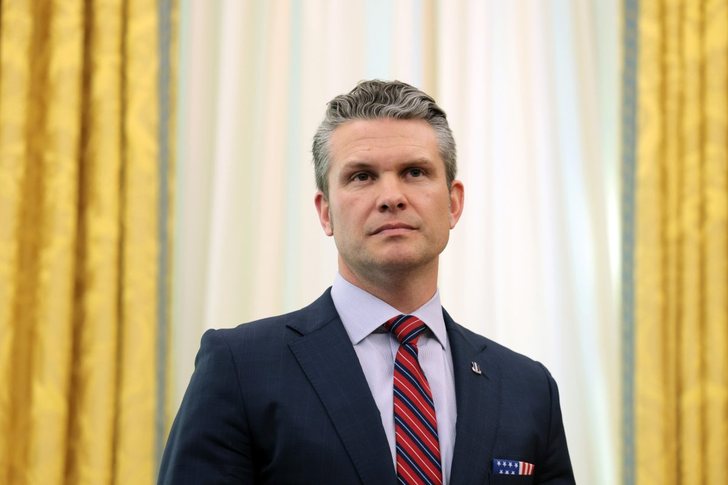
At least 14 people were killed during recent US military s...
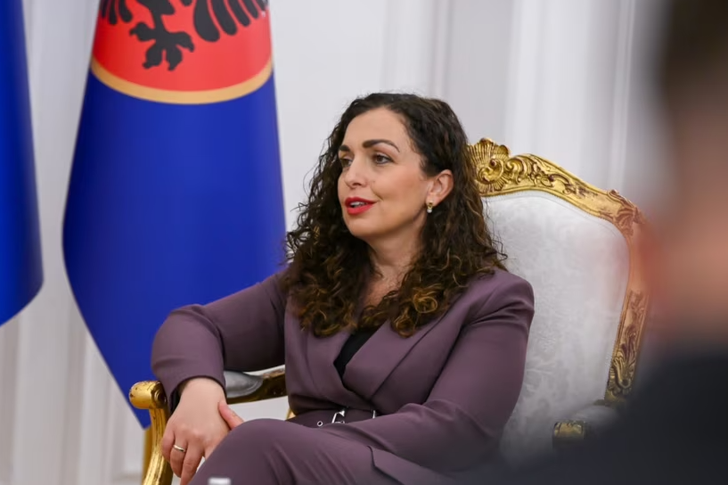
A number of civil society organizations in Kosovo have ask...
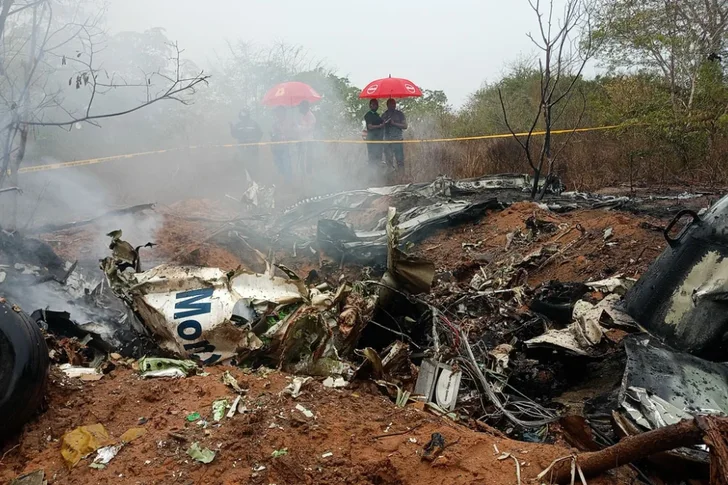
A small plane has crashed in Kenya, killing all on board, ...
Ukrainian President Volodymyr Zelensky said that Ukraine's...
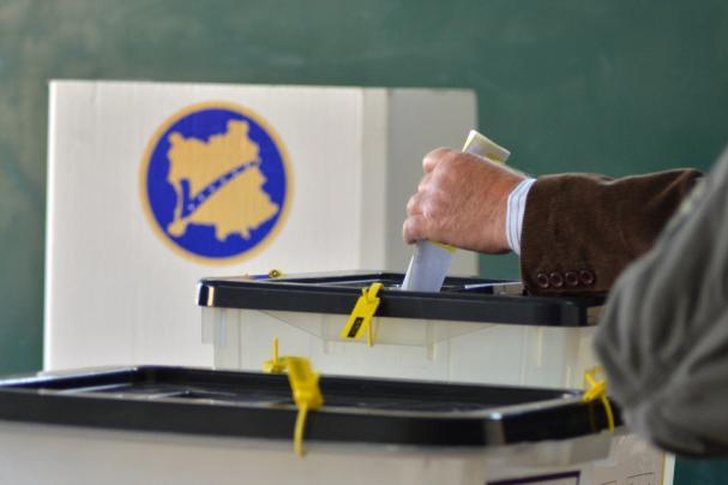
The CEC in Kosovo announced today the date for the second ...
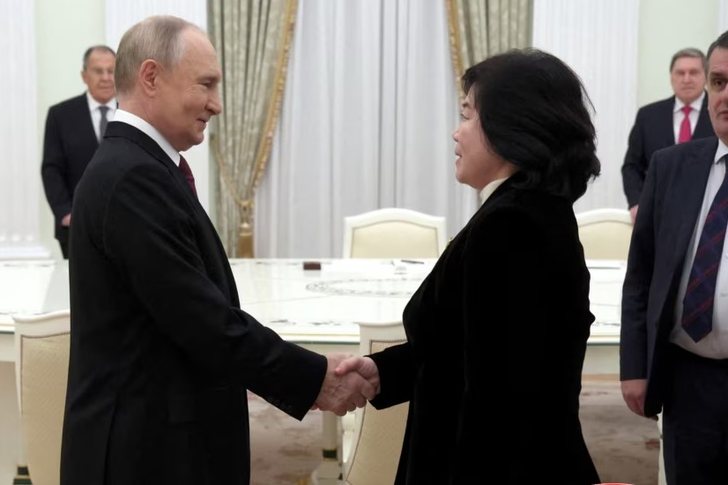
Russian President Vladimir Putin welcomed North Korea's to...

More than a million ChatGPT users each week send messages ...
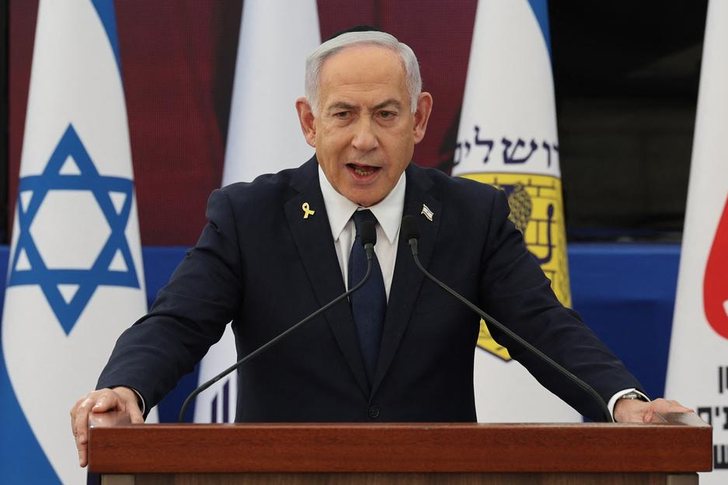
Israel wants to determine for itself which countries can p...
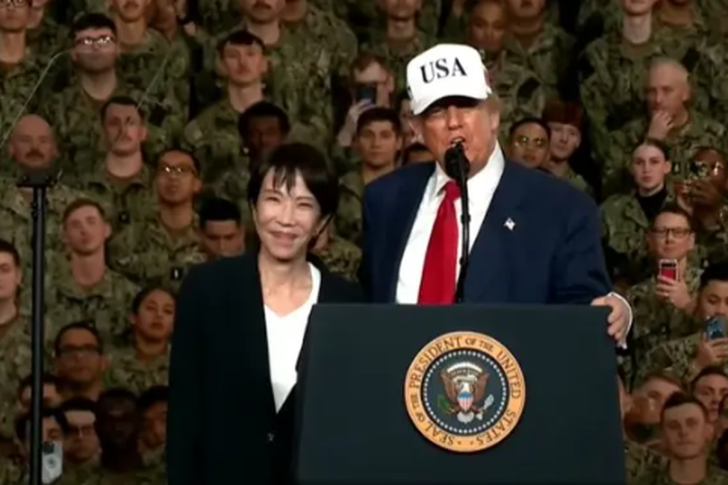
President Donald Trump has arrived on the USS George Washi...
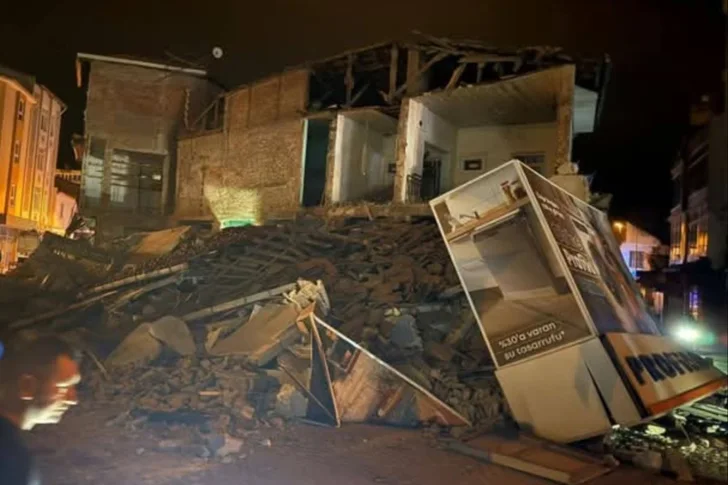
A 6.1-magnitude earthquake struck the Sindirgi region of t...
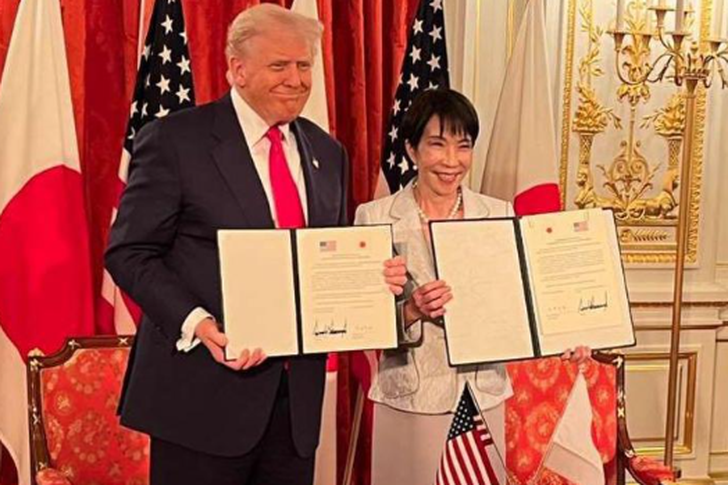
US President Donald Trump has signed a rare metals deal wi...

CNA has launched another investigation that could lead to ...

Irfan Hysenbelliu is a businessman that we call "Irfan the...

In March 2026, CNA launched another investigation centered...
The arrested mayor of Tirana, Erion Veliaj, with 13 charge...

The Special Board of Appeal (KPA) decided this Monday ...

The KPA vetting decided this Thursday to dismiss the p...

Suela Salavaçi, a prosecutor in the Prosecutor's Offic...

The Special Board of Appeal reinstated the prosecutor ...

A conflict occurred this Thursday evening in the toy area ...
A person has died today on Orikum beach. According to repo...

Footage emerges from the serious accident that occurred th...

A Shkodra traffic police officer was hit with hard objects...

Children without parental care, for whom alternative famil...

On Thursday, our country will be under the influence of st...
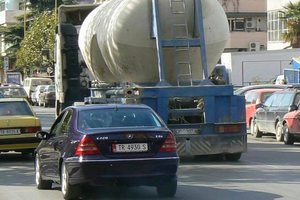
A serious accident that occurred this Wednesday with the c...

The Institute of Geosciences has shared a forecast for wea...
The European Union Office in Kosovo has called on all poli...
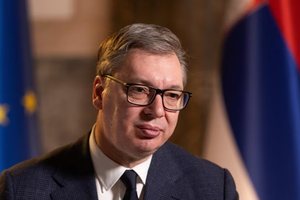
Serbian President Aleksandar Vučić, at a press conference ...
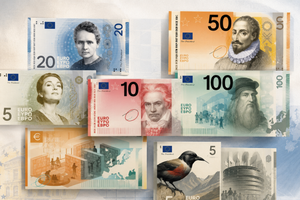
For the first time since the launch of the euro, European ...

Artificial intelligence (AI) models from the American comp...

At a time when industrial products are increasingly taking...

Trust among people is not just a three-syllable word. It c...

Master of humor Todi Llupi has passed away at the age of 7...

The ninth edition of "MIK Festival" kicked off with one of...
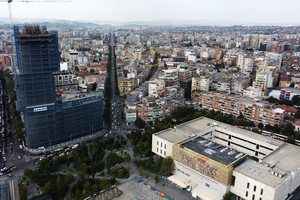
The average sale price of apartments in Tirana reaches rec...
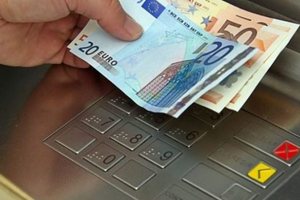
This Thursday, one US dollar is bought for 81.5 lek and so...
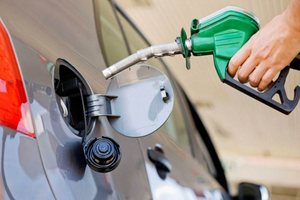
The price of diesel reached 206 lek per liter from 198 lek...
Businesses will no longer be required to simply register t...