


The building where they were sheltering was considered a security risk/ Spanish police expel around 400 migrants
Police in Spain enforced several eviction orders on Wednes...


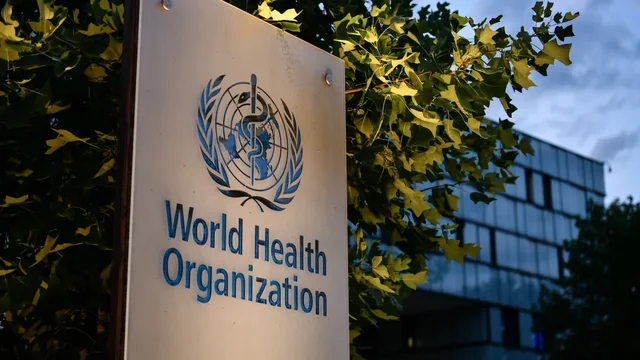
The World Health Organization has issued a statement regarding the seasonal flu.
In the statement, the WHO indicates that influenza is spreading across the European region earlier than usual and with a new dominant strain.
The WHO Regional Director for Europe announced that a new strain of flu is driving infections.
The WHO says cases will continue to rise until the peak of the flu season, in late December or early January.
WHO statement
More than half of the WHO European Region is experiencing an intense and early influenza season caused by the new influenza strain.
Flu is spreading across the European Region earlier than usual, with a new dominant strain of the virus putting health systems under considerable strain in some countries. The public is advised to take simple protective measures to protect themselves and others this winter.
The flu season has started approximately four weeks earlier than in previous seasons. At least 27 of the 38 countries in the WHO European Region reporting data are now seeing high or very high influenza activity. In six countries - Ireland, Kyrgyzstan, Montenegro, Serbia, Slovenia and the United Kingdom - more than half of patients tested for influenza-like illness tested positive for influenza.
“Flu comes every winter, but this year is a little different,” said Dr. Hans Henri P. Kluge, WHO Regional Director for Europe. “A new strain – subclade K of A(H3N2) – is driving infections, although there is no evidence that it causes more severe disease. This new variant of seasonal flu now accounts for up to 90% of all confirmed flu cases in the European Region. It shows how just a small genetic change in the flu virus can put a huge strain on our health systems, because people have no built-up immunity against it.”
Although it may not prevent infection, early data from the United Kingdom confirm that the current seasonal flu vaccine reduces the risk of serious health consequences from influenza A(H3N2) virus. Vaccination remains the most important preventive step to avoid serious health consequences. This is particularly important for those at higher risk, including older people, those with chronic illnesses, pregnant women and children. In addition, healthcare workers are also a priority group for vaccination to protect their own health and the health of their patients.
As in previous seasons, school-aged children are the main drivers of community spread. However, adults aged 65 and older account for the majority of severe cases requiring hospitalization, highlighting their critical priority for vaccination.
How to stay safe this winter
Cases will continue to increase until the peak of flu season, most likely in late December or early January. Most people will recover from the flu on their own. People with severe symptoms or other medical problems should seek medical attention.
WHO reiterates proven measures to curb transmission and save lives:
Get vaccinated: This is the best protection, especially for high-priority groups and healthcare workers, who should also follow infection prevention measures and wear a mask when necessary.
Stop the spread: Stay home if you are not feeling well. If you have respiratory symptoms, wear a mask in public to prevent spreading the virus to others. Cover your mouth and nose when you sneeze or cough. Wash your hands regularly. And open windows and doors often to improve indoor airflow.
“The current flu season, while serious, does not represent the level of global emergency we faced during the COVID-19 pandemic. Our health systems have decades of experience in managing flu, we have safe vaccines that are updated annually, and we have a clear playbook of protective measures that work. If we use the proven tools we already have – vaccination, health-conscious behavior, and strong public health systems to protect the most vulnerable – then we will weather this predictable seasonal storm.”
"It is also essential in the current climate of misinformation and disinformation to seek reliable information from trusted sources such as national health agencies and the WHO. In a challenging flu season, reliable, evidence-based information can be lifesaving," concluded Dr. Kluge.

Police in Spain enforced several eviction orders on Wednes...

Presidenti i Rusisë, Vladimir Putin mbajti një fjalim në ...
The Supreme Court on Wednesday annulled the decision of th...

Young people across the UK will be able to study or gain ...
Presidentja e Komisionit Evropian ka mbajtur një fjalim në...
Belarus President Alexander Lukashenko has called for imme...
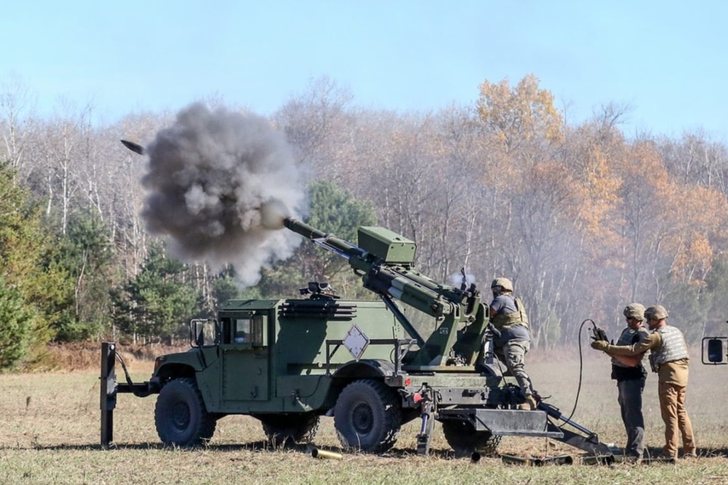
Kosovo has signed an agreement with the American military ...
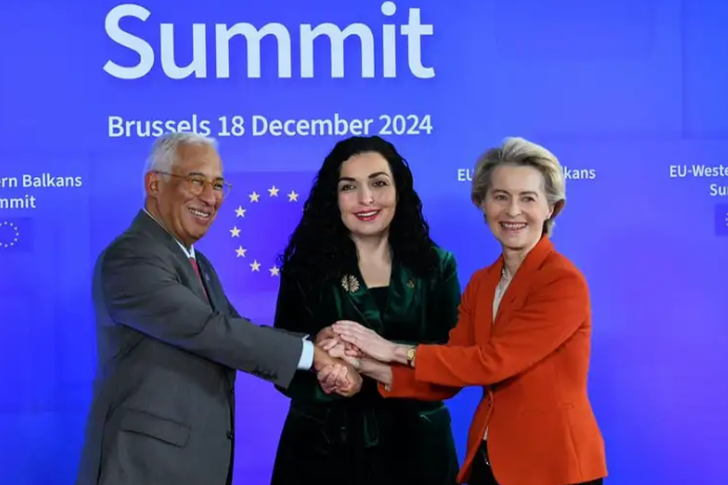
Bashkimi Evropian ka filluar heqjen e disa masave ndëshkue...

Los Angeles prosecutors have filed charges against Nick Re...

Edhe para se Komisioni Evropian të paraqiste propozimet e ...
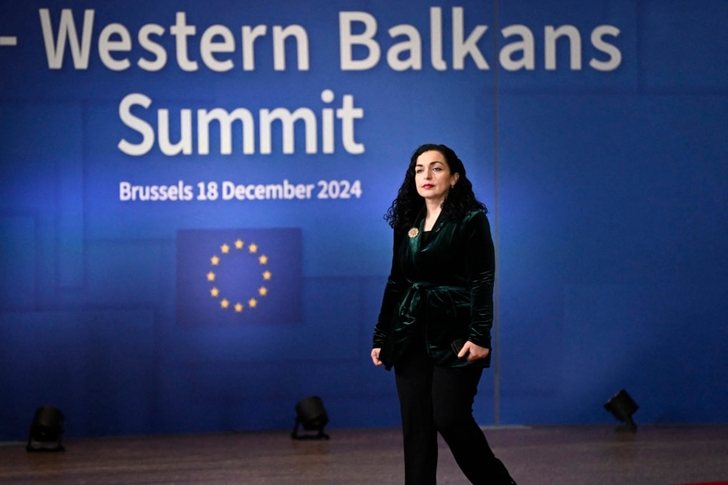
European Union leaders gather in Brussels on December 18 a...

Donald Trump has ordered a "complete and total" blockade o...

Naveed Akram, the suspected survivor of Sunday's mass shoo...

The President of Belarus, Alexander Lukashenko, stated tha...

Starting January 7, tourists visiting the Trevi Fountain i...

US President Donald Trump will address the nation with a l...

After laying off hundreds of thousands of government emplo...

Hungary announced that it has signed a five-year contract ...

Tuesday's operation involved more than 140 officers from t...

The acting Minister of Industry, Entrepreneurship and Trad...

CNA has launched another investigation that could lead to ...

Irfan Hysenbelliu is a businessman that we call "Irfan the...

In March 2026, CNA launched another investigation centered...
The arrested mayor of Tirana, Erion Veliaj, with 13 charge...

The Special Board of Appeal (KPA) decided this Monday ...

The KPA vetting decided this Thursday to dismiss the p...

Suela Salavaçi, a prosecutor in the Prosecutor's Offic...

The Special Board of Appeal reinstated the prosecutor ...
Citizen MH, 61, a fisherman, was found dead near the islan...
Another phase of the international operation, codenamed "T...

Police have arrested a 34-year-old woman at Rinas Airport ...

A serious accident has occurred on the Lezhë-Shëngjin axis...

Over 18,000 foreign citizens from 140 countries have appli...

This Wednesday, our country will be under the influence of...

All of Southern Europe will face changing weather conditio...
Albania was hit by temperatures significantly higher than ...

Prime Minister Andy Burnham has announced that most bus fa...

France's parliament has passed a law to ban social media f...

US Secretary of State Marco Rubio arrived in Manila on Jul...

In the space of a few days, Ukrainian President Volodymyr ...

At a time when industrial products are increasingly taking...

Trust among people is not just a three-syllable word. It c...

Master of humor Todi Llupi has passed away at the age of 7...

The ninth edition of "MIK Festival" kicked off with one of...

Businesses will no longer be required to simply register t...

Despite economic growth and income in recent years, Albani...

This Wednesday, one US dollar is bought for 81.4 lek and s...

Construction company licenses will have a validity period ...